How to Clean Rust Off a Cast Iron Skillet Effectively
To clean rust off a skillet, scrub the affected area with a mixture of coarse salt and water or use a stiff-bristled brush. Once the oxidation is removed, rinse the pan thoroughly and dry it immediately to prevent further corrosion before applying a fresh layer of oil to protect the iron surface.
Cast iron skillets are durable kitchen staples, but they are prone to rust if not cared for properly. While deep pitting may require aggressive restoration, most surface rust is easy to manage with simple household items. Understanding this process helps you maintain your cookware’s longevity and ensures a safe, non-stick cooking experience.
This guide explains how to safely remove surface oxidation and restore your pan to a functional, non-stick state using common household items. We will walk you through the essential steps for scrubbing, seasoning, and maintaining your skillet. Follow these practical tips to keep your kitchen tools in excellent condition for years to come.
Assess the Damage and Gather Supplies
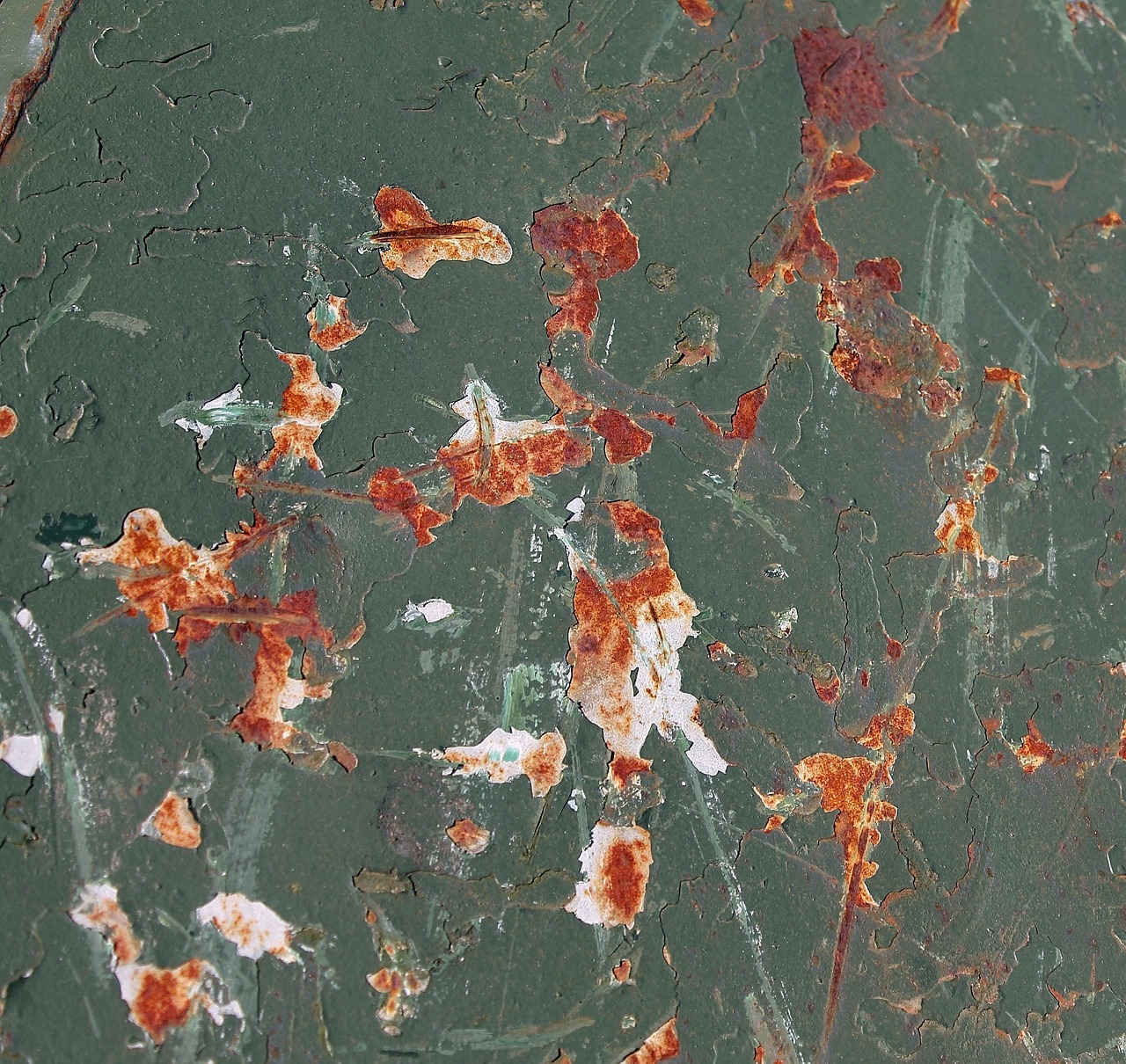
Before you begin the restoration process, you must accurately assess the condition of your skillet. Run your fingers over the affected areas to distinguish between light surface oxidation and deep, pitting corrosion. If the rust appears as a thin, orange-brown dusting that wipes away easily, it is superficial and manageable. However, if the metal feels rough, flaky, or shows deep craters, the structural integrity of the pan may be compromised, and you should proceed with extra caution.
Once you have confirmed the pan is salvageable, organize your workspace. You will need the following essential supplies to effectively strip the rust without damaging the underlying iron:
- Abrasive agents: Coarse kosher salt or fine-grade steel wool for scrubbing.
- Cleaning tools: A stiff-bristled nylon brush or a dedicated scouring pad.
- Cleaning solution: A small amount of mild, non-abrasive dish soap.
- Seasoning oil: A high-smoke-point oil, such as grapeseed, canola, or vegetable oil.
- Protective gear: Durable rubber or nitrile gloves to prevent skin irritation and protect your hands from sharp steel wool fibers.
Safety is paramount during this process. Rust particles can be sharp, and steel wool can easily cause small cuts or splinters if handled improperly. Always wear your protective gloves before you start scrubbing. If you are working on a heavily rusted piece, consider laying down newspaper or a dedicated drop cloth to catch the debris, as rust dust can stain countertops and clothing. By gathering these supplies beforehand, you ensure a smooth, efficient cleaning process that protects both your hands and your cookware.
If the rust has penetrated deep into the metal, creating significant pits, do not force the cleaning process. Excessive scrubbing on severely corroded cast iron can sometimes worsen the surface texture. In such cases, gentle, repeated cycles of scrubbing and re-seasoning are more effective than aggressive, one-time force.
Scrubbing Away the Rust
For light surface rust, you can often restore your skillet using simple pantry staples. Create a thick, abrasive paste by mixing coarse kosher salt with just enough water to achieve a consistency similar to wet sand. Apply this directly to the rusted areas.
Using a firm scouring pad, scrub the paste into the metal using steady, circular motions. The salt acts as a gentle physical exfoliant, lifting the oxidation without stripping away the seasoning prematurely. Once the rust is gone, rinse the pan thoroughly with warm water and dry it immediately to prevent new rust from forming.
If the rust remains stubborn or has pitted the surface, you may need a more aggressive approach. Follow these steps to safely remove deep oxidation:
- Switch to a fine-grade steel wool pad (0000 grade is ideal for balancing effectiveness and surface protection).
- Apply firm, even pressure directly to the affected spots, moving in small circles.
- Work in a well-ventilated area to ensure you are not inhaling fine metallic dust.
- Wipe the surface clean with a damp cloth to remove all loose particles before rinsing.
It is vital to exercise caution during this process. Never use power tools, such as angle grinders or drill-mounted wire wheels, to strip rust from your cookware. These tools rotate at high speeds and can remove too much metal, creating deep gouges or an uneven cooking surface that is difficult to repair. By sticking to manual scrubbing methods, you maintain control over the integrity of the iron.
Once you have successfully scrubbed the rust away, the pan will appear gray and dull. This is normal, as you have exposed the raw metal. You must immediately re-season the skillet by applying a thin layer of high-smoke-point oil and baking it. This final step protects the metal from moisture and prevents the rust from returning, ensuring your skillet remains a reliable tool in your kitchen for years to come.

Cleaning and Drying the Skillet
Once you have successfully scrubbed away the rust, it is time to transition from restoration to maintenance. Begin by washing your cast iron skillet using warm water and a very small amount of mild dish soap. While there is a common myth that soap ruins cast iron, a tiny drop is perfectly safe for a well-seasoned pan and helps remove any lingering metallic residue or debris from the cleaning process.
Immediately after washing, you must remove all moisture to prevent flash rust from forming. Follow these steps for the best results:
- Wipe: Use a clean, lint-free cloth or paper towel to wipe the skillet thoroughly, ensuring you reach the corners and the underside.
- Heat: Place the skillet directly onto a stovetop burner set to low heat. Allow it to sit for two to three minutes until the surface is completely bone-dry.
- Inspect: Look for any dull spots or dampness; if the pan still looks matte, keep it on the heat for another minute.
Never leave your cast iron to air dry. Allowing moisture to sit on the surface—even for a short time—is the primary cause of recurring rust. Air drying invites oxidation, which will quickly undo the hard work you put into stripping the rust. By using the stovetop method, you ensure that the pores of the iron are free of water before you move on to the re-seasoning stage.
Once the skillet is heated and dry, it will be warm to the touch and ready for a light coating of oil. This final step of the drying process is essential for protecting the integrity of your cookware. If you store your skillet in a humid environment, consider placing a paper towel inside the pan to absorb any ambient moisture, which provides an extra layer of defense against rust returning to your restored kitchen companion.
Restoring the Seasoning
Once your skillet is completely clean, dry, and cool, you must restore its seasoning to prevent future rust and create a natural non-stick surface. This process, known as polymerization, transforms liquid oil into a hard, protective layer that bonds to the iron.
Follow these steps to restore your skillet:
- Apply a very small amount of high-smoke-point oil—such as grapeseed, flaxseed, or vegetable oil—to the entire surface of the skillet.
- Ensure you coat the inside, the outside, the handle, and the bottom of the pan.
- Use a clean paper towel to buff the oil thoroughly. You want the surface to look matte, not greasy. If it looks shiny or wet, you have applied too much, which will result in a sticky finish.
- Place your skillet upside down on the middle rack of your oven. Placing it upside down prevents excess oil from pooling in the bottom of the pan.
- Preheat your oven to 450 degrees Fahrenheit. Once the oven reaches temperature, bake the skillet for one full hour.
- Turn off the oven and allow the skillet to cool completely inside before removing it.
The heat causes the oil to break down and bond with the iron, creating a durable, slick finish. If your pan still looks dull or feels rough, you can repeat this process two or three times to build up a stronger layer of seasoning.
Moving forward, maintain this protective barrier by avoiding harsh detergents and ensuring the pan is dried immediately after every wash. If you live in a humid climate, applying a light coat of oil after every use is a highly effective way to keep rust at bay. With consistent care, your skillet will become increasingly non-stick over time, making it a reliable tool for years of cooking.

Maintenance and Troubleshooting
Preventing rust is far easier than removing it. Once you have successfully restored your skillet, consistent maintenance is the key to longevity. The most critical step is moisture control; water is the primary enemy of cast iron. Never soak your pan or leave it to air dry, as even a few minutes of dampness can lead to new oxidation.
After washing, place your skillet on a burner over low heat for one to two minutes to ensure all moisture has evaporated. Once dry, apply a very thin layer of high-smoke-point oil, such as grapeseed or flaxseed oil, to the entire surface. Use a paper towel to buff it in until the pan no longer looks greasy. This creates a protective barrier against humidity.
Follow these best practices to keep your cookware in top shape:
- Avoid the dishwasher: Harsh detergents and prolonged water exposure will strip your seasoning and invite rust immediately.
- Store in a dry place: If you stack your pans, place a paper towel between them to absorb ambient moisture and prevent scratching the seasoning.
- Cook fatty foods: Frequent use, especially for searing meats or sautéing with oil, naturally builds and reinforces the seasoning layer over time.
- Monitor for damage: Inspect your pan periodically for signs of structural failure.
While surface rust is a common and manageable issue, not all damage is reversible. If you discover deep pitting, large flakes of metal coming off, or cracks that penetrate through the base of the skillet, the metal has been compromised. These structural issues can cause the pan to warp or shatter under high heat, posing a safety risk. In these instances, the skillet has reached the end of its functional life and should be retired. However, for minor surface spots, consistent use and proper seasoning will typically keep your cast iron in excellent condition for decades.
