How to Clean a Kitchen Waste Pipe Effectively
A slow-draining kitchen sink is typically caused by a buildup of grease, food particles, and soap scum inside the waste pipe. You can effectively clear these obstructions using safe, practical methods that restore proper drainage without damaging your plumbing system or requiring expensive professional tools to get the job done right.
While minor clogs are common in any home, understanding how to clean kitchen waste pipe systems requires a bit of patience and the right approach. It is important to know that harsh chemical cleaners can sometimes corrode older pipes, so opting for natural, mechanical, or gentle solutions is often the best long-term strategy.
This guide provides a clear, step-by-step approach to diagnosing and clearing stubborn blockages in your kitchen sink. We will walk you through proven techniques that prioritize safety and efficiency, ensuring you can maintain a functional kitchen environment while protecting your home’s infrastructure from further damage or recurring drainage issues throughout the year.
Essential Safety and Preparation
Before you begin cleaning your kitchen waste pipe, prioritizing safety is essential to protect both yourself and your plumbing fixtures. The environment under your sink can harbor bacteria and sharp debris, so taking a few moments to prepare correctly will ensure the process goes smoothly.
Start by clearing the area beneath the sink. Place a sturdy bucket directly under the U-bend (the P-trap). This is critical, as removing the pipe will release trapped water and organic waste that could otherwise damage your cabinetry or floor.
Protecting your skin is equally important. Always wear thick, waterproof rubber gloves. These provide a necessary barrier against the bacteria found in food buildup and shield your hands from harsh chemical residues that may be lingering in the pipes.
If your maintenance routine involves chemical cleaners, follow these strict safety protocols:
- Ventilation: Open nearby windows or turn on the kitchen exhaust fan to clear any fumes.
- No Mixing: Never combine different chemical drain cleaners. Mixing products—such as bleach and ammonia-based cleaners—can trigger a chemical reaction that releases toxic, potentially lethal gases.
- Follow Instructions: Always read the manufacturer’s label for specific dwell times and safety warnings.
Finally, manage your workspace carefully. Keep your tools, such as wrenches or pliers, on a stable surface away from the edge of the sink. A heavy tool falling into a porcelain or stainless steel sink can cause chips, cracks, or deep scratches that are difficult to repair.
If you are using a mechanical snake or auger, ensure you have a clear range of motion. Avoid forcing the tool, as excessive pressure can damage the pipe fittings or lead to leaks. By keeping your workspace organized and wearing the right protective gear, you minimize the risk of accidents and ensure that your kitchen plumbing remains in top condition for the long term.
Using Natural Methods for Minor Clogs
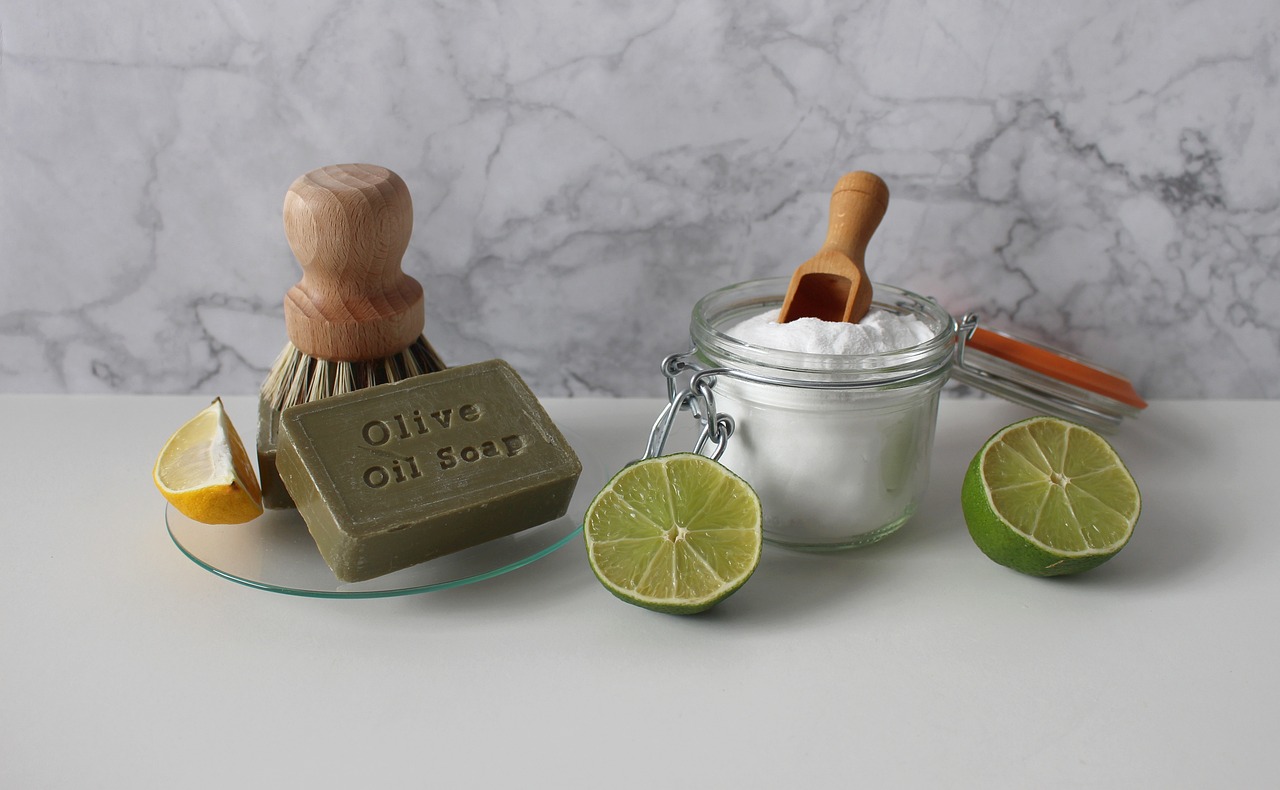
Before reaching for harsh chemical drain cleaners, try a natural approach to address minor sluggishness in your kitchen waste pipe. These household staples are safe for most plumbing systems and effectively break down the organic buildup that often causes slow drainage.
Start by bringing a large pot of water to a rolling boil. Carefully pour the boiling water directly into the drain. The intense heat helps melt solidified fats, oils, and grease that have accumulated along the interior walls of your pipes.
Once the water has drained, follow this simple two-step process to dislodge remaining debris:
- Pour half a cup of baking soda down the drain.
- Follow immediately with half a cup of white vinegar.
You will hear a fizzing sound as the two ingredients react. This chemical reaction creates carbon dioxide gas, which helps physically loosen stubborn organic matter clinging to the pipe walls. To maximize the effectiveness of this reaction, immediately cover the drain with a sink stopper or a damp cloth. This forces the fizzing action downward into the pipe rather than letting it escape into the sink basin.
Allow the mixture to sit undisturbed for at least 15 minutes. This dwell time is crucial for breaking down food particles and soap scum. After the time has elapsed, remove the stopper and flush the pipe with another pot of hot tap water to wash away the loosened debris.
If your kitchen sink drains slowly due to a buildup of plant matter or food scraps, this method is often sufficient to restore proper flow. However, if the water remains stagnant after this treatment, the clog may be located deeper in the plumbing or caused by a physical obstruction that requires manual removal. Always prioritize safety; if you have plastic PVC pipes, ensure the water is hot but not actively boiling to prevent potential warping of the pipe joints.

Cleaning the U-Bend Manually
If your kitchen sink remains slow after using a plunger or natural cleaners, the blockage is likely trapped within the U-bend. This curved section of pipe is designed to hold water to prevent sewer gases from entering your home, but it often catches food scraps, grease, and debris.
Before you begin, clear the area under your sink and place a bucket or a deep tray directly beneath the U-bend to catch any residual water or sludge. Ensure you have a pair of rubber gloves on hand to protect your skin from bacteria and grime.
Follow these steps to safely clear the obstruction:
- Locate the plastic retaining nuts on both ends of the U-bend. These are usually designed to be unscrewed by hand, but if they are stuck, use a pipe wrench gently to avoid cracking the plastic.
- Carefully remove the trap and pour any remaining water into your bucket.
- Use a stiff bottle brush or a piece of bent wire to dislodge and remove the accumulated food debris inside the pipe. Avoid using sharp tools that could scratch or puncture the interior walls.
- Rinse the trap thoroughly under a separate tap or with clean water to remove any lingering grease.
Once the pipe is clear, reattach the trap by aligning the threads carefully. Hand-tighten the retaining nuts until they are snug; overtightening with a wrench can easily damage the threads or crack the plastic. Once reattached, turn on the cold water tap for a minute to check for leaks. If you notice any dripping, give the nuts a slight extra turn, but do not force them.
Gardening Tip: If you have a compost bin, the non-greasy food scraps you remove from your pipe—such as vegetable peelings or fruit remnants—can be added to your compost heap. However, avoid adding any oily residues or soap-covered debris, as these can disrupt the balance of your compost and attract unwanted pests to your garden.
Clearing Deeper Pipe Blockages
If your U-bend is clear but the sink continues to drain slowly, the obstruction is likely located deeper within your plumbing system. Before calling a professional, you can attempt to reach these stubborn clogs using a drain snake or a flexible plumbing auger.
To use this tool effectively, feed the head of the snake into the pipe opening. Once you feel resistance, stop pushing. Gently rotate the handle to engage the tool with the blockage. The goal is to hook the debris or break it apart so it can be pulled out or flushed away. If you feel significant resistance, do not use excessive force, as this can crack older pipes or loosen fragile plumbing joints.
Follow these steps for a safe and effective deep clean:
- Insert slowly: Feed the cable into the pipe until you hit the obstruction.
- Rotate with care: Turn the handle clockwise to snag the material.
- Extract gently: Pull the snake back cautiously to remove the debris.
- Flush the line: Once the blockage is cleared, run hot water for several minutes to rinse away any remaining residue.
If you are unable to clear the pipe after a few attempts, or if the snake meets an impenetrable hard object, stop immediately. Forcing the tool further can cause damage that leads to leaks behind your walls or under the floorboards. In these cases, it is safer to contact a licensed plumber to prevent costly water damage.
Regular maintenance can prevent these deep clogs from forming in the first place. Avoid pouring cooking fats, oils, or fibrous food scraps down the drain. Even with careful habits, soap scum and mineral buildup can accumulate over time. If you find yourself needing to snake the drain more than once or twice a year, consider having your main line inspected for tree root intrusion or structural pipe issues that simple tools cannot resolve. Staying proactive protects your home’s infrastructure and ensures your kitchen remains functional and sanitary.

Maintenance and When to Call a Professional
Preventing future clogs is far easier than clearing a stubborn blockage. Your kitchen sink is not a trash can, and treating it with care will extend the life of your plumbing system significantly. The most common culprits for pipe buildup are cooking fats, oils, and grease. Even if they appear liquid when poured, these substances solidify as they cool, creating a sticky trap that catches food particles and debris.
To keep your pipes flowing freely, follow these preventative habits:
- Dispose of fats properly: Collect bacon grease, cooking oils, and heavy fats in a jar or container and toss them in the trash once solidified.
- Avoid coffee grounds: Despite common myths, coffee grounds do not sharpen disposal blades; they accumulate in pipe bends and create thick sludge.
- Flush regularly: Once a week, pour a mixture of hot water and a few drops of grease-cutting dish soap down the drain. This helps emulsify minor residue before it hardens.
While routine maintenance solves most minor issues, some situations require an expert. You should contact a licensed plumber if you encounter the following:
- Persistent foul odors: If a smell remains after cleaning the disposal and flushing the trap, there may be a deeper venting issue or a hidden leak.
- Unfixable leaks: If you notice water dripping from joints that cannot be tightened by hand, the seals or pipes may be corroded.
- Total drainage failure: If the water still does not drain after using a plunger or a simple snake, the blockage may be deep in the main sewer line.
Avoid the urge to use harsh chemical drain cleaners or excessive force to clear deep blockages. These methods can damage older pipes, leading to leaks behind your walls or under your cabinets. Attempting to force a clog in a main sewer line often leads to significant, costly water damage that is much more expensive to repair than a professional service call.