How To Clean Iron Skillet With Rust
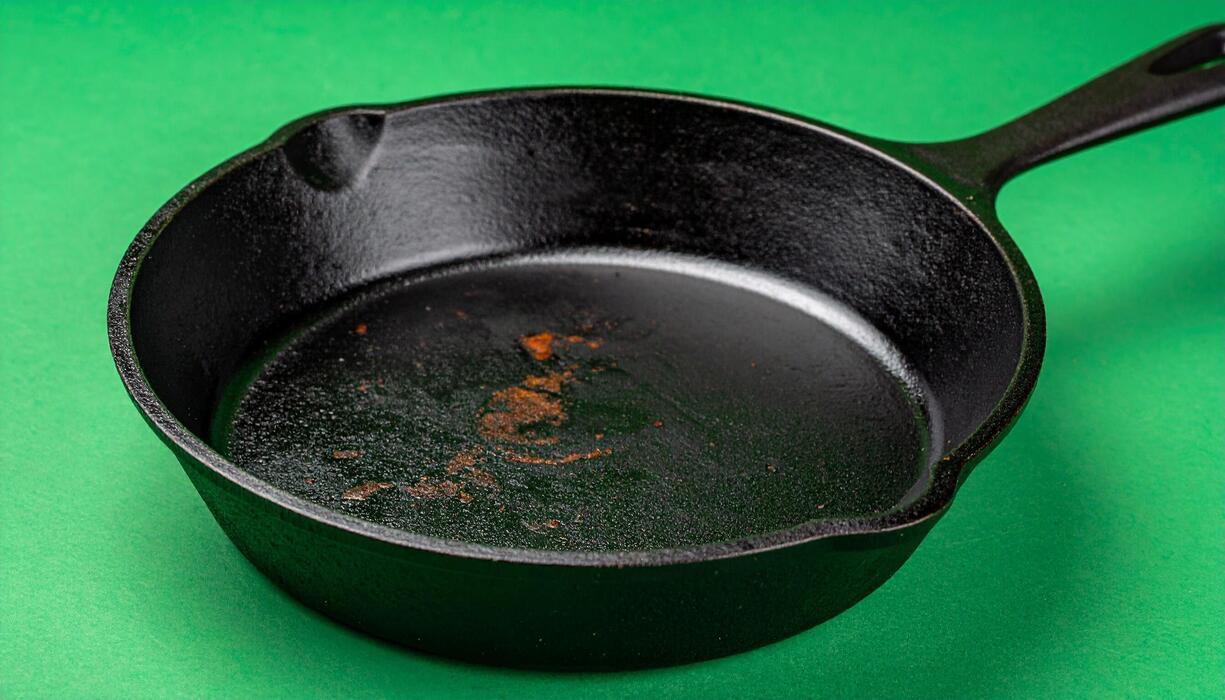
If you’re dealing with orange spots, rough patches, or a neglected skillet, you’re in the right place. The fix usually involves scrubbing away rust, drying the pan completely, and reseasoning it to protect the surface. This guide will show you exactly what to do, what to avoid, and how to keep rust from coming back.
What Causes Rust on an Iron Skillet
Why cast iron rusts so easily
Cast iron develops rust quickly because iron reacts fast with water and oxygen, especially when the pan’s protective seasoning has worn thin. That dark, slick layer on a skillet is not just for nonstick cooking; it acts like a barrier that helps block moisture from reaching bare metal.
When the skillet is left damp after washing, stored in a humid cabinet, or exposed to acidic foods for long periods, that barrier can break down and surface rust begins to form.
This matters when learning how to clean iron skillet with rust, because the amount of rust usually depends on how much seasoning was lost and how long moisture sat on the pan. Even a small patch of orange discoloration means water reached the iron.
The good news is that most rusted skillets can be restored by removing the rust, drying the pan fully, and rebuilding the seasoning with a thin layer of oil and heat.
Common mistakes that lead to rust
Many rust problems come from everyday habits that seem harmless but leave cast iron vulnerable. The biggest issue is putting the skillet away while it is still wet, even if it only feels slightly damp near the handle, rim, or cooking surface.
Another common mistake is soaking the pan in water for too long, which softens and strips seasoning so moisture can reach bare iron. Using too much soap repeatedly, scrubbing aggressively without re-oiling, or cooking highly acidic foods in a weakly seasoned pan can also wear down protection.
Some people air-dry cast iron instead of heating it dry on the stove, but hidden moisture can linger and trigger rust overnight. Storing the skillet with a lid on, stacking damp cookware, or keeping it in a humid area adds even more risk.
To avoid future cleanup headaches, always dry it completely, apply a very thin coat of oil, and store it where air can circulate.
How to tell if the rust is light or severe
Before deciding how to clean iron skillet with rust, check whether the damage is minor surface rust or something deeper. Light rust usually looks like small orange or reddish-brown spots, a dusty film, or faint discoloration that sits on top of the cooking surface.
The skillet may still feel mostly smooth, and the rust often comes off with steel wool, coarse salt, or a scrub pad.
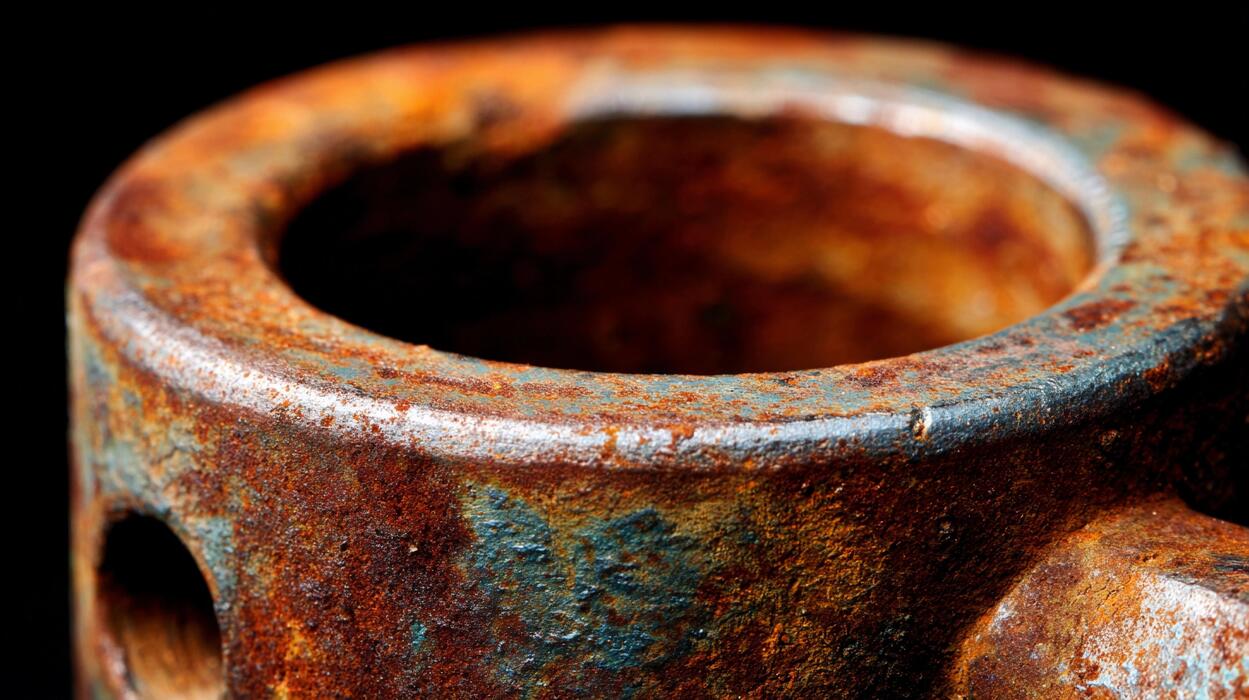
Severe rust is different: it covers large areas, feels rough or flaky, leaves pitted spots in the metal, or appears in thick layers around the bottom, sides, and handle.
If the pan has visible texture changes, dark scaling, or crumbling rust, it will likely need more aggressive scrubbing and full reseasoning afterward. Also inspect for cracks, warping, or deep structural damage, because those problems matter more than the color alone.
In most cases, if the skillet is solid and not cracked, even heavy rust can still be restored.
What You Need to Clean a Rusty Iron Skillet
Basic cleaning supplies to gather first
Before you start removing rust from a cast-iron skillet, gather a few simple items so the process stays quick and controlled.
You will need warm water, mild dish soap, a nonmetal scrub brush or sponge, paper towels or a clean cloth, and a neutral cooking oil such as vegetable, canola, or grapeseed oil for reseasoning.
It also helps to have coarse kosher salt for light scrubbing and oven mitts or a towel if you plan to warm the skillet to dry it fully. For heavier rust, keep white vinegar and steel wool or a metal scouring pad nearby, but only use them when needed.
After cleaning, the most important step is drying the pan completely and applying a thin coat of oil to protect the surface from new rust. If possible, place the skillet on low heat for a few minutes after washing so any hidden moisture evaporates before you reseason it.
When to use salt, vinegar, or steel wool
Choose your rust-removal method based on how severe the rust is. For light surface rust or stuck-on residue, start with coarse salt and a damp cloth or sponge. The salt acts as a gentle abrasive that can lift debris without being overly harsh.
If the rust is more visible or spread across the cooking surface, use steel wool or a metal scouring pad with a small amount of soapy water to scrub down to clean iron. For stubborn, widespread rust, white vinegar can help loosen oxidation, but use it carefully.
A short soak in a 50/50 vinegar-and-water mixture is usually enough; leaving cast iron in vinegar too long can damage the metal. Check it often and scrub as soon as the rust softens. Once the rust is removed, rinse, dry immediately, and apply oil right away.
Cleaning is only half the job—reseasoning prevents the rust from returning.
What to avoid when cleaning cast iron
When cleaning a rusty iron skillet, avoid habits that make rust worse or damage the pan unnecessarily. Do not leave the skillet soaking in water, because prolonged moisture encourages more rust and can weaken any remaining seasoning.
Avoid air-drying cast iron on the counter; instead, dry it immediately with a towel and finish over low heat to remove hidden moisture. Be careful with long vinegar soaks as well, since vinegar can start eating into the iron if left too long.
Skip dishwasher cleaning, which is too harsh and leaves the skillet wet for too long. You should also avoid coating the pan in too much oil after cleaning; a heavy layer turns sticky instead of forming a smooth protective finish.
Finally, do not put the skillet away until it is fully dry, lightly oiled, and properly reseasoned. The best way to stop rust from coming back is consistent care after each use, not just aggressive scrubbing.
How to Clean Light Rust Off an Iron Skillet
How to scrub away surface rust step by step
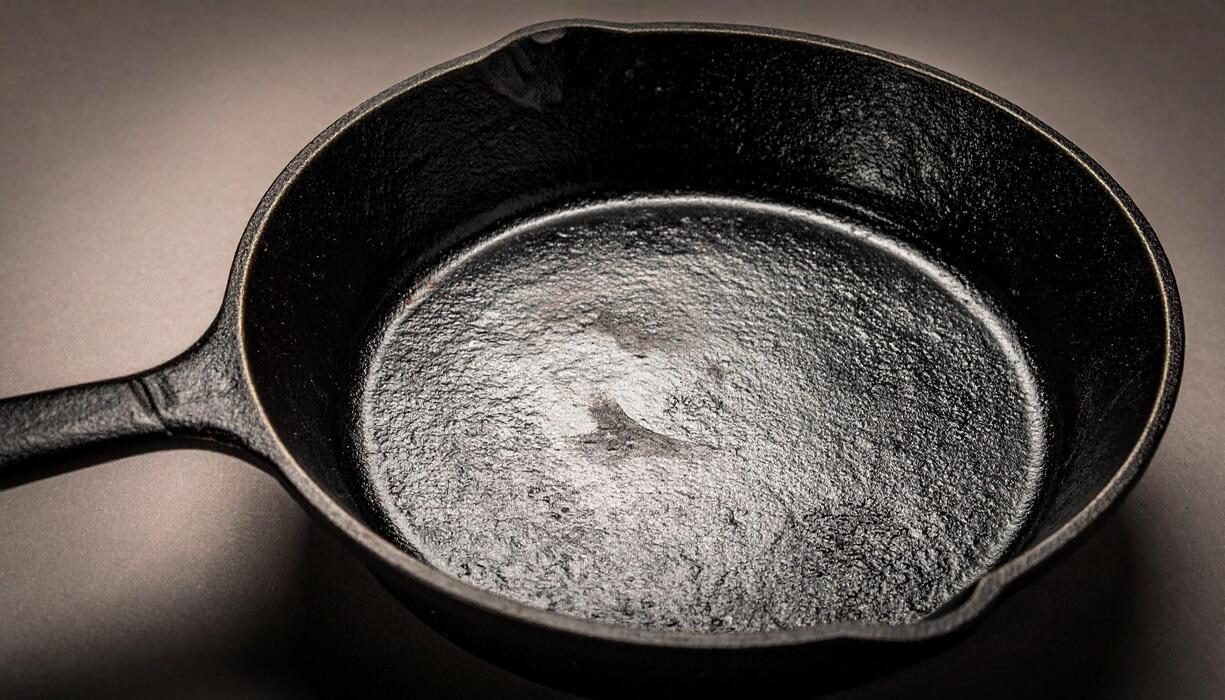
If the rust is light and mostly on the surface, start with warm water, a scrubber, and gentle abrasion instead of anything harsh. Rinse the skillet briefly, then use a sponge, nylon scrub pad, or fine steel wool to work on the rusty spots in small circles.
Add a little coarse salt if you need extra friction. Focus on removing the orange-brown residue until you see clean dark metal underneath. For stubborn patches, keep the pan wet while scrubbing so loosened rust lifts away more easily.
Once most of the rust is gone, rinse and inspect the surface. If needed, repeat one more short round rather than over-scrubbing aggressively. The goal is to remove the rust without gouging the iron. After cleaning, do not leave the skillet sitting wet in the sink.
Move straight to drying and re-oiling, since bare cast iron can develop fresh rust surprisingly fast.
How much soap and water you can safely use
A rusty skillet can safely handle a small amount of dish soap and a quick wash with water when needed. Modern dish soap will not ruin cast iron the way many people fear, especially when you are dealing with rust and need to clean the surface well.
Use just a few drops of soap with warm water, scrub the affected area, and rinse promptly. The important part is to avoid soaking the skillet or leaving water pooled inside it for long periods. A short wash is fine; a long bath is not.
If the pan still has seasoning in some areas, soap may dull a little of it, but that is easy to restore with oil after drying. Think of soap as a practical tool, not a problem, when rust is present.
Keep the wash brief, targeted, and followed immediately by thorough drying so moisture does not undo your cleaning work.
How to dry the skillet right away
Drying is the step that prevents the rust from coming right back, so do it immediately and completely. First, wipe the skillet with a clean towel or paper towels until no visible moisture remains.
Then place it on the stove over low to medium heat for a few minutes to evaporate hidden water from the cooking surface, sides, handle, and pour spouts. You want the pan to look and feel fully dry, not just mostly dry.
Once warm and dry, rub in a very thin layer of cooking oil over the entire skillet, including the outside if rust was present there. Buff away excess so it does not feel sticky. This light coat helps protect the bare iron you just exposed while scrubbing.
If the pan lost noticeable seasoning, you can continue by heating it a bit longer or doing a full oven re-seasoning later, but thorough drying right away is the urgent first priority.
Best Ways to Remove Heavy Rust From Cast Iron
How to use a vinegar soak without damaging the pan
For a heavily rusted cast iron skillet, a vinegar soak can loosen corrosion fast, but timing matters. Mix equal parts white vinegar and water in a container deep enough to submerge the pan or the rusty areas. Let the skillet soak for 30 minutes at a time, then check progress.
Avoid leaving it in for hours without checking, because vinegar can start eating into the iron once the rust is gone. After each soak, scrub the surface with a nonmetal brush, scouring pad, or steel wool to remove softened rust. Repeat only as needed until the orange-brown rust lifts.
Once clean, rinse immediately and dry completely with a towel and low heat on the stove, since bare cast iron can flash-rust within minutes. Finish by wiping on a thin coat of oil right away. The safest approach is short soaks, frequent checks, and immediate drying.
How to scrub stubborn rust spots effectively
After loosening rust, the next step is targeted scrubbing. Start with coarse kosher salt and a small amount of water or oil to create a gritty paste, then work it over the skillet with a paper towel or cloth.
For deeper rust, use steel wool, a chainmail scrubber, or a stiff scouring pad and apply firm, even pressure. Focus on rusty patches, but scrub the full cooking surface so the finish becomes more uniform.
If the skillet still feels rough or flaky, add a little baking soda paste for extra abrasion, though mechanical scrubbing usually does the most work. Rinse away residue, inspect the pan, and repeat until you see clean gray-black iron instead of reddish areas.
The key is to remove all active rust, not just the loose top layer. When done, dry the skillet over low heat so no moisture remains hidden in pores or corners before re-oiling.
When heavy rust means starting over with seasoning
If your skillet has widespread rust, dull gray bare patches, or a flaky surface, it is usually best to strip the rust fully and reseason from scratch. This is common when cleaning an iron skillet with rust that has sat in storage, been left wet, or lost its protective coating.
Once all rust is removed, dry the pan thoroughly and rub on a very thin layer of neutral oil such as grapeseed, canola, or vegetable oil. Wipe off the excess so the skillet looks almost dry; too much oil causes sticky seasoning.
Place it upside down in a 450–500°F oven for 1 hour, with foil below to catch drips, then let it cool in the oven. Repeat this process 2 to 3 times for a stronger base layer.
Afterward, maintain the finish by drying the pan after washing and applying a light film of oil to prevent rust from returning.
How to Reseason an Iron Skillet After Rust Removal
How to apply a thin coat of oil
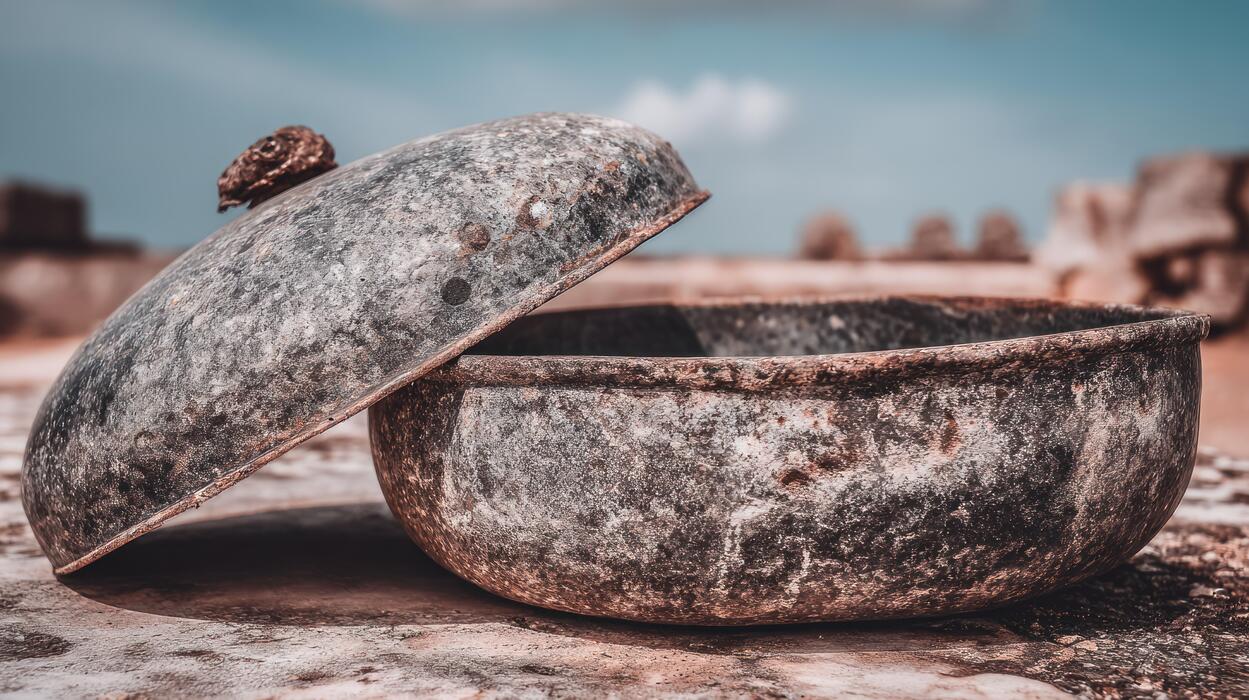
Once you have removed all rust from the iron skillet, dried it completely, and warmed it slightly, the next step is applying oil correctly. Use a neutral, high-smoke-point oil such as grapeseed, canola, avocado, or vegetable oil.
Add only a small amount to the pan, then spread it over the entire surface, including the inside, outside, handle, and rim. The most important step is wiping it back off with a clean cloth or paper towel until the skillet looks almost dry.
A very thin coat of oil bonds better during seasoning, while excess oil can turn sticky, gummy, or uneven. If the pan still looks shiny or wet, keep wiping. For a pan that had rust, full coverage matters because bare iron can quickly oxidize again.
Before baking, place the skillet upside down on a rack so any remaining oil does not pool. Thin, even, nearly invisible oil layers create the smoothest, hardest seasoning.
Best oven temperature and baking time for seasoning
After cleaning rust from your cast iron, seasoning works best when the skillet is baked hot enough to polymerize the oil into a durable coating. A reliable range is 450°F to 500°F, with 475°F being an excellent middle ground for most oils.
Preheat the oven first, then place the lightly oiled skillet upside down on the center rack. Put a sheet of foil or a baking tray on the lower rack to catch any drips.
Bake the pan for one full hour, then turn off the oven and let the skillet cool inside until it is safe to handle. This slow cooling helps the coating settle evenly.
If you use a lower-smoke-point oil, stay closer to its safe limit, but in most cases high heat gives stronger results. The key is consistent heat and enough time, not rushing the process.
A short bake may leave seasoning weak, while proper oven time builds a darker, more protective finish after rust removal.
How many layers of seasoning a rusty pan needs
A skillet that had rust usually needs more than one seasoning cycle because rust removal often exposes raw iron across large areas. For most pans, plan on at least 2 to 4 layers of seasoning after cleaning.
If the rust was severe, patchy, or deep, you may need 4 to 6 thin layers before the surface begins to look evenly dark and protected. Do not try to speed this up with thick oil coats, because heavy layers cure poorly and can become sticky.
Instead, repeat the same method: apply a very thin coat of oil, bake for an hour, and cool fully before adding the next layer. The pan does not need to look perfect immediately; cast iron improves gradually with cooking.
After the initial oven seasoning, keep building the finish by cooking foods with a little oil, such as onions, cornbread, or potatoes. Multiple thin layers plus regular use are the best way to restore a rusty skillet and keep rust from returning.
Tips for Keeping Rust From Coming Back
How to store cast iron the right way
Once you have removed rust from your skillet, storage becomes the first line of defense against it returning. Always put cast iron away completely dry and fully cooled, because trapped warmth and moisture can create the perfect environment for new rust spots.
Store the skillet in a low-humidity cabinet or on a dry rack, not under the sink or near a dishwasher where steam collects. If you stack pans, place a paper towel, clean cloth, or pan liner between them to absorb any lingering moisture and prevent scratches to the seasoning.
Keep a lid off during storage unless the pan is absolutely dry, since sealed moisture can undo your cleanup work quickly. If you live in a humid climate, consider placing a small moisture absorber in the cabinet.
These simple habits help protect the iron surface, preserve the seasoning, and make future cleaning easier.
Best habits for washing and drying after cooking
Good daily care matters just as much as knowing how to clean iron skillet with rust after it appears. After cooking, wash the skillet while it is still slightly warm using hot water, a soft brush, or a non-abrasive scrubber.
Avoid leaving it to soak, because standing water is one of the fastest ways to invite rust back. If food is stuck, use coarse salt or a scraper instead of harsh metal tools that can damage seasoning.
Once clean, dry the skillet immediately and thoroughly with a towel, then place it over low heat for a few minutes to evaporate any hidden moisture. This heating step is especially important around the handle, rim, and pour spouts where droplets linger.
After drying, wipe on a very thin layer of oil if the pan looks dull. Building these washing and drying habits keeps the surface stable, seasoned, and far less likely to rust again.
How often to oil your skillet for protection
To keep rust from returning, treat oiling as regular maintenance, not just a fix after damage. In most kitchens, applying a light coat of oil after each wash is the safest habit, especially if you use your skillet often or live in a humid area.
The key is to use only a small amount of neutral oil and wipe away the excess so the pan feels nearly dry, not greasy. Too much oil can turn sticky instead of protective.
If the skillet is used daily and already has a strong seasoning layer, you may only need a quick post-cleaning wipe and an occasional deeper stovetop or oven seasoning every few weeks.
If the pan sits unused for long periods, check it regularly and refresh the oil before storing it again. Watch for dull patches, orange specks, or rough texture as signs that protection is thinning. Consistent light oiling helps seal the iron and block moisture.
Common Questions About Cleaning a Rusty Iron Skillet
Is a rusty cast iron skillet safe to use
A rusty cast iron skillet is usually safe to restore and use, but you should remove all rust before cooking. Surface rust forms when the seasoning layer wears away and moisture reaches the iron.
That rust is not a sign that the pan is automatically ruined, but it does mean the skillet needs attention. Start by scrubbing the rusty areas with steel wool, a scouring pad, or coarse salt until you reach clean metal.
For stubborn rust, wash with a small amount of dish soap, rinse well, and dry immediately. Then place the skillet over low heat or in a warm oven to fully evaporate moisture.
Once dry, coat it with a thin layer of cooking oil and season it in the oven to rebuild protection. If rust keeps returning, the pan likely needs more thorough drying and stronger seasoning maintenance after each use.
Can rust ruin a cast iron pan for good
In most cases, rust does not ruin a cast iron pan for good. Light to moderate rust is often just a surface problem, and cast iron is durable enough to handle aggressive cleaning and reseasoning.
To restore it, scrub off the rust completely, wash, dry, and apply a very thin coat of oil before baking the pan to create a new seasoning layer. Deep orange patches may look alarming, but they can still come off with repeated scrubbing or a short vinegar-and-water soak if needed.
The main risk is leaving the skillet wet too long, which allows rust to spread and weaken the surface over time. What usually saves the pan is acting early and seasoning properly afterward.
A skillet is far more likely to recover than fail, especially if there are no cracks or holes. Consistent aftercare, including drying immediately and oiling lightly, helps prevent rust from coming back.
When to replace a skillet instead of restoring it
You should think about replacing a skillet when the damage goes beyond removable rust. A pan with cracks, warping, severe pitting, or actual holes is usually not worth restoring because it may heat unevenly or become unsafe during cooking. Deep structural damage cannot be fixed with seasoning alone.
If the cooking surface has rough cavities after rust removal, food may stick badly and continued corrosion can shorten the pan’s life. Another warning sign is a skillet that wobbles on a flat burner, which suggests warping that affects performance.
However, discoloration, flaky seasoning, and even widespread surface rust are not automatic reasons to throw it away. First try a full restoration: scrub to bare iron, rinse, dry thoroughly, and reseason several times.
Replace the pan only if, after cleaning, you find serious metal loss or physical damage that prevents safe, reliable everyday use.
Frequently Asked Questions
What is the best way to remove rust from an iron skillet?
Scrub the rusted areas with steel wool or a stiff scrubber using warm water and a small amount of dish soap if needed. Once the rust is gone, dry the skillet completely and apply a thin coat of oil before re-seasoning it in the oven.
Can I use soap to clean a rusty cast iron skillet?
Yes, a little dish soap is fine when removing rust because the goal is to strip away corrosion and damaged seasoning. After cleaning, rinse well, dry thoroughly, and re-season the skillet to restore its protective surface.
How do I re-season an iron skillet after removing rust?
Rub a very thin layer of neutral oil or shortening over the entire skillet, inside and out, then wipe off the excess so it looks barely coated. Bake it upside down in a 450°F oven for about 1 hour, then let it cool in the oven before repeating if needed.
What if the entire skillet is covered in rust?
If the rust is widespread, scrub the whole pan with steel wool or use a vinegar-and-water soak for short intervals, checking it often so the metal does not get damaged. Once the rust is removed, rinse, dry immediately, and fully re-season the skillet from scratch.
Should I soak a rusty iron skillet in vinegar?
A 50/50 vinegar and water soak can help loosen stubborn rust, but it should only be used for a short time, usually 30 minutes to a few hours with close monitoring. Leaving it too long can etch the iron, so remove it as soon as the rust softens, then scrub, rinse, dry, and season.
How do I dry an iron skillet after cleaning off rust?
Dry it immediately with a towel, then place it on the stove over low heat for a few minutes to evaporate hidden moisture. This step is important because bare iron can begin to rust again very quickly if left damp.
How can I prevent rust from coming back on my iron skillet?
Always dry the skillet completely after washing and apply a light coat of oil before storing it. Store it in a dry place, avoid leaving it wet or soaking, and touch up the seasoning regularly if food starts sticking or the surface looks dull.
Conclusion
Cleaning a rusty iron skillet is simple when you remove the rust thoroughly, dry the pan completely, and restore its protective seasoning. With the right care, even an old skillet can cook like new again. Regular drying, light oiling, and proper storage will help prevent future rust. Don’t throw your skillet away—give it a little attention, and it can stay a reliable kitchen favorite for years.