How to Clean a Glass Gas Stove Top Safely and Effectively
A clean glass gas stove top not only looks better but functions more efficiently. This guide explains how to safely remove burnt-on food and grease without scratching the delicate glass surface. By using the right techniques and gentle cleaning agents, you can restore your appliance to a pristine, streak-free shine in minutes.
Maintaining a glass cooktop requires consistency, as stubborn spills can quickly become permanent if left untreated. While daily wiping prevents minor buildup, deep-seated grime often demands a more structured approach. Understanding which tools to avoid is just as important as choosing the right cleaner to protect your stove’s smooth, tempered glass finish.
In the following sections, we will walk you through a reliable step-by-step process for deep cleaning your stove safely. You will learn which household staples work best for breaking down grease, how to handle tough, charred stains, and the essential maintenance tips to keep your kitchen looking professional and functioning perfectly.

Essential Safety Precautions Before You Begin
Before you reach for any cleaning agents or scrubbers, your primary focus must be safety. Cleaning a glass gas stove top requires direct contact with the surface, and attempting this while the appliance is hot is dangerous. Even if the burners were only on for a few minutes, the glass retains significant heat that can cause severe burns.
Always wait until the glass is completely cool to the touch. If you are unsure, hover your hand a few inches above the surface; if you feel any residual warmth, wait longer. Rushing this step risks both physical injury and potential damage to the glass, as applying cold cleaners to a hot surface can cause thermal shock and cracking.
Once the surface is cool, you must eliminate the risk of accidental ignition or electrical hazards. Follow these critical steps before applying any liquids or scrubbing tools:
- Turn off the gas supply: Ensure all burner knobs are firmly in the “off” position. If your stove has a main gas shut-off valve nearby, consider closing it for added security during deep cleaning.
- Disconnect power: Most modern gas stoves have an electronic ignition system that plugs into a standard wall outlet. Unplug the power cord to prevent the igniter from sparking if you accidentally bump a knob while wiping the surface.
- Consult your manual: Every manufacturer has specific requirements. Some models may require you to remove the burner grates or caps in a specific sequence to protect the sensors or finish.
Treating your stove as an electrical appliance—even though it uses gas—is the best way to prevent accidents. By ensuring the unit is powered down and physically cool, you create a safe environment to focus on removing grease and debris. Never attempt to clean the stove while it is connected to power, as moisture from your cleaning solution can easily migrate into the delicate ignition components, leading to short circuits or future operational failures.
Gather Your Cleaning Supplies
Before you begin cleaning your glass gas stove top, gathering the right tools is essential to prevent permanent damage. Tempered glass is durable, but it is highly susceptible to micro-scratches and deep gouges if treated with the wrong materials. Never reach for steel wool, heavy-duty scouring pads, or abrasive powders, as these will dull the finish and create permanent grooves that trap grease over time.
Instead, focus on gentle, effective supplies that break down grime without compromising the integrity of the surface. A well-prepared cleaning kit should include the following items:
- Microfiber cloths: These are ideal for wiping away residue without leaving lint or scratches behind.
- Non-abrasive sponges: Use the soft side only; avoid the green scouring side, which often contains abrasive minerals.
- White vinegar: A natural, acidic solution that cuts through grease and leaves a streak-free shine.
- Baking soda: This acts as a mild, safe abrasive to lift stubborn, burnt-on food particles when mixed with water.
- Specialized cooktop scraper: Ensure you use a tool specifically designed for tempered glass surfaces. These feature a razor-blade attachment held at the correct angle to lift hardened spills without gouging the glass.
Having these items within reach ensures you can address spills immediately before they bake onto the surface. If you are dealing with particularly stubborn, carbonized food deposits, the baking soda and vinegar combination creates a gentle chemical reaction that softens the debris, making it much easier to lift with your scraper. Always ensure the stove is completely cool to the touch before applying any liquids or using your scraper. Cleaning a hot glass surface can cause thermal shock, potentially leading to cracks. By keeping these specific, non-abrasive tools organized in your kitchen, you protect your investment and maintain a pristine, reflective finish on your cooktop for years to come.
Removing Loose Debris and Surface Grime
Before applying any specialized cleaners to your glass gas stove top, you must clear the workspace. Begin by removing the metal burner grates. Place these in your kitchen sink filled with warm, soapy water to soak while you address the glass surface; this allows the grease to break down without requiring aggressive scrubbing later.
Once the grates are removed, focus on the glass. Use a dry paper towel or a soft, microfiber cloth to sweep away loose crumbs, burnt food particles, and dust. Never skip this step, as dragging abrasive debris across the glass while wiping can create permanent micro-scratches.
For light surface grime and everyday grease, you do not need harsh chemicals. A gentle, effective solution is usually right under your sink. Follow these steps for a safe, streak-free clean:
- Mix a few drops of mild dish soap into a bowl of warm water.
- Dip a clean microfiber cloth into the solution and wring it out until it is damp, not dripping.
- Wipe the entire glass surface in circular motions, applying light pressure to areas with visible fingerprints or light oil splatters.
- Immediately follow up with a fresh, dry microfiber cloth to buff the glass dry.
If you notice stubborn, sticky spots remaining after this initial wipe, do not reach for a scouring pad. Steel wool and abrasive sponges will permanently damage the finish of your cooktop. Instead, keep the surface damp with your soapy solution for a few extra minutes to soften the residue. If the grime is particularly stubborn, you may need to use a dedicated glass cooktop scraper held at a 45-degree angle, but only after the surface has been thoroughly softened by the soap mixture. Always ensure the stove is completely cool to the touch before starting this process to prevent the glass from cracking due to sudden temperature changes.
Deep Cleaning Burnt-on Stains
When stubborn, burnt-on food residue refuses to budge, a simple, non-abrasive paste is your most effective tool. Mix two parts baking soda with one part water until you achieve a consistency similar to thick toothpaste. Apply a generous layer of this mixture directly onto the scorched areas, ensuring the spots are completely covered.
Allow the paste to sit undisturbed for at least 15 minutes. During this time, the baking soda gently softens the carbonized food particles, making them easier to remove without scratching the delicate glass surface. Once the time has elapsed, use a soft, damp microfiber cloth to wipe away the paste and the loosened debris in a circular motion.
If hardened residue persists, mechanical removal is necessary. Follow these steps to safely lift stubborn spots:
- Ensure the glass surface is cool to the touch before attempting to scrape.
- Hold your glass scraper at a 45-degree angle to the cooktop.
- Apply light, steady pressure to lift the debris, keeping the blade perfectly flat against the glass to prevent gouging or scratching.
- Wipe the area clean with a damp cloth immediately after scraping to remove any fine particles.
Always inspect your scraper blade before use. A dull or nicked blade is far more likely to damage the glass than a sharp, clean one. If you notice the blade snagging or failing to lift the residue easily, replace it immediately. Avoid using steel wool, scouring pads, or harsh chemical oven cleaners, as these can permanently mar or cloud the finish of your stove top. Consistency is key; addressing spills as soon as the surface cools prevents these difficult stains from forming in the first place, keeping your kitchen looking pristine with minimal effort. By combining the chemical softening power of baking soda with the precise mechanical action of a scraper, you can restore your glass stove top to its original, streak-free shine safely and efficiently.

Maintenance Tips and When to Seek Professional Help
Maintaining a pristine glass gas stove requires consistent habits to ensure both aesthetic appeal and operational safety. The most effective strategy is to adopt a daily cleaning routine. By wiping the surface with a soft, damp microfiber cloth after every use, you prevent food spills and grease spatters from hardening into stubborn, carbonized buildup. Once the surface has cooled completely, a gentle application of a dedicated glass cooktop cleaner can help maintain the finish and prevent micro-scratches that often harbor grime.
While routine maintenance keeps your appliance looking new, you must remain vigilant for signs of mechanical failure. Gas appliances require specific attention to ensure they operate safely within your home. Discontinue use immediately and contact a certified appliance technician if you encounter the following:
- Persistent clicking: If the igniter continues to click after the burner is lit, it may indicate a faulty ignition module or moisture trapped in the burner assembly.
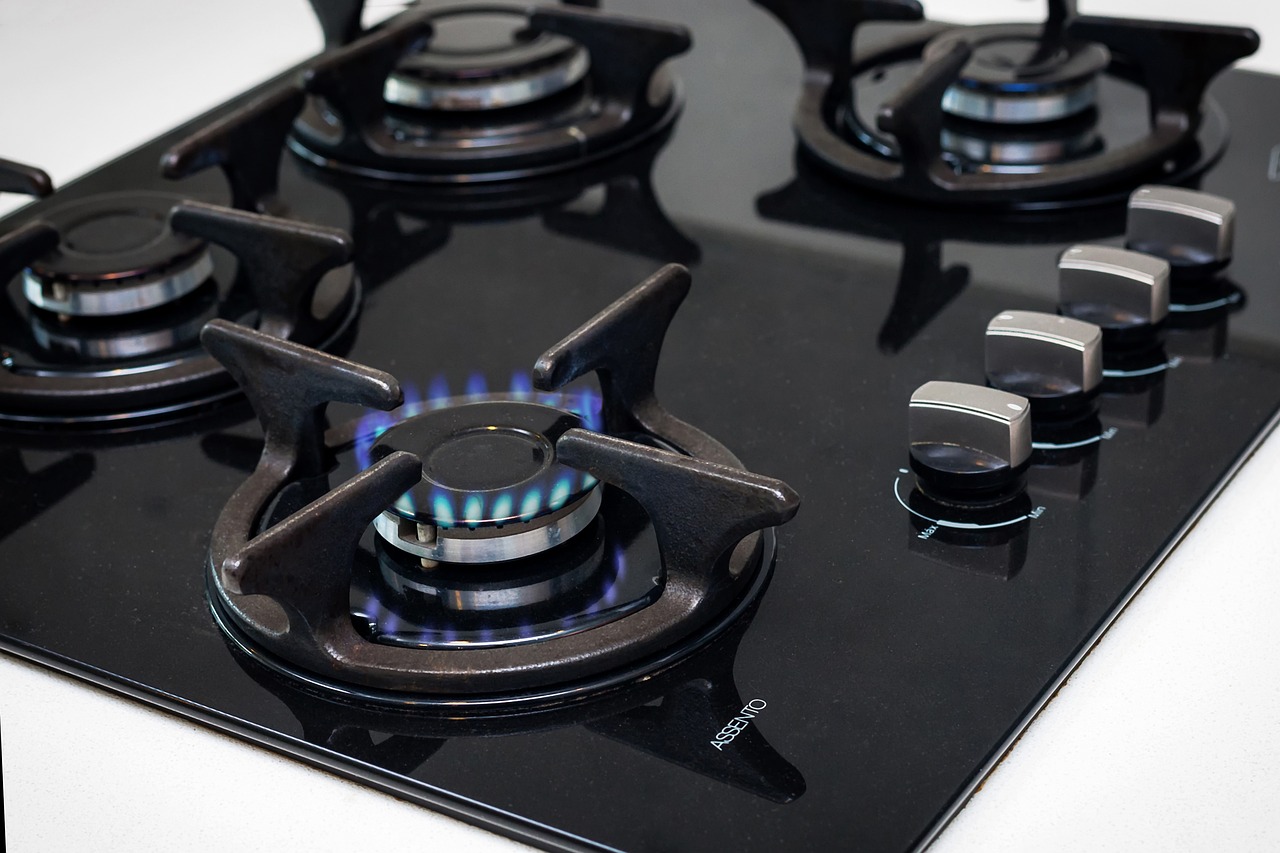
- Uneven or yellow flames: A healthy gas flame should be blue and steady. Yellow or orange flames often signal poor combustion or blocked burner ports, which can produce dangerous carbon monoxide.
- Structural damage: Any deep scratches, chips, or cracks in the glass surface compromise the integrity of the cooktop. These fissures can worsen under heat, leading to potential glass shattering or gas leaks.
- Gas odors: If you detect a sulfur-like smell near the stove, shut off the gas supply at the main valve immediately and evacuate the area before calling a professional.
Never attempt to disassemble internal gas components or bypass safety features yourself. Professional technicians have the specialized tools and training required to test for gas leaks and verify that the ignition system is functioning according to manufacturer safety standards. Prioritizing these repairs not only extends the lifespan of your appliance but, more importantly, protects your household from fire hazards and accidental gas exposure. When in doubt, always defer to a licensed expert to ensure your kitchen remains a safe environment.