How to Clean a Glass Countertop Stove Safely and Effectively
Cleaning a glass-top stove requires the right approach to remove stubborn burnt-on food without scratching the delicate surface. This guide explains how to maintain your cooktop using safe, effective methods to keep it looking new. By following these simple steps, you can easily restore your appliance’s shine without causing any permanent damage to the glass.
Achieving a streak-free finish takes patience and the correct cleaning agents, as harsh scrubbers can leave unsightly micro-scratches. It is important to wait until the surface is completely cool before applying any liquids to avoid thermal shock. Understanding these limitations ensures you protect your investment while tackling even the most difficult, hardened food spills.
In the following sections, we will walk you through the essential tools and natural solutions needed for a deep clean. You will learn how to prepare a gentle paste, apply it effectively, and buff the surface to a brilliant glow. These practical, expert-approved techniques will make your daily kitchen maintenance routine much faster and more efficient.

Essential Safety Precautions Before You Begin
Before you reach for any cleaning supplies, your primary focus must be safety. Cleaning a glass countertop stove requires a deliberate approach to prevent personal injury and protect the integrity of the glass surface.
The most critical step is temperature management. Never attempt to clean a stove that is still warm. Applying cold cleaning agents or water to a hot surface can cause thermal shock, which may lead to permanent stress fractures or shattering of the glass. Always wait until the surface is completely cool to the touch before starting.
Equally important is preventing the stove from turning on while you are working. Even a slight accidental nudge to a control knob can heat the surface rapidly, posing a severe burn risk and potentially damaging your cleaning tools. Follow these steps to secure your workspace:
- Verify temperature: Use the back of your hand to hover near the burners. If you feel any residual heat, wait longer before proceeding.
- Lock the controls: Most modern induction and electric stoves feature a “Control Lock” or “Child Lock” function. Activate this setting to disable the touch interface or knobs entirely.
- Disconnect power: For older models without a digital lock, consider unplugging the unit or flipping the dedicated circuit breaker in your home’s electrical panel. This provides a physical guarantee that the heating elements cannot engage.
- Clear the area: Remove all pots, pans, and decorative items from the stovetop to ensure you have a clear, unobstructed workspace.
By taking these few minutes to prepare, you eliminate the risk of accidental activation and thermal damage. A cool, deactivated surface allows you to apply cleaning agents safely and effectively, ensuring your stove remains in pristine condition without compromising your safety.
Gathering the Right Cleaning Tools
Using the correct tools is the most important step in protecting your glass cooktop from permanent damage. Because glass surfaces are prone to micro-scratches, you must avoid any abrasive materials that can leave dull marks or deep gouges. Never use steel wool, scouring pads, or the abrasive side of a standard kitchen sponge, as these will compromise the finish over time.
Instead, focus on soft, non-abrasive materials that lift residue without damaging the glass. A high-quality microfiber cloth is your best defense for daily maintenance and polishing. For tougher, stuck-on spills, a dedicated razor-blade scraper designed specifically for glass cooktops is essential. When used at the correct angle, this tool safely removes burnt-on food without scratching the surface.
To achieve a streak-free shine and effective degreasing, gather the following supplies before you begin:
- Specialized glass cooktop cleaner: These formulas are chemically balanced to break down grease and leave a protective barrier on the glass.
- White vinegar: An excellent, natural degreaser that helps cut through thin layers of oil and removes mineral streaks.
- Soft microfiber cloths: Use one for the initial wipe-down and a second, dry cloth for buffing the surface to a high shine.
- Glass-safe razor scraper: Ensure the blade is sharp and rust-free. Replace the blade frequently to prevent dragging or scratching.
- Distilled water: If you prefer a chemical-free rinse, a light mist of distilled water helps remove cleaning residue without leaving hard water spots behind.
Before starting, ensure the cooktop is completely cool to the touch. Applying cleaning products to a hot surface can cause the cleaner to bake onto the glass, making it significantly harder to remove. By keeping these specific tools organized and ready, you ensure that your cleaning routine remains safe, efficient, and gentle on your appliance. Always inspect your cloths for trapped debris before wiping, as even small bits of grit can cause unintended scratching during the cleaning process.
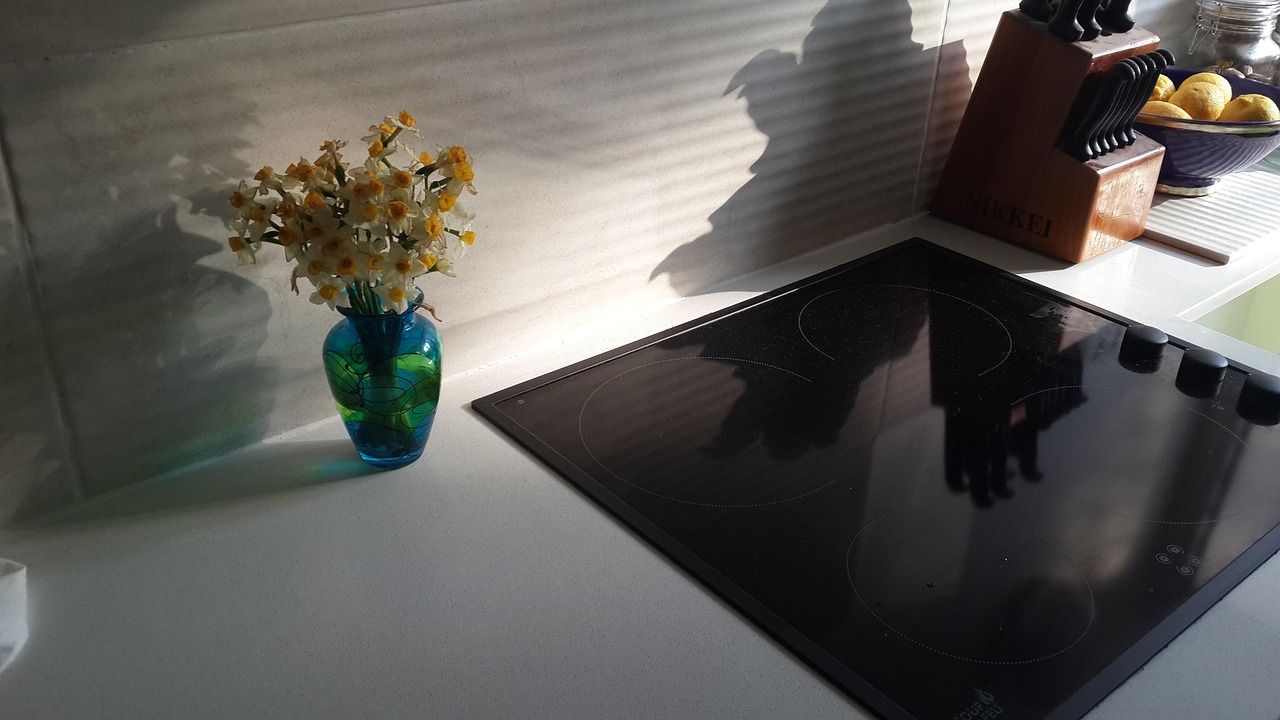
Step-by-Step Cleaning Process
Before you begin, ensure the stovetop is completely cool to the touch. Cleaning a hot surface can cause the cleaner to evaporate prematurely or lead to accidental burns. Once cool, take a soft, damp microfiber cloth and wipe away any loose crumbs, dust, or light debris. Clearing this surface layer first prevents you from dragging grit across the glass, which could cause fine scratches during the deeper cleaning process.
Next, apply a dedicated glass-ceramic stovetop cleaner to the surface. Avoid using harsh scouring pads, steel wool, or abrasive powders, as these will permanently damage the finish. Allow the cleaner to sit for three to five minutes. This dwell time is essential, as it allows the chemical agents to break down stubborn grease and oil splatters, making them much easier to remove without excessive scrubbing.
If you encounter persistent, burnt-on food residue that the cleaner did not lift, use a specialized razor scraper designed for glass cooktops. Follow this careful technique to avoid damage:
- Hold the scraper blade at a 45-degree angle against the glass.
- Apply gentle, steady pressure to glide the blade over the burnt-on spot.
- Keep the blade flat against the surface to prevent gouging or scratching.
- Work slowly, repeating the motion until the residue is fully removed.
Once the surface is clear of debris and burnt spots, use a fresh, dry microfiber cloth to buff the entire stovetop. Move in circular motions to remove any remaining cleaner residue and to polish the glass to a streak-free shine. If you notice a hazy film, a final wipe with a clean, slightly damp cloth followed by a quick dry-buff usually resolves the issue. By following this methodical approach, you keep your appliance looking like new while ensuring the integrity of the glass surface remains intact for years to come.
Handling Stubborn Stains and Burnt Food
Even the most diligent cooks encounter stubborn, burnt-on food that refuses to budge with standard surface cleaners. When you face these persistent spots, avoid the temptation to use abrasive scouring pads or harsh chemicals, as these can permanently scratch or cloud your glass cooktop. Instead, rely on a gentle, effective paste made from pantry staples.
Mix two parts baking soda with one part water to create a thick, spreadable paste. Apply a generous layer directly over the burnt residue. To enhance the cleaning power, soak a clean kitchen towel in hot water, wring it out so it remains damp, and lay it flat over the baking soda paste. Let this sit for 15 minutes; the trapped heat and moisture will soften the carbonized food, making it significantly easier to lift.
After the dwell time, remove the towel and use a soft microfiber cloth to gently scrub the area in circular motions. If you still see stubborn bits remaining, you may use a dedicated glass cooktop scraper, but follow these safety precautions to protect your appliance:
- Hold the scraper at a shallow 45-degree angle to the glass surface.
- Apply light, consistent pressure rather than digging into the residue.
- Never force the blade if the stain does not lift immediately.
- If the residue persists, repeat the baking soda and warm towel process rather than scraping harder.
Forcing a scraper against hardened, stubborn food is the primary cause of permanent gouges and deep scratches in glass surfaces. If the material does not lift after a second round of soaking, it is better to leave a faint mark than to risk damaging the integrity of the glass. Once the area is clean, wipe the surface thoroughly with a damp cloth to remove any remaining baking soda residue, which can leave a hazy film when the burner is turned back on. Buff the glass dry with a fresh cloth for a streak-free, polished finish.

Maintenance Tips and When to Seek Help
The most effective way to keep your glass cooktop looking pristine is to adopt a proactive cleaning routine. By addressing messes immediately, you prevent food particles and oils from baking onto the surface, which eventually leads to stubborn, hard-to-remove stains.
Make it a habit to wipe down the surface after every use. Always wait until the cooktop has cooled completely to the touch before applying any cleaner. Using a damp microfiber cloth or a specialized non-abrasive cooktop cleaner will lift light residue without scratching the delicate glass surface.
To maintain the longevity of your appliance, follow these simple maintenance habits:
- Avoid sliding heavy cast iron or stoneware pots across the glass, as these can cause micro-scratches over time.
- Never use abrasive scouring pads or steel wool, which can permanently dull the finish.
- Keep the bottom of your cookware clean and dry to prevent grease from transferring to the glass during the heating process.
- Use a specialized razor-style scraper only for burnt-on spills, holding it at a low angle to avoid gouging the surface.
While routine cleaning manages daily wear, you must remain vigilant regarding the structural integrity of the glass. Your cooktop is a precision appliance, and damage can compromise both performance and safety.
You should stop using the appliance immediately and contact a professional technician if you notice the following:
- Visible Cracks or Deep Chips: Even minor fractures can expand rapidly due to heat fluctuations, potentially leading to glass breakage during cooking.
- Uneven Heating: If specific burners fail to heat or fluctuate in temperature, it may indicate a failing internal heating element or a faulty control board.
- Electrical Anomalies: Any signs of sparking, burning odors, or flickering lights suggest an internal electrical fault that poses a significant fire or shock hazard.
If you are unsure about the condition of your cooktop, it is always safer to consult the manufacturer’s manual or a certified repair service before attempting to cook on a compromised surface.