How To Clean Cast Iron Cookware That’S Rusted
Surface rust, stuck-on residue, and old seasoning may look serious, but they are usually fixable at home. In this guide, you’ll learn what to scrub with, when to reseason, and how to prevent rust from coming back, so your cookware is safe, smooth, and ready to use again for many more years ahead.
What Causes Rust on Cast Iron Cookware
Why cast iron rusts after washing or soaking
Cast iron rusts because the metal contains iron that reacts quickly with water and oxygen when its protective seasoning is weakened or removed. If a pan is left wet after washing, or worse, soaked in the sink, moisture sits on the surface and starts forming rust almost immediately.
Harsh scrubbing, acidic foods, or strong detergents can also strip away the thin layer of baked-on oil that normally helps shield the cookware.
When you are figuring out how to clean cast iron cookware that’s rusted, it helps to know that rust is usually a sign the pan stayed damp too long, not that it is ruined.
The best prevention is to wash briefly, dry completely, and heat the pan for a minute or two after cleaning to drive off hidden moisture. Then apply a very light coat of oil so the surface stays protected between uses.
Common storage habits that lead to rust
Many rust problems start long after washing, during storage. A cast iron pan put away with even a small amount of trapped moisture can develop orange spots or rough patches.
Stacking cookware while it is still warm and damp, placing lids tightly on top, or storing pans in a humid cabinet are all common habits that encourage rust. Another issue is wrapping cast iron in materials that hold moisture, such as damp towels or poorly ventilated covers.
To avoid future problems while learning how to clean cast iron cookware that’s rusted, focus on storage habits that keep the pan dry, open, and lightly oiled.
Store it only after it has cooled and dried fully, and if stacking is necessary, place a paper towel or cloth liner between pieces to absorb stray moisture. Leaving the lid slightly ajar also helps air circulate and protects the seasoning from damp buildup.
How to tell light rust from heavy rust damage
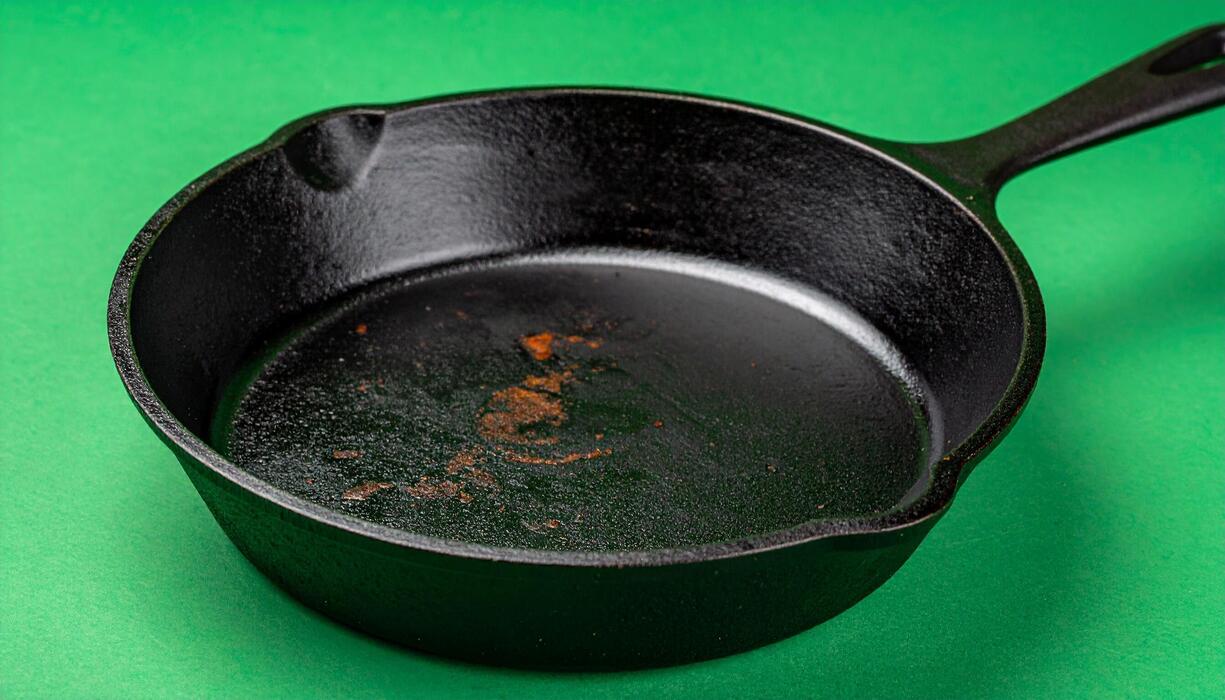
Light rust usually appears as small orange or reddish-brown spots on the surface and often feels slightly dusty or rough, but the pan still looks structurally solid. This kind of rust is commonly easy to remove with gentle scrubbing, drying, and reseasoning.
Heavy rust damage is different: the cookware may have thick scaling, deep pitting, flaky layers, or an uneven surface that does not smooth out with basic cleaning. In severe cases, the rust has eaten into the metal, which can affect performance and make seasoning harder to rebuild.
If you are researching how to clean cast iron cookware that’s rusted, this distinction matters because light rust usually needs a straightforward restoration, while heavy rust may require more aggressive scrubbing and multiple rounds of seasoning. Check the cooking surface, handle, and bottom closely.
If the pan has cracks or severe metal loss, replacement may be safer than repair.
What You Need to Clean Rusted Cast Iron
Basic cleaning tools for safe rust removal
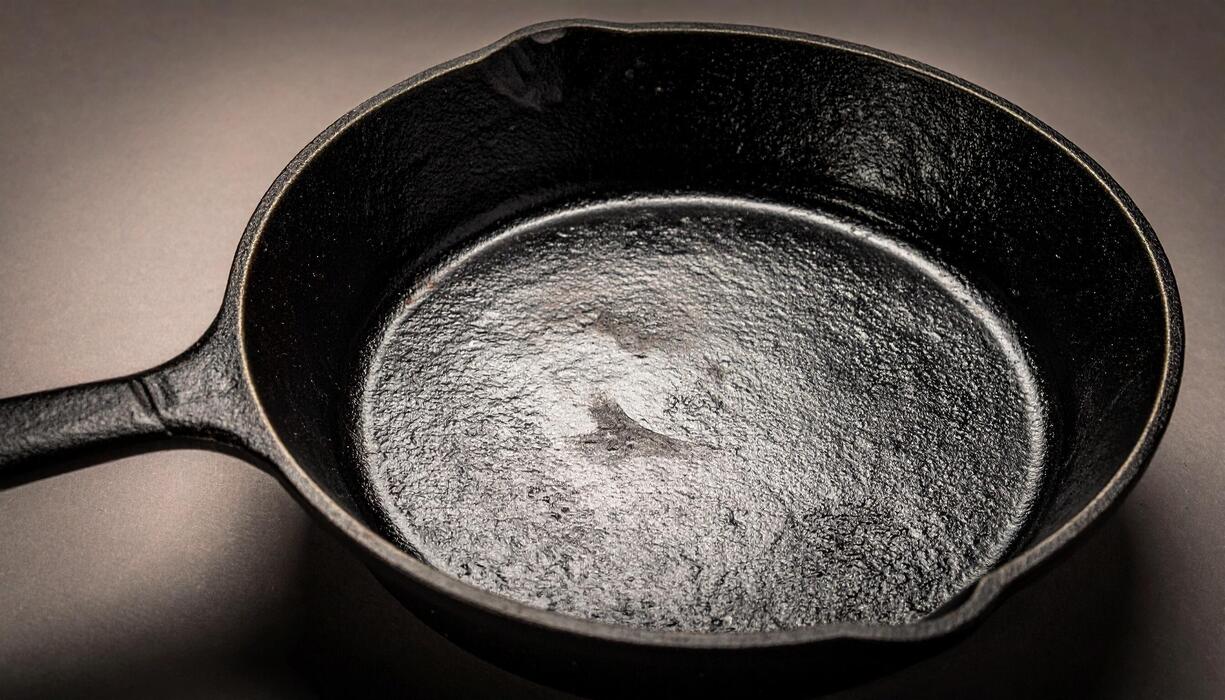
To clean rusted cast iron cookware safely, gather a few simple items before you start: warm water, mild dish soap, a nonmetal scrub brush or sponge, paper towels or a lint-free cloth, cooking oil, and access to a stovetop or oven for drying.
For heavier rust, keep fine steel wool nearby, but start with gentler tools first. A plastic scraper can help lift stuck-on debris without gouging the surface. If the pan has light surface rust, a basic scrub with warm soapy water is often enough to expose the solid iron underneath.
After washing, the most important step is to dry the pan completely right away using a towel and a few minutes of heat on the stove. Any leftover moisture can restart rust quickly.
Finish by rubbing on a thin coat of neutral oil to protect the iron until you are ready to reseason it fully.
When to use steel wool, salt, or a scrub brush
Choose your cleaning tool based on how severe the rust is. For light rust or dusty orange spots, start with a scrub brush or non-abrasive sponge and warm soapy water. This is usually enough when the rust is only on the surface and the pan still feels mostly smooth.
If the rust is more stubborn, use coarse salt with a little water or oil as a gentle abrasive; this works well for rough patches and stuck residue without being overly harsh.
Save fine steel wool for moderate to heavy rust, especially when the pan has clearly lost its seasoning or feels flaky. Use it with firm but controlled pressure, focusing only on the rusted areas until bare iron shows. After any of these methods, rinse, dry immediately, and oil the surface.
The goal is to remove rust efficiently while avoiding unnecessary wear on the pan.
Cleaning products to avoid on cast iron cookware
Avoid products that can damage bare iron, strip seasoning too aggressively, or leave harmful residues behind. Do not use oven cleaner, harsh degreasers, bleach, or strong chemical rust removers unless a product specifically says it is safe for cookware and you plan to fully restore the pan afterward.
These can penetrate the surface, create odor issues, or make the cookware unsafe if not handled properly. Skip dishwasher detergent and the dishwasher itself, since prolonged water exposure and powerful cleaners can worsen rust and strip protective oil.
Also avoid metal scouring pads that are too coarse, especially power tools or drill attachments, unless you are doing a full restoration and know how to reseason from scratch. For everyday rust cleanup, gentler options work better.
Stick with warm water, mild soap, salt, a scrub brush, and fine steel wool only when needed, then dry and oil the pan immediately.
How to Clean Light Rust Off Cast Iron Cookware
Step-by-step method for surface rust
For light rust, start with a gentle but thorough cleaning process so you remove oxidation without damaging the pan’s seasoning more than necessary. Wet the rusty area with warm water, then sprinkle on a small amount of baking soda or coarse salt to create mild abrasion.
Use a sponge, nylon scrubber, or folded paper towel to rub in small circles, focusing on orange or brown spots.
If the rust does not lift easily, add a few drops of dish soap; for a heavily neglected spot, use a little white vinegar on the scrubber, not as a long soak. Keep checking your progress instead of scrubbing blindly.
Once the rust is gone, wash the pan fully, dry it immediately, and apply a very thin layer of cooking oil over the entire surface. Finish by heating it on the stove or in the oven to help protect the bare iron from flash rust.
How much scrubbing is enough
The goal is to remove all visible rust while avoiding unnecessary grinding into healthy iron or stripping every bit of seasoning. You have scrubbed enough when the orange discoloration is gone and the surface feels mostly smooth, even if the pan looks dull, gray, or patchy afterward.
That dull appearance is normal because bare cast iron often appears matte before reseasoning. Keep your pressure firm but controlled; if a nylon scrubber is working, there is no need to jump to steel wool right away.
Use steel wool only for stubborn remaining specks, and stop once the rust is removed rather than trying to make the pan look brand new. If dark seasoning comes off during cleaning, that is acceptable with rust repair. What matters most is that no active rust remains.
After scrubbing, inspect the sides, handle, rim, and pour spouts, since small hidden spots can cause rust to return quickly if missed.
How to rinse and dry cast iron the right way
After scrubbing, rinse the cookware under warm water and wipe away every bit of loosened rust, salt, baking soda, or soap residue. Do not leave the pan sitting in water, because cast iron can flash-rust surprisingly fast once the surface is exposed.
Immediately dry it with a clean towel, then place it over low heat for several minutes so trapped moisture evaporates from the cooking surface, rim, handle joints, and any textured areas.
When the pan looks completely dry, rub on a very thin coat of neutral oil such as canola, grapeseed, or vegetable oil, covering inside, outside, and the handle. Buff away excess until the pan looks nearly dry rather than greasy.
To lock in protection, heat it until it just begins to smoke lightly on the stovetop or bake it briefly in the oven. Drying with heat and oiling right away is what prevents fresh rust from forming.
How to Remove Heavy Rust From Cast Iron
Best ways to tackle thick or stubborn rust
For heavy rust on cast iron, start with dry abrasion first so you can remove loose flakes before adding moisture. Use steel wool, a chain-mail scrubber, or coarse kosher salt with a little water and scrub in firm circles until the orange-brown layer starts lifting.
For very stubborn spots, a plastic scraper or fine-grit sandpaper can help without gouging the pan if used carefully. Wash with a small amount of mild soap and hot water, then inspect the surface.
If rust is widespread, repeat the scrub in short rounds instead of attacking it all at once. The goal is to get down to clean, dark bare iron. Once the rust is gone, dry the pan immediately and prepare to re-season it right away.
When to use vinegar and how long to soak
Use vinegar only when scrubbing alone is not enough, because vinegar dissolves rust but can also start etching bare iron if left too long. Mix equal parts white vinegar and water and soak the rusty cookware only until the rust loosens, usually 30 minutes to 2 hours depending on severity.
Check it every 15 to 20 minutes rather than leaving it unattended. As soon as the rust softens, remove the pan and scrub again with steel wool or a stiff brush. Never do an overnight soak for cast iron with heavy rust unless you are prepared for possible surface damage.
After the soak, rinse thoroughly, wash with mild soap, and dry completely at once to stop new flash rust from forming.
What to do if rust remains after scrubbing
If rust is still visible after a full scrub, do not season over it. Instead, repeat the remove-rinse-inspect cycle until only clean metal remains. For isolated patches, spot-treat them with the vinegar-water solution rather than soaking the whole pan again.
If the rust has left a rough texture, use fine steel wool or very fine sandpaper to smooth the area and expose fresh iron. Rinse, dry, and look closely under good light; any remaining orange tint means more cleaning is needed.
Flash rust can appear within minutes, so once the surface is clean, heat the pan on the stove or in a warm oven to drive off moisture. Then apply a thin coat of oil and begin the seasoning process immediately.
How to protect the pan while removing deep rust
The safest way to protect cast iron during deep-rust removal is to use the least aggressive method that works and avoid long exposure to water or acid. Scrub in stages, checking progress often, instead of grinding continuously in one area.
If you use vinegar, keep it diluted and time-limited so it removes rust without eating into the iron. After each cleaning step, rinse briefly and dry the pan completely with towels plus heat, since lingering moisture causes instant re-rusting.
Avoid harsh power tools unless the pan is severely neglected, because they can remove too much metal. Once clean, protect the surface with a very thin layer of high-smoke-point oil and bake on a fresh seasoning layer. That new seasoning is what restores the pan’s barrier against future rust.
How to Re-Season Cast Iron After Cleaning
Why seasoning matters after rust removal
After you clean rust off cast iron cookware, the pan is left with bare, highly reactive metal that can quickly rust again if it is not protected. Re-seasoning rebuilds that protection by baking a thin layer of oil onto the surface until it polymerizes into a durable coating.
This layer helps with rust prevention, easier cooking, and better food release over time. It also restores the pan after scrubbing, sanding, or using vinegar, all of which strip away old seasoning along with corrosion.
Drying the pan thoroughly before adding oil is essential because hidden moisture causes flash rust in minutes. Think of seasoning as the final repair step: cleaning removes the damage, but seasoning creates the barrier that keeps your cast iron usable and stable.
Best oil to use for re-seasoning cast iron
For re-seasoning a rusted cast iron pan, choose an oil with a moderately high smoke point and the ability to form a hard, thin baked-on layer. Good options include grapeseed oil, canola oil, vegetable oil, or avocado oil.
Many home cooks prefer grapeseed because it spreads easily and creates a smooth finish without getting sticky when used sparingly. Avoid applying too much of any oil, since excess oil leads to tacky patches, drips, and uneven seasoning.
You want the cookware to look almost dry after wiping it down, not glossy or wet. Flaxseed oil is sometimes recommended, but it can become brittle and flake for some users.
The best choice is often the oil you can apply consistently in very thin coats and heat properly in the oven.
Step-by-step oven method for a smooth finish
Once the rust is removed, wash the pan, dry it completely, and place it over low heat for a few minutes so all moisture evaporates.
Rub a small amount of oil over the entire pan, including the handle and outside, then wipe it aggressively with a clean cloth until the surface looks barely coated.
Preheat the oven to 450–500°F, place foil on the lower rack to catch drips, and set the pan upside down on the center rack. Bake for one hour, then turn the oven off and let the pan cool inside. This slow cooling helps the coating set more evenly.
If the surface looks sticky afterward, too much oil was used. A thin coat plus high heat is the key to a hard, smooth seasoning layer.
How many seasoning rounds a rusted pan may need
A lightly rusted cast iron skillet may recover well with one to two seasoning rounds, but a pan that was heavily rusted or fully stripped often needs three to six cycles to build a reliable base layer.
The goal is not to make it perfectly nonstick in one day, but to create even coverage and rust resistance so regular cooking can continue improving the finish. After each round, check for dull gray spots, orange discoloration, or sticky areas.
Dull metal usually means the pan needs another coat, while sticky spots suggest too much oil was applied. Even after several oven rounds, the seasoning will strengthen most with use, especially when cooking fatty foods and avoiding long soaks. Patience matters more than thick oil layers when restoring rusted cookware.
Tips for Keeping Cast Iron From Rusting Again
How to dry cast iron completely after washing
After removing rust and washing the pan, drying it fully is one of the most important steps to prevent new rust from forming. Start by wiping away visible water with a clean towel, paying close attention to the rim, handle, pour spouts, and the area around any helper handle.
Then place the cookware on the stovetop over low heat for 3 to 5 minutes so hidden moisture can evaporate. You want the pan warm and completely dry, not smoking hot. Let it cool slightly before handling if needed.
Avoid air-drying on the counter, since even small droplets can trigger orange spots. If you stack pieces or store them too soon, trapped moisture may cause problems, so always make sure the surface feels dry, warm, and moisture-free first.
Best ways to store cast iron cookware
Proper storage matters just as much as cleaning when you want to keep rust from returning. Store cast iron in a dry, low-humidity spot with good airflow rather than in a damp cabinet near the sink or dishwasher.
If you stack pans, place a paper towel, cloth, or pan protector between them to absorb moisture and reduce scratching. Keep lids slightly ajar or store them separately so condensation does not get trapped inside the cookware.
Before putting the pan away, make sure it has cooled and is completely dry. It also helps to avoid sealing cast iron in plastic bins or bags, which can hold humidity. For long-term storage, a very thin protective oil layer and breathable separation between pieces can make a big difference.
When to add a light coat of oil
A light coat of oil after cleaning and drying helps protect bare iron from moisture and supports the seasoning layer. The best time to apply it is right after the pan is fully dry and still slightly warm, because warmth helps the oil spread into a very thin film.
Use a small amount of neutral, high-smoke-point oil such as grapeseed, canola, or vegetable oil. Rub it over the entire surface, including the outside and handle, then wipe away as much as possible with a clean cloth or paper towel. The pan should look nearly dry, not greasy.
Too much oil can turn sticky during storage. If the cookware was heavily rusted, adding oil after each wash for a while can help rebuild protection consistently.
Simple habits that help seasoning last longer
Everyday habits make a big difference in keeping seasoning strong and rust away. Try to clean the pan soon after cooking, using hot water and a soft brush or non-abrasive scrubber before food hardens. Dry it immediately and warm it briefly on the stove so moisture cannot linger.
Avoid soaking cast iron for long periods, and do not leave cooked food in the pan overnight, especially acidic dishes like tomato-based sauces. Use a little cooking oil when making meals to gradually reinforce the surface over time.
Metal utensils are usually fine if you are not aggressively scraping, but harsh scouring and repeated dishwasher use will wear seasoning down fast. With regular drying, light oiling, and gentle cleaning, your restored cast iron stays protected much longer.
When to Restore, Reuse, or Replace Rusted Cast Iron
Signs a rusted cast iron pan can be saved
Most rusted cast iron cookware can be restored if the damage is mainly on the surface. Orange or brown rust, rough spots, and a dull finish are usually fixable with steel wool, a stiff brush, or kosher salt plus a little oil.
Wash the pan, scrub until bare iron is exposed, dry it completely, then apply a thin coat of oil and re-season it in the oven. If the cooking surface feels solid and the rust has not eaten deep holes into the metal, restoration is usually worth the effort.
Light to moderate rust does not mean the pan is ruined. In many cases, a thorough cleaning and a few rounds of seasoning will bring back a smooth, usable surface for everyday cooking.
When pitting or cracks are a bigger problem
Rust becomes more serious when it has caused deep pitting, flaking metal, warping, or visible cracks. Small surface texture changes are often manageable, but large pits can trap food and moisture, making the pan harder to clean and season evenly.
A crack, especially near the base or handle, is a strong sign the cookware should be replaced because it can worsen with heat and may become unsafe. If the bottom no longer sits flat or pieces are breaking away, reuse as cookware may not be practical.
In some cases, heavily damaged cast iron can still be kept for display, baking projects, or non-food uses, but it may not perform well on the stove. When structural damage affects safety or cooking results, replacement is the better long-term solution.
How often to maintain cast iron cookware
Regular care prevents rust from returning and makes deep cleaning less necessary. After each use, wash the pan promptly, dry it fully, and apply a very thin layer of oil while the surface is still slightly warm.
You do not need to oven-season after every meal, but you should do a full seasoning when the pan looks dry, patchy, or starts losing its nonstick feel. For frequently used cookware, a quick maintenance routine after cooking is usually enough.
If you store cast iron in a humid space, check it more often because moisture speeds up rust. Avoid soaking the pan or leaving it wet in the sink. Consistent light maintenance is the simplest way to protect the seasoning, preserve the iron, and avoid future restoration work.
Answers to common questions about rusted cast iron
A common concern is whether rusty cast iron is ruined; usually it is not. Surface rust can be scrubbed off, the pan can be dried completely, and then re-seasoned.
Another question is whether soap is safe: a small amount of mild soap is fine, especially when cleaning off old residue before restoring. People also ask if vinegar helps; it can loosen stubborn rust, but it should be used briefly and followed by immediate drying to prevent more corrosion.
If food still sticks after cleaning, the pan likely needs more seasoning layers. Do not keep cooking on active rust without removing it first, because the surface will continue to degrade. With proper cleaning, drying, and oiling, most rusted cast iron cookware can be brought back into reliable use.
Frequently Asked Questions
How do I remove rust from cast iron cookware?
Scrub the rusted areas with steel wool, a stiff brush, or fine-grit sandpaper until you reach bare metal. Wash with warm water and a small amount of mild soap if needed, then dry the pan immediately and completely.
Can badly rusted cast iron be saved?
Yes, most rusted cast iron can be restored unless the metal is deeply pitted or cracked. Even heavy surface rust usually comes off with firm scrubbing, after which the pan can be reseasoned.
Should I use soap when cleaning rust off cast iron?
A little mild dish soap is fine when removing rust because you are restoring the surface anyway. The key is to rinse quickly and dry the cookware thoroughly right after washing.
What should I do after the rust is removed?
Once the rust is gone, coat the entire cookware with a very thin layer of oil, inside and out. Bake it upside down in the oven at about 450°F for 1 hour, then let it cool to build a fresh layer of seasoning.
What oils are best for reseasoning cast iron after rust removal?
Use oils with a relatively high smoke point, such as canola, vegetable, grapeseed, or flaxseed oil. Apply only a thin coat, because excess oil can leave the surface sticky instead of smooth.
How can I prevent cast iron from rusting again?
Always dry cast iron fully after washing, and do not let it air-dry or soak in water. After drying, wipe on a light layer of oil and store it in a dry place to protect the seasoning.
Is vinegar safe for removing rust from cast iron?
Yes, a short soak in a mixture of equal parts white vinegar and water can help loosen rust. Do not leave it soaking too long, because vinegar can start eating into the iron once the rust is gone.
Conclusion
Cleaning rusted cast iron cookware is simple when you remove the rust thoroughly, dry the pan completely, and restore its protective seasoning with oil and heat. With regular care, like avoiding moisture and seasoning after use, your cookware can stay durable for years. Don’t be discouraged by rust—cast iron is made to last, and a little effort can bring your favorite pan back to life.