Comparison: How To Buy A Stove (Updated | Jul 30th)
Buying a stove is a big decision—it’s the heart of your kitchen, after all! Whether you’re upgrading, replacing, or outfitting your first home, finding the right one can feel overwhelming with so many options. Gas, electric, or induction? Slide-in or freestanding? Don’t worry—we’ve got you covered. In this guide, we’ll break down the key factors to consider, compare pros and cons, and help you choose a stove that fits your cooking style, budget, and kitchen perfectly. Let’s find your perfect match!
Key Takeaways
- Top choice offers thorough installation guidance and safety tips.
- Consider stoves with clear diagrams for easier setup.
- Evaluate both build and buy options for best fit.
Fireplaces and wood stoves: How to build
Complete Stove Guide
- Comprehensive installation guide
- Detailed safety tips
- Clear diagrams included
- BEST FOR COMPLETE STOVE GUIDE: Fireplaces and wood stoves: How to build Read More ↓
- BEST FOR COOKING EXPERT: Woodstove Cookery: At Home on the Range Read More ↓
- BEST FOR BEGINNER HANDBOOK: The New Woodburner’s Handbook (Down-To-Earth Energy Book) Read More ↓
- BEST FOR HOME MAINTENANCE: How Your House Works: A Visual Guide to Understanding and Maintaining Your Home (RSMeans) Read More ↓
Product Comparison: How To Buy A Stove
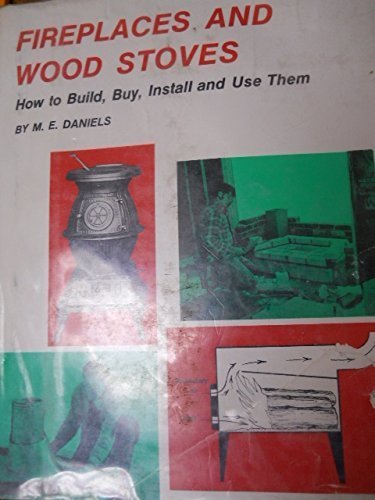
Fireplaces and wood stoves: How to build, buy, install, and use them
This comprehensive guide is a must-have for anyone looking to add a fireplace or wood stove to their home. Covering everything from construction and installation to safe usage, it provides clear, step-by-step instructions for both beginners and experienced DIYers.
The book includes detailed diagrams, helpful tips on choosing the right model, and essential safety guidelines. Whether you’re building from scratch or buying a pre-made unit, this resource ensures you make informed decisions.
It’s a practical, well-rounded manual that demystifies the process, making heating your home with wood both accessible and efficient.
✓ Reasons to Buy
- Comprehensive installation guide
- Detailed safety tips
- Clear diagrams included
- Covers building and buying
✗ Reasons Not to Buy
- Outdated models featured
- Technical for beginners
Woodstove Cookery: At Home on the Range

Discover the art of cooking on a woodstove with this charming and informative book. Perfect for those embracing a rustic lifestyle, it offers recipes and techniques tailored to woodstove cooking, from hearty stews to baked goods.
The author shares practical advice on temperature control, cookware selection, and maximizing your stove’s potential. Beyond recipes, it delves into the history and culture of woodstove cookery, making it an enjoyable read.
Whether you’re a seasoned chef or new to woodstove living, this book inspires creativity and warmth in the kitchen.
✓ Reasons to Buy
- Unique cooking techniques
- Delicious woodstove recipes
- Practical temperature tips
- Inspiring rustic lifestyle
✗ Reasons Not to Buy
- Limited modern appliances
- Niche focus only
The New Woodburner’s Handbook (Down-To-Earth Energy Book)

The New Woodburner’s Handbook is an essential guide for anyone looking to install or maintain a wood-burning stove. Packed with practical advice, it covers everything from selecting the right stove to safe installation and efficient operation.
The book explains the science of wood combustion, offering tips on maximizing heat output while minimizing smoke and creosote buildup. With clear illustrations and step-by-step instructions, it’s perfect for beginners and experienced woodburners alike.
Whether you’re heating your home or just looking for a sustainable energy source, this handbook provides all the information you need to stay warm and safe.
✓ Reasons to Buy
- Comprehensive installation guide
- Easy to follow
- Great for beginners
- Covers maintenance tips
- Sustainable energy focus
✗ Reasons Not to Buy
- Outdated illustrations
- Limited on advanced techniques
How Your House Works: A Visual Guide to Understanding and Maintaining Your Home (RSMeans)
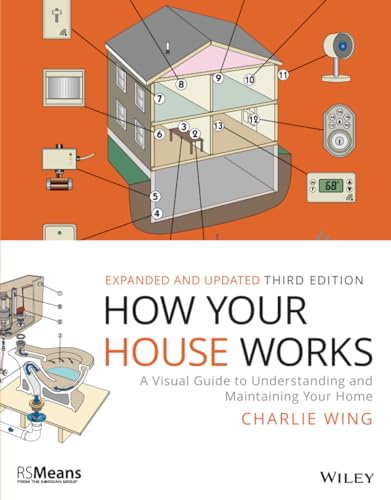
How Your House Works is a must-have visual guide for homeowners who want to understand and maintain their home systems. With detailed illustrations and straightforward explanations, it breaks down how everything from heating and cooling to plumbing and electrical systems function.
This book empowers readers to tackle basic repairs and identify potential issues before they become costly problems. Whether you’re a new homeowner or looking to improve your DIY skills, this guide provides invaluable insights into keeping your home running smoothly.
It’s an indispensable resource for anyone wanting to take control of their home’s maintenance.
✓ Reasons to Buy
- Clear visual diagrams
- Easy to understand
- Covers many systems
- Great for DIYers
- Helpful troubleshooting tips
✗ Reasons Not to Buy
- Limited depth on repairs
- Not for professionals
Product prices and availability are accurate as of the date/time indicated and are subject to change. Any price and availability information displayed on Amazon.com at the time of purchase will apply to the purchase of this product.
Buying Guide
FAQs
What should I look for when buying a stove?
Start by deciding between gas, electric, or induction based on your cooking preferences and kitchen setup. Gas offers precise heat control, while electric is easier to clean and induction heats quickly. Also, consider the size and layout to ensure it fits your space and cooking needs.
How do gas and electric stoves compare?
Gas stoves provide instant heat and visual flames, making them popular among cooks who prefer traditional methods. Electric stoves heat evenly and are often more energy-efficient, with smooth tops that are easy to wipe clean. Induction, a type of electric stove, offers the fastest heating but requires compatible cookware.
What features are most important?
Look for features like convection ovens for even baking, adjustable burners, and self-cleaning options. High-end models may include smart connectivity, dual-fuel capabilities, or extra burners for flexibility. Prioritize features that align with your cooking habits and frequency.
How do I determine the best value for my budget?
Compare the long-term costs, such as energy efficiency and maintenance, rather than just the upfront price. Higher-end models often last longer and include more durable materials, but mid-range options can offer great performance too. Read reviews to gauge reliability and user satisfaction before deciding.
Are there specific brands known for quality?
Brands like Bosch, GE, and KitchenAid are well-regarded for reliability and performance across price ranges. Luxury brands like Wolf or Viking offer premium features but come at a higher cost. Research customer feedback and warranty options to find a brand that fits your needs.
What size stove should I choose?
Most standard stoves are 30 inches wide, but compact or larger models are available for different spaces. Measure your kitchen carefully to ensure the stove fits with proper clearance on all sides. Consider your cooking volume—larger families may benefit from extra burners or oven space.
How do I maintain a stove for longevity?
Clean spills promptly to avoid buildup, especially on smooth-top electric or induction stoves. Regularly check burners, igniters, and oven seals for wear and tear. Follow the manufacturer’s guidelines for deep cleaning and servicing to keep it running efficiently.