How to Properly Store Potatoes and Onions for Maximum Freshness
You should store potatoes and onions in separate, cool, and dark locations to maximize their freshness. Many home gardeners mistakenly keep them together, which causes both vegetables to spoil prematurely due to moisture and ethylene gas. By keeping these pantry staples apart, you can significantly extend their shelf life and prevent unnecessary food waste.
Achieving long-term storage requires understanding the unique biological needs of each vegetable. While both enjoy darkness, potatoes require higher humidity to prevent shriveling, whereas onions thrive in dry, well-ventilated environments. Setting realistic expectations is key; even with ideal conditions, you must regularly inspect your harvest to remove any individual items showing early signs of decay.
This guide explains the science behind proper produce storage and how to prepare your harvest for maximum longevity. We will cover the specific environmental factors required for success and provide practical tips for organizing your pantry. Follow these expert techniques to keep your homegrown vegetables fresh and delicious for months, ensuring your hard work in the garden pays off.
Why Potatoes and Onions Should Never Be Stored Together
If you want to keep your pantry staples fresh for as long as possible, the golden rule of root vegetable storage is simple: keep them apart. While potatoes and onions are often used together in recipes, storing them side-by-side in your kitchen is a recipe for premature spoilage.
The primary reason for this separation is a chemical reaction caused by ethylene gas. Onions naturally release this gas as they age. Ethylene acts as a potent ripening agent, which signals nearby produce to accelerate their maturation process. When potatoes are exposed to this gas, they begin to sprout, wrinkle, and soften much faster than they would if stored in isolation.
The problem is reciprocal. Potatoes have a high moisture content and release humidity into the air as they breathe. Onions are highly sensitive to moisture; when they are exposed to the damp environment created by potatoes, they become prone to soft rot and mold. This cross-contamination effectively shortens the shelf life of both vegetables significantly.
To maximize the longevity of your produce, follow these storage guidelines:
- Designate separate zones: Store potatoes in a cool, dark, and well-ventilated location, such as a pantry or a dedicated vegetable bin.
- Prioritize airflow: Keep onions in a dry, dark place with excellent air circulation, such as a wire basket or a mesh bag.
- Avoid plastic: Never store either vegetable in sealed plastic bags, as this traps moisture and encourages rapid decay.
- Check regularly: Even with proper separation, inspect your stash weekly. Remove any individual potato or onion that shows signs of soft spots or sprouting to prevent it from affecting the rest of the batch.
By keeping these two items in entirely different locations, you create an environment that slows down the natural aging process. This simple adjustment will help you reduce food waste and ensure your ingredients remain firm and flavorful until you are ready to cook with them.
Best Practices for Storing Potatoes
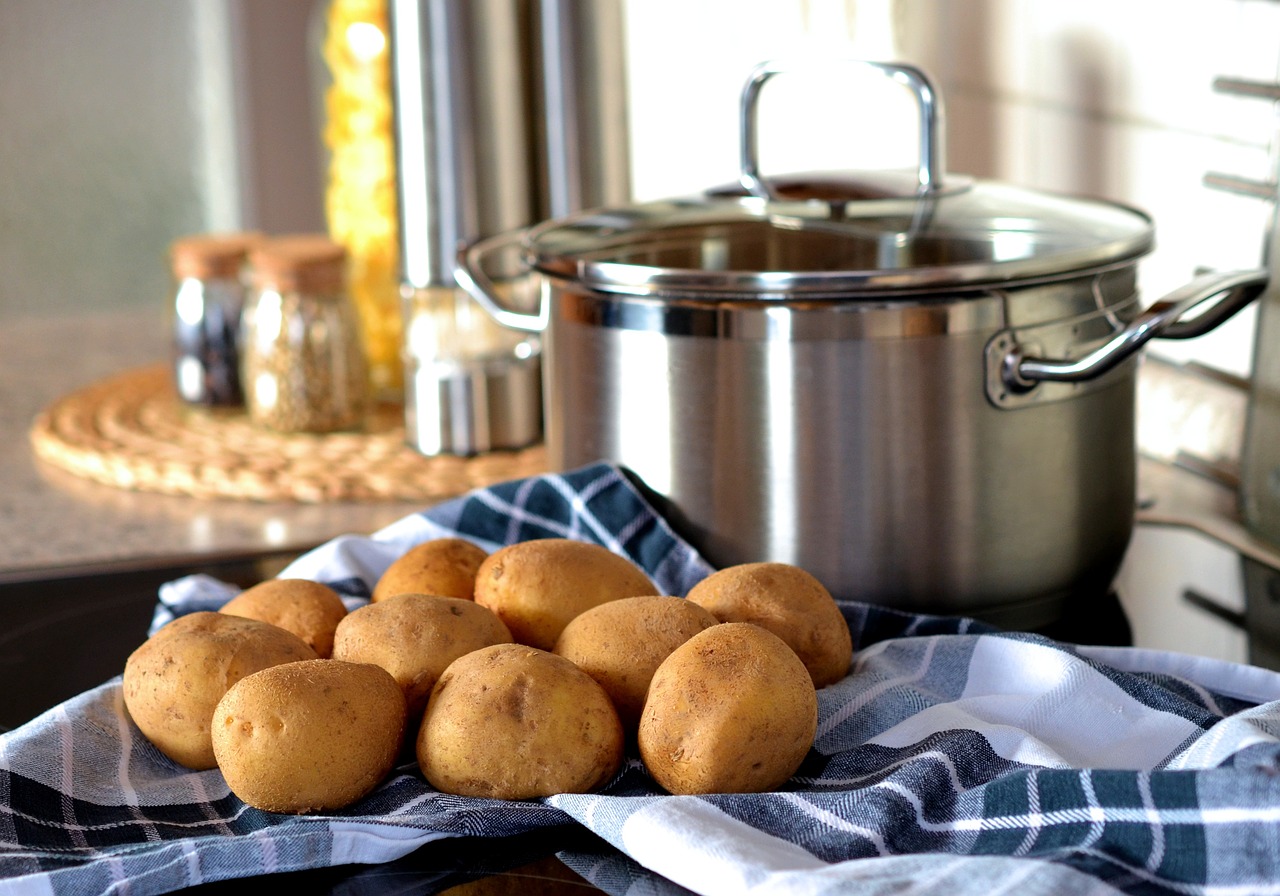
Proper storage is essential to extend the shelf life of your potatoes and maintain their nutritional quality. To keep them fresh for months, you must replicate the conditions of a root cellar: cool, dark, and well-ventilated.
The ideal temperature range for potato storage is between 45 and 50 degrees Fahrenheit. A basement, garage, or a cool pantry typically provides this environment. If the temperature is too warm, potatoes will sprout prematurely; if it is too cold, the starch inside the potato converts into sugar, which negatively impacts both texture and flavor.
For the best results, follow these storage guidelines:
- Ensure proper airflow: Store potatoes in a perforated basket, a mesh bag, or a cardboard box with holes. Never store them in sealed plastic bags, as trapped moisture leads to rapid rot and decay.
- Block out light: Keep potatoes in complete darkness. Exposure to light triggers the production of chlorophyll, which turns the skin green. This greening is often accompanied by the development of solanine, a bitter-tasting compound that can be toxic if consumed in large quantities.
- Avoid the refrigerator: Never store raw potatoes in the fridge. The cold environment causes the starches to break down into sugars, resulting in a gritty texture and a sweet, unpleasant taste when cooked.
- Keep them separate: Do not store potatoes near onions. Onions release ethylene gas, which accelerates the sprouting process in potatoes, causing both vegetables to spoil much faster than they would individually.
Before putting your potatoes away, inspect each one carefully. Remove any specimens that are soft, shriveled, or show signs of mold. A single decaying potato can quickly affect the others in the batch, so it is best to use damaged potatoes immediately. By keeping them dry, dark, and cool, you ensure your harvest remains firm and delicious for your next meal.
How to Keep Onions Firm and Flavorful
To keep onions firm and flavorful for months, you must prioritize ventilation. Onions require a cool, dry, and dark environment to remain dormant. If you trap them in airtight containers or plastic bags, moisture will accumulate, leading to premature sprouting or soft, rotting spots.
The best storage containers are those that promote maximum airflow. Consider using these options:
- Mesh bags: These allow air to circulate freely around the bulbs.
- Wire baskets: These keep onions elevated and separated, preventing weight-related bruising.
- Clean pantyhose: A clever trick for long-term storage; place an onion in the leg, tie a knot, and add another, creating a hanging chain that keeps bulbs separated and aerated.
Location is equally critical. Avoid storing your onions under the kitchen sink or near damp appliances, as humidity is the enemy of shelf life. A pantry, a dry basement, or a cool cupboard away from direct sunlight is ideal. Furthermore, never store onions near potatoes; potatoes release moisture and ethylene gas, which can cause your onions to spoil much faster than they would on their own.
If you have harvested onions from your own garden, proper preparation is essential before storage. You must allow the onions to “cure” in a warm, dry place for several days until the outer skins are papery and the roots are brittle. When trimming the tops, use sharp, sanitized garden shears to ensure a clean cut that doesn’t crush the neck of the bulb. Always wear gardening gloves during this process to protect your hands from sharp debris, grit, or sticky sap.
Finally, perform a quick inspection every few weeks. If you notice a single onion becoming soft or showing signs of mold, remove it immediately. One decaying bulb can quickly compromise the quality of the entire batch by spreading moisture and bacteria to its neighbors.
Preparing Your Harvest for Long-Term Storage
Before moving your harvest into long-term storage, you must properly cure your produce. Curing is the essential process of toughening the outer layers of vegetables to prevent rot and extend shelf life. If you skip this step, excess moisture will lead to rapid decay, regardless of how cool or dark your storage area is.
For onions, the goal is to dry the outer layers until they become papery and the necks close tightly. Follow these steps to ensure they are ready:
- Spread onions in a single layer in a shaded, well-ventilated area, such as a porch or a shed.
- Keep them out of direct sunlight to prevent sunscald.
- Allow them to cure for two to four weeks until the roots are brittle and the outer skins are dry and rustling.
Potatoes require a slightly different approach. After harvesting, place them in a dark, well-ventilated room for several days. This brief period allows the skins to “set” or thicken, which protects the inner flesh from bruising and disease during storage. Avoid exposing potatoes to light during this time, as any greening indicates the production of solanine, which can make the tubers bitter and toxic.
Regardless of the crop, hygiene is critical. Never wash your potatoes or onions with water before storage. Moisture is the primary enemy of shelf-stable produce and will trigger fungal growth almost immediately. Instead, use a soft-bristled brush or a dry cloth to gently remove excess garden soil.
Handle your harvest with care, as nicks and cuts provide entry points for bacteria. If you accidentally damage a vegetable during harvest, set it aside to use immediately rather than placing it in long-term storage. By taking the time to cure and clean your produce properly, you create a protective barrier that keeps your harvest fresh and flavorful for months to come.
Troubleshooting Common Storage Issues
Even with the best storage practices, issues can arise. Regularly inspect your stash for signs of spoilage, such as soft spots, mold, or strong, musty odors. Because one decaying vegetable releases gases that accelerate the ripening and rotting of its neighbors, a single bad potato or onion can quickly ruin your entire supply.
When inspecting your produce, keep these safety and maintenance tips in mind:
- Discard green potatoes: If a potato has turned green, it indicates the presence of solanine, a toxin that develops due to light exposure. Do not attempt to cut away the green areas; it is safer to discard the entire potato.
- Monitor humidity: If your pantry feels damp, your vegetables will likely rot prematurely. Aim for a cool, dry environment. If you cannot improve the conditions naturally, consider using a small dehumidifier to reach the ideal humidity level.
- Check for pests: If you find your vegetables consistently rotting despite following proper storage protocols, inspect your storage area for pests. Small rodents or insects can cause damage that leads to rapid decay.
- Assess ventilation: Poor airflow is a leading cause of moisture buildup. If your storage space is enclosed, ensure there is adequate circulation. If the rot persists, you may need to make structural improvements to the storage area or relocate your produce to a more suitable location.
Consistency is key to extending the shelf life of your harvest. Make it a habit to rotate your stock, using the oldest items first, and perform a quick visual check at least once a week. By catching a single soft onion or a sprouting potato early, you prevent the spread of decay and ensure your stored food remains safe and edible for as long as possible. If you continue to experience widespread spoilage despite these interventions, it may be time to consult with a professional to address underlying issues with your home’s humidity or ventilation systems.
