How Long Does Unopened White Wine Last
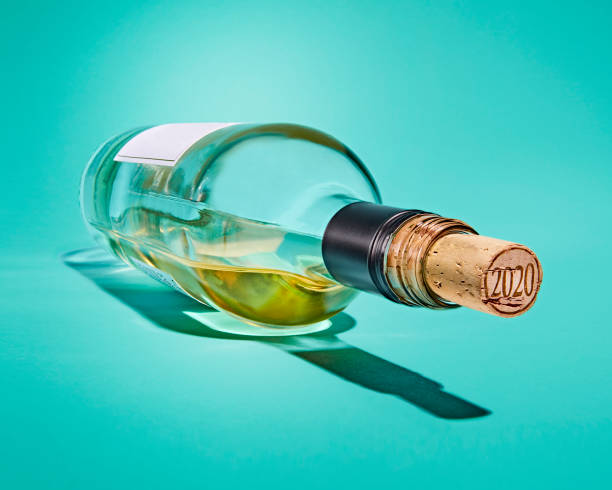
Wondering how long does unopened white wine last? You’re not alone—many wine lovers want to know how long they can stash a bottle before it’s past its prime. Good news: most unopened white wines stay fresh for 1 to 3 years past the vintage date, with some high-acid varieties lasting even longer. In this article, we’ll break down shelf life by type, storage tips to maximize freshness, and how to spot when it’s time to pour it out—so you can enjoy every glass at its best.
How Long Does Unopened White Wine Last?
Typical Shelf Life of Unopened White Wine
Unopened white wine typically lasts 3 to 5 years from the bottling date when stored properly. Most white wines are meant to be consumed young, within 1 to 3 years, to enjoy their fresh, fruity, and crisp characteristics.
High-quality whites like Riesling or Chardonnay can age longer, up to 5 years or more, developing complex flavors over time. Always check the vintage date on the bottle to estimate its age. Wines without a vintage (non-vintage) are usually best within 2 to 3 years of purchase.
Proper storage—in a cool, dark place with consistent temperature and humidity—helps preserve the wine’s quality. While white wine doesn’t spoil quickly, its flavor diminishes over time, so drinking it within the recommended window ensures optimal taste.
Factors That Affect Wine Longevity
Several key factors influence how long unopened white wine lasts. Storage conditions are critical—temperature fluctuations, exposure to light, and humidity levels can accelerate aging or cause spoilage. Ideally, wine should be stored at 55°F (13°C) in a dark, vibration-free environment.
The type of closure also matters; screw caps and synthetic corks offer better oxygen barrier than natural corks, reducing oxidation risk. Wine composition plays a role too—higher acidity and sugar content, as in dessert wines, enhance longevity.
Bottle size affects aging speed; smaller bottles age faster due to higher oxygen-to-wine ratio. Vibration and movement can disturb sediments and degrade quality. Controlling these variables helps extend the shelf life and preserve the wine’s intended flavor profile for as long as possible.
When Does White Wine Go Bad?
White wine doesn’t typically ‘go bad’ in the sense of becoming unsafe, but it loses quality and flavor over time. Most unopened white wines begin to degrade in taste after 3 to 5 years, especially if not stored correctly.
Light, fruity whites like Pinot Grigio or Sauvignon Blanc are best consumed within 1 to 2 years, as they rely on freshness. Even with a sealed cork, slow oxidation occurs, leading to flattened flavors and browning.
High-acid or sweet wines like Sauternes or late-harvest Riesling can age longer—up to 10–20 years—due to natural preservatives. After the peak aging window, the wine may still be drinkable but will lack vibrancy. Consuming wine past its prime won’t harm you, but it may disappoint in taste.
Knowing the wine’s style and vintage helps determine its ideal drinking window.
Signs Your Unopened White Wine Has Spoiled
Even unopened, white wine can spoil over time. Visual clues include a brownish or deep golden hue, indicating oxidation. Check the cork—if it’s pushed out slightly or stained, heat damage or leakage may have occurred. Sediment or cloudiness inside the bottle suggests microbial activity or protein breakdown.
When opening, a hiss or fizz in a non-sparkling wine signals fermentation or spoilage. Smell the wine—off odors like vinegar, wet cardboard, or mustiness indicate oxidation or cork taint. While the wine may still be safe, these signs mean the flavor is compromised.
A flat, dull, or sour taste confirms spoilage. If any of these signs are present, it’s best to discard the wine. Proper storage and timely consumption help avoid these issues and preserve quality.
What Types of White Wine Last the Longest?
Longevity of Chardonnay
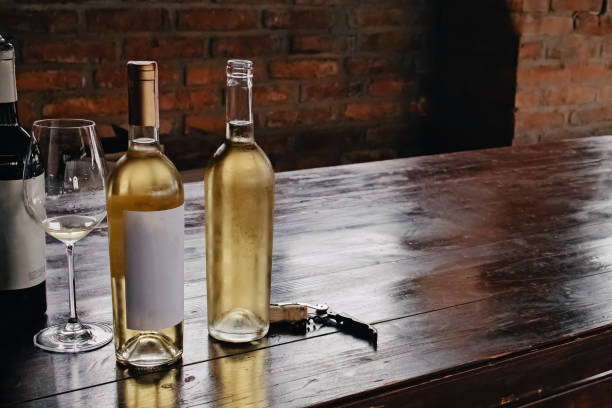
Chardonnay is one of the most age-worthy white wines, especially when oaked. High acidity, alcohol content, and tannin-like structure from oak aging contribute to its extended shelf life.
Unopened bottles of quality Chardonnay can last 3 to 5 years, and premium versions may age gracefully for 7 years or more when stored properly. Store bottles horizontally in a cool, dark place with consistent temperature (ideally 55°F) and humidity around 70%. Avoid temperature fluctuations and direct sunlight.
Full-bodied, oaked Chardonnays age better than lighter, unoaked styles. Always check the vintage and producer recommendations, as not all Chardonnays are meant for long-term aging. When aged correctly, Chardonnay develops complex flavors of honey, nuttiness, and toast.
How Long Does Sauvignon Blanc Last?
Sauvignon Blanc is best enjoyed within 1 to 2 years of bottling, as it thrives on its vibrant acidity and fresh, zesty character. Prolonged storage can dull its signature citrus and herbal notes, diminishing its appeal.
Unopened bottles should be stored in a cool, dark place with stable temperatures to preserve quality. While most Sauvignon Blancs aren’t meant for aging, a few high-quality, high-acid versions from regions like Sancerre or Bordeaux’s Pessac-Léognan may last up to 3 years.
However, even these are typically past their peak after this time. Consume young for the best experience—look for crisp flavors of lime, gooseberry, and fresh-cut grass. If the wine appears cloudy or smells off, it’s likely degraded and should be discarded.
Riesling and Sweet White Wines Shelf Life
Riesling, particularly sweet or late-harvest styles, has exceptional aging potential due to high acidity and sugar content, which act as natural preservatives. Unopened bottles of quality German Riesling, Trockenbeerenauslese, or other dessert whites can last 10 to 20 years or more under ideal conditions.
Acidity balances sweetness over time, allowing the wine to evolve complex flavors of honey, petrol, dried fruit, and spice. Store bottles horizontally in a dark, cool cellar with minimal temperature fluctuations. Dry Rieslings are best consumed within 3 to 5 years, while sweet versions benefit from extended aging.
Always check the vintage and producer notes—some Rieslings improve dramatically over decades. Properly aged sweet whites offer a luxurious, harmonious drinking experience.
Sparkling White Wines: Storage Duration
Unopened sparkling white wines, including Champagne, Prosecco, and Cava, have varying shelf lives based on production method and quality. Non-vintage sparkling wines last 3 to 4 years, while vintage Champagnes can age 5 to 10 years.
The pressure and acidity help preserve freshness, but prolonged storage may lead to loss of effervescence or muted aromas. Store bottles horizontally in a cool, dark place to keep the cork moist and prevent oxidation.
Prosecco, made using the tank method, is best consumed within 2 years—it’s crafted for immediate enjoyment. Traditional method sparklers age better due to secondary fermentation in the bottle. Avoid shaking and temperature swings. If the cork appears damaged or the wine looks discolored, it may be compromised.
For peak quality, drink sparkling wines within their recommended window.
Best Ways to Store Unopened White Wine
Ideal Temperature for Wine Storage
Maintaining a consistent temperature is crucial for preserving unopened white wine. The ideal range is between 45°F and 55°F (7°C to 13°C), with 50°F (10°C) being optimal.
Fluctuations in temperature can cause the wine to expand and contract, potentially pushing the cork out slightly and allowing oxygen to enter, which leads to spoilage. Avoid storing wine in areas like the kitchen or near appliances that generate heat.
A wine fridge or dedicated cellar provides the most stable environment. If those aren’t available, choose the coolest, darkest part of your home. Avoid freezing temperatures, as they can damage the wine’s structure and push the cork out.
Consistent, cool temperatures help white wine last up to 1–3 years, depending on the type.
Why Light and Humidity Matter
Exposure to ultraviolet (UV) light can degrade white wine by triggering chemical reactions that produce unpleasant flavors, often described as ‘wet cardboard’ or ‘wet wool’—a condition known as lightstrike. To prevent this, store bottles in dark places or use UV-protected wine storage units.
Humidity levels between 50% and 80% are ideal, especially for long-term storage. Too little humidity can dry out corks, leading to oxidation, while too much may damage labels but is less harmful to the wine itself.
For white wine, which is typically consumed within a few years, humidity is less critical than for aging reds, but maintaining moderate humidity still helps preserve cork integrity. Use a hygrometer to monitor levels, and consider a climate-controlled space if storing beyond a year.
Storing Wine Bottles Upright vs. On Their Side
For short-term storage (under 6 months), keeping unopened white wine bottles upright is perfectly fine and helps reduce oxidation by minimizing the wine’s contact with the cork. Unlike red wines aged for years, white wines are not typically stored long enough for corks to dry out.
However, if you plan to keep white wine for over a year, storing bottles on their side can help keep the cork moist and maintain a tight seal. The key is avoiding prolonged upright storage for extended aging.
Most commercially purchased white wines are meant to be consumed within 1–3 years, so upright storage in a cool, dark place is usually sufficient. Just ensure the storage area is stable and free from vibration or temperature swings to preserve freshness and flavor.
Avoiding Vibration and Strong Odors
Constant vibration can disturb the sediment and accelerate chemical reactions in wine, even in unopened bottles, potentially degrading quality over time. Avoid storing white wine near appliances like washing machines, refrigerators, or loud speakers. A quiet, stable location—such as a closet or basement corner—helps maintain wine integrity.
Additionally, wine corks are slightly porous and can absorb strong odors from surrounding environments, leading to off-flavors. Never store wine near cleaning supplies, paint, or pungent foods. Choose a neutral, odor-free space to preserve the wine’s original aroma and taste.
While white wine is less sensitive than aging reds, protecting it from movement and smells ensures it remains fresh and enjoyable when opened, especially within its optimal 1–3 year window.
How to Check If Unopened White Wine Is Still Good
Inspecting the Bottle Seal
Start by examining the bottle’s seal to ensure it’s intact and undamaged. A compromised seal—such as a cracked, loose, or bulging closure—can indicate exposure to air or heat, which may spoil the wine.
Screw caps should be tight and free of corrosion, while cork-finished bottles should have no signs of leakage around the capsule. If the bottle has been stored upright for a long time, check that the seal hasn’t dried out, as this can allow oxygen in.
Proper storage conditions, like a cool, dark, and humid environment, help preserve the seal. If the seal appears faulty, the wine may still be safe to drink, but its quality could be diminished. Use this inspection as your first clue before proceeding to further checks.
Looking for Discoloration or Sediment
Hold the bottle up to a light source and look for changes in color or visible particles. Unopened white wine that has aged too long may turn deep golden or even brownish, signaling oxidation. While some aging is natural, excessive darkening often means the wine has passed its prime.
Sediment is uncommon in white wines, so its presence may indicate spoilage or instability. However, tiny crystalline deposits (wine diamonds) are harmless and form naturally in cold-stored wines. Avoid wines with cloudiness or floating debris, as these suggest microbial contamination.
If the wine appears clear and maintains a bright straw to light gold hue, it’s likely still good. This visual check helps assess quality before opening.
Checking the Cork Condition
If the bottle uses a natural cork, inspect it for signs of damage or seepage. A healthy cork should be moist but not soaked, and it should sit flush with or slightly below the rim of the bottle.
A protruding or crumbly cork may indicate improper storage—especially if the bottle was kept in dry or hot conditions—leading to oxidation. Wine stains on the capsule or outside of the cork suggest leakage, which compromises the wine’s integrity.
If the cork smells musty or moldy when removed, the wine may be tainted. However, a firm, damp, and intact cork increases the likelihood that the wine has been well-preserved. This step is crucial for assessing long-term storage success.
Smelling the Wine After Opening
Once opened, immediately smell the wine before tasting. Fresh white wine should have vibrant aromas of fruit, flowers, or citrus, depending on the varietal. If you detect off-putting odors like wet cardboard, vinegar, or rotten eggs, the wine is likely spoiled due to oxidation, cork taint (TCA), or bacterial contamination.
A flat or dull aroma may suggest the wine has faded with age. However, a slight reductive note (like burnt match) can dissipate with aeration and isn’t necessarily a flaw. Trust your nose—if something smells wrong, it’s best not to drink it.
This final check confirms whether the wine has maintained its quality despite long storage.
Tips for Extending the Life of Unopened White Wine
Using a Wine Fridge for Long-Term Storage
A wine fridge is one of the best investments for preserving unopened white wine. Unlike regular refrigerators, wine fridges maintain a consistent temperature (ideally between 45°F and 55°F) and proper humidity levels, which prevent corks from drying out and air from seeping in.
Fluctuations in temperature can cause the wine to expand and contract, leading to oxidation and spoilage. Stable cooling also slows down chemical reactions that degrade wine quality over time. For white wines meant to be consumed within 1–3 years, a wine fridge ensures freshness and flavor integrity.
Additionally, these units often feature vibration reduction, minimizing disturbances that can disrupt sediment and aging processes. By creating an optimal storage environment, a wine fridge can help white wine last closer to its maximum shelf life.
Keeping Wine Away from Heat Sources
Exposure to heat sources like stoves, radiators, or direct sunlight can drastically shorten the lifespan of unopened white wine. High temperatures accelerate the aging process, causing wine to lose its crispness and develop off-flavors. Sustained heat above 70°F can even ‘cook’ the wine, resulting in flat, dull characteristics.
Always store bottles in a cool, dark place such as a basement or interior closet. Avoid garages or attics, where temperatures fluctuate widely. Even brief exposure to heat during transport or storage can degrade quality. By maintaining a stable, cool environment, you preserve the wine’s acidity, aroma, and balance.
This simple step ensures your white wine remains fresh and enjoyable well beyond its bottling date, maximizing both taste and longevity.
Labeling Bottles with Purchase Dates
Labeling unopened white wine bottles with their purchase or bottling dates is a simple yet effective way to track freshness. Most white wines are best consumed within 1 to 3 years, though some high-acid or sweet varieties can last up to 5 years.
Without a date reference, it’s easy to lose track and accidentally drink oxidized or flat wine. Use waterproof labels or markers to note the date clearly on the bottle or its packaging. This practice promotes first-in, first-out (FIFO) rotation, ensuring older bottles are used first.
It also helps you identify which wines are approaching their peak or expiration. Over time, this habit improves inventory management and prevents waste, letting you enjoy every bottle at its best.
Rotating Your Wine Stock Regularly
Regularly rotating your wine stock ensures that older bottles are consumed before their quality declines. First in, first out (FIFO) is a key principle: newer purchases go to the back, while older ones are moved to the front for use.
This prevents bottles from being forgotten and sitting too long, especially important for white wines that don’t benefit from decades of aging. Check your collection every few months to assess freshness and drinkability. Rotating also helps you identify storage issues early, such as heat damage or cork failure.
By staying proactive, you maintain a fresh, enjoyable selection and make the most of your investment. This habit extends the effective life of your wine by aligning consumption with optimal drinking windows.
Common Myths About White Wine Shelf Life
Myth: All White Wines Improve With Age
Not all white wines benefit from aging—most are meant to be consumed within 1–3 years of production. Only a select few, like high-quality Rieslings, aged whites, or dessert wines, improve over time due to their high acidity or sugar content.
The majority of everyday white wines peak in freshness and flavor within a year and begin to deteriorate afterward, losing their vibrant aromas and crispness. Storing them longer won’t enhance quality and may result in flat, oxidized wine.
Always check the vintage date and producer recommendations—if none are provided, assume the wine is best enjoyed young. For optimal taste, consume non-vintage whites within 2 years and vintage whites within 3, unless specifically designed for aging.
Myth: Unopened Wine Lasts Forever
An unopened bottle doesn’t guarantee indefinite freshness—white wine has a finite shelf life even when sealed. While proper storage can extend it, most unopened white wines remain at their best for 1–3 years.
Beyond that, chemical changes occur: oxygen seeping through the cork degrades aromas and flavors, leading to dullness or spoilage. Light, heat, and fluctuating temperatures accelerate this decline. Even in ideal conditions, the wine’s fruit characteristics fade over time.
The ‘drink by’ date or vintage year is a critical guide—if absent, assume a 2-year window. Don’t assume longevity equals quality; drinking within the recommended timeframe ensures peak enjoyment. Always store upright in a cool, dark place to preserve integrity.
Myth: Refrigeration Always Extends Shelf Life
While refrigeration slows oxidation, it’s not a universal solution for long-term white wine storage. Short-term chilling (weeks to months) preserves freshness for early-drinking wines, but prolonged refrigeration of unopened bottles can dry out corks, especially in low-humidity fridge environments. This increases the risk of air exposure and spoilage.
Ideal long-term storage requires stable temperature (55°F/13°C), humidity (70%), and darkness—conditions most home fridges don’t provide. Refrigeration is best reserved for bottles you plan to open within a few months. For extended aging, a wine cellar or climate-controlled space is superior.
Use your fridge for final storage before drinking, not as a permanent solution, to maintain cork integrity and wine quality over time.
Myth: Organic Wines Don’t Last as Long
While organic wines often contain fewer sulfites—preservatives that inhibit oxidation—this doesn’t automatically mean they spoil faster. Many modern organic producers use careful winemaking techniques and alternative preservation methods to maintain stability. The shelf life of organic white wine still typically ranges from 1–3 years when unopened, similar to conventional counterparts.
Proper storage is even more critical for organic wines due to lower intervention. Factors like acidity, sugar, and closure type (e.g., screw caps) also influence longevity. Don’t dismiss organic wines for aging potential—some high-acid organic Rieslings or skin-contact whites can age gracefully.
Always check the producer’s guidance and store with care, regardless of organic status, to maximize shelf life and flavor.
What to Do With Expired or Old White Wine
Cooking With Old White Wine
Using expired but unspoiled white wine in cooking is a smart way to add depth and acidity to dishes. Even if the wine is past its prime for drinking, it can still enhance sauces, risottos, and poached seafood.
Avoid using wine that smells vinegary or musty, as it can ruin your dish. Instead, opt for bottles that simply taste flat or less vibrant. Always add wine early in the cooking process to allow alcohol to evaporate and flavors to meld.
Dry white wines like Sauvignon Blanc or Pinot Grigio work best. This method not only reduces waste but also maximizes flavor in savory recipes. Store opened wine in the fridge for up to a week before using it in cooking.
Making Wine Vinegar at Home
Turn old white wine into homemade vinegar with minimal effort and common kitchen supplies. If your wine has begun to sour but isn’t moldy, it’s ideal for fermentation.
Pour the wine into a clean jar, leave it uncovered but covered with a cloth to keep out debris, and store it in a warm, dark place. Over 2–6 weeks, natural acetobacteria will convert the alcohol into acetic acid. Adding a ‘mother of vinegar’ speeds up the process.
Stir occasionally and taste until the desired tang is reached. Once ready, strain and store in a sealed bottle. This artisanal vinegar is perfect for salad dressings and marinades, offering a personalized touch to your cooking while reducing waste.
Using Wine in Marinades and Sauces
Old white wine can enhance marinades and pan sauces by tenderizing proteins and adding complex flavor. The acidity in slightly oxidized wine helps break down meat fibers, making chicken, fish, or pork more tender. Use unspoiled wine in place of vinegar or broth in recipes for a nuanced taste.
Combine with herbs, garlic, and olive oil for a robust marinade, letting ingredients soak for 30 minutes to 2 hours. In sauces, simmer wine to reduce and concentrate flavor before adding cream or stock. Avoid wines with off-putting odors.
This approach not only rescues aging wine but also elevates everyday meals with restaurant-quality depth, turning potential waste into culinary advantage.
When to Safely Discard Old Wine
Knowing when to discard old white wine prevents food waste and ensures safety. Unopened white wine typically lasts 1–3 years past the vintage date, depending on the type—aromatic varieties degrade faster than full-bodied ones.
If the bottle shows signs of leakage, a pushed-out cork, or cloudy, fizzy liquid (in non-sparkling wine), discard it immediately. A sharp vinegar smell or mold presence indicates spoilage. While drinking slightly off wine isn’t dangerous, it can taste unpleasant.
When in doubt, pour a small amount and smell it—if it’s not rancid, it may still be usable for cooking. Otherwise, dispose of it responsibly to avoid ruining meals or risking discomfort.
Frequently Asked Questions
How long does unopened white wine last?
Unopened white wine typically lasts 1 to 3 years from the date of production. Most white wines are best consumed within 2 years for optimal flavor, although higher-quality whites like oaked Chardonnay can age well for up to 3 years or more.
Does unopened white wine go bad?
Yes, unopened white wine can go bad over time, especially if stored improperly. While it may remain safe to drink past its prime, the flavor will degrade, becoming flat or overly acidic.
What factors affect the shelf life of unopened white wine?
Storage conditions like temperature, light, and humidity significantly impact shelf life. White wine should be stored in a cool, dark place, ideally at around 55°F (13°C), and laid on its side to keep the cork moist.
Can you drink white wine after the ‘best by’ date?
Yes, you can often drink white wine after the ‘best by’ date, provided it has been stored properly. The date indicates peak quality, not safety, so the wine may still be safe but less flavorful.
How can you tell if unopened white wine has gone bad?
Check for a pushed-out cork, discolored wine (deep yellow or brown), or a vinegar-like smell once opened. These signs indicate oxidation or spoilage, and the wine should not be consumed.
Should unopened white wine be refrigerated?
Unopened white wine should not be stored in the refrigerator long-term. Instead, keep it in a cool, dark place. Refrigerate only 1–2 days before serving to chill it properly.
Conclusion
Unopened white wine typically lasts 1 to 3 years past its vintage date when stored properly in a cool, dark place. Lighter whites should be consumed within 1–2 years, while fuller-bodied varieties may age slightly longer. Always check for signs of spoilage before drinking. By understanding storage conditions and wine types, you can enjoy your white wine at its best. Cheers to preserving quality and savoring every glass!


