
How Long Does Uncorked Wine Last
Wondering how long your uncorked wine lasts before it goes bad? You’re not alone—once that cork’s out, the clock starts ticking. The good news? Most wines stay fresh for 3 to 5 days if stored properly. In this article, we’ll break down exactly how long different types of wine last after opening, plus simple storage tips to keep your favorite bottles tasting great. Whether it’s red, white, or rosé, you’ll know just how to make every glass count.
How Long Does Uncorked Wine Last After Opening
Red Wine Shelf Life After Opening
Most red wines last 3 to 5 days after opening if stored properly. The key to extending freshness is minimizing exposure to oxygen, which causes oxidation and degrades flavor.
Always re-cork the bottle or use a wine stopper and store it in a cool, dark place—ideally a refrigerator, despite common misconceptions.
Lighter reds like Pinot Noir are more delicate and may only last 2 to 3 days, while full-bodied varieties such as Cabernet Sauvignon or Syrah can remain enjoyable for up to 5 days. Using a vacuum pump or inert gas preserver can help displace oxygen and prolong shelf life.
Avoid leaving opened red wine at room temperature for more than a day, as heat accelerates spoilage. Taste the wine before serving; if it smells vinegary or flat, it’s past its prime. Proper storage ensures you enjoy the wine’s intended aroma and complexity for several days.
White Wine Shelf Life After Opening
Opened white wine typically stays fresh for 3 to 7 days when stored correctly. Because whites are more sensitive to oxidation and temperature fluctuations, refrigeration is essential after opening. Always reseal the bottle with a cork or stopper to limit air exposure.
Light, crisp whites like Sauvignon Blanc or Pinot Grigio maintain their freshness for about 5 to 6 days, while sweeter varieties such as Riesling can last up to a week due to their higher acidity and sugar content, which act as natural preservatives.
Avoid storing opened white wine on the counter, even for a few hours, as warmth degrades quality quickly. For maximum longevity, consider using wine preservation tools like argon gas sprays. Before drinking, check for off aromas or a dull taste—signs the wine has spoiled.
With proper care, your white wine can remain vibrant and enjoyable for several days after uncorking.
Rosé and Sparkling Wine Storage Times
Rosé and sparkling wines have shorter shelf lives after opening due to their delicate profiles and, in the case of sparkling wines, loss of carbonation.
An opened bottle of rosé lasts 3 to 5 days in the refrigerator when tightly re-corked, with lighter styles best consumed within 3 days to preserve freshness and fruitiness. Sparkling wines, including Champagne, Prosecco, and Cava, should be enjoyed within 1 to 3 days after opening.
To maintain bubbles, use a specialized sparkling wine stopper designed for pressure retention. Without it, carbonation dissipates rapidly, leaving flat, unappealing wine. Refrigeration is non-negotiable for both types. While flat sparkling wine isn’t harmful, its effervescence and aromatic lift diminish quickly.
For best results, consume sparkling wine the same day it’s opened. Rosé, though more stable, loses vibrancy over time—so drink it promptly. Proper tools and prompt storage make a noticeable difference in preserving quality.
Factors That Affect Wine Spoilage
Exposure to Oxygen and Oxidation
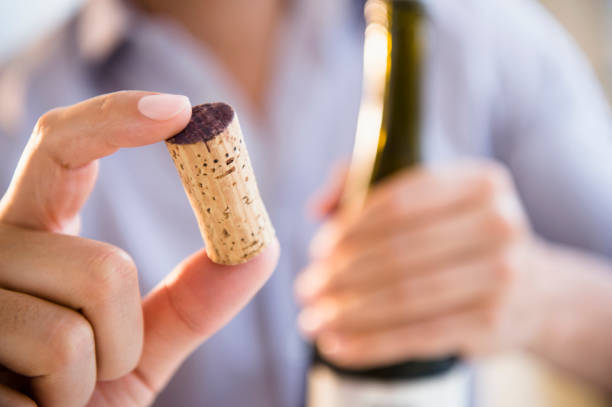
Once a bottle of wine is uncorked, exposure to oxygen begins to alter its chemical composition, leading to oxidation. This process degrades the wine’s flavor, aroma, and color over time.
Lighter wines like whites and rosés typically last 1–3 days in the fridge with a wine stopper, while full-bodied reds may remain enjoyable for up to 5 days due to higher tannin levels, which act as natural preservatives.
Using a vacuum pump or inert gas spray can significantly slow oxidation by reducing air contact. Sparkling wines, however, lose their effervescence quickly and should be consumed within 1–2 days. Wine preservation systems that replace oxygen with argon gas are highly effective.
Ultimately, the key to extending the life of uncorked wine is minimizing oxygen exposure through proper sealing and storage techniques immediately after opening.
Temperature Fluctuations During Storage
Consistent temperature control is crucial for preserving uncorked wine. Fluctuations accelerate chemical reactions, promoting spoilage and diminishing quality. The ideal storage temperature for open wine is slightly below room temperature for reds (around 55–65°F) and chilled for whites and rosés (45–50°F).
Refrigeration slows degradation, making it the best option for most opened bottles. However, repeatedly moving wine between cold and warm environments causes expansion and contraction, which can push air into the bottle and speed up oxidation. Avoid leaving uncorked wine on the counter for extended periods, especially in warm kitchens.
For longer preservation, consider transferring leftover wine to a smaller container to reduce headspace. Maintaining a stable, cool environment after opening is essential to maximize shelf life and preserve flavor integrity.
Light Exposure and UV Damage
UV light from sunlight or fluorescent bulbs can cause photochemical degradation, commonly known as ‘lightstrike,’ which impairs wine quality. This damage is especially harmful to white and sparkling wines stored in clear or light-colored bottles. Once uncorked, wine becomes even more vulnerable, as its protective seal is broken.
Store open wine in a dark place, such as a cabinet or pantry, to minimize light exposure. UV rays break down organic compounds in wine, leading to unpleasant aromas reminiscent of wet cardboard or cooked cabbage. Even brief daily exposure can accumulate damage over a few days.
Brown or green glass offers some protection, but it’s not sufficient once the bottle is open. To preserve freshness, combine dark storage with proper sealing and refrigeration. Shielding uncorked wine from light helps maintain its intended taste and bouquet for as long as possible.
Best Ways to Store Opened Wine
Using Wine Stoppers and Vacuum Pumps
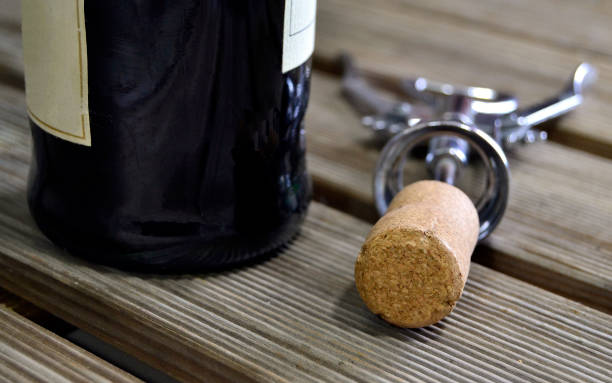
One of the best ways to preserve opened wine is by using airtight wine stoppers in combination with vacuum pumps. These tools work by removing oxygen from the bottle, which slows down oxidation—the main factor that degrades wine after opening.
To use this method effectively, insert a high-quality stopper into the bottle and pump out the air using a handheld vacuum device. This can extend the life of your wine by 2–4 days for most reds and whites.
It’s important to note that vacuum pumps are less effective for sparkling wines, as they can remove the carbonation. For optimal results, re-pump the bottle daily if re-opening. While this method won’t keep wine fresh indefinitely, it’s a simple and affordable solution for short-term storage.
Avoid corking loosely with the original cork, as it doesn’t create a tight seal once removed.
Storing Wine in the Refrigerator
Refrigeration is a highly effective method for extending the shelf life of opened wine, regardless of type. The cooler temperature slows oxidation and bacterial growth, helping preserve flavor and aroma.
While red wine is typically served at room temperature, storing it in the fridge after opening can extend its freshness up to 3–5 days. Use a proper stopper to seal the bottle before refrigerating—never leave it open or loosely covered.
When ready to drink, remove the wine from the fridge and let it gradually return to serving temperature: about 30 minutes for whites and 1–2 hours for reds. This method works especially well for white, rosé, and sparkling wines, which benefit from chilled storage.
Consistency is key—avoid temperature fluctuations that can damage the wine. By combining refrigeration with a good seal, you can significantly delay spoilage and enjoy your wine at its best for several days.
Alternative Storage Methods for Longevity
For those seeking longer preservation, alternative methods like wine preservation systems with inert gas offer superior results. Devices such as wine preservers release a layer of argon or nitrogen into the bottle, creating a protective barrier that prevents oxidation without altering taste.
This method can keep wine fresh for up to 5–7 days. Another innovative option is using a wine dispenser system that stores bottles under vacuum or gas and dispenses wine on demand.
Additionally, transferring leftover wine into a smaller container reduces air exposure—a technique known as ‘bottle downsizing.’ While freezing wine for cooking is acceptable, it’s not recommended for drinking quality. For long-term storage beyond a week, consider cooking with older opened wine rather than consuming it.
These methods go beyond basic stoppers and refrigeration, offering enhanced longevity and flavor retention for frequent wine drinkers.
Signs Your Opened Wine Has Gone Bad
Smell and Aroma Changes
One of the most reliable indicators that opened wine has gone bad is a noticeable change in smell. Fresh wine should have vibrant, pleasant aromas—fruity, floral, or earthy, depending on the variety. If your wine emits sharp, sour, or vinegar-like odors, it’s likely oxidized or contaminated by bacteria.
Oxidation occurs when wine is exposed to too much air, breaking down its compounds and producing off-putting scents. Another red flag is a musty or wet cardboard smell, which signals a corked wine due to TCA contamination.
In rare cases, a barnyard or medicinal aroma may point to volatile acidity or Brettanomyces yeast. To assess, gently swirl the wine in the glass and take a few short sniffs. If the aroma seems flat, stale, or chemically, trust your nose—it’s often the first line of defense.
Discarding questionable wine prevents an unpleasant tasting experience and ensures you’re enjoying wine at its best quality.
Color and Clarity Indicators
Changes in color and clarity can clearly signal that opened wine has spoiled. For white wines, a shift from pale yellow to deep gold or amber suggests oxidation, especially if the wine has been open for more than 3–5 days.
Red wines may turn brownish or brick-colored at the edges when overexposed to air. While some color evolution is natural, dramatic shifts indicate degradation. Additionally, look for cloudiness or sediment that wasn’t present initially—this can mean microbial growth or chemical instability.
If the wine appears fizzy or bubbly when it’s not a sparkling variety, refermentation may have occurred. Always pour a small amount into a clear glass and examine it under good lighting.
Bright, clear wine typically means it’s still fresh, while dull, hazy, or discolored liquid suggests it’s past its prime. Monitoring visual cues helps you make informed decisions and avoid consuming wine that’s lost its integrity.
Taste Test: When to Pour It Out
If smell and appearance don’t provide clear answers, a small taste can confirm whether opened wine has gone bad. Take a small sip and let it coat your palate before deciding. Fresh wine should have balanced acidity, fruit character, and structure.
If it tastes flat, sour, or vinegary, oxidation or bacterial spoilage has likely occurred. Wines that taste sharply astringent or bitter may have degraded due to prolonged air exposure. For white wines, a loss of crispness or a dull, lifeless profile means it’s time to discard.
Red wines that lack fruit depth and instead taste like wet cardboard or stale nuts should also be poured out. While some aged wines develop complex flavors, opened bottles typically last only 3–7 days when stored properly in the fridge with a stopper.
If the taste is off in any way, err on the side of caution—it’s better to waste a sip than risk an unpleasant experience or digestive discomfort.
How Different Wine Types Handle Air Exposure
Full-Bodied Reds vs. Light Reds
Full-bodied red wines, such as Cabernet Sauvignon or Syrah, typically last 4–6 days after uncorking when stored properly in the refrigerator with a sealed stopper. Their higher tannin and alcohol content act as natural preservatives, slowing oxidation and preserving flavor longer.
To maximize shelf life, minimize air exposure by transferring leftover wine to a smaller container or using a vacuum pump. In contrast, light reds like Pinot Noir or Gamay have lower tannins and are more delicate, lasting only 2–3 days before losing vibrancy and developing flat or vinegary notes.
These wines benefit from refrigeration but should not be over-chilled before serving—allow them to warm slightly. Consuming light reds sooner ensures you enjoy their bright fruit and floral characteristics.
Ultimately, while both types degrade over time, full-bodied reds are more resilient, making them better candidates for multi-day enjoyment if resealed and chilled promptly after opening.
Dry vs. Sweet White Wines
Dry white wines, such as Sauvignon Blanc or Pinot Grigio, remain fresh for 3–5 days after opening if re-corked and refrigerated. Their lower tannin levels make them more vulnerable to oxidation than reds, but cold temperatures slow the degradation process.
Using an inert gas spray or vacuum seal can extend freshness by limiting oxygen contact. On the other hand, sweet white wines like Riesling or Chenin Blanc can last significantly longer—up to 5–7 days or more—thanks to their high sugar content, which acts as a natural preservative.
The residual sugar helps maintain balance and flavor even as subtle oxidation occurs. Regardless of sweetness, always store opened bottles upright to reduce surface exposure. Taste before serving to assess quality, as aromas fade first.
While dry whites are best enjoyed quickly to savor their crisp acidity, sweet whites offer greater flexibility, making them more forgiving for casual, multi-day consumption.
Fortified and Dessert Wines Longevity
Fortified wines like Port, Sherry, and Madeira, as well as dessert wines such as Sauternes or late-harvest Riesling, can last for weeks or even months after opening due to their high alcohol and sugar content, which inhibit spoilage.
Oxidative styles like Oloroso Sherry or Tawny Port are particularly resilient and may remain enjoyable for up to 6 weeks when stored in a cool, dark place with a cork.
In contrast, delicate sweet wines like Botrytized Sauternes should be consumed within 2–3 weeks for peak flavor, though refrigeration helps preserve freshness. Unlike table wines, these styles often benefit from brief air exposure, which can enhance complexity. Always reseal tightly and avoid temperature fluctuations.
While most wines degrade within days, fortified and dessert wines defy the norm, offering extended enjoyment—making them ideal for sipping slowly over time without waste.
Tips for Extending the Life of Opened Wine
Use Inert Gas Preservers
One of the most effective ways to extend the life of opened wine is by using inert gas preservers. These products, such as wine preservation sprays or systems like Private Preserve, release a blend of non-reactive gases—typically argon, nitrogen, and carbon dioxide—into the bottle before sealing.
Because these gases are heavier than air, they form a protective layer over the wine’s surface, preventing oxygen from initiating oxidation. Oxidation is the primary cause of wine spoilage, leading to flat flavors and a loss of freshness.
To use inert gas, simply spray it into the open bottle for a few seconds before reinserting the cork or stopper. This method can keep wine tasting fresh for up to 5–7 days, depending on the varietal.
It’s especially effective for white, rosé, and sparkling wines, which are more sensitive to air exposure. For best results, combine this technique with refrigeration.
Minimize Bottle Air Space
Reducing the amount of air in contact with the wine is crucial for slowing spoilage. Once a bottle is opened and partially consumed, the increased headspace allows more oxygen to interact with the wine, accelerating degradation.
To minimize this, transfer leftover wine into a smaller container, such as a half-bottle or wine flask, that limits air exposure. This simple step can extend the wine’s drinkability by several days.
Alternatively, use vacuum pumps to remove air from the original bottle, though they are less effective with delicate wines that can lose aromatic complexity. Wines with lower acidity and tannins, like many whites and lighter reds, benefit most from reduced air contact.
Always store the wine in a cool, dark place or refrigerator after re-bottling. By focusing on limiting oxygen exposure, you preserve the wine’s original character and extend its shelf life significantly.
Reseal Immediately After Pouring
One of the simplest yet most impactful habits for preserving opened wine is to reseal the bottle immediately after each pour. Every moment the wine is exposed to air increases oxidation, which dulls aromas and alters taste.
Whether using the original cork, a rubber stopper, or a screw cap, ensure a tight seal to minimize air entry. Delaying recorking—even by a few minutes—can begin the degradation process, especially in warm or humid environments.
For optimal results, pair immediate resealing with refrigeration, as cooler temperatures slow chemical reactions that lead to spoilage. This practice is particularly important for open red wines, which are often left out at room temperature.
While full-bodied reds may last 3–5 days when properly resealed and stored, lighter wines benefit even more from prompt closure. Consistency is key: make resealing part of your pouring routine to maximize freshness.
Common Myths About Opened Wine Storage
Myth: All Wine Goes Bad in 3 Days
The idea that all opened wine spoils within three days is a common misconception—the truth depends on the wine type and storage method.
Light white and rosé wines typically last 4–5 days in the fridge when properly sealed, while full-bodied whites like Chardonnay may begin to degrade sooner due to oxidation. Red wines are more resilient; when stored upright with a cork in a cool place, they can remain enjoyable for 3–6 days.
Sparkling wines, however, lose their fizz quickly and should be consumed within 1–3 days using a specialized stopper. Fortified wines such as Port or Sherry can last several weeks due to their higher alcohol content. Using inert gas sprays or vacuum pumps can extend freshness by reducing oxygen exposure.
Ultimately, taste is the best judge—oxidized wine may smell like vinegar but is still safe to drink. Understanding these nuances helps you maximize enjoyment and reduce waste without rigid time limits.
Myth: Room Temperature is Fine for Storage
Storing opened wine at room temperature is not ideal for preserving quality, despite being acceptable for serving some reds. At typical room temperatures (around 70°F or higher), oxidation accelerates, causing wine to lose its freshness, aroma, and balance within days.
Heat also promotes microbial activity and chemical reactions that degrade flavor. Refrigeration is the best option for all opened wines, even reds—chilling slows oxidation and preserves complexity. Simply remove the bottle 15–20 minutes before serving to bring it to an ideal drinking temperature.
For long-term storage of opened bottles, consistency in cool temperatures is key. Avoid placing wine near stoves, windows, or other heat sources. Using a wine fridge or dedicated cooler can significantly extend shelf life.
Temperature control is more critical than recorking alone, so don’t rely on a cork if the wine sits in a warm environment. Proper cooling ensures your wine remains vibrant and drinkable for days, not just hours.
Myth: Recorking Prevents Spoilage Completely
While recorking an opened bottle helps, it does not fully prevent oxidation or spoilage—oxygen trapped in the bottle continues to degrade the wine. Simply pushing the cork back in only limits further air exposure but doesn’t remove existing oxygen. Effective preservation requires both sealing and oxygen reduction.
Tools like vacuum pumps or inert gas sprays displace oxygen and significantly extend freshness. Wine with less headspace (air in the bottle) lasts longer, so transferring leftover wine to a smaller container can help. Even with recorking, most wines begin to change in flavor after 3–5 days.
Light, heat, and temperature fluctuations further compromise quality. For best results, combine recorking with refrigeration and oxygen-minimizing techniques. Think of recorking as a first step, not a complete solution.
By taking additional preservation measures, you can enjoy your wine at its best for several extra days, especially with delicate varieties that fade quickly.
Frequently Asked Questions
How long does uncorked wine last at room temperature?
Uncorked wine typically lasts 1–3 days at room temperature before it starts to degrade. Exposure to oxygen causes the wine to oxidize, leading to flat or sour flavors, especially in lighter wines.
Can I refrigerate uncorked wine to make it last longer?
Yes, refrigerating uncorked wine can extend its life to 3–5 days. The cooler temperature slows oxidation and bacterial growth, especially for white, rosé, and sparkling wines.
How long does red wine last after being opened?
Opened red wine lasts 3–5 days when stored in a cool, dark place with a cork. Full-bodied reds may degrade faster due to higher exposure to oxygen during aging.
Does re-corking the bottle help preserve the wine?
Yes, re-corking or using a wine stopper helps reduce oxygen exposure and preserves the wine longer. For best results, combine this with refrigeration.
Can I use a vacuum pump to extend the life of opened wine?
Yes, vacuum pumps remove oxygen from the bottle, potentially extending the wine’s freshness by a few extra days. However, they may also remove some aromatic compounds, affecting flavor.
How can I tell if opened wine has gone bad?
Signs of spoiled wine include a vinegar-like smell, dull or brownish color, and a sharp, sour taste. If in doubt, it’s best to discard it.
Do wine preservatives like argon gas help?
Yes, inert gases like argon create a protective layer over the wine, slowing oxidation. Sprayed before re-corking, they can keep wine fresh for up to 5–7 days.
Conclusion
Uncorked wine typically lasts 3 to 5 days when stored properly in the refrigerator with a stopper. Red wines generally last slightly longer than whites, while sparkling wines lose fizz quickly. Exposure to oxygen is the main culprit in spoilage, so minimizing air contact helps preserve flavor. Using vacuum sealers or inert gas sprays can extend freshness. Enjoy your wine within a few days for the best taste, and don’t hesitate to experiment with storage methods to find what works best for you.


