
How Long Does Roscato Last After Opening
Wondering how long your Roscato lasts after opening? You’re not alone—many wine lovers want to enjoy its sweet, bubbly flavor without wasting a drop. Good news: when stored properly in the fridge with a wine stopper, Roscato can stay fresh and delicious for 3 to 5 days. While it may lose some fizz over time, the taste holds up well. In this article, we’ll break down exactly how to store it, signs it’s gone bad, and tips to get the most out of every bottle.
What Is Roscato Wine?
Origin and Production of Roscato
Roscato is an Italian wine produced by Cavit, a renowned winemaking cooperative from Trentino, Italy. Crafted from carefully selected red grape varieties, Roscato is known for its vibrant, fruit-forward character and slightly sweet profile.
The production process involves temperature-controlled fermentation to preserve freshness and aromatic intensity, followed by a brief period of aging to enhance balance. Roscato is made using the Charmat method, where secondary fermentation occurs in pressurized tanks, giving the wine its signature soft effervescence.
This method helps retain fruity notes and ensures consistency across bottles. The wine is typically bottled young to capture its lively essence. Originating in northern Italy, Roscato benefits from alpine climates that contribute to its crisp acidity and refreshing finish.
Its production emphasizes accessibility and drinkability, making it a popular choice for casual enjoyment. The brand’s commitment to quality and modern winemaking techniques ensures a consistent, enjoyable experience with every bottle.
Types of Roscato Varieties
Roscato comes in several distinct varieties, each offering a unique sensory experience while maintaining the brand’s signature sweetness and light sparkle. The most popular is Roscato Rosso Dolce, a deep red blend with rich berry flavors and a smooth finish.
Roscato Bianco Dolce, made from white grapes, delivers notes of peach, apricot, and citrus, making it a refreshing alternative. Roscato Rosé Dolce combines the best of both worlds, offering a pink hue with flavors of strawberry and cherry.
Each variety is crafted to be approachable and easy to enjoy, perfect for both novice and experienced wine drinkers. All versions are slightly carbonated, enhancing their lively character. These wines are designed for immediate consumption, emphasizing fruit-forward profiles over complexity.
Whether served chilled on a warm day or paired with dessert, Roscato’s range ensures there’s a bottle for every palate and occasion, making it a versatile addition to any gathering.
Flavor Profile and Sweetness Level
Roscato is celebrated for its distinctly sweet, fruit-forward flavor profile and gentle effervescence, making it highly approachable and enjoyable. Notes of ripe cherry, raspberry, and strawberry dominate the red and rosé varieties, while the bianco showcases tropical and stone fruit nuances like pineapple and peach.
The sweetness is balanced by bright acidity, preventing the wine from feeling cloying and enhancing its drinkability. This balance makes Roscato an excellent choice for those new to wine or those who prefer softer, dessert-style options. With low alcohol content (typically around 5-6% ABV), it’s light and easy to sip.
The slight fizz adds a playful texture, elevating its refreshing quality. When stored properly after opening, Roscato can last 3 to 5 days in the refrigerator with a sealed wine stopper, preserving its flavor and effervescence.
While it won’t improve with age, prompt consumption ensures the best tasting experience, capturing the wine’s intended vibrancy and sweetness.
How Long Does Roscato Last After Opening?
Standard Shelf Life After Opening
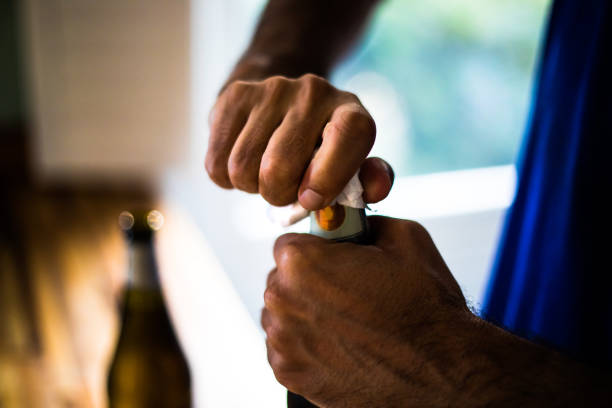
Once opened, Roscato typically lasts 3 to 5 days when stored properly. To maximize freshness, always reseal the bottle tightly with its original cork or a wine stopper and store it in the refrigerator. The cool temperature slows oxidation and preserves the wine’s sweet, fruity character.
Roscato is a semi-sweet red wine with lower tannins, which means it doesn’t age well after opening compared to more robust reds. Consuming it within the first 3 days ensures the best flavor and aroma.
While it may remain safe to drink slightly longer, the taste will degrade, becoming flat or sour. For optimal enjoyment, treat opened Roscato like perishable food—refrigerate promptly and limit air exposure.
Using a wine preservation system, like vacuum stoppers or inert gas sprays, can extend its life by a day or two. However, these methods are not foolproof. Ultimately, early consumption guarantees the best experience.
Signs That Roscato Has Gone Bad
Detecting spoilage in opened Roscato is crucial for both taste and safety. A sharp, vinegar-like smell is a primary indicator—this results from oxidation turning alcohol into acetic acid. Visually, if the wine appears cloudy or has developed sediment that wasn’t present before, it’s likely spoiled.
Color changes, such as a browning or dulling of its vibrant red hue, also signal degradation. When tasting, flat or sour flavors instead of the expected sweetness and berry notes mean it’s past its prime. While drinking slightly off Roscato isn’t typically dangerous, it can cause mild stomach discomfort.
Always inspect and smell the wine before serving. If any off-odors or textures are present, discard the wine to avoid unpleasant experiences. Trust your senses—your nose and palate are reliable tools for determining freshness. When in doubt, err on the side of caution and pour it out.
Does Alcohol Content Affect Longevity?
Yes, alcohol content plays a role in how long Roscato lasts after opening, though it’s not the only factor. Roscato has a moderate alcohol by volume (ABV) of around 9–10.5%, which is lower than many dry red wines.
Lower alcohol wines tend to oxidize faster once exposed to air, reducing shelf life. Higher alcohol levels act as a mild preservative, slowing microbial growth and oxidation. However, Roscato’s sweetness also contributes to preservation, as sugar inhibits certain bacteria.
Still, the combination of low tannins and moderate alcohol means it doesn’t hold up as long as fuller-bodied reds. Refrigeration remains the most effective way to extend its life post-opening. While alcohol content influences stability, proper storage outweighs ABV in importance.
Even wines with higher alcohol degrade quickly if left uncorked at room temperature. Therefore, focus on sealing and chilling rather than relying on alcohol alone to preserve your Roscato.
Best Ways to Store Opened Roscato

Refrigeration Tips for Roscato
Once opened, storing Roscato in the refrigerator is essential to extend its shelf life and preserve its sweet, fruity flavor. Refrigeration slows down oxidation and bacterial growth, which are the primary causes of spoilage in wine.
After pouring, promptly reseal the bottle and place it in the fridge—ideally at a temperature between 45°F and 50°F (7°C to 10°C). Consuming Roscato within 3 to 5 days after opening ensures the best taste and quality.
Avoid storing it in the refrigerator door, as frequent opening and closing cause temperature fluctuations. Instead, place it on a middle shelf toward the back, where the temperature remains more consistent. For optimal results, keep the bottle upright to minimize the wine’s surface area exposed to air.
While Roscato is more resilient than dry wines due to its residual sugar, refrigeration remains the most effective method to maintain freshness and prevent spoilage after opening.
Using Wine Stoppers to Preserve Freshness
A high-quality wine stopper is a must-have for preserving opened Roscato. After pouring, immediately seal the bottle with an airtight stopper to minimize exposure to oxygen, which degrades flavor and aroma over time.
Opt for stoppers made of solid stainless steel or silicone with a tight seal, as they create a better barrier than the original cork, which may not fit securely after removal. Vacuum stoppers can further extend freshness by removing air from the bottle.
Ensure the stopper fits snugly—a loose fit reduces effectiveness. While Roscato’s sweetness helps resist spoilage, oxygen still dulls its vibrant fruit notes. Using a proper stopper in conjunction with refrigeration can help maintain quality for up to five days.
For frequent wine drinkers, investing in a reusable wine preservation system pays off. Always clean stoppers after use to prevent mold or residue buildup that could contaminate future bottles.
Avoiding Light and Temperature Fluctuations
Protecting opened Roscato from light and temperature swings is crucial for maintaining its taste and quality.
Ultraviolet (UV) light can degrade wine compounds, leading to off-flavors and premature aging—a process known as ‘light strike.’ Store the sealed bottle in the darkest part of your refrigerator, away from internal lights that turn on frequently.
Consistent, cool temperatures are equally important; fluctuations cause the wine to expand and contract, potentially pushing air past the seal and accelerating oxidation. Avoid placing Roscato near the fridge door or cooling vents. Instead, choose a stable zone, like the lower back shelf.
Never leave an opened bottle at room temperature for extended periods, especially in warm or sunny areas. Even a few hours of exposure can begin to degrade delicate aromas. By combining protection from light and stable refrigeration, you maximize the lifespan and enjoyment of your Roscato after opening.
How to Tell If Roscato Is Still Good to Drink
Checking the Smell and Color
To determine if Roscato is still good to drink after opening, start by examining its appearance and aroma. Pour a small amount into a glass and observe the color—fresh Roscato should have a vibrant ruby or rosé hue.
If the wine looks dull, brownish, or cloudy, oxidation or spoilage may have occurred. Next, give it a gentle swirl and take a careful sniff. A fresh, fruity aroma with notes of berries, cherry, and floral hints indicates the wine is still enjoyable.
However, if you detect vinegar-like, musty, or wet cardboard smells, the wine has likely gone bad. These off-odors are signs of bacterial contamination or excessive exposure to air.
Do not rely solely on color, as some darkening is natural after a few days, but combined with a foul smell, it’s a clear signal to discard the bottle. For best quality, consume Roscato within 3–5 days of opening and store it properly in the refrigerator with a sealed stopper.
Taste Test for Spoilage
If Roscato passes the visual and smell tests, proceed with a cautious taste test to confirm its condition. Take a small sip and let it coat your palate before swallowing. A fresh, slightly sweet, and fruity flavor with balanced acidity means the wine is still safe and enjoyable.
However, sharp, sour, or flat tastes suggest the wine has degraded. Pay attention to the mouthfeel—spoiled wine often feels harsh or lacks the characteristic smoothness of Roscato. If the sweetness has diminished significantly or the wine tastes overly acidic, it’s likely past its prime.
Never swallow if the taste is unpleasant or causes discomfort. While drinking slightly off wine isn’t typically dangerous, it can ruin the experience and indicate microbial spoilage. For optimal flavor, refrigerate opened Roscato and consume within 3–5 days.
Using a vacuum seal can extend freshness slightly, but extended storage increases the risk of spoilage.
Common Off-Flavors to Watch For
When evaluating opened Roscato, be aware of specific off-flavors that signal spoilage. One of the most common is a vinegar or nail polish remover taste, caused by acetic acid bacteria converting alcohol into acetic acid—this means the wine has turned to vinegar.
Another warning sign is a barnyard, medicinal, or band-aid flavor, often due to cork taint (TCA contamination), which ruins the wine’s aroma and taste. You might also detect a sherry-like or overly nutty flavor, indicating excessive oxidation from prolonged air exposure.
Buttery or sour milk notes can suggest bacterial growth, especially if the wine wasn’t stored cold. Roscato’s signature sweetness should remain pleasant—not cloying or fermented-tasting. Any fizziness in a non-sparkling version is another red flag. These flaws mean the wine is no longer at its best and should be discarded.
To avoid these issues, always reseal tightly and refrigerate after opening.
Tips for Extending Roscato’s Freshness
Transferring to a Smaller Bottle
To maximize Roscato’s freshness after opening, transfer the leftover wine into a smaller, airtight bottle. This method reduces the amount of air in contact with the wine, slowing oxidation. Choose a clean glass bottle with a tight-sealing cap—preferably one designed for wine storage.
Pour the Roscato carefully to avoid splashing, which introduces oxygen. Fill the smaller container as full as possible to minimize headspace. This technique is especially effective if you don’t have specialized wine preservation tools.
When stored this way in the refrigerator, Roscato can stay fresh for up to 5 days, maintaining its signature sweetness and fruity notes. Always label the bottle with the date to track freshness.
While this method doesn’t preserve the wine indefinitely, it’s a practical, low-cost way to enjoy your Roscato over several days without significant flavor loss.
Using Vacuum Wine Savers
A vacuum wine saver is one of the most effective tools for extending Roscato’s shelf life after opening. These devices work by removing oxygen from the bottle, significantly slowing the oxidation process that degrades wine quality.
Simply place the stopper on the bottle and pump out the air using the handheld pump. When used correctly, vacuum savers can keep Roscato tasting fresh for up to 5–7 days when stored in the refrigerator. For best results, re-pump the bottle each time you reseal it.
While this method won’t preserve the wine indefinitely, it’s ideal for casual drinkers who finish a bottle over several days. Make sure the stopper fits your bottle properly to maintain an airtight seal.
Vacuum systems are affordable, reusable, and easy to use—making them a smart investment for anyone who enjoys sweet wines like Roscato.
Limiting Air Exposure
Minimizing air exposure is crucial to preserving Roscato’s vibrant flavor and aroma after opening. Oxygen is the main culprit behind wine spoilage, causing the sweet, fruity characteristics to fade quickly. Always recap the bottle tightly immediately after pouring and store it upright in the refrigerator.
Cold temperatures slow chemical reactions, helping maintain freshness. Avoid leaving the wine out at room temperature for extended periods. If possible, pour servings quickly and reseal the bottle promptly. Using smaller glasses can also help by encouraging smaller pours, reducing the frequency of opening.
When stored properly with minimal air contact, Roscato typically stays enjoyable for 3 to 5 days. While it won’t taste exactly like the first pour, these steps ensure you get the most out of each bottle. Consistent, careful handling makes a noticeable difference in preserving its delightful sweetness and bouquet.
Common Mistakes When Storing Opened Roscato
Leaving Wine at Room Temperature
Leaving opened Roscato at room temperature is one of the most common mistakes that drastically reduces its shelf life. Once exposed to air, wine begins to oxidize, and warmer temperatures accelerate this process.
At room temperature, especially in environments above 70°F (21°C), the delicate sweetness and fruity notes of Roscato can degrade within just 12 to 24 hours. The wine may taste flat or overly sour, losing its signature refreshing quality. To preserve flavor and aroma, refrigeration is essential immediately after opening.
Even brief exposure to warm air can compromise quality, so avoid leaving the bottle on the counter during or after serving. Transferring leftover wine to the fridge within minutes of pouring helps maintain freshness. For best results, consume refrigerated Roscato within 3 to 5 days for optimal taste.
Always reseal properly before chilling to minimize oxidation and spoilage risks.
Using Improper Seals
Using improper seals after opening Roscato can significantly shorten its lifespan. Simply placing the original cork or cap back on the bottle is not enough to prevent oxidation. These closures often don’t create an airtight seal, allowing oxygen to seep in and degrade the wine’s flavor, aroma, and sweetness.
Over time, this leads to a flat, vinegary taste. Instead, use a vacuum wine stopper or inert gas preserver to minimize air exposure. These tools displace oxygen and create a tighter seal, helping maintain the wine’s integrity. Avoid screw caps or makeshift covers, as they rarely provide consistent protection.
A proper seal can extend the life of opened Roscato by several days. For best results, combine correct sealing with prompt refrigeration. This dual approach ensures the wine stays fresh, bubbly, and flavorful for up to 5 days after opening, preserving its enjoyable drinking experience.
Storing in the Door of the Fridge
Storing opened Roscato in the door of the fridge is a subtle but impactful mistake that affects its longevity. The door is the warmest and most unstable part of the refrigerator, with frequent temperature fluctuations every time it’s opened.
These shifts promote oxidation and spoilage, compromising the wine’s delicate balance of sweetness and acidity. Additionally, vibrations from repeated opening and closing can disturb the wine’s structure, accelerating flavor degradation. Instead, store Roscato on an interior shelf toward the back, where temperatures remain consistently cold and stable.
This environment slows oxidation and preserves freshness. Always keep the bottle upright to minimize surface area exposed to air. When combined with an airtight seal, proper placement can help Roscato retain its quality for up to 5 days.
Avoid the door to ensure your wine stays as close to its original taste as possible after opening.
Frequently Asked Questions About Roscato Storage
Can You Freeze Opened Roscato?
Freezing opened Roscato is not recommended for preserving quality, but it can extend usability in a pinch. While freezing won’t make the wine unsafe, it can alter the aroma, flavor, and texture due to expansion and chemical changes during thawing.
If you choose to freeze, pour the leftover Roscato into an ice cube tray for portion control, then transfer the frozen cubes to an airtight bag. These are best used for cooking or cocktails, not sipping. Thaw cubes in the refrigerator or directly in a sauce or dessert.
To maintain the best taste, consume within one month of freezing. For optimal enjoyment, it’s better to reseal the bottle with a wine stopper and refrigerate, where Roscato lasts 3–5 days with minimal quality loss. Freezing is a last resort—ideal for minimizing waste, not preserving drinking quality.
Is It Safe to Drink Old Roscato?
Drinking Roscato a few days past its prime is generally safe, but quality declines over time. Once opened, Roscato should be refrigerated and consumed within 3–5 days for best flavor. After this window, oxidation begins to dull its bright fruit notes and sweetness, resulting in a flat or vinegar-like taste.
While it won’t make you sick, the pleasure and aroma diminish significantly. Signs it’s gone too far include a sharp sour smell, cloudy appearance, or fizzy mouthfeel in still versions. If any mold or off-odors are present, discard it.
For sensitive palates or when serving guests, stick to the 5-day rule. To extend freshness, use a vacuum wine saver or inert gas preserver. Ultimately, safety isn’t the main concern—flavor preservation is—so enjoy Roscato promptly for the best experience.
How Long Can Roscato Sit Out Unrefrigerated?
Opened Roscato should not sit out unrefrigerated for more than 2–4 hours. After opening, exposure to air and room temperature accelerates oxidation and bacterial growth, degrading its sweet, fruity profile quickly. Within a few hours, the wine may start tasting flat or slightly sour.
For best quality, refrigerate immediately after opening—even if you plan to finish it the same day. If left out overnight, it’s likely compromised in taste and should be discarded, even if it smells okay. Heat and sunlight worsen spoilage, so avoid leaving bottles on countertops or near windows.
To maximize shelf life, always reseal with a tight stopper and store in the fridge. Unopened Roscato can sit at room temperature for months, but once opened, cold storage is essential. When in doubt, err on the side of caution—chill it fast, drink it fresh.
Frequently Asked Questions
How long does Roscato last after opening?
Roscato typically lasts 3 to 5 days after opening if stored properly in the refrigerator with a wine stopper. The sweet, fruity flavors may begin to fade after this time, though it won’t necessarily spoil immediately.
Does Roscato need to be refrigerated after opening?
Yes, Roscato should be refrigerated after opening to preserve its flavor and sweetness. Keeping it chilled slows oxidation and helps maintain its quality for up to 5 days.
Can I drink Roscato after 7 days of opening?
While Roscato may still be safe to drink after 7 days, its taste will likely be flat or off due to oxidation. For the best experience, it’s recommended to consume it within 3 to 5 days.
How can I tell if opened Roscato has gone bad?
Signs that Roscato has gone bad include a sour or vinegar-like smell, a change in color, or a sharp, unpleasant taste. If any of these are present, it’s best to discard the wine.
Does the sweetness of Roscato affect its shelf life after opening?
The sweetness in Roscato can slightly slow oxidation, but it doesn’t significantly extend shelf life. Like most wines, it should still be consumed within a few days of opening for optimal taste.
Conclusion
Roscato wine typically lasts 3 to 5 days after opening when stored properly in the refrigerator with a wine stopper. Sweeter wines like Roscato tend to retain their flavor slightly longer than dry wines due to higher sugar content. To enjoy the best taste, consume it within this window. Always reseal tightly and chill promptly. Don’t let leftovers go to waste—share a glass with friends or use it in desserts. Savor every sweet sip!


