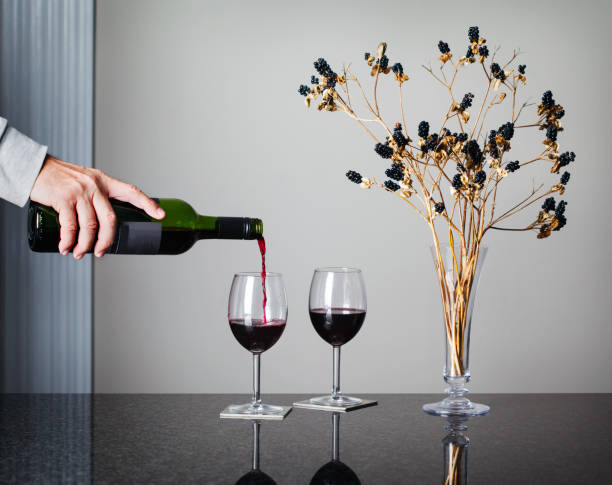
How Long Does Red Wine Stay Good For
Wondering how long your favorite red wine stays good for after opening? You’re not alone. The truth is, most red wines last 3 to 5 days when stored properly—yes, even that Cabernet you opened over the weekend. But the real secret lies in how you store it. In this article, we’ll break down exactly how long different red wines last, signs they’ve gone bad, and simple storage tips to keep every glass tasting fresh. Let’s make every sip count.
How Long Does Unopened Red Wine Last
What Factors Affect Shelf Life of Unopened Red Wine
The shelf life of unopened red wine depends on several key factors, including the wine’s composition, quality, and production methods. Wines with higher tannin, acidity, and sugar content—such as Cabernet Sauvignon, Nebbiolo, or Syrah—typically last longer because these elements act as natural preservatives.
Tannins, derived from grape skins and seeds, help stabilize the wine over time. The alcohol level and pH also influence longevity; balanced levels contribute to stability. Additionally, the quality of the cork and the precision of the bottling process affect how well the wine ages.
Even with ideal components, not all red wines are meant for long-term aging—many are crafted for immediate enjoyment. Understanding the vintage and producer can provide insight into aging potential. Ultimately, while most unopened red wines can remain drinkable for 3–5 years, high-quality bottles under optimal conditions may last decades.
Best Storage Conditions for Long-Term Aging
To maximize the shelf life of unopened red wine, proper storage is essential. The ideal environment maintains a consistent temperature between 50–59°F (10–15°C), as fluctuations can cause the wine to expand and contract, potentially compromising the seal.
Humidity levels around 70% prevent corks from drying out, which could let air enter and spoil the wine. Store bottles horizontally to keep the cork moist and maintain an airtight seal. Wine should be kept in a dark, vibration-free space, as light and movement can disturb sediment and degrade quality.
Avoid areas with strong odors, as corks can absorb surrounding smells. A dedicated wine fridge or cellar offers the most reliable conditions. Even with excellent storage, regular monitoring helps detect any signs of spoilage early. Following these practices ensures your red wine ages gracefully and reaches its full potential.
Which Red Wines Improve With Age
Not all red wines benefit from aging, but certain varieties are renowned for developing complexity and smoother flavors over time. Full-bodied reds with high tannin and acidity—like Cabernet Sauvignon, Nebbiolo, Syrah, and Malbec—are prime candidates for long-term aging.
For example, top-tier Barolo and Bordeaux can evolve beautifully over 10–20 years or more, revealing nuanced notes of leather, earth, and dried fruit. High-quality vintage Port also improves with decades of cellaring. The aging process softens harsh tannins and integrates oak and fruit characteristics into a harmonious profile.
However, most everyday red wines are meant to be consumed within 3–5 years. To determine if a wine will improve, research the producer, vintage, and varietal. Wines from reputable regions with strong aging track records offer the best potential.
When in doubt, consult a wine expert or aging guide before cellaring long-term.
How Long Can Opened Red Wine Stay Good
Average Shelf Life After Opening
Most opened red wines stay good for 3 to 5 days when stored properly.
The exact duration depends on the wine’s tannin and acidity levels—full-bodied reds like Cabernet Sauvignon or Syrah tend to last longer due to their structure, while lighter varieties like Pinot Noir may begin to degrade after 3 days.
To maximize freshness, re-cork the bottle tightly or use a wine stopper and store it in a cool, dark place. Refrigeration is highly recommended, even for red wine, as cooler temperatures slow oxidation.
While the wine won’t spoil in the dangerous sense, it will gradually lose its vibrant flavors and aromas, becoming flat or dull. Avoid leaving opened wine at room temperature for more than a day, especially in warm environments. For best quality, consume within the first 2–3 days.
Using a vacuum pump or inert gas preserver can extend drinkability closer to the 5-day mark.
Signs Your Opened Red Wine Has Gone Bad
Knowing when opened red wine has gone bad helps prevent unpleasant tasting experiences. The most obvious sign is a noticeable change in smell—if the wine smells vinegary, musty, or like wet cardboard, it’s likely oxidized or contaminated by cork taint.
Flavor deterioration is another red flag: flat, sour, or overly sharp tastes indicate the wine has lost its balance. Visually, a change in color—such as a browning or brick-like hue—suggests excessive exposure to oxygen. While not harmful, these changes mean the wine no longer delivers its intended profile.
Fizziness in still red wine may signal unintended fermentation. If any of these signs appear, it’s best to discard the wine. Trust your senses—your nose and palate are the best tools for assessing wine quality.
Even within the typical 3–5 day window, improper storage can accelerate spoilage, so always inspect before pouring.
Tips to Extend the Life of Opened Red Wine
You can extend the life of opened red wine with a few smart storage techniques. First, always reseal the bottle tightly using the original cork, a wine stopper, or a screw-cap if applicable.
Next, store the wine in the refrigerator, as cooler temperatures significantly slow oxidation—even reds benefit from cold storage after opening. For longer preservation, consider using a vacuum pump system to remove air from the bottle, or an inert gas spray that creates a protective layer over the wine.
Transferring leftover wine to a smaller container can also reduce air exposure. Avoid placing the bottle near light or heat sources. While these methods help, aim to consume the wine within 5 days for optimal taste.
Decanting only what you’ll drink and keeping the full bottle sealed is another effective strategy. With proper care, your red wine can remain enjoyable well beyond the first pour.
Best Ways to Store Opened Red Wine
Using Wine Stoppers and Refrigeration
To extend the life of opened red wine, use airtight wine stoppers and store the bottle in the refrigerator. While red wine is typically served at room temperature, refrigeration slows oxidation, the main factor that degrades wine after opening.
A proper stopper creates a seal that limits air exposure, preserving freshness. Refrigerate the wine immediately after pouring, even if you plan to drink it again the same day. Most opened red wines stay good for 3 to 5 days under these conditions, depending on the variety.
Lighter reds like Pinot Noir may degrade faster, while fuller-bodied wines like Cabernet Sauvignon can last closer to five days. Before serving, pour a small amount to test freshness—oxidized wine will taste flat or vinegary. For best results, keep the bottle upright to minimize surface area exposed to air.
This simple method is affordable and effective for most casual wine drinkers.
Vacuum Pumps vs. Inert Gas Preservers
When preserving opened red wine, vacuum pumps and inert gas preservers are two popular tools, each with distinct benefits. Vacuum pumps remove air from the bottle, reducing oxygen that causes spoilage. While effective for short-term storage (2–4 days), they can sometimes strip delicate aromas and flavors, especially in nuanced reds.
In contrast, inert gas preservers (like Private Preserve) release a layer of argon, nitrogen, and CO2 into the bottle, forming a protective blanket over the wine. This method preserves the wine’s character more effectively and can keep red wine tasting fresh for up to 5 to 6 days.
Inert gas is especially suited for premium wines where flavor integrity is crucial. Both tools require a good seal and prompt use after opening. While vacuum pumps are often more affordable, inert gas systems offer superior taste preservation.
For frequent wine drinkers, investing in an inert gas spray is a worthwhile upgrade for quality retention.
How Different Storage Methods Affect Taste
The way you store opened red wine significantly impacts its flavor, aroma, and overall quality. Leaving wine exposed to air at room temperature leads to rapid oxidation, causing fruit notes to fade and the wine to develop a flat, sour, or sherry-like taste within a day or two.
Refrigeration with a tight stopper slows this process, preserving the wine’s structure and bouquet for several days. Vacuum systems may dull vibrant flavors over time, while inert gas preservation maintains balance and complexity more effectively. Exposure to light and temperature fluctuations can also degrade wine faster.
Ultimately, the goal is to minimize oxygen contact and maintain stable, cool conditions. Taste your wine daily to monitor freshness—good red wine should retain its characteristic fruit, tannin, and acidity. With proper storage, most reds remain enjoyable for 3 to 6 days, though delicate varieties may peak earlier.
Consistent, careful handling ensures you get the most from every bottle.
How to Tell If Red Wine Has Spoiled
Visual Clues That Wine Has Gone Bad
Examining the appearance of red wine is a quick and reliable way to detect spoilage. Start by pouring the wine into a clear glass and holding it up to the light. Fresh red wine should have a vibrant, deep color—ranging from ruby to garnet—depending on the varietal and age.
If the wine looks brownish or cloudy, it may have been exposed to too much oxygen and is likely oxidized. Another red flag is the presence of bubbles in a still red wine, which could indicate unintended fermentation.
Also, check the cork: if it’s pushed out slightly or there’s leakage around it, air may have entered the bottle, accelerating spoilage. Visible mold or particles floating in the wine are also signs it’s no longer safe to drink.
While sediment in older wines is normal, a hazy appearance in younger wines is not. Trust your eyes—dramatic color shifts or haziness are strong indicators the wine has gone bad.
Smell and Taste Test for Spoilage
Your nose and palate are powerful tools for identifying spoiled red wine. Begin by giving the wine a good swirl and a sniff. Fresh red wine typically offers fruity, earthy, or floral aromas.
If you detect vinegar, wet cardboard, or musty basement smells, the wine is likely compromised—vinegar notes suggest acetic acid bacteria, while wet cardboard points to cork taint (TCA). When tasting, off-flavors like sourness, bitterness, or flatness are red flags.
A wine that once had bold fruit flavors but now tastes dull or sharp has probably oxidized. A fizzy sensation in a non-sparkling wine may indicate refermentation. It’s important to note that while some aged wines develop complex, mellow profiles, they shouldn’t smell or taste unpleasant.
If the wine makes you cringe or hesitate, trust your instincts—it’s better to discard it than risk an unpleasant experience. Always taste cautiously if spoilage is suspected.
Common Myths About Wine Going Bad
Many people believe red wine lasts indefinitely once opened, but this is false—most red wines begin to degrade within 3 to 5 days after opening, even when refrigerated.
Another myth is that all wine improves with age; in reality, only a small percentage of red wines benefit from long-term aging, while the majority are meant to be consumed within a few years of purchase.
Some assume that a changed color means the wine is bad, but older red wines naturally turn brick-red or brownish over time due to oxidation, which isn’t always a sign of spoilage if the smell and taste are still pleasant.
There’s also a misconception that cooking with spoiled wine is safe, but off-flavors can ruin a dish. Lastly, storing wine upright for long periods is thought to be harmless, but it can dry out the cork, letting air in.
Understanding these myths helps you make informed decisions about storage and consumption.
Red Wine Storage Tips for Maximum Freshness
Ideal Temperature and Humidity Levels
Maintaining consistent temperature is critical for preserving red wine quality. The ideal storage temperature ranges between 55°F and 65°F (13°C–18°C), with 55°F often considered optimal.
Fluctuations in temperature can cause the wine to expand and contract, potentially pushing the cork out slightly and allowing oxygen to enter, which leads to premature oxidation. Avoid storing red wine above 70°F, as higher heat accelerates aging and can spoil delicate flavors.
Humidity levels should remain between 50% and 80%, with 70% being ideal. Proper humidity prevents the cork from drying out, which helps maintain an airtight seal. In overly dry environments, corks may shrink, increasing the risk of oxidation. Use a wine fridge or climate-controlled cellar to regulate these conditions.
Stable, cool temperatures and balanced humidity ensure your red wine ages gracefully and stays fresh for months or even years.
How Light and Vibration Affect Wine
Exposure to light, especially UV rays, can degrade red wine by triggering chemical reactions that produce unpleasant aromas and flavors, a condition known as ‘light strike.’ This is why most wine bottles are tinted—to offer some protection. Store red wine in dark environments, away from direct sunlight and fluorescent lighting.
Similarly, vibrations can disturb sediment and interfere with the aging process, particularly in long-term storage. Constant movement, such as near appliances or in high-traffic areas, can agitate the wine’s molecular structure, reducing its complexity and smoothness over time.
For optimal freshness, choose a quiet, dark corner of your home or invest in a wine cooler with UV-protected glass and vibration-dampening technology. Minimizing light exposure and eliminating vibrations preserves the wine’s integrity, ensuring it develops its full flavor profile.
Whether storing for weeks or years, a calm, dark environment is essential for maintaining quality.
Storing Bottles Horizontally vs. Vertically
For long-term aging, storing red wine bottles horizontally is the best practice. This position keeps the wine in constant contact with the cork, preventing it from drying out and shrinking. A moist cork maintains a tight seal, minimizing oxygen exposure and reducing the risk of oxidation.
However, for short-term storage—up to a few weeks—vertical storage is acceptable, especially if the wine will be consumed soon. Once opened, always store the bottle upright with a sealed stopper, as the cork is no longer intact.
For unopened bottles meant to be aged over months or years, horizontal storage is essential to preserve freshness and structural integrity. Avoid frequent repositioning, as movement can disturb sediment. Wine racks designed for horizontal storage are ideal for maintaining proper orientation.
Ultimately, correct bottle positioning supports cork health and wine longevity, ensuring your red wine stays vibrant and flavorful until the moment you pour.
How Different Types of Red Wine Age
Shelf Life of Light Reds Like Pinot Noir
Light red wines such as Pinot Noir are best consumed young, typically within 3 to 5 years of the vintage date. These wines are prized for their bright acidity, delicate fruit flavors, and subtle earthy notes, which fade quickly with extended aging.
Once opened, a bottle of Pinot Noir stays fresh for only 2 to 3 days when re-corked and stored in the refrigerator. To maximize shelf life, store unopened bottles in a cool, dark place with consistent temperature and humidity, ideally around 55°F (13°C).
Avoid exposing the wine to heat or light, which accelerates oxidation. While some high-quality Pinot Noirs from top regions like Burgundy can age gracefully for up to 10 years, most are not built for long-term cellaring. Drink young to enjoy their vibrant character and avoid disappointment from diminished flavors.
Longevity of Full-Bodied Reds Like Cabernet Sauvignon
Full-bodied reds such as Cabernet Sauvignon have excellent aging potential, often improving for 10 to 15 years or more when stored properly. These wines are rich in tannins, acidity, and concentrated flavors—key components that support long-term maturation.
Over time, harsh tannins soften, and complex notes of leather, tobacco, and dried fruit develop. Once opened, a full-bodied red can remain enjoyable for 4 to 5 days if kept in a cool environment with minimal air exposure.
For long-term storage, maintain consistent temperature (55°F/13°C), humidity (70%), and darkness to prevent cork drying and spoilage. High-end examples from Napa Valley or Bordeaux can age even longer—some exceeding 20 years. Check vintage charts and producer notes to determine peak drinking windows and avoid premature consumption or over-aging.
Aging Potential of Blends and Fortified Reds
Red wine blends and fortified wines like Port or Madeira offer exceptional aging capabilities, often lasting decades or even centuries under ideal conditions. Blends such as Bordeaux or Super Tuscans combine grape varieties to balance structure, fruit, and tannin, enhancing their longevity and complexity over time.
Fortified wines, with added spirits that increase alcohol and stability, are particularly resilient. Vintage Port, for example, can evolve beautifully for 30 to 50 years or longer in the bottle.
Once opened, fortified wines like Port or Bual Madeira remain drinkable for several weeks to months due to their preservative qualities. Store all long-aging reds horizontally in a wine cellar to keep corks moist and prevent oxidation.
Monitor storage conditions closely, as even robust wines can deteriorate with temperature fluctuations or light exposure.
Frequently Asked Questions About Red Wine Shelf Life
Can You Drink Red Wine After 2 Weeks Opened
Yes, you can drink red wine two weeks after opening, but the quality will likely be compromised. Once opened, red wine begins to oxidize, which alters its flavor, aroma, and complexity.
Most red wines stay palatable for 3 to 5 days when stored properly—recorked and kept in a cool, dark place or refrigerated. By the two-week mark, the wine will likely taste flat, sour, or vinegary due to continued exposure to oxygen.
While it’s not harmful to consume, the enjoyable characteristics of the wine will have diminished significantly. To extend freshness, consider using a wine preserver with inert gas or a vacuum pump. For best results, transfer leftover wine to a smaller container to reduce air exposure.
If the wine smells off or tastes unpleasant, it’s best to discard it. Always trust your senses—smell and taste are the best indicators of whether opened red wine is still enjoyable.
Does Cheap Red Wine Go Bad Faster
Contrary to popular belief, cheap red wine does not necessarily go bad faster than expensive wine, but it often has a shorter optimal drinking window. Lower-cost wines are typically made for immediate consumption and lack the tannins, acidity, and complex structure that help premium wines age well.
Once opened, both cheap and expensive reds degrade at similar rates due to oxidation. However, unopened, inexpensive red wines may lose their freshness and fruitiness within 1 to 3 years, while higher-quality bottles can improve over time.
Proper storage—cool, dark, and horizontal placement—is more critical than price in determining shelf life. To maximize longevity, avoid temperature fluctuations and direct sunlight. Ultimately, drink value wines within a year of purchase for best flavor.
If stored correctly, most affordable reds remain safe to drink past their peak, though the taste may decline.
How Long Is Unopened Wine Good Past the Expiration Date
Unopened red wine can remain good well past its ‘best by’ or expiration date, often lasting 3 to 5 years for everyday bottles and decades for fine wines when stored properly. The expiration date on wine is typically a guideline for peak quality, not safety.
Most table wines are best consumed within 3 to 5 years of the vintage, but they won’t spoil immediately after that. Instead, they may lose fruitiness and vibrancy. Fine red wines with high tannin and acidity—like Cabernet Sauvignon or Barolo—can improve with age for 10 to 20 years or more.
Ideal storage conditions include a consistent temperature (55°F), 70% humidity, and no light or vibration. If the cork is intact and the wine shows no signs of leakage or off-odors, it’s likely safe to drink. Always inspect the cork and color before opening.
When in doubt, taste a small amount to assess quality.
Frequently Asked Questions
How long does unopened red wine stay good for?
Unopened red wine typically stays good for 3 to 5 years from the vintage date, though high-quality wines can last decades when stored properly in a cool, dark place with a consistent temperature and humidity.
How long does opened red wine last?
An opened bottle of red wine stays good for about 3 to 5 days if re-corked and stored in a cool, dark place. Using a wine preserver or vacuum seal can help extend its freshness.
Does the type of red wine affect how long it lasts?
Yes, fuller-bodied reds like Cabernet Sauvignon or Syrah can last longer both unopened and after opening compared to lighter reds like Pinot Noir, due to higher tannin and acidity levels that act as natural preservatives.
How should I store opened red wine to keep it fresh?
Store opened red wine in the refrigerator with the cork or a wine stopper in place. Keeping it upright minimizes oxidation and helps preserve flavor for up to 5 days.
Can red wine go bad?
Yes, red wine can go bad if exposed to air, heat, or light for too long. Signs include a brownish color, vinegar-like smell, or sour taste, indicating oxidation or spoilage.
Is it safe to drink red wine past its expiration date?
Drinking red wine slightly past its peak is generally safe but may result in diminished flavor. If the wine shows clear signs of spoilage, it’s best not to consume it.
Conclusion
Red wine typically stays good for 3 to 5 days after opening when stored properly in a cool, dark place with a sealed cork. Fuller-bodied reds tend to last longer than lighter varieties. Unopened bottles can remain drinkable for years, depending on the type and storage conditions. To enjoy the best flavor, consume opened wine within a few days and store unopened bottles on their side in a wine rack or cellar. Savor each glass with confidence and pleasure.


