How Long Does Pinot Gris Last
Wondering how long your bottle of Pinot Gris will last? Whether it’s still chilling in the fridge or sitting unopened on your shelf, you’re not alone. The good news is, we’ve got the clear, quick answers you need. From unopened storage times to how long it stays fresh after pouring, we’ll break it down simply. No guesswork, just practical tips to enjoy your wine at its best—because great taste shouldn’t be left to chance.
How Long Does Unopened Pinot Gris Last?
Shelf Life of Unopened Bottles
An unopened bottle of Pinot Gris typically lasts 3 to 5 years from the vintage date when stored properly. Unlike full-bodied reds, Pinot Gris is a white wine best enjoyed while fresh and vibrant, so extended aging is generally not recommended.
Most commercially available Pinot Gris is crafted for early consumption, with peak flavor and aroma occurring within the first 2 to 3 years. After this window, the wine may not spoil, but it can lose its crisp acidity and fruity notes, becoming flat or muted.
Check the vintage date on the bottle to determine its age, and if unsure, err on the side of earlier consumption. High-quality or reserve versions from cooler climates may have slightly better aging potential, but even these rarely benefit from more than 5 years in the bottle.
To ensure the best experience, consume within 3 years unless the producer specifies otherwise.
Best Storage Conditions for Longevity
To maximize the shelf life of unopened Pinot Gris, store bottles in a cool, dark, and humidity-controlled environment. Ideal storage conditions include a consistent temperature of 50–59°F (10–15°C), as fluctuations can damage the wine’s structure and accelerate aging.
Keep bottles away from direct sunlight and vibrations, which can disturb sediment and degrade delicate aromas. Store bottles horizontally if they have a cork, helping keep the cork moist and preventing air from entering. For screw-cap bottles, orientation is less critical, but horizontal storage still promotes stability.
Avoid storing wine in the kitchen or near appliances, where heat and light are common. A wine fridge or cellar is ideal. Proper storage preserves the wine’s freshness, acidity, and fruit character, ensuring it remains enjoyable until opened. Even short-term storage benefits from these precautions.
How Bottle Seal Affects Aging
The type of closure on a Pinot Gris bottle significantly impacts its aging potential and shelf life. Screw caps provide an airtight seal, minimizing oxygen exposure and helping preserve the wine’s bright, fresh qualities over time—ideal for early-drinking whites like Pinot Gris.
Bottles sealed with natural cork allow minimal oxygen transfer, which can contribute to subtle evolution but also increases the risk of premature oxidation or cork taint (TCA). Synthetic corks fall between the two but are less common.
For wines meant to be consumed within a few years, screw caps are often the superior choice, maintaining consistency and freshness. Always inspect the seal before purchasing—bulging or leaking indicates potential spoilage.
Regardless of closure type, proper storage remains essential to protect the integrity of the seal and the wine inside.
How Long Can Opened Pinot Gris Stay Fresh?
Signs Your Wine Has Gone Bad
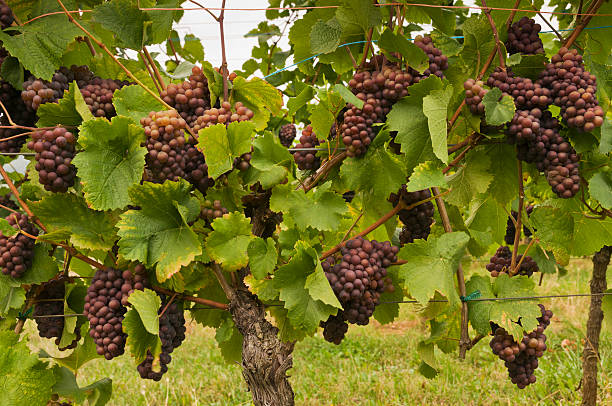
If your opened Pinot Gris has developed off-putting aromas like vinegar, wet cardboard, or mustiness, it’s likely spoiled. Oxidation is the most common culprit—once exposed to air, wine gradually loses its freshness. A noticeable color change, such as the wine turning a deeper gold or brownish tint, also indicates degradation.
Flat or dull flavors lacking the vibrant fruit notes typical of Pinot Gris are another red flag. While drinking spoiled wine isn’t dangerous, it will taste unpleasant. To avoid waste, always smell and taste a small amount before serving.
If the wine seems sharp, sour, or lacks character, it’s best to discard it. Storing wine properly can delay these signs, but even under ideal conditions, opened Pinot Gris won’t stay fresh indefinitely.
Trust your senses—your nose and palate are the best tools for determining if your wine is still enjoyable.
Refrigeration Tips for Opened Bottles
Refrigeration is essential for preserving opened Pinot Gris, as cooler temperatures slow oxidation and bacterial growth. Always reseal the bottle tightly with its original cork or a wine stopper to minimize air exposure. Store the bottle upright in the fridge to reduce the surface area in contact with air.
For best results, consume within 3 to 5 days of opening. If you frequently have leftover wine, consider investing in a vacuum pump or inert gas preserver, which can extend freshness by displacing oxygen.
Avoid storing opened wine in the door of the fridge due to temperature fluctuations—opt for the coldest, most stable section instead. Never leave an opened bottle at room temperature overnight, as heat accelerates spoilage.
By following these simple refrigeration strategies, you’ll maintain the crisp, refreshing qualities of Pinot Gris and get the most out of every bottle.
How Long It Lasts After Opening
An opened bottle of Pinot Gris typically stays fresh for 3 to 5 days when stored properly in the refrigerator. This timeline depends on exposure to oxygen, storage temperature, and the wine’s initial quality.
Light, crisp white wines like Pinot Gris begin to degrade as soon as the bottle is uncorked, gradually losing their aromatic intensity and bright acidity. While it won’t spoil immediately, the flavor profile diminishes over time.
Using wine preservation tools—such as vacuum seals or argon gas sprays—can extend drinkability to up to 7 days. Always reseal the bottle immediately after pouring and return it to the fridge. If you’re unsure, taste before serving; fresh Pinot Gris should have lively fruit notes and a clean finish.
Beyond five days, most bottles will taste flat or stale. For optimal enjoyment, plan to finish within the first few days after opening.
What Factors Affect Pinot Gris Shelf Life?
Impact of Temperature and Light
Proper storage conditions are critical for preserving the freshness and quality of Pinot Gris. Exposure to fluctuating temperatures or excessive heat accelerates chemical reactions in the wine, leading to premature aging and loss of vibrant fruit flavors.
Ideally, Pinot Gris should be stored at a consistent temperature of around 55°F (13°C), whether opened or unopened. Additionally, direct sunlight and UV exposure can degrade the wine’s organic compounds, causing it to develop off-flavors or a ‘skunky’ aroma.
To protect the wine, store bottles in a cool, dark place, preferably lying horizontally if sealed with a cork to keep the seal moist. For opened bottles, reseal tightly and refrigerate—this can extend drinkability for up to 3–5 days.
Maintaining stable, cool conditions significantly enhances shelf life and ensures the wine remains crisp and aromatic until consumption.
Role of Acidity and Sugar Levels
The natural acidity and residual sugar in Pinot Gris play a major role in determining how long the wine lasts. Wines with higher acidity tend to age more gracefully, as acid acts as a natural preservative, maintaining freshness and structure over time.
Most Pinot Gris wines are crafted in a dry, crisp style with moderate to high acidity, making them best consumed within 1–2 years of bottling to enjoy peak flavor. Conversely, off-dry or sweeter styles of Pinot Gris can last longer—up to 3 years—because sugar also helps stabilize the wine.
However, these characteristics don’t make Pinot Gris a candidate for long-term aging like some other varietals. Balanced acidity and sugar help preserve aroma and taste post-opening, especially when refrigerated. For optimal enjoyment, prioritize freshness and consume within the recommended window based on the wine’s style.
How Vintage Influences Longevity
The vintage year—the year the grapes were harvested—can significantly affect how long a Pinot Gris remains at its best. In cooler growing seasons, grapes often retain higher acidity, producing wines with better structure and slightly longer shelf life, potentially lasting up to 2–3 years unopened while maintaining quality.
In contrast, warmer vintages may yield riper, softer wines that peak earlier, ideally consumed within 12–18 months. Limited skin contact and minimal oak aging in most Pinot Gris production also mean the wine lacks tannins and oxidative protection needed for extended aging.
As a result, even excellent vintages are not intended for long cellaring. Always check the bottling date when possible and treat Pinot Gris as a short-to-medium-term wine. For opened bottles, refrigeration and vacuum seals can stretch enjoyment by a few extra days, regardless of vintage.
How to Store Pinot Gris for Maximum Freshness
Ideal Temperature and Humidity Levels
To maximize the freshness of Pinot Gris, store it at a consistent temperature between 45°F and 55°F (7°C–13°C). Fluctuations in temperature can cause the wine to expand and contract, potentially pushing the cork out slightly and allowing oxygen to enter, which leads to premature oxidation.
Avoid storing Pinot Gris in areas with high heat, such as above the stove or near appliances, as warmth accelerates aging and degrades delicate aromas. Humidity levels should be maintained around 60%–70% to keep the cork from drying out, especially in long-term storage.
A dry cork can shrink, creating gaps that let air in and spoil the wine. If you don’t have a wine cellar, consider a dedicated wine cooler or a dark, interior closet away from external walls. Refrigeration is ideal for short-term storage, particularly for opened bottles, but avoid freezing temperatures.
By maintaining stable, cool conditions, you preserve the wine’s crisp acidity and vibrant fruit notes for optimal enjoyment.
Storing Bottles Horizontally vs. Upright
For unopened bottles of Pinot Gris sealed with a natural cork, storing them horizontally is recommended to keep the cork moist and maintain a tight seal. A wet cork prevents air from entering the bottle, which is essential for preserving freshness and preventing oxidation.
However, if the Pinot Gris has a screw cap or synthetic cork, storing it upright is perfectly safe and space-efficient, as these closures are not affected by drying out. Avoid long-term upright storage for cork-sealed bottles, as this can lead to a dried, cracked cork and compromised wine quality.
For short-term storage—up to a few weeks—orientation matters less, but consistency is key. Whether horizontal or upright, ensure bottles are in a dark, vibration-free environment to minimize stress on the wine. Refrigerate opened bottles upright with a wine stopper to reduce surface exposure.
Proper positioning, matched with ideal conditions, helps ensure your Pinot Gris stays fresh and flavorful until serving.
Avoiding Common Storage Mistakes
Many wine lovers unknowingly shorten the lifespan of their Pinot Gris by making common storage mistakes.
One major error is exposure to direct sunlight or artificial light, which can degrade the wine’s organic compounds and create off-flavors—a condition known as ‘light strike.’ Always store Pinot Gris in a dark place, preferably in its original packaging or a wine cabinet with UV protection.
Another mistake is frequent movement or vibration, such as storing wine near a washing machine or in a high-traffic area. Vibrations can disturb sediment and accelerate aging. Storing wine in the kitchen, while convenient, often exposes it to heat, light, and strong odors, all of which compromise quality.
Additionally, leaving an opened bottle without a proper seal can cause it to lose freshness within a day. Use a vacuum stopper or inert gas preserver. By avoiding these pitfalls, you extend the life of your Pinot Gris and enjoy its bright, fruity profile at its best.
Can You Drink Old Pinot Gris?
Is It Safe After Expiration?
Yes, drinking old Pinot Gris is generally safe even after its expiration date, as long as it has been stored properly and shows no signs of spoilage. The ‘best by’ date on wine refers to peak quality, not safety.
Unopened bottles of Pinot Gris typically last 1–2 years past the printed date when stored in a cool, dark place with a consistent temperature. Once opened, the wine should be consumed within 3–5 days if resealed and refrigerated.
Signs of spoilage include a vinegar-like smell, a brownish color, or a sour, sharp taste. If mold is visible around the cork or the wine leaks when opened, discard it immediately. While expired wine won’t make most people sick, its flavor and aroma degrade over time, making it less enjoyable.
Always inspect and smell before drinking to ensure it’s still fresh and palatable.
How Aging Changes Flavor
Pinot Gris is best enjoyed young and fresh, typically within 1–2 years of bottling, to preserve its bright acidity and fruity notes like pear, apple, and citrus. Unlike some white wines, it does not benefit from long-term aging.
Over time, exposure to oxygen—even in sealed bottles—causes flavor degradation and a loss of aromatic intensity. The wine may become flatter, less vibrant, and develop muted or stale characteristics. In rare cases, improper storage (such as exposure to heat or light) accelerates oxidation, leading to a sherry-like or nutty taste.
While not harmful, these changes make the wine less appealing. Unopened bottles stored correctly may retain acceptable quality for up to 3 years, but flavor decline becomes noticeable beyond 2 years. For the best experience, consume Pinot Gris while it’s fresh and within its recommended drinking window.
When to Discard Leftover Wine
Discard leftover Pinot Gris if it has been open for more than 5 days, even when refrigerated and resealed. Oxygen exposure begins degrading the wine immediately, leading to loss of freshness and flavor.
Use your senses: if the wine smells vinegary, tastes sour or dull, or appears cloudy or discolored, it’s time to pour it out. Refrigeration slows oxidation, so always store opened bottles in the fridge with a tight stopper.
For longer preservation, consider a wine preservation system like vacuum seals or inert gas sprays, which can extend freshness to up to 7 days. However, quality diminishes daily. If the wine no longer delivers its characteristic crispness and fruitiness, it’s past its prime.
While not dangerous, drinking flat or oxidized wine offers little pleasure. When in doubt, trust your nose and taste—discard if off-putting.
Tips for Extending the Life of Opened Pinot Gris
Using Wine Preservers and Vacuum Stoppers
One of the most effective ways to extend the life of opened Pinot Gris is by using wine preservers and vacuum stoppers. These tools work by removing or displacing oxygen from the bottle, which is the primary cause of oxidation and flavor degradation.
After pouring, immediately insert a vacuum stopper and pump out the air to create a seal that slows spoilage. Alternatively, inert gas wine preservers release a layer of argon or nitrogen into the bottle, forming a protective blanket over the wine.
This method is especially useful for preserving delicate aromas and crisp acidity in Pinot Gris. For best results, apply the preserver right after opening and store the bottle in the refrigerator.
When used correctly, these tools can keep your Pinot Gris tasting fresh for up to 5–7 days, significantly longer than leaving it uncorked. Always ensure the stopper fits tightly to maintain an airtight seal.
Transferring to Smaller Containers
To maximize the shelf life of opened Pinot Gris, consider transferring the remaining wine into a smaller, airtight container. This reduces the amount of air in contact with the wine, minimizing oxidation. A half-empty bottle has too much headspace, accelerating spoilage.
Use a clean, glass container with a tight-sealing lid—such as a 375ml wine bottle or a mason jar—ensuring no residual odors affect the wine’s flavor. Fill the container to the top to eliminate excess air, then seal and refrigerate.
This method is especially effective when combined with refrigeration and can preserve the wine’s freshness for up to 5 days. Avoid plastic containers, as they may leach chemicals and are less effective at blocking oxygen.
Transferring wine may seem inconvenient, but it’s a simple, low-cost strategy that significantly extends quality and taste, making every glass enjoyable even days after opening.
Best Practices for Re-corking
Proper re-corking is a simple yet crucial step in preserving opened Pinot Gris. Always reinsert the original cork or use a high-quality wine stopper immediately after pouring to minimize air exposure.
Push the cork in straight and firmly to create a tight seal—any gaps allow oxygen to enter and degrade the wine. If the original cork is damaged or difficult to reuse, opt for a rubber or silicone stopper designed for wine bottles, as these provide a more reliable seal.
Avoid using makeshift covers like plastic wrap and rubber bands, which don’t prevent oxidation effectively. For optimal results, store the re-corked bottle upright in the refrigerator to further reduce the wine’s surface area exposed to air. When handled this way, Pinot Gris can remain enjoyable for 3 to 5 days.
Consistent re-corking habits help maintain flavor, aroma, and acidity, ensuring your wine stays as close as possible to its original state.
Best Ways to Enjoy Pinot Gris at Its Peak
Recommended Serving Temperature
To enjoy Pinot Gris at its peak, serve it chilled to between 45°F and 50°F (7°C to 10°C). This temperature range enhances its crisp acidity and aromatic profile, preserving the delicate notes of green apple, pear, citrus, and floral hints.
If served too cold, these flavors can become muted; if too warm, the wine may taste flat or overly alcoholic. Always chill the bottle in the refrigerator for 1.5 to 2 hours before serving, or use an ice bucket for quicker cooling.
Once opened, keep the bottle in the bucket with ice and water to maintain the ideal temperature throughout the meal. Avoid freezing the wine, as this can damage its structure. For best results, use a wine thermometer to verify the temperature.
Serving Pinot Gris correctly ensures a vibrant, refreshing experience that highlights its balance and complexity, especially when enjoyed within its optimal drinking window.
Ideal Food Pairings
Pinot Gris shines when paired with dishes that complement its bright acidity and subtle fruitiness. Opt for light seafood dishes like grilled shrimp, seared scallops, or ceviche, which mirror the wine’s crisp, clean profile.
It also pairs beautifully with fresh salads, goat cheese, or vegetable-based appetizers, where its slight sweetness balances tangy or earthy flavors. For heartier options, try roasted chicken, turkey, or pork tenderloin with herbal seasoning—these proteins won’t overpower the wine’s delicate character.
Avoid overly spicy or heavily charred foods, as they can overwhelm its subtleties. Vegetarian dishes like risotto with spring vegetables or grilled asparagus also make excellent companions. The key is harmony: let the wine’s acidity cut through richness while its fruit notes enhance freshness.
When matched thoughtfully, Pinot Gris elevates the meal and reveals layers of flavor that linger on the palate.
How to Tell When It’s at Its Best
Pinot Gris is best enjoyed within 1 to 2 years of the vintage date, as it doesn’t benefit significantly from long-term aging.
To determine peak freshness, check the color: a vibrant, pale straw or light gold hue indicates youth and vitality, while deepening gold or amber tones suggest oxidation and decline.
Swirl and smell: a lively nose with crisp apple, pear, citrus, or floral notes means the wine is at its best, but dull or musty aromas signal it’s past prime. On the palate, look for balanced acidity and bright fruit flavors—flabbiness or bitterness means it’s no longer fresh.
If the bottle has been open for more than 3 days, even refrigerated, it’s likely degraded. Always store unopened bottles in a cool, dark place on their side to preserve the cork. When in doubt, taste early—Pinot Gris rewards prompt enjoyment.
Frequently Asked Questions
How long does unopened Pinot Gris last?
Unopened Pinot Gris typically lasts 1–2 years from the vintage date when stored properly in a cool, dark place. Most bottles are best consumed within a year to enjoy their fresh, fruity flavors.
How long can you keep opened Pinot Gris?
Once opened, Pinot Gris will stay fresh for 3–5 days if stored in the refrigerator with a wine stopper. Using a vacuum seal can help extend its freshness slightly.
Does Pinot Gris go bad?
Yes, Pinot Gris can go bad. Signs include a dull color, flat or vinegary smell, and an off taste. Unopened bottles past their prime or opened bottles kept too long will degrade in quality.
Should I age Pinot Gris?
Pinot Gris is not meant for long-term aging and is best enjoyed within 1–2 years of the vintage. Extended aging can cause it to lose its vibrant fruit notes and freshness.
How should I store unopened Pinot Gris?
Store unopened Pinot Gris horizontally in a cool, dark place with a consistent temperature around 55°F (13°C) and moderate humidity to preserve the cork and wine quality.
Can you drink expired Pinot Gris?
Drinking expired Pinot Gris is generally safe but not recommended if it smells or tastes off. While it won’t make you sick, the flavor will likely be dull or unpleasant.
Conclusion
Pinot Gris is best enjoyed within 1 to 3 years of bottling, with most bottles peaking in flavor within the first two years. Proper storage—cool, dark, and horizontal—can preserve its freshness. Once opened, consume within 3 to 5 days. While it doesn’t age like some wines, its vibrant acidity and fruity notes make it a delightful choice for casual sipping. Embrace its youthful charm and explore different regions to find your perfect match.