How Long Does Open Wine Last
Wondering how long your open bottle of wine will stay fresh? You’re not alone—once that cork’s out, the clock starts ticking. The good news? Most wines last 3 to 5 days after opening if stored properly, with reds and whites holding up a little differently. In this guide, we’ll break down exactly how long each type lasts, the best storage tips to extend freshness, and simple tricks to enjoy every last sip without waste.
How Long Does Open Wine Last by Type
How long does open red wine last
An opened bottle of red wine typically lasts 3 to 5 days when stored properly. To maximize freshness, recork the bottle and store it in a cool, dark place or refrigerate it.
Lighter reds like Pinot Noir are more delicate and may degrade faster, while fuller-bodied reds such as Cabernet Sauvignon can maintain quality longer due to higher tannin levels. Using a wine preserver or vacuum pump can help reduce oxidation and extend shelf life.
Avoid leaving red wine exposed to air at room temperature for more than a day. If the wine starts to smell vinegary or flat, it’s past its prime. Taste testing after day three is recommended to ensure quality.
How long does open white wine last
An opened bottle of white wine lasts 5 to 7 days when stored correctly. The key is refrigeration—always recork or seal the bottle and place it in the fridge to slow oxidation.
Crisp, acidic whites like Sauvignon Blanc and Pinot Grigio hold up well, while aromatic varieties such as Riesling may lose their fragrance more quickly. Using inert gas sprays or vacuum stoppers can further preserve flavor. Before serving, chill the wine to its ideal temperature.
If the color darkens or the aroma turns sour, it’s time to discard it. Avoid storing open white wine at room temperature, as heat accelerates spoilage. Proper storage ensures you enjoy fresh, vibrant flavors throughout the week.
How long does open rosé last
An opened bottle of rosé wine can last 5 to 7 days when stored in the refrigerator. Rosé, like white wine, benefits from cool, dark storage conditions and should be tightly sealed with a cork or wine stopper.
Its delicate flavor profile makes it susceptible to oxidation, so limiting air exposure is crucial. Light, fruity rosés from Provence or Spain retain freshness best when chilled. If the wine develops a dull color or flat taste, it’s no longer at its best.
Using a wine preservation tool can help maintain quality. Avoid leaving rosé out at room temperature after opening. With proper care, you can enjoy its bright, refreshing character for nearly a week.
How long does open sparkling wine last
An opened bottle of sparkling wine lasts 1 to 3 days if sealed correctly. The biggest challenge is retaining carbonation, so use a specialized sparkling wine stopper designed for champagne bottles. Refrigeration is essential—always store open sparkling wine in the fridge.
Prosecco, Cava, and Champagne lose their fizz quickly once exposed to air, with most losing effervescence within 24 hours. While the taste may remain acceptable for a couple more days, the bubbles diminish rapidly. Avoid using regular corks or plastic wrap.
For best results, consume within 1–2 days for optimal freshness and sparkle. If it tastes flat or dull, it’s past its peak.
Factors That Affect How Long Open Wine Stays Fresh

Exposure to air and oxidation
Once wine is opened, exposure to air triggers oxidation, which alters flavor and aroma. Oxygen initially softens tannins and enhances bouquet, but prolonged contact causes wine to turn flat or vinegary. Minimizing air contact is key to preserving freshness.
Use airtight stoppers and store opened bottles upright to reduce surface area exposed. Vacuum pumps or inert gas sprays can help displace oxygen. Lightly filled bottles degrade faster due to higher air-to-wine ratio. For best results, consume still wines within 3–5 days.
Sparkling wines lose effervescence quicker—typically within 1–3 days—so use specialized champagne stoppers. Oxidation cannot be reversed, so prompt, proper sealing is essential to extend drinkability and maintain quality.
Storage temperature after opening
Storing opened wine at the correct temperature significantly affects its shelf life. Cooler temperatures slow oxidation and bacterial growth, preserving freshness. Always refrigerate opened wine, even reds—this may seem counterintuitive, but chilling helps maintain balance and aroma. Use a wine fridge or standard refrigerator, ideally between 45–55°F (7–13°C).
Avoid temperature fluctuations, which accelerate spoilage. Return reds to room temperature before serving. Consistent cold storage can extend the life of opened wine up to five days. Avoid leaving wine at room temperature for more than a few hours post-opening.
For longer preservation, consider smaller transfers into half-bottles or use wine preservation systems that maintain optimal temperature and gas conditions.
Light and humidity conditions
Exposure to direct light, especially UV rays, degrades wine compounds and speeds spoilage. Always store opened wine in a dark place, such as a pantry or wine cabinet, to protect its integrity. Fluorescent and sunlight can trigger chemical reactions that produce off-flavors.
Humidity control also matters—too much moisture encourages mold on corks, while too little dries them out, increasing air leakage. Aim for 50–80% humidity. While less critical for short-term storage, maintaining stable conditions ensures seal integrity. Use tinted glass bottles when possible, and avoid storing wine near windows or bright lights.
For optimal freshness, combine darkness, moderate humidity, and cool temps—this trifecta preserves aroma, flavor, and structure far longer after opening.
Wine alcohol and sugar content
Wines with higher alcohol or sugar levels naturally resist spoilage longer after opening. The preservative effect of alcohol inhibits microbial growth, while sugar acts as a stabilizer—making fortified and dessert wines last significantly longer than dry table wines.
For example, Port or Sauternes can remain enjoyable for up to 5–7 days when refrigerated, compared to 3–4 days for most reds and whites. Tannin-rich reds also fare better due to natural antioxidants. Conversely, low-alcohol, dry wines degrade faster. Know your wine type—use this as a guide for consumption timelines.
Pair high-sugar or high-alcohol storage with proper sealing and refrigeration to maximize shelf life. This understanding helps prioritize which bottles to finish first.
Best Ways to Store Open Wine
Refrigerate wine after opening
Storing open wine in the refrigerator significantly slows oxidation, helping preserve its flavor and aroma. This method works for both red and white wines, though it’s especially effective for whites, rosés, and sparkling wines. The cooler temperature reduces chemical reactions that degrade wine quality.
Always re-cork the bottle or use a sealable stopper before refrigerating. While full-bodied reds may lose some complexity over time, chilling helps them last up to 3–5 days instead of spoiling within a day at room temperature.
For best results, allow reds to return to their ideal serving temperature before drinking. Refrigeration is one of the simplest and most effective ways to extend the life of an opened bottle, making it a go-to solution for most wine drinkers.
Use a vacuum pump and stopper
A vacuum pump and stopper removes oxygen from the bottle, reducing oxidation and helping wine stay fresh longer. After opening, firmly insert the stopper and use the pump to extract air. This method can extend the life of most wines by 3–5 days, especially lighter reds and whites.
While it won’t preserve delicate aromas indefinitely, it’s a practical and affordable solution for casual drinkers. Note that sparkling wines should not be vacuum-sealed, as this can flatten them further. Also, the effectiveness diminishes with larger air pockets in half-empty bottles. For best results, combine this method with refrigeration.
Vacuum systems are easy to use and widely available, making them a reliable choice for those who enjoy wine in moderation.
Transfer wine to a smaller bottle
Transferring leftover wine to a smaller, airtight container minimizes its exposure to oxygen, the main cause of spoilage. By reducing headspace, you slow down oxidation and preserve freshness for up to 5 days.
Use a clean glass bottle or jar with a tight seal, and pour carefully to avoid introducing air. This method works well for all wine types and is especially useful when only a small amount remains.
While it requires a bit more effort, it’s highly effective and cost-efficient, eliminating the need for special tools. Avoid plastic containers, as they can leach flavors and allow air permeation. Transferring wine is a smart, minimalist strategy that maximizes shelf life using basic kitchen supplies.
Seal with a regular cork or cap
Re-corking an opened wine bottle or using a tight-fitting cap helps slow oxidation by limiting air entry. While not as effective as specialized tools, a proper seal combined with refrigeration can keep wine drinkable for 2–4 days.
Ensure the original cork is clean and fully inserted, or use a screw-top cap if the bottle has threads. This method works best when the bottle is more than half full, reducing air space. For screw-cap wines, simply twisting the cap back on tightly is sufficient.
Though it won’t fully prevent degradation, it’s a quick, accessible solution for short-term storage. Always store upright to minimize surface exposure. Sealing with a cork or cap is a simple first step anyone can take to preserve open wine.
Signs Your Open Wine Has Gone Bad
Smell the wine for off odors
One of the most reliable indicators that your open wine has gone bad is a noticeable change in smell. Fresh wine should have vibrant, fruity, or floral aromas depending on the variety.
If you detect sharp, sour, or musty odors—like wet cardboard, vinegar, or wet dog—the wine has likely oxidized or been contaminated by bacteria. Acetaldehyde, a compound formed during oxidation, often gives wine a bruised apple or nutty smell, especially in whites.
Red wines may lose their rich berry notes and develop a stale scent. Trust your nose: if something seems off, it’s better to err on the side of caution. To minimize spoilage, re-cork the bottle and store it in the refrigerator.
Most wines last 3–5 days after opening when stored properly, but delicate wines like Pinot Noir may degrade faster.
Check for color changes
A visible shift in color can signal that your open wine is past its prime. White wines, when fresh, range from pale straw to golden yellow. Over time, exposure to oxygen causes them to darken into deep amber or brownish hues—a sign of oxidation.
Red wines, on the other hand, may lose their vibrant red or purple tones and take on a brick-red or brown edge, especially around the rim of the glass. While subtle changes are normal within a few days, dramatic discoloration usually means the wine has degraded.
Use a clear glass and natural light to assess the color accurately. Wines stored upright or left uncorked accelerate this process. To extend freshness, use a vacuum stopper and refrigerate. Generally, open reds last 3–5 days, while whites and rosés last 3–7 days when chilled.
Taste for sour or vinegary flavor
If your wine tastes sharp, sour, or like vinegar, it has likely been exposed to too much oxygen or contaminated with acetobacter bacteria, which converts alcohol into acetic acid. Fresh wine should have balanced acidity, fruitiness, and complexity.
A vinegar-like taste is a definitive sign the wine has spoiled and should not be consumed. While a slightly tangy note might not be harmful, it severely impacts enjoyment. This process, known as acetic acid spoilage, often accompanies off smells and color changes.
To prevent this, limit air exposure by transferring leftover wine to a smaller container or using wine preservation tools. Most wines remain drinkable for 3 to 5 days after opening if stored correctly. If in doubt, take a small sip—your taste buds are a powerful tool for detecting spoilage early.
Look for fizz in non-sparkling wine
The presence of unexpected bubbles or fizz in a still wine is a red flag. Non-sparkling wines should be flat; any effervescence suggests unwanted fermentation has restarted in the bottle, often due to exposure to heat or residual yeast. This can lead to off-flavors, cloudiness, or pressure buildup.
While not always dangerous, it indicates the wine is unstable and compromised. Store open wine in a cool, dark place—preferably the refrigerator—to slow microbial activity. Avoid leaving wine at room temperature for more than a day.
Using an inert gas spray or vacuum pump can help preserve still wines by reducing oxygen contact. Typically, still wines last 3–5 days after opening. If you see fizz where it doesn’t belong, it’s safest to discard the wine and open a fresh bottle.
How to Extend the Life of Open Wine
Use inert gas preservers
One of the most effective ways to extend the life of open wine is by using inert gas preservers. These products, such as wine preservation sprays or systems like Private Preserve, release a blend of argon, nitrogen, and carbon dioxide into the bottle before sealing.
These gases are heavier than oxygen and form a protective layer over the wine, preventing oxidation—the primary cause of spoilage. Simply spray the gas into the open bottle and re-cork it. This method can keep wine tasting fresh for up to 5–7 days, depending on the varietal.
Inert gas is especially effective for delicate wines like Pinot Noir or aromatic whites. The process is quick, affordable, and requires no special equipment, making it a practical solution for casual drinkers and serious enthusiasts alike.
Limit wine exposure when pouring
Every time you pour a glass of open wine, you expose it to oxygen, accelerating oxidation and diminishing flavor. To minimize air contact, use a wine stopper with a tight seal and pour quickly and smoothly.
Consider transferring leftover wine into a smaller container, such as a half-bottle or 375ml vessel, to reduce headspace—the empty space where oxygen accumulates. Using a wine pump or vacuum sealer can also help, though these are less effective for long-term storage.
Avoid leaving the bottle uncorked on the counter while serving. By being mindful of how often and how long the wine is exposed during pouring, you can preserve its aroma and taste for several extra days, especially with full-bodied reds and fortified wines.
Store bottles upright to reduce air contact
Storing open wine bottles upright instead of on their side significantly reduces the surface area exposed to oxygen inside the bottle. When a wine is lying down, the liquid spreads across the cork or stopper, increasing oxidation risk.
Keeping the bottle upright concentrates the wine at the bottom, minimizing its interaction with air. This is especially helpful when combined with a tight seal or inert gas. While unopened wines are stored on their sides to keep corks moist, open bottles no longer need this protection.
Refrigeration is also key—cool temperatures slow chemical reactions, preserving freshness. This upright method is ideal for both white and red wines and can help maintain quality for 3–5 days after opening, depending on the wine type and storage conditions.
Label bottles with opening date
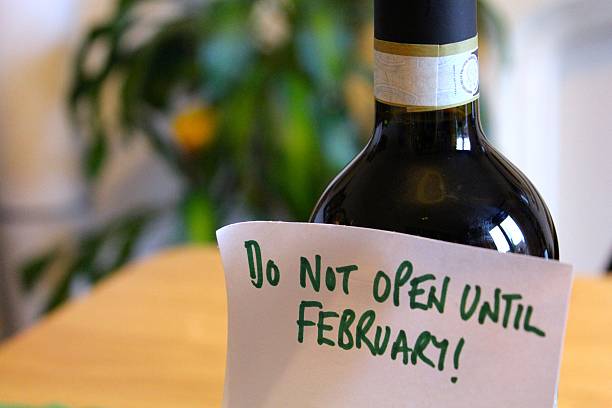
A simple yet powerful habit to extend wine enjoyment is labeling open bottles with the opening date. This allows you to track freshness and make informed decisions about when to drink or discard. Use a dry-erase marker or adhesive label to note the date clearly on the bottle.
This practice promotes first-in, first-out usage, ensuring older open bottles are consumed before newer ones. It also helps identify how long different wines last under your storage conditions—some may last 3 days, others up to a week. Labeling is especially useful when storing multiple open bottles in the fridge.
Over time, you’ll learn which wines hold up best and which need quicker consumption. This small step brings consistency and reduces waste, maximizing both quality and value.
Differences Between Wine Types and Shelf Life After Opening
Why full-bodied reds last longer than light whites
Full-bodied red wines, such as Cabernet Sauvignon or Syrah, last longer after opening—typically 4–6 days—due to higher tannin and alcohol content. Tannins act as natural preservatives, slowing oxidation and microbial spoilage. The robust structure of these wines helps them maintain flavor and aroma even after exposure to air.
In contrast, light white wines like Pinot Grigio have lower tannins and more delicate compounds, making them prone to rapid degradation. To maximize shelf life, store opened reds in a cool, dark place with a vacuum seal or inert gas. Avoid leaving them at room temperature for extended periods.
Refrigeration after opening can further extend freshness, especially for lighter reds.
How sweetness helps preserve open wine
Sweet wines, such as Riesling or Sauternes, stay fresh longer after opening—often up to 5–7 days—because sugar acts as a natural preservative. Higher sugar content inhibits microbial growth and slows oxidation, helping retain the wine’s balance and complexity.
The acidity in many sweet wines also contributes to longevity by creating an inhospitable environment for spoilage organisms. To preserve opened sweet wines, always re-cork and refrigerate. Using a wine preserver spray or inert gas can further extend freshness.
Unlike dry wines that degrade quickly, the concentrated flavors of sweet wines resist flattening for several days. Taste before serving to ensure quality, but most sweet wines remain enjoyable well beyond the first pour.
The short lifespan of sparkling wines
Sparkling wines like Champagne or Prosecco have the shortest shelf life after opening—typically just 1–3 days—due to their effervescence. Once uncorked, carbon dioxide escapes rapidly, causing the wine to go flat. While the wine doesn’t spoil immediately, the loss of bubbles significantly diminishes its character and appeal.
To preserve fizz, use a specialized sparkling wine stopper and refrigerate immediately. Avoid regular corks or screw caps, as they can’t withstand internal pressure. Even with proper sealing, expect gradual loss of sparkle. For best results, consume within 24 hours for premium bubblies.
If flat, use leftover sparkling wine in cooking or cocktails rather than drinking it straight.
Fortified wines: longer freshness after opening
Fortified wines such as Port, Sherry, and Madeira can last weeks or even months after opening due to added spirits, which increase alcohol content and stability. The higher alcohol level—often 17–20% ABV—acts as a preservative, inhibiting oxidation and microbial activity.
Depending on style, oxidized types like Oloroso Sherry or Tawny Port are especially resilient, lasting 4–6 weeks or more when stored properly. Store upright in a cool, dark place; refrigeration is optional but can extend freshness. Avoid heat and light exposure. Unlike table wines, fortified versions don’t require immediate consumption.
Check for off aromas or sourness before serving, but most remain stable far beyond typical wine shelf life.
Common Myths About Open Wine Storage
Myth: All wine goes bad in 3 days
The idea that all open wine spoils within 3 days is misleading. The shelf life of an open bottle depends on the wine type and storage method.
Light white and rosé wines can last 4–7 days in the fridge with a proper stopper, while full-bodied whites like Chardonnay may begin to degrade sooner. Red wines typically last 3–5 days at room temperature if re-corked, though refrigeration can extend freshness. Sparkling wines usually lose fizz within 1–3 days.
Using inert gas sprays or vacuum pumps helps preserve wine longer. Monitoring aroma and taste is the best way to determine if wine is still good—oxidized wine smells like vinegar but is safe to drink.
Myth: Leaving wine out preserves flavor
Leaving open wine at room temperature does not preserve its flavor—in fact, it accelerates oxidation and spoilage. Exposure to oxygen breaks down delicate aromas and alters taste, leading to flat or sour notes. While some red wines benefit from short-term aeration before drinking, prolonged exposure degrades quality.
Storing open wine in the refrigerator slows oxidation and microbial growth, preserving freshness. Even reds can be refrigerated and gently brought back to serving temperature before pouring. Using airtight stoppers enhances protection.
Temperature stability is key: consistent cool storage extends life far better than room-temperature exposure, debunking the myth that ‘air helps it breathe’ long-term.
Myth: A spoon in sparkling wine keeps it fizzy
Placing a spoon in the neck of a sparkling wine bottle is a popular but ineffective method for retaining carbonation. The belief is that the spoon traps gas, but scientific tests show minimal difference between spoon-stored and stoppered bottles.
What truly preserves fizz is an airtight sparkling wine stopper and refrigeration. Carbon dioxide escapes rapidly without a proper seal, regardless of spoon placement. Sparkling wines like Champagne or Prosecco typically stay bubbly for 1–3 days with a proper closure.
For best results, reseal immediately after pouring and avoid temperature fluctuations. While the spoon myth is charming, reliable sealing methods are essential for maintaining effervescence and flavor.
Myth: Any cork can seal wine indefinitely
Reusing the original cork or using a generic one does not provide a reliable seal for open wine. Natural corks expand and contract, often failing to reseal tightly after removal. This allows oxygen ingress, speeding up oxidation and spoilage.
Purpose-designed wine stoppers, made from silicone or stainless steel with rubber gaskets, create an airtight barrier that significantly extends shelf life. Even then, no seal lasts indefinitely—most open wines remain fresh for 3–7 days with optimal tools. For longer preservation, consider wine preservation systems using inert gas.
Proper sealing is only one factor; storage temperature and light exposure also impact longevity. Don’t rely on makeshift corks—use the right tools for best results.
Frequently Asked Questions
How long does an opened bottle of red wine last?
An opened bottle of red wine typically lasts 3 to 5 days when stored properly in a cool, dark place with a cork. Lighter reds may degrade faster, while higher tannin wines like Cabernet Sauvignon tend to last longer.
How long does an opened bottle of white or rosé wine last?
Opened white and rosé wines can last 5 to 7 days if refrigerated with a cork or stopper. Chilling slows oxidation and preserves freshness longer than at room temperature.
Does sparkling wine last as long as still wine after opening?
No, sparkling wines like Champagne or Prosecco last only 1 to 3 days even when refrigerated with a proper sparkling wine stopper. They lose carbonation quickly after opening.
Can you tell if opened wine has gone bad?
Yes, signs of spoiled wine include a vinegary smell, dull or brownish color, and a flat or sour taste. If it smells or tastes off, it’s best not to drink it.
Does using a wine preserver extend the life of open wine?
Yes, wine preservers that use inert gas or vacuum pumps can extend the life of open wine by reducing oxidation, potentially adding a few extra days of freshness when stored properly.
Should I refrigerate all opened wines?
Yes, refrigeration is recommended for all opened wines to slow oxidation. Even red wines benefit from being stored in the fridge after opening, especially beyond the first day.
Does the type of wine closure affect how long wine lasts after opening?
Yes, using a tight-fitting cork or wine stopper helps preserve wine longer by minimizing air exposure. Poor seals can accelerate spoilage.
Can you freeze leftover wine?
Yes, you can freeze leftover wine in ice cube trays for cooking later. While freezing changes texture and isn’t ideal for drinking, it preserves flavor for use in sauces and recipes.
Conclusion
Open wine typically lasts 3 to 5 days when stored properly in the refrigerator with a cork or stopper. Red wines generally last slightly longer than whites, while fortified wines can last weeks. The key is minimizing exposure to oxygen, heat, and light. Using wine preservation tools can extend freshness. Don’t hesitate to enjoy leftover wine—proper storage means great taste beyond the first pour. Savor every glass with confidence!