
How Long Does Open White Wine Last
Wondering how long your open white wine lasts before it goes bad? You’re not alone—once that bottle is uncorked, the clock starts ticking. The good news? With the right storage, most white wines stay fresh and tasty for 3 to 5 days in the fridge. We’ll break down exactly what affects shelf life, how to store it properly, and signs it’s time to pour it out—so you can enjoy every glass without waste. Let’s dive in.
How Long Does Open White Wine Last at Room Temperature?
Factors That Affect Shelf Life
Several key factors determine how long open white wine lasts at room temperature. The type of wine plays a major role—lighter whites like Pinot Grigio degrade faster than fuller-bodied varieties such as Chardonnay. Exposure to oxygen accelerates oxidation, which dulls flavor and aroma.
Higher room temperatures speed up chemical reactions, shortening shelf life significantly. Wines with higher acidity or residual sugar tend to last slightly longer due to natural preservative qualities. The seal quality of the bottle also matters; a tight stopper reduces air contact.
Additionally, light exposure can degrade wine compounds, so storing in a dark place helps. Even with favorable conditions, room temperature storage is not ideal for opened white wine. For best results, limit exposure to heat and air, and consider refrigeration to slow spoilage.
Understanding these variables helps extend freshness and enjoyment.
Signs Your Wine Has Gone Bad
Knowing when open white wine has spoiled ensures you avoid unpleasant tastes and wasted drinks. Color changes are a clear indicator—white wine may turn deeper yellow or even brownish due to oxidation.
Smell is a strong clue; if the wine smells vinegary, musty, or like wet cardboard, it’s likely gone bad. Flat or dull taste, lacking the wine’s original crispness, signals degradation. In some cases, the wine may develop a sour or sharp aftertaste, resembling apple cider vinegar.
Bubbliness in still wine can indicate unintended fermentation. While not harmful, spoiled wine loses its intended character and balance. Trust your senses—if something seems off, it’s safer to pour it out. These visible, aromatic, and flavor cues help you assess quality quickly.
Regularly checking your open bottle prevents consuming degraded wine and maintains your appreciation for quality taste.
Best Practices for Short-Term Storage
To maximize how long open white wine lasts, refrigeration is essential, even for short-term storage. Cold temperatures slow oxidation and bacterial growth, preserving freshness far better than room temperature. Always reseal the bottle tightly using the original cork, a wine stopper, or a vacuum seal to minimize air exposure.
Store the bottle upright to reduce the wine’s surface area in contact with oxygen. If possible, transfer leftover wine to a smaller container to further limit air space. Avoid placing the wine near heat sources or in direct sunlight. For optimal quality, consume within 3 to 5 days.
While some wines may last slightly longer, flavor and aroma diminish over time. These simple, consistent steps help maintain the wine’s integrity and ensure a more enjoyable experience with every pour.
How to Store Open White Wine in the Refrigerator
Why Cold Storage Slows Oxidation
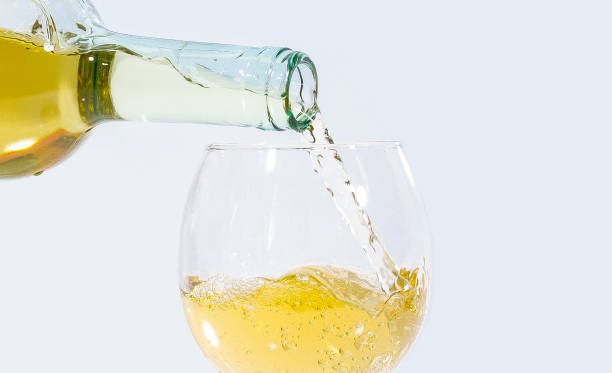
Storing open white wine in the refrigerator slows down oxidation, the primary reason wine degrades after opening. When wine is exposed to air, oxygen reacts with its compounds, altering flavor, aroma, and freshness. Cold temperatures reduce the rate of these chemical reactions, helping preserve the wine’s original characteristics.
The refrigerator’s consistent chill—typically between 35°F and 40°F (2°C to 4°C)—acts as a buffer, extending the wine’s drinkable life. Refrigeration is especially effective for white wines, which are more delicate than reds and more prone to spoilage at room temperature.
For best results, always re-cork the bottle or use a proper closure before refrigerating. This combination of cold and sealed storage can significantly delay the flat, vinegary taste oxidation causes.
While refrigeration doesn’t stop oxidation completely, it dramatically slows it, making cold storage a simple, effective method to enjoy your wine for several days after opening.
Using Wine Stoppers to Preserve Freshness
After opening white wine, using an airtight wine stopper is essential for maintaining freshness. Standard corks often don’t create a tight seal once removed, allowing air to seep in and speed up oxidation. A high-quality stopper—such as a silicone or vacuum seal—forms a secure barrier that limits oxygen exposure.
Vacuum pumps can remove air from the bottle, further reducing oxidation, though they may slightly alter delicate aromas. For everyday use, a well-fitted solid stopper is usually sufficient. Always insert the stopper firmly and store the bottle upright to minimize the wine’s surface area exposed to air.
This is especially important in the refrigerator, where temperature stability supports preservation. Reusable stoppers are also eco-friendly and cost-effective over time. By combining an airtight closure with cold storage, you maximize the lifespan and quality of your open white wine, keeping it tasting fresh and vibrant for days.
How Long It Stays Good After Opening
An open bottle of white wine typically stays good for 3 to 5 days when stored properly in the refrigerator. The exact timeframe depends on the wine’s body and acidity—crisp, high-acid whites like Sauvignon Blanc or Pinot Grigio tend to last longer than fuller-bodied styles.
If sealed with an airtight stopper and kept cold, most whites retain their freshness, fruitiness, and balance within this window. After day 5, gradual oxidation usually leads to flattened flavors and a dull aroma. While the wine isn’t harmful, its quality diminishes.
Signs it’s past its prime include a sharp, vinegar-like smell, loss of fruit character, or a stale taste. To get the best experience, always re-cork and refrigerate immediately after pouring. For extended storage beyond 5 days, consider transferring leftover wine to a smaller container to reduce air exposure.
Ultimately, drinking within 3–5 days ensures optimal taste and enjoyment.
What Is Oxidation and How It Affects White Wine
How Oxidation Changes Flavor and Aroma
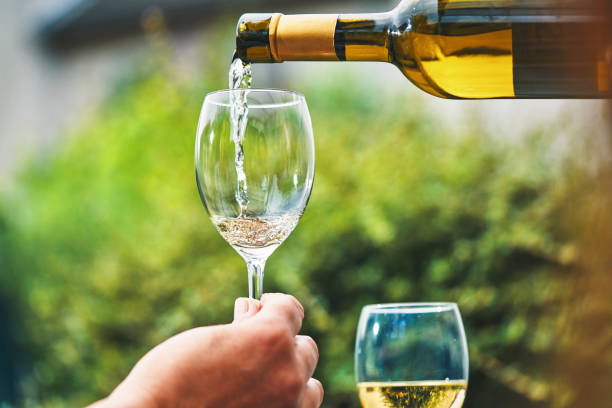
Oxidation occurs when white wine is exposed to oxygen, leading to chemical changes that alter flavor and aroma over time. Initially, fresh notes of citrus, apple, or floral tones may fade, replaced by flat, dull, or nutty characteristics.
In severe cases, the wine can develop a sherry-like taste or smell like wet cardboard, indicating it has spoiled. Acidity may seem less vibrant, and the overall balance of the wine deteriorates.
While small amounts of oxygen can enhance complexity in aged wines, open bottles degrade quickly—usually within 3–5 days, even when refrigerated. The process accelerates at room temperature. To preserve quality, limit air contact immediately after opening by resealing tightly. Using vacuum stoppers or inert gas sprays can slow oxidation.
Recognizing early signs—like browning in color or muted aromas—helps you enjoy the wine at its best and avoid off-putting tastes caused by prolonged exposure.
Wines Most Vulnerable to Oxidation
Not all white wines resist oxidation equally—lighter, low-acid varieties spoil faster once opened. Wines like Pinot Grigio, Sauvignon Blanc, and unoaked Chardonnay are especially sensitive due to their delicate aromatic profiles and minimal preservative structure. Wines without added sulfites also degrade more quickly, as these compounds help protect against oxidation.
Conversely, high-acid wines like Riesling or those with residual sugar, such as some Gewürztraminers, tend to last slightly longer—up to 5–7 days refrigerated—because acidity and sugar act as natural stabilizers.
Sparkling whites, including Prosecco and Champagne, are highly vulnerable; their fizziness dissipates rapidly, often within 1–2 days, even with a specialized stopper. Knowing your wine’s profile helps set realistic expectations. Always store opened bottles in the fridge and use airtight closures to extend freshness, especially for more fragile styles.
Ways to Minimize Air Exposure
To extend the life of open white wine, reduce oxygen contact immediately after pouring. Transfer leftover wine to a smaller container to minimize headspace, or use a vacuum pump with an airtight stopper to remove air from the bottle.
Inert gas preservers—which release a protective layer of argon or nitrogen—create a barrier between wine and oxygen, effectively extending freshness by several days. Always refrigerate opened white wine, as cooler temperatures slow chemical reactions, including oxidation.
Avoid storing bottles upright for long periods; keep them sealed and chilled horizontally if using a stopper to keep the cork moist. For best results, consume within 3–5 days. These practical steps help preserve flavor and aroma, ensuring your wine remains enjoyable.
Investing in wine preservation tools pays off, especially if you drink slowly or enjoy a glass occasionally.
Best Ways to Extend the Life of Opened White Wine
Vacuum Pumps and Wine Savers
Using a vacuum pump is one of the most accessible and effective ways to extend the life of opened white wine. These devices work by removing oxygen from the bottle after opening, which slows oxidation—the main culprit behind spoiled wine.
To use, simply insert the stopper into the bottle neck and pump out the air until you hear resistance. This method can keep your white wine tasting fresh for up to 5 days when stored in the refrigerator.
While vacuum systems are affordable and easy to use, they’re most effective with still white wines like Sauvignon Blanc or Pinot Grigio. Avoid using them with sparkling wines, as the pressure can compromise the seal. For best results, reapply the pump each time you pour another glass.
Regular maintenance of the stoppers and pumps ensures a tight seal and consistent performance. Overall, vacuum wine savers offer a practical, budget-friendly solution for casual drinkers who want to enjoy quality wine over several days.
Inert Gas Preservers Explained
Inert gas wine preservers are a highly effective solution for extending the shelf life of opened white wine. These products release a layer of food-grade, odorless, and tasteless gases—like argon or nitrogen—into the bottle, which settle on top of the wine and create a protective barrier against oxygen.
Because oxidation degrades wine quality, this shield helps preserve the original flavor, aroma, and acidity for up to 7 days when refrigerated. Simply spray the gas into the bottle before recorking. Argon is preferred because it’s heavier than air and stays in place longer.
While the initial cost is higher than vacuum pumps, a single can lasts for dozens of uses. This method works exceptionally well with aromatic whites like Riesling or Chardonnay. For maximum effectiveness, minimize headspace and always store the bottle upright.
Inert gas preservers are ideal for wine enthusiasts who frequently enjoy premium bottles over multiple sittings.
Transferring to Smaller Bottles
One of the simplest yet most effective ways to preserve opened white wine is transferring it to a smaller bottle with minimal air exposure. The key to longevity is reducing headspace—the empty space where oxygen accumulates and accelerates spoilage.
Pour the leftover wine into a clean, airtight container such as a half-bottle or glass jar with a tight seal. This method can extend freshness for up to 5–7 days in the refrigerator. Use a funnel to avoid spills and ensure the new container is sanitized to prevent contamination.
While this technique doesn’t require special tools, it does mean sacrificing some wine due to transfer loss. It’s especially helpful when you have only a small amount left. For best results, fill the smaller bottle as full as possible and label it with the date.
This low-tech, cost-free method is excellent for households that don’t want to invest in preservation gadgets but still want to minimize waste.
How Different Types of White Wine Last After Opening
Sauvignon Blanc and Pinot Grigio
Sauvignon Blanc and Pinot Grigio are light, crisp white wines known for their bright acidity and fresh fruit flavors, which begin to fade quickly after opening. These wines last 3 to 5 days when properly stored.
To maximize freshness, re-cork the bottle immediately after pouring and store it upright in the refrigerator. The cold temperature slows oxidation, helping preserve the wine’s vibrant character. Using a wine stopper with a vacuum seal can further extend its life by reducing air exposure.
Avoid leaving the bottle at room temperature, as heat accelerates spoilage. While the wine won’t spoil in the dangerous sense, it will lose its aromatic intensity and become flat or dull. If it smells vinegary or tastes noticeably off, it’s best to discard it.
For optimal enjoyment, consume within the first 2–3 days for the best balance of flavor and freshness.
Chardonnay and Oaked Varietals
Chardonnay, especially oaked styles, has a fuller body and richer texture due to malolactic fermentation and barrel aging, which also influences how long it lasts after opening. These wines can stay drinkable for 5 to 7 days when stored correctly.
The oak aging adds complexity and slight tannic structure, offering more resistance to oxidation than lighter whites. To preserve quality, always refrigerate the opened bottle with a tight seal.
A cork or wine stopper works well, and using an inert gas preserver can significantly extend shelf life by creating a protective layer over the wine. While the fruit flavors may mellow over time, the creamy, buttery notes tend to remain stable.
Check for off-odors or a sharp, sour taste before serving. If the wine smells like wet cardboard or nail polish remover, it has degraded too far. For best results, finish within a week for peak enjoyment.
Sweet and Dessert Wines
Sweet white wines like Riesling, Sauternes, and late-harvest varieties have high sugar content and often higher acidity, both of which act as natural preservatives. These wines can last 5 to 7 days, with some fortified styles lasting even longer—up to several weeks.
The sugar slows microbial activity and oxidation, helping maintain flavor integrity. To get the most out of an opened bottle, store it in the refrigerator with a secure closure. A cork, stopper, or even plastic wrap and rubber band can prevent air exposure.
Fortified dessert wines like Tokaji or Vin Santo can last up to a month due to their elevated alcohol and sugar levels. Always inspect the wine before serving: if it smells musty, overly fermented, or like sherry (unless intended), it’s past its prime.
Label the bottle with the opening date to track freshness. For best quality, consume within one week for unfortified and up to three weeks for fortified styles.
Tips for Telling If Open White Wine Is Still Safe to Drink
Smell and Color Clues
To determine if an open bottle of white wine is still safe to drink, start with your senses. First, give the wine a good sniff—fresh white wine should have bright, fruity, or floral aromas. If it smells like wet cardboard, vinegar, or musty basement, it’s likely oxidized or contaminated.
Next, examine the color. Pour a small amount into a glass and hold it up to the light. A slight darkening or golden hue over time is normal, especially in aged whites, but if the wine appears brownish or cloudy, it’s a sign of spoilage.
Avoid wine that has bubbles unless it’s a sparkling variety, as unintended carbonation can indicate fermentation has restarted. These visual and olfactory cues are reliable early warnings. If anything seems off, proceed cautiously to a taste test, but do not consume if the smell is strongly unpleasant or sour.
Taste Test Guidelines
If the smell and appearance seem acceptable, proceed to a small, cautious taste test. Take a sip and let it coat your palate before swallowing. Fresh white wine should taste crisp, slightly acidic, and balanced—think notes of citrus, apple, or pear.
If it tastes flat, overly sour, or like vinegar, the wine has likely turned due to oxidation or bacterial growth. Slight dullness in flavor after a few days is normal, especially beyond day 3–5, but it shouldn’t be unpleasant.
Pay attention to texture: a slimy or fizzy mouthfeel in non-sparkling wine suggests microbial spoilage. Remember, your taste buds are a strong defense—if something feels off, trust your instincts. While a slightly faded wine may still be safe, it won’t deliver the intended experience.
Consider using flat but safe wine for cooking instead of drinking. Never force yourself to finish spoiled wine, as it can cause mild stomach discomfort.
When to Throw It Out
Knowing when to discard open white wine prevents unpleasant experiences and potential health risks. As a general rule, most white wines last 3–7 days in the refrigerator with a sealed closure, but this depends on acidity and sugar content—higher acidity or sweetness can extend shelf life slightly.
Discard the wine if it smells strongly of vinegar, tastes sharp or rotten, or shows visible mold. Even if only a small portion seems off, it’s not worth the risk. Never consume wine from a bottle with a swollen cork or leakage, as this indicates possible contamination.
While drinking slightly oxidized wine won’t make most people seriously ill, it can cause digestive discomfort or headaches. To avoid waste, label bottles with the opening date and use within 5 days for best quality.
When in doubt, err on the side of caution and pour it out—your health and taste buds will thank you.
Creative Uses for Old White Wine
Cooking with Spoiled Wine
Even if your open white wine has passed its prime for drinking, it can still be a valuable ingredient in cooking. White wine that’s been open for 3–5 days may start to oxidize and taste flat, but it retains its acidity and flavor compounds ideal for enhancing dishes.
Use it in risottos, deglazing pans, or simmering sauces like beurre blanc. Avoid using wine that smells vinegary or musty, as it can spoil your dish. For best results, store opened wine in the refrigerator with a tight seal to extend its usable life.
Freezing leftover wine in ice cube trays is another smart trick—portioned cubes thaw quickly for cooking. This method preserves flavor and prevents waste. By repurposing slightly spoiled wine, you not only reduce kitchen waste but also add depth to your meals.
Just remember: if it smells bad, don’t cook with it—trust your nose to guide safe usage.
Making Wine Vinegar at Home
Turn your over-the-hill white wine into homemade vinegar with minimal effort and no waste. If your open bottle has started to sour but isn’t moldy, it’s perfect for fermentation.
Pour the wine into a clean jar, cover with a cheesecloth to keep out debris while allowing airflow, and store in a warm, dark place. Natural acetobacter bacteria will convert the alcohol into acetic acid over 2–6 weeks. Stir occasionally and avoid airtight lids.
For faster results, add a ‘mother’ from raw, unfiltered vinegar. Once it reaches your desired tang, strain and store in a sealed bottle. Use your homemade vinegar in dressings, marinades, or pickling. This process works best with dry white wines like Sauvignon Blanc or Pinot Grigio.
Label your batch with a start date to track progress. Making vinegar extends the life of wine far beyond its drinkable window—transforming spoilage into culinary gold.
Using Wine in Marinades and Sauces
Oxidized white wine still packs flavor that enhances marinades and sauces, even after it’s no longer fit for sipping. Use wine stored in the fridge for up to 5 days to tenderize meats and add complexity to dishes. Its acidity breaks down proteins, making chicken, pork, or seafood more succulent.
Combine with herbs, garlic, and olive oil for a robust marinade. In sauces, simmer the wine to reduce and concentrate its flavor, creating a rich base for creamy pasta sauces or pan reductions. Always cook off the alcohol thoroughly to avoid harsh notes.
Avoid using wine that smells off or moldy—stick to bottles that just taste dull. For best results, use dry wines rather than sweet ones, as sugar can burn during cooking. This method not only prevents waste but also deepens the flavor profile of your meals.
Repurpose every last drop with confidence and creativity.
Frequently Asked Questions
How long does open white wine last in the refrigerator?
An open bottle of white wine typically lasts 3 to 5 days when stored in the refrigerator with a cork or wine stopper. Cooler temperatures slow oxidation, helping preserve the wine’s flavor and aroma.
What factors affect how long open white wine stays good?
Exposure to air, temperature, and light are key factors. Oxidation degrades wine over time, so using airtight closures and storing in a cool, dark place like the refrigerator helps extend its shelf life.
Can I drink white wine a week after opening?
It’s generally not recommended to drink white wine a week after opening, as it will likely have oxidized and lost its freshness. If it smells vinegary or tastes flat, it should be discarded.
Does the type of white wine affect how long it lasts after opening?
Yes, lighter whites like Pinot Grigio may degrade faster than fuller-bodied whites like Chardonnay, especially if oaked. However, proper storage can help all types last closer to 5 days.
How can I tell if open white wine has gone bad?
Signs include a dull or brownish color, a sharp vinegary smell, or an off taste. If the wine smells or tastes sour or like wet cardboard, it’s no longer safe or pleasant to drink.
What’s the best way to store open white wine?
Re-cork the bottle or use a wine stopper, then store it upright in the refrigerator to minimize oxidation. For longer preservation, consider a wine preservation system with inert gas or a vacuum pump.
Conclusion
Open white wine typically lasts 3 to 5 days when stored properly in the refrigerator with a sealed cork or stopper. Cooler temperatures and minimal air exposure help preserve its flavor and freshness. Lighter whites may degrade faster than fuller-bodied varieties. Always check for off smells or flavors before drinking. By following these simple storage tips, you can enjoy your wine longer and reduce waste. Cheers to making the most of every bottle!


