How Long Does Marsala Wine Last
Wondering how long Marsala wine lasts? Whether you’re using it for cooking or sipping, you’re not alone—many people want to know how to keep it fresh and safe. The good news is, Marsala wine has a decent shelf life, especially since it’s fortified. But how long it lasts really depends on how you store it and whether it’s opened or unopened. In this article, we’ll break down exact timelines, storage tips, and signs it’s gone bad—so you can enjoy your Marsala with confidence.
What Is Marsala Wine?
Origin and Production of Marsala Wine
Marsala wine originates from the Sicilian city of Marsala in Italy and has been produced since the late 18th century. It is a fortified wine, meaning that distilled spirits, typically grape brandy, are added during the winemaking process to increase alcohol content and stabilize the wine.
This fortification also contributes to longer shelf life compared to regular wines. Made primarily from local white grape varieties such as Grillo, Catarratto, and Inzolia, Marsala can also be produced in red or amber styles depending on the grapes and aging process.
The wine undergoes oxidative aging, which gives it complex flavors of caramel, nuts, and dried fruit. Proper storage in a cool, dark place with a tightly sealed bottle helps preserve its quality. When unopened, Marsala wine can last for 3 to 5 years, and sometimes longer, especially if stored correctly.
Its durability makes it a reliable staple in both kitchens and wine collections.
Types of Marsala: Dry vs Sweet
Marsala wine is categorized by sweetness levels, primarily labeled as *Secco* (dry), *Semisecco* (semi-sweet), and *Dolce* (sweet). Dry Marsala, with less than 40 grams of residual sugar per liter, is ideal for savory cooking, especially in dishes like chicken or veal Marsala.
Sweet Marsala, containing over 100 grams of sugar per liter, is often enjoyed as a dessert wine, pairing well with cheeses or pastries. The sugar content and fortification level influence how long Marsala wine lasts after opening.
Dry versions tend to remain stable longer due to lower sugar, while sweet types may degrade faster if exposed to air and heat. Regardless of type, refrigeration after opening significantly extends usability. Once opened, Marsala wine typically lasts 4 to 6 weeks in the fridge with a tight seal.
For best results, use within a month to enjoy its full flavor profile, especially in culinary applications where taste matters most.
Common Uses in Cooking and Drinking
Marsala wine is prized both as a cooking ingredient and a sipping wine. In the kitchen, it’s a key component in classic dishes like chicken Marsala, where its rich, slightly sweet, and nutty flavor enhances savory sauces. Dry Marsala is preferred for cooking, as it adds depth without excessive sweetness.
When used in reductions or pan sauces, it brings a complex umami note that elevates meats and mushrooms. As a beverage, Marsala is served chilled as an aperitif (dry) or at room temperature as a dessert wine (sweet).
Once opened, its longevity depends on usage and storage—always reseal the bottle tightly and refrigerate. While unopened bottles last for years, opened Marsala remains usable for up to 6 weeks in cooking and 4 weeks for drinking.
For best results, label the bottle with the opening date and use within a month for optimal taste and performance.
How Long Does Unopened Marsala Wine Last?
Shelf Life of Unopened Dry Marsala
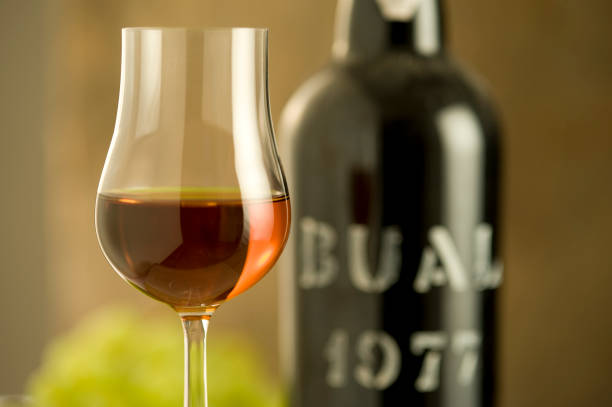
Unopened dry Marsala wine can last indefinitely when stored properly, thanks to its high alcohol content and fortification process. Typically, dry Marsala maintains peak quality for 3 to 5 years past the bottling date, but it remains safe to consume far beyond that.
The key is proper storage—keeping the bottle upright in a cool, dark place away from temperature fluctuations. Over time, the flavor may subtly evolve, becoming more complex or slightly less vibrant, but it won’t spoil.
Always check the label for any manufacturer’s recommendations, as some premium versions may have longer stability. If the seal remains intact and there are no signs of leakage or cork damage, the wine is likely still good. Taste testing after extended storage is a reliable way to assess quality.
While aged dry Marsala may not be ideal for delicate recipes, it remains excellent for cooking or sipping.
Shelf Life of Unopened Sweet Marsala
Unopened sweet Marsala wine, with its higher sugar content, generally has a slightly shorter shelf life than its dry counterpart, though it still remains stable for years. Expect optimal flavor and quality for 2 to 4 years when stored correctly.
The sugar acts as a preservative, but over extended periods, sweet Marsala may experience flavor degradation, such as muted fruit notes or a heavier, oxidized profile. Despite this, it won’t spoil if the seal is intact. Avoid exposure to heat and light, as these accelerate chemical changes that affect taste.
Unlike dry Marsala, sweet versions are often enjoyed as dessert wines, so maintaining their aromatic freshness is key. If the wine develops off-odors, cloudiness, or a sour taste upon opening, it’s best discarded. For best results, consume within the recommended window and store in consistent conditions.
Even past peak, sweet Marsala remains useful in desserts or sauces.
Best Storage Conditions for Unopened Bottles
To maximize the shelf life of unopened Marsala wine, store bottles upright in a cool, dark, and humidity-controlled environment. Ideal temperatures range between 50°F and 59°F (10°C to 15°C), with minimal fluctuations to prevent expansion and contraction that could compromise the seal.
Direct sunlight and artificial light should be avoided, as UV rays degrade wine quality over time. A basement, wine cellar, or interior closet works well. Keep bottles away from strong odors and vibrations, which can affect the aging process.
Unlike table wines, Marsala doesn’t require horizontal storage since oxidation is less of a concern due to fortification. However, maintaining a consistent seal is crucial—inspect corks or caps for damage before long-term storage. Avoid storing near appliances that emit heat, like ovens or refrigerators.
Proper storage ensures Marsala retains its intended flavor profile and usability for both drinking and cooking.
How Long Does Opened Marsala Wine Last?
Lifespan of Opened Dry Marsala
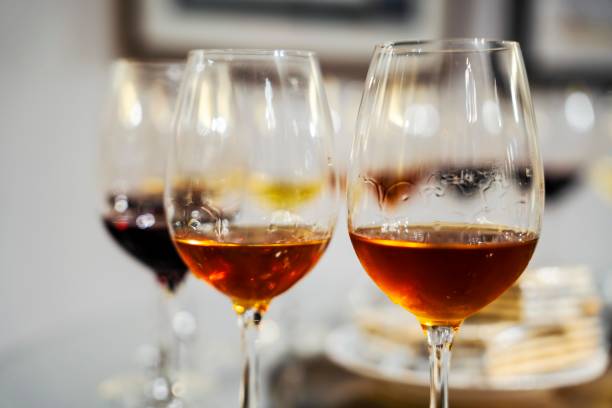
Opened dry Marsala wine typically lasts 3 to 5 weeks when stored properly. To maximize its shelf life, always re-cork the bottle tightly and store it in a cool, dark place, preferably the refrigerator. The high alcohol content and fortification help preserve the wine, slowing oxidation.
However, over time, exposure to air will degrade its flavor and aroma. For culinary use, dry Marsala often remains usable beyond 5 weeks, though the taste may become flat or overly acidic. Using a vacuum seal can extend freshness by reducing air contact.
If you cook with Marsala infrequently, consider dividing the bottle into smaller airtight containers to minimize headspace. Regularly check for off-odors or cloudiness. While it won’t spoil quickly, quality diminishes, so for best results in dishes like chicken Marsala, use within a month.
Lifespan of Opened Sweet Marsala
Opened sweet Marsala wine can last 4 to 6 weeks when stored correctly, slightly longer than its dry counterpart due to higher sugar content, which acts as a natural preservative. Always seal the bottle tightly and refrigerate after opening to slow spoilage.
The sugar helps maintain flavor integrity, but oxidation still occurs over time, altering taste and aroma. For optimal quality in desserts or sauces, use within a month. Avoid storing in warm or sunny areas, as heat accelerates degradation.
If the wine develops a vinegary smell or becomes cloudy, it’s past its prime. For extended use, consider transferring to a smaller, airtight container to reduce air exposure. While sweet Marsala is more resilient, its rich, caramel-like notes fade with time.
Refrigeration is key—never store opened sweet Marsala at room temperature for more than a few days.
Signs Your Opened Marsala Has Gone Bad
Even with proper storage, opened Marsala can eventually spoil. Key signs include a noticeable sour or vinegar-like smell, indicating oxidation or bacterial growth. If the wine appears cloudy or contains sediment that wasn’t present before, it may be compromised.
A change in color—such as turning overly brown or dull—also suggests degradation. Taste a small amount: if it’s harsh, flat, or lacks sweetness or complexity, it’s likely past its prime. While consuming spoiled Marsala won’t typically make you sick, it can ruin dishes.
Mold on the cork or rim is a definite red flag—discard immediately. Always check before using, especially if stored beyond 6 weeks. When in doubt, err on the side of caution and replace the bottle to ensure your recipes maintain their intended flavor profile.
How to Store Marsala Wine Properly
Storing Unopened Bottles in the Pantry
Unopened Marsala wine can last for years when stored properly in a cool, dark pantry away from heat and sunlight. Because Marsala is a fortified wine, it has a higher alcohol content and added stability, which significantly extends its shelf life.
Store bottles upright to minimize contact with the cork and prevent drying, which could lead to oxidation. Ideal storage conditions include a consistent temperature between 50–60°F (10–15°C) and moderate humidity. Avoid placing bottles near ovens, windows, or appliances that generate heat.
Keep the wine away from strong odors and vibrations, which can degrade quality over time. When stored correctly, unopened Marsala wine maintains its flavor and complexity for 3 to 5 years, and often longer. Always check the label for any specific producer recommendations.
Proper storage ensures that when you finally open the bottle, the rich, nutty, caramel-like notes remain vibrant and true to character.
Refrigerating Opened Marsala Wine
Once opened, refrigeration is essential to preserve the quality of Marsala wine. The exposure to oxygen begins degrading flavors immediately, but cold temperatures slow this process significantly. Always reseal the bottle tightly with its original cork or a wine stopper before placing it in the refrigerator.
Fortified wines like Marsala are more resilient than table wines, but they still benefit from prompt chilling. Opened Marsala can last 4 to 6 weeks in the fridge while retaining good flavor for cooking and sipping.
For best results, minimize headspace by transferring leftover wine to a smaller container if needed. Avoid storing it in the refrigerator door, where temperature fluctuations are common. Instead, place it on a middle shelf toward the back.
If the wine develops a sharp vinegar smell or flat taste, it has likely spoiled. Refrigeration is a simple, effective method to extend usability and maintain quality.
Using Wine Preservers and Seals
To extend the life of opened Marsala wine beyond the typical 4 to 6 weeks, use wine preservers and vacuum seals. These tools reduce oxidation by removing air from the bottle or introducing inert gases that protect the wine’s surface.
Vacuum pumps with airtight stoppers create a partial vacuum, slowing spoilage. Alternatively, inert gas wine preservers (like argon or nitrogen sprays) form a protective layer over the wine, shielding it from oxygen. These methods are especially helpful if you use Marsala infrequently in cooking.
Apply the preserver immediately after pouring, then return the bottle to the refrigerator. With proper use, these tools can extend freshness up to 8 weeks or more. Always ensure the bottle neck is clean before sealing.
While Marsala is robust, preservation systems enhance longevity and flavor retention, making them a worthwhile investment for home cooks and wine enthusiasts alike.
Does Marsala Wine Go Bad?
Common Causes of Spoilage
Marsala wine, like other fortified wines, has a longer shelf life than most wines due to its higher alcohol content, but it can still go bad under certain conditions.
Exposure to air is one of the primary causes of spoilage, as oxygen can lead to oxidation, altering the wine’s flavor and aroma. Heat and light are also major contributors—storing Marsala in warm or sunny areas accelerates degradation.
Poor sealing after opening allows contaminants and microbes to enter, increasing the risk of spoilage. While unopened bottles can last for years when stored in a cool, dark place, opened bottles are more vulnerable. Moisture and temperature fluctuations in storage areas, such as near stoves or dishwashers, further compromise quality.
To maximize longevity, always reseal the bottle tightly and store it upright in a consistent, cool environment. Avoid cross-contamination by using clean utensils when pouring. Understanding these factors helps preserve Marsala’s rich, complex profile for cooking or drinking.
How to Tell If Marsala Has Spoiled
Detecting spoiled Marsala wine involves using your senses to check for visible, olfactory, and taste-based clues. A change in color, such as turning excessively brown or cloudy, may indicate oxidation or microbial growth.
An off or vinegar-like smell is a strong sign the wine has degraded—fresh Marsala should have nutty, caramel, or dried fruit notes. If the aroma is sour, musty, or chemical-like, it’s likely spoiled. An unpleasant taste—bitter, flat, or sharp—confirms deterioration, especially if it lacks the wine’s characteristic sweetness or depth.
Visible mold or particles floating in the liquid are clear red flags. While sediment is normal in aged Marsala, sudden cloudiness or fuzziness is not. Fizziness in a still wine may suggest fermentation has restarted. If any of these signs appear, it’s safest to discard the bottle.
Regular inspection after opening helps catch spoilage early and ensures quality in your dishes or drinks.
Can You Use Expired Marsala Safely?
Using expired Marsala wine can be safe under certain conditions, especially if it was stored properly and shows no signs of spoilage. Unopened bottles often remain drinkable well past their printed date—sometimes for decades—thanks to fortification.
If the seal is intact and the wine smells and looks normal, it’s likely fine. Opened Marsala stored in the fridge can last 4–6 months; beyond that, it may lose flavor but not necessarily become harmful.
For cooking, slightly degraded Marsala is usually acceptable since heat enhances remaining flavors, though the result may be less nuanced. Avoid using wine with mold, foul odors, or extreme discoloration, as these indicate unsafe microbial activity. When in doubt, taste a small amount first.
While expired Marsala might not deliver peak quality, it’s often still usable in sauces, reductions, or desserts, making it a forgiving ingredient even past its prime.
Tips for Extending Marsala Wine Shelf Life
Use Airtight Containers
To maximize the shelf life of Marsala wine, transferring it to an airtight container is essential once opened. Exposure to oxygen accelerates oxidation, which degrades flavor and aroma over time. Using a glass bottle with a tight-sealing stopper or a vacuum-sealed wine preserver helps minimize air contact and preserves quality.
For best results, choose a container that fits the remaining volume of wine to reduce headspace, where oxygen can accumulate. Smaller bottles or specialized wine preservation systems with inert gas sprays offer additional protection. Avoid using containers with loose or worn caps, as they compromise the seal.
Proper sealing not only extends usability but also maintains the rich, nutty complexity Marsala is known for. When stored correctly in an airtight environment, opened Marsala wine can last up to 4–6 months without significant quality loss, making this a crucial step for long-term preservation.
Keep Away from Heat and Light
Storing Marsala wine in a cool, dark place is vital for preserving its flavor and longevity. Heat and ultraviolet light accelerate chemical reactions that degrade wine, leading to flat or vinegary tastes.
Avoid placing bottles near stoves, ovens, or sunny windowsills, as temperature fluctuations and direct light can spoil the wine quickly. Instead, opt for a pantry, cupboard, or wine cellar with consistent, cool temperatures—ideally between 50–59°F (10–15°C). Dark glass bottles offer some protection, but prolonged exposure still poses risks.
For opened bottles, refrigeration further slows oxidation and microbial growth. Consistent, low-light storage helps maintain Marsala’s sweet, fortified character for months. Unopened bottles can last 3–5 years under optimal conditions, while opened ones benefit significantly from cool, dark storage—extending usability and preserving quality for both cooking and sipping.
Label Bottles with Open Dates
Adding clear date labels to Marsala wine bottles is a simple yet effective way to track freshness and avoid waste. Once opened, Marsala begins to degrade gradually, and knowing the exact opening date helps determine peak usability.
Use waterproof labels or masking tape with a permanent marker to record when the bottle was first uncorked. This practice supports better inventory management, especially if you use Marsala occasionally for cooking. While unopened bottles can last years, opened Marsala is best used within 4–6 months for optimal flavor.
Labeling also helps distinguish between bottles used for sweet desserts versus savory dishes, preventing flavor cross-contamination. Over time, even well-stored wine loses vibrancy, so the date acts as a reliable guide.
This small habit enhances food safety, improves recipe outcomes, and ensures you’re always using Marsala at its best—maximizing both shelf life and culinary performance.
Best Ways to Use Leftover Marsala Wine
Cooking with Old Marsala Safely
When using leftover Marsala wine, safety and freshness are key. Unopened Marsala can last for years due to its fortified nature, but once opened, it should be stored in a cool, dark place with a tightly sealed cap.
Oxidized Marsala may lose its vibrant flavor but is still safe for cooking up to 6 months after opening. Always check for off smells or sour notes before using. If it smells vinegary or musty, it’s best discarded.
Cooking with slightly aged Marsala won’t compromise dish safety, as heat helps mellow any flat notes. Use older Marsala in heartier dishes like stews or braises where its depth enhances flavor. Avoid using spoiled wine in raw applications, but for sauces, reductions, or deglazing, slightly aged Marsala works well.
Label your bottle with the opening date to track freshness. With proper storage, Marsala remains a reliable kitchen staple for months.
Marsala in Sauces and Marinades
Leftover Marsala wine shines in rich sauces and savory marinades, adding sweetness and depth. Its unique flavor pairs perfectly with poultry, mushrooms, and pork. Deglaze pans with a splash of Marsala to lift browned bits and build complex pan sauces.
Combine with broth, garlic, and herbs for a quick Marsala sauce that elevates weeknight dinners. In marinades, Marsala helps tenderize meat while infusing it with a subtle caramelized note. Mix with olive oil, mustard, and rosemary for a balanced blend.
Even older Marsala, past its prime for sipping, retains enough character for these applications. Simmering concentrates flavor, making it ideal for reductions. Use within 4–6 months of opening for best results. Store in the fridge to extend shelf life.
Whether making chicken Marsala or a mushroom demi-glace, leftover wine becomes a flavor powerhouse in saucy, savory dishes.
Creative Recipes for Extra Marsala
Don’t let leftover Marsala go to waste—transform it into creative culinary gems. Use it in savory baked goods like onion tarts or cheese bread for a hint of sweetness. Reduce it into a syrup for drizzling over roasted vegetables or grilled peaches.
Marsala enhances rice dishes, such as risotto, adding nutty, caramelized notes. For desserts, incorporate it into tiramisu, poached pears, or zabaglione—a classic Italian custard. Even small amounts boost flavor in bean stews or gravy. Freeze leftover wine in ice cube trays for future use in recipes.
Each cube equals about two tablespoons—perfect for deglazing or enriching sauces. Marsala also blends well into vinaigrettes when balanced with mustard and olive oil. With proper storage, it remains usable for months, making it a versatile ingredient beyond the saucepan.
Frequently Asked Questions
How long does unopened Marsala wine last?
Unopened Marsala wine can last indefinitely when stored properly in a cool, dark place. Due to its fortified nature, it is highly stable and can remain safe to consume for many years, though peak quality is typically within 3–5 years.
How long does opened Marsala wine last?
Opened Marsala wine can last 4–6 months if stored correctly in the refrigerator with a tight seal. Sweet Marsala tends to last longer than dry varieties due to its higher sugar content, which acts as a natural preservative.
Does Marsala wine go bad?
Marsala wine doesn’t spoil quickly due to its high alcohol and sugar content, but it can lose flavor and aroma over time. If it develops an off smell, taste, or cloudiness, it’s best to discard it.
Should I refrigerate Marsala wine after opening?
Yes, refrigerating Marsala wine after opening helps preserve its quality and extends its shelf life. Always reseal the bottle tightly to minimize oxidation.
Can I use expired Marsala wine for cooking?
Yes, Marsala wine that is past its prime but shows no signs of spoilage can still be used in cooking. Its flavor may be less vibrant, but it will still work well in sauces, marinades, and dishes like chicken Marsala.
What’s the difference in shelf life between cooking Marsala and drinking Marsala?
Cooking Marsala often contains salt and preservatives, giving it a longer shelf life—up to 6–12 months after opening. Drinking Marsala, while still long-lasting, is best consumed within 4–6 months after opening for optimal taste.
How should I store Marsala wine to maximize its shelf life?
Store unopened Marsala in a cool, dark place away from heat and light. After opening, keep it tightly sealed and refrigerated to slow oxidation and preserve flavor.
Conclusion
Marsala wine can last for years when unopened and stored properly, but once opened, it should be consumed within a few weeks to a few months depending on its type. Sweet Marsala lasts longer than dry due to higher sugar content. Store it in a cool, dark place and reseal tightly. Enjoy its rich flavor in cooking or as a drink—don’t let shelf life keep you from savoring this versatile Italian classic.