
How Long Does Chardonnay Last Opened
Wondering how long your opened Chardonnay stays fresh? You’re not alone—once that cork’s out, the clock starts ticking. Good news: most Chardonnays last 3 to 5 days in the fridge with a proper reseal. Rich, oaked styles hold up a bit longer than crisp, unoaked ones. In this article, we’ll break down exactly how to store it, signs it’s gone bad, and simple tricks to extend its life—so you can enjoy every glass without waste.
How Long Does Chardonnay Last After Opening
Average Shelf Life of Opened Chardonnay
An opened bottle of Chardonnay typically lasts 3 to 5 days when stored properly in the refrigerator. The key to extending its freshness is minimizing exposure to oxygen, which causes oxidation and degrades flavor.
After opening, reseal the bottle tightly with its original cork or a wine stopper to reduce air contact. Storing it upright in the fridge slows oxidation and preserves the wine’s crispness and aromatic profile.
Lighter, unoaked Chardonnays tend to degrade faster, often losing vibrancy within 3 days, while fuller-bodied, oaked versions may retain quality closer to 5 days due to higher tannin and alcohol content. Using a wine preservation system like vacuum pumps or inert gas sprays can further extend drinkability.
Consuming within the first 2–3 days ensures the best taste, but if stored correctly, Chardonnay remains safe to drink beyond that—though flavor diminishes over time.
Signs Your Chardonnay Has Gone Bad
Knowing when opened Chardonnay has spoiled helps prevent unpleasant tasting experiences. Key indicators include a sharp, vinegar-like smell, caused by acetic acid bacteria converting alcohol into vinegar. If the wine smells sour, musty, or like wet cardboard, it’s likely oxidized or contaminated.
Visually, a change in color—such as deepening to a brownish-yellow—signals excessive oxidation. On the palate, flat or dull flavors, lack of fruitiness, or a harsh, acidic bite mean the wine has lost its balance. Fizz in still Chardonnay suggests unintended fermentation, another red flag.
While drinking spoiled wine isn’t dangerous for most people, it can cause mild digestive discomfort. Always trust your senses: if something seems off in aroma, taste, or appearance, it’s best to discard the wine.
Regularly inspecting stored wine helps catch spoilage early and ensures you enjoy Chardonnay at its peak quality.
Factors That Affect Spoilage Time
Several factors influence how quickly opened Chardonnay deteriorates. Oxygen exposure is the primary culprit, accelerating oxidation that dulls flavors and alters aroma. The closure method matters—using airtight stoppers or vacuum seals significantly slows spoilage compared to loose corks.
Temperature stability is crucial; storing wine at room temperature speeds chemical reactions, while refrigeration at 40–50°F (4–10°C) preserves freshness. Light and humidity also play roles: UV rays degrade wine compounds, so dark storage is ideal.
Additionally, the wine’s initial composition affects longevity—oaked Chardonnays with higher acidity and alcohol resist spoilage longer than lighter, unoaked styles. Wine preservation tools like inert gas sprays or wine preservation systems can extend shelf life by creating a protective barrier.
Ultimately, minimizing air contact, keeping the bottle cold, and using proper sealing methods are the most effective ways to maximize how long your opened Chardonnay remains enjoyable.
Best Ways to Store Opened Chardonnay
Refrigeration Tips for Maximum Freshness
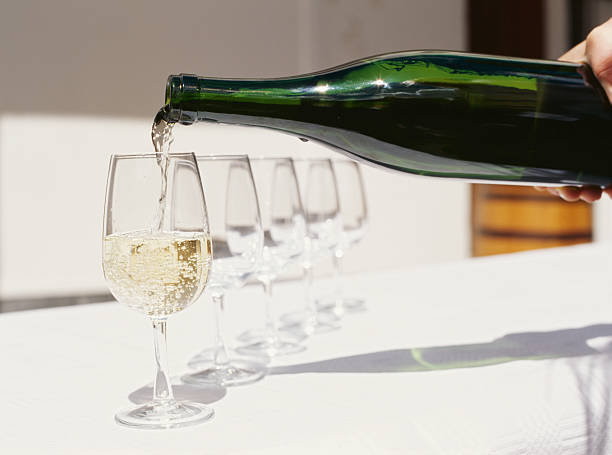
Storing opened Chardonnay in the refrigerator is the most effective way to extend its freshness. Cold temperatures slow down oxidation and microbial activity, preserving the wine’s flavor and aroma for several days. Always re-cork the bottle tightly or use a proper wine stopper before placing it in the fridge.
For best results, store the bottle upright to minimize the wine’s surface area exposed to air. While refrigeration won’t keep Chardonnay fresh indefinitely, it can extend its quality for 3 to 5 days after opening.
When ready to serve, pour a small amount and taste it first—Chardonnay may lose some of its vibrant fruit notes over time but should still be enjoyable. Avoid leaving the bottle at room temperature for extended periods after opening, as heat accelerates spoilage.
Consistent cold storage is key to maintaining balance and preventing premature degradation of your white wine.
Using Wine Stoppers and Vacuum Pumps
To maximize the shelf life of opened Chardonnay, invest in a quality wine stopper and vacuum pump system. These tools help remove oxygen from the bottle, significantly slowing oxidation—the primary cause of wine spoilage.
After pouring your desired amount, immediately seal the bottle with an airtight stopper and use the vacuum pump to extract excess air. This method can extend the wine’s freshness by up to 5 to 7 days when combined with refrigeration.
While not a permanent solution, it’s one of the most practical for casual drinkers. Avoid using makeshift closures like plastic wrap and rubber bands, as they don’t provide a reliable seal. For frequent wine drinkers, consider inert gas wine preservers, which displace oxygen with argon or nitrogen.
These offer even better protection than vacuum pumps and help maintain the Chardonnay’s original taste and aroma longer.
Avoiding Heat and Light Exposure
Protecting opened Chardonnay from heat and light is essential for preserving its quality. UV rays and warm environments accelerate chemical reactions in wine, leading to rapid flavor degradation and off-odors. Always store the opened bottle in a cool, dark place—ideally the refrigerator, which provides both temperature control and light protection.
Avoid leaving the wine on countertops, near stoves, or in direct sunlight, even for short periods. Clear glass bottles offer less UV protection, making light exposure even more damaging. If you don’t have a wine fridge, a dark cabinet away from appliances is a decent alternative—but refrigeration is still superior.
Heat not only speeds oxidation but can also cause the cork to expand and leak, introducing more air. By minimizing exposure to light and heat, you help maintain the wine’s acidity, fruit profile, and overall balance for several extra days.
How Different Chardonnay Styles Impact Shelf Life
Unoaked vs Oaked Chardonnay Storage
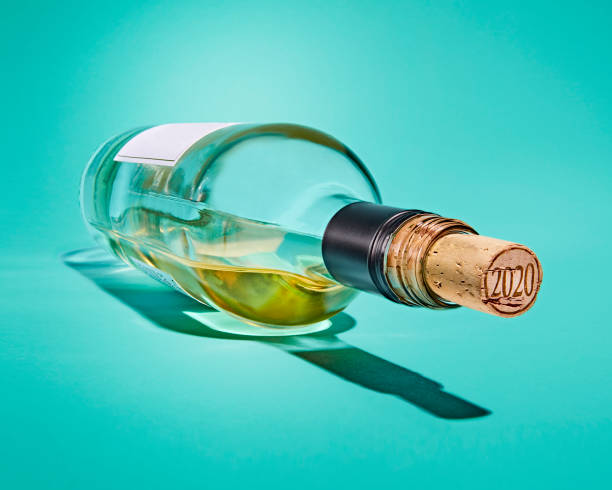
Unoaked and oaked Chardonnays differ significantly in structure, which directly affects how long they last once opened. Unoaked Chardonnays are typically lighter, crisper, and more fruit-forward, with higher acidity but less oxidative stability.
These wines begin to degrade faster after opening, often losing their freshness within 2–3 days when stored in the refrigerator with a wine stopper. In contrast, oaked Chardonnays benefit from barrel aging, which introduces tannins, vanilla compounds, and micro-oxygenation that enhance longevity.
Their richer body and complex chemical profile help them resist oxidation, allowing them to stay enjoyable for 4–5 days post-opening. To maximize shelf life, always reseal tightly and refrigerate. Avoid leaving either style at room temperature after opening, as heat accelerates spoilage.
For best results, consider using a wine preservation system with inert gas to extend freshness by minimizing air exposure.
Cool Climate vs Warm Climate Varieties
The climate where Chardonnay grapes are grown plays a crucial role in determining how long the wine lasts after opening.
Cool climate Chardonnays, such as those from Chablis or Sonoma Coast, have higher natural acidity and leaner profiles, which help preserve freshness but make them more vulnerable to rapid oxidation once exposed to air. These wines typically remain enjoyable for 2–3 days when refrigerated and sealed properly.
On the other hand, warm climate Chardonnays—like those from Napa Valley or Australia—have riper fruit, lower acidity, and often undergo malolactic fermentation and oak aging, giving them a creamier texture and greater oxidative resistance. This allows them to maintain quality for up to 5 days after opening.
Regardless of origin, always store opened bottles in the fridge and use vacuum pumps or argon gas sprays to displace oxygen. Monitoring aroma and taste daily ensures you consume the wine at its peak.
Sparkling Chardonnay Longevity
Sparkling Chardonnays, including Blanc de Blancs and some vintage champagnes, have unique preservation needs due to their carbonation. Once opened, retaining bubbles is the primary challenge, and flat sparkling wine loses much of its appeal.
With a proper sparkling wine stopper and refrigeration, opened bottles can maintain effervescence and flavor for 3–5 days. The high acidity in most sparkling Chardonnays helps slow microbial spoilage, but the loss of CO2 begins immediately after opening. To maximize shelf life, avoid regular wine corks—they can’t withstand internal pressure.
Instead, use a lever-style or clamp-down stopper designed for sparkling wines. Even with proper sealing, texture and aroma gradually diminish, so consume within the first 72 hours for optimal experience. Never leave an opened sparkling Chardonnay at room temperature, as warmth accelerates gas loss and oxidation.
For longer preservation, consider inert gas wine savers that protect both fizz and freshness.
Tips for Extending Chardonnay Freshness
Transfer to a Smaller Bottle
Transferring leftover Chardonnay to a smaller bottle is a highly effective method for extending its freshness after opening. When a standard wine bottle is only partially full, the remaining wine is exposed to more oxygen, accelerating oxidation and diminishing flavor.
By pouring the unused portion into a smaller container—such as a half-bottle or 375ml wine bottle—you significantly reduce headspace, limiting air contact. Use a clean, airtight glass container to prevent contamination and further oxidation.
For best results, fill the smaller bottle as completely as possible and reseal it tightly with a cork or screw cap. Store the transferred wine in the refrigerator to further slow chemical reactions.
This technique can help preserve the wine’s aromatic complexity and crisp acidity for up to 5–7 days, far longer than leaving it in the original, half-empty bottle.
Use Inert Gas Preservers
Inert gas preservers are a reliable tool for protecting opened Chardonnay from oxidation. These products, such as wine preservation sprays or systems like Private Preserve, release a blend of harmless, odorless gases (typically argon, nitrogen, and CO₂) that are heavier than air.
When sprayed into the bottle before recorking, the gas forms a protective layer over the wine’s surface, shielding it from oxygen. This method is especially useful for delicate white wines like Chardonnay, which can lose freshness quickly.
To use, simply insert the nozzle into the bottle and spray for a few seconds before sealing. When stored in the refrigerator, Chardonnay treated this way can retain its vibrant fruit notes and balanced acidity for up to 5–7 days.
Inert gas preservers are easy to use, affordable, and ideal for casual drinkers who enjoy wine over multiple sittings.
Minimize Air Contact
One of the most critical factors in preserving opened Chardonnay is minimizing its exposure to air. Oxygen is the primary culprit behind wine spoilage, leading to flat flavors and a loss of aromatic freshness.
To reduce air contact, always reseal the bottle immediately after pouring using a tight-fitting stopper or the original cork. Store the wine upright in the refrigerator, as this decreases the surface area exposed to any remaining air in the bottle. Avoid leaving Chardonnay at room temperature for extended periods post-opening.
For maximum freshness, consume within 3–5 days, even with proper storage. Limiting air exposure not only preserves the wine’s crispness and fruit profile but also prevents the development of off-flavors. Simple habits like prompt recorking and cold storage go a long way in extending the life of your opened Chardonnay.
Common Mistakes When Storing Opened Chardonnay
Leaving Wine at Room Temperature
Storing opened Chardonnay at room temperature is one of the quickest ways to degrade its quality. After opening, the wine begins to oxidize, and when combined with warm environments, this process accelerates dramatically.
Chardonnay lasts 3–5 days when refrigerated, but at room temperature, it may spoil in as little as 1–2 days, losing its fresh fruit notes and developing a flat or vinegary taste. The ideal storage temperature for opened white wine is between 45–55°F (7–13°C), which slows oxidation and preserves flavor.
Always transfer opened bottles to the refrigerator, even if you plan to drink the rest within a day or two. Avoid placing the bottle near heat sources like ovens or direct sunlight. For best results, consume within three days if refrigerated, and never leave an opened bottle out overnight.
Using a wine fridge instead of a standard kitchen shelf further enhances preservation by maintaining consistent, cool conditions.
Using Improper Seals
One of the most overlooked mistakes is failing to reseal the bottle properly after pouring. Simply placing the original cork or a loose cap back on won’t prevent air exposure, leading to rapid oxidation. Air-tight seals are essential to extend how long Chardonnay lasts after opening.
Invest in a quality wine stopper that fits snugly or use a vacuum pump system to remove excess oxygen from the bottle. Standard corks often don’t create a full seal, especially after the first use. Screw caps, when re-applied tightly, can work better than natural corks for short-term storage.
For maximum freshness, pair an airtight seal with refrigeration. Avoid using makeshift covers like plastic wrap and rubber bands, as they allow air leakage. A proper seal can extend the wine’s life to up to five days, preserving its aroma and acidity.
Always check the stopper’s fit and replace worn corks to maintain wine integrity.
Pouring and Retasting Frequently
Frequently opening the bottle to taste the wine introduces repeated exposure to oxygen, which speeds up spoilage. Each time the seal is broken, fresh air enters, accelerating oxidation and diminishing the Chardonnay’s freshness. While it’s tempting to check flavor changes daily, this habit reduces the wine’s shelf life significantly.
Limit opening the bottle to only when you plan to drink a full glass. If sharing over several days, consider transferring the wine to a smaller container with less headspace to minimize air contact. Decanters aren’t ideal for storage unless paired with airtight lids.
Instead, use half-bottles or wine preservation systems. Also, avoid swirling or aerating opened Chardonnay stored for later—it’s already oxidizing. Stick to one pour per session and keep the bottle sealed and chilled. This practice helps maintain quality and ensures the wine stays enjoyable for up to five days.
How to Tell If Your Chardonnay Is Still Good
Check the Smell and Clarity
When determining how long Chardonnay lasts opened, start by assessing its smell and clarity. Pour a small amount into a glass and observe its appearance under good lighting. A fresh, opened Chardonnay should be bright and clear, with a pale gold or straw-like hue.
If the wine looks dull, brownish, or hazy, it may be oxidized. Next, give it a good swirl and sniff. Fresh Chardonnay typically offers aromas of green apple, citrus, vanilla, or tropical fruit, depending on the style.
If you detect sharp vinegar-like smells, wet cardboard, or musty odors, the wine has likely spoiled. Oxidation occurs when wine is exposed to air, and while some exposure enhances flavor initially, prolonged contact degrades quality.
Most opened Chardonnays last 3–5 days in the fridge with a sealed closure, so checking smell and clarity within this window helps ensure quality.
Taste Test for Off Flavors
Even if the wine looks and smells acceptable, a small taste test is essential to confirm it’s still good. Take a sip and let it coat your palate before swallowing. A fresh Chardonnay will have balanced acidity, fruit notes, and possibly oak influences like butter or toast.
If the flavor tastes flat, sour, or overly sharp—like vinegar—it’s past its prime. Oxidation and bacterial growth are the main culprits behind off-flavors in opened wine. While not harmful, spoiled wine loses its enjoyable character. Chardonnay’s fuller body may mask early spoilage signs, so trust your taste buds.
If the wine lacks vibrancy or tastes stale, it’s best to discard it. To maximize shelf life, always re-cork or use a wine stopper and refrigerate after opening. Most opened Chardonnays remain drinkable for up to 5 days, but taste deteriorates gradually after day 3.
Look for Bubbles or Cloudiness
An unexpected sign that your opened Chardonnay may have gone bad is the presence of bubbles or cloudiness. Chardonnay is a still wine, so any visible fizz or effervescence indicates refermentation or microbial activity, meaning the wine is no longer stable.
Similarly, cloudiness or floating particles suggest bacterial contamination or yeast growth, especially if the wine wasn’t filtered or was stored improperly. While a slight sediment at the bottom of the bottle can be natural, haziness throughout the liquid is a red flag.
These changes often occur if the wine was exposed to warmth or left open too long. To prevent spoilage, store opened Chardonnay upright in the refrigerator with a tight seal. Under ideal conditions, it should remain clear and still for 3 to 5 days.
If you notice bubbles or cloudiness, it’s safest to pour it out.
Creative Uses for Old Chardonnay
Cooking with Spoiled Chardonnay
Even if your opened Chardonnay has passed its prime for drinking, it can still shine in the kitchen. Chardonnay typically lasts 3–5 days after opening when stored properly in the fridge with a wine stopper.
After this window, oxidation begins to dull its flavors, making it less enjoyable to sip—but perfectly usable for cooking. Use slightly spoiled Chardonnay in recipes like deglazing pans, enriching risottos, or poaching seafood. The wine’s acidity and subtle oak notes enhance savory dishes, even when flat.
Avoid using wine that smells vinegary or musty, as it may indicate spoilage beyond safe use. Instead, opt for wine with muted fruit but no off-odors. Freezing leftover Chardonnay in ice cube trays allows portioned use in recipes, minimizing waste.
This method preserves flavor for up to 3 months, letting you repurpose aging wine into culinary gold without compromising dish quality.
Making Wine Vinegar at Home
Turn your oxidized Chardonnay into artisanal vinegar with minimal effort and ingredients. Once opened, Chardonnay begins to degrade after about 5 days at room temperature or 7 in the refrigerator, eventually developing a sour taste. Instead of discarding it, harness the natural fermentation process to create a flavorful vinegar.
Pour the leftover wine into a clean jar, add a ‘mother of vinegar’ (available online or from raw vinegar), and cover with a cloth to allow airflow. Store in a dark, warm place for 2–6 weeks, stirring occasionally. The result? A bright, complex vinegar ideal for salad dressings or deglazing.
Ensure no mold forms—a healthy mother appears gelatinous and tan. This method not only reduces waste but also transforms aging Chardonnay into a gourmet pantry staple, adding depth to your culinary creations.
Using in Sauces and Marinades
Don’t toss that opened Chardonnay—repurpose it into rich, flavorful sauces and marinades. After about 5 days post-opening, Chardonnay starts losing its vibrancy, but its core acidity remains effective in tenderizing meat and enhancing flavors.
Use it as a base for creamy pan sauces, reducing it with shallots, garlic, and heavy cream for a restaurant-quality finish. In marinades, the wine’s acidity breaks down proteins, infusing chicken, pork, or fish with subtle fruit and oak notes. Even slightly oxidized Chardonnay adds depth without overpowering.
Combine with herbs, mustard, and olive oil for a balanced blend. Marinate for 2–4 hours for best results. This approach extends the wine’s usefulness beyond drinking, turning potential waste into culinary enhancement. Always store opened wine in the fridge with a tight seal to maximize shelf life before cooking use.
Frequently Asked Questions
How long does Chardonnay last after opening?
An opened bottle of Chardonnay typically lasts 3 to 5 days when stored properly in the refrigerator with a cork or wine stopper. The cooler temperature slows oxidation, helping preserve the wine’s flavor and aroma.
What factors affect how long opened Chardonnay stays good?
Exposure to oxygen, light, and temperature fluctuations can degrade Chardonnay quickly. Storing it in the fridge with a tight seal minimizes these effects and extends its freshness.
Can I drink Chardonnay after 7 days open?
While it’s generally safe to drink, Chardonnay older than 7 days may taste flat or off due to oxidation. If it smells vinegary or sour, it’s best to discard it.
Does re-corking Chardonnay help it last longer?
Yes, re-corking or using a wine stopper significantly slows oxidation. Always store the bottle upright in the refrigerator to minimize air contact and preserve quality.
Should I refrigerate opened Chardonnay?
Yes, refrigerating opened Chardonnay is the best way to extend its shelf life. Cool temperatures reduce chemical reactions that degrade the wine’s taste and aroma.
Can I freeze opened Chardonnay?
Yes, you can freeze leftover Chardonnay in ice cube trays for cooking purposes. While freezing preserves it indefinitely, the texture and flavor may change, making it unsuitable for drinking.
Conclusion
An opened bottle of Chardonnay typically lasts 3 to 5 days when stored properly in the refrigerator with a cork or wine stopper. Cooler temperatures and limited oxygen exposure help preserve its flavor and aroma. Lighter, unoaked varieties tend to degrade faster than oaked ones. To enjoy the best quality, consume within the first few days. Don’t hesitate to savor your wine—proper storage makes a difference, and every glass is a celebration of good taste.

