How Long Does a Wusthof Knife Sharpener Last and When to Replace It
A Wusthof knife sharpener typically lasts between two to five years depending on the frequency of use and the materials being sharpened. With consistent maintenance and proper care, many home cooks find their sharpening tools remain effective for several years before the internal abrasive components begin to wear down significantly.
Understanding the lifespan of your kitchen knife sharpener is essential for maintaining your culinary tools. While high-quality sharpeners are built for durability, they are not permanent fixtures in your kitchen. Factors like the hardness of your blade steel and how often you hone your knives directly impact the longevity of the sharpener.
This guide explains how long a Wusthof sharpener typically lasts, the signs that it is time for a replacement, and how to get the most out of your sharpening equipment. By following these practical tips, you can ensure your blades remain razor-sharp while extending the functional life of your essential kitchen maintenance tools.
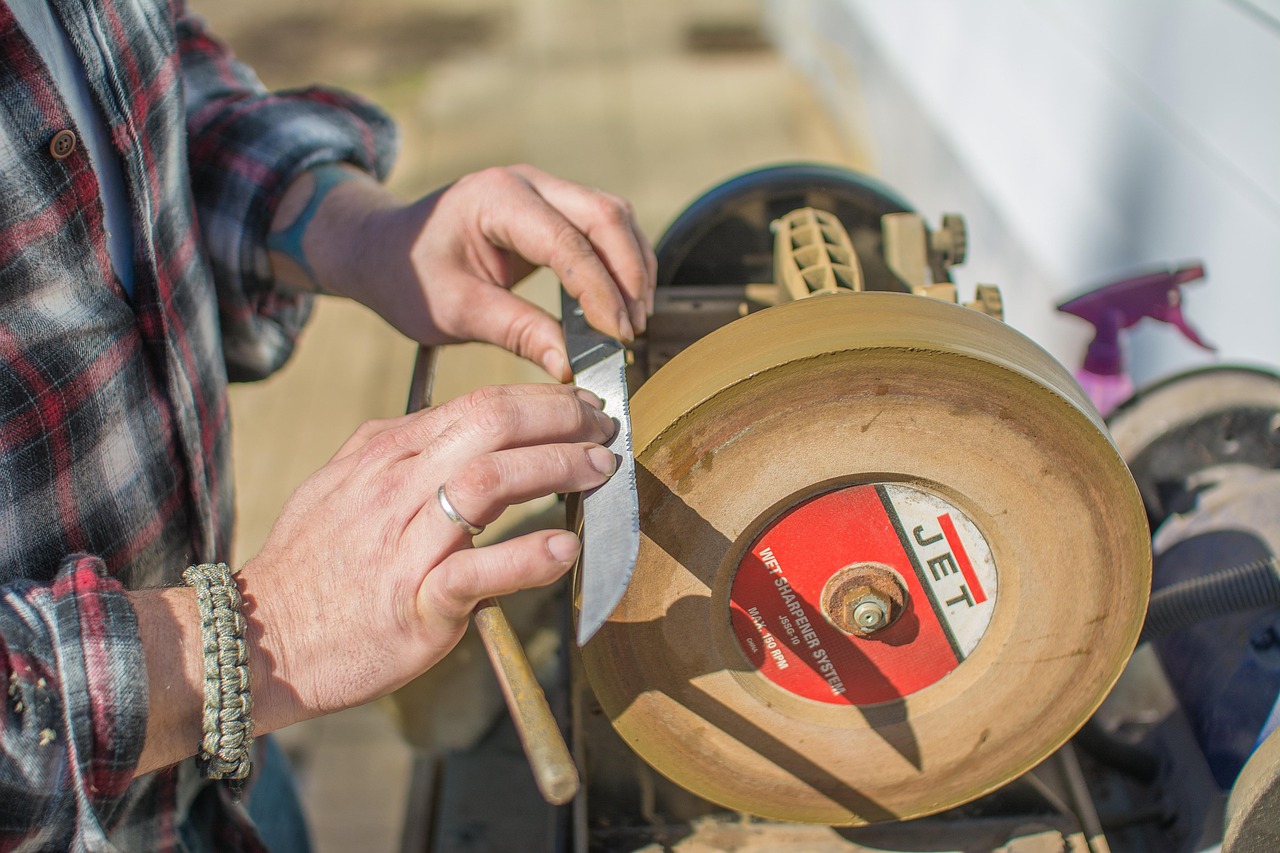
Typical Lifespan of Wusthof Sharpeners
Most Wusthof manual pull-through sharpeners are engineered for durability, but they are not permanent fixtures in your kitchen toolkit. While they are built to withstand routine maintenance, the abrasive components—typically ceramic rods or carbide blades—will eventually wear down and lose their effectiveness.
With regular home use, you can expect a high-quality Wusthof sharpening unit to last between two to five years. This duration is not a fixed expiration date but rather a general window influenced by several practical factors:
- Frequency of use: Sharpening your knives once every few weeks will extend the tool’s life significantly compared to daily heavy-duty use.
- Knife steel quality: Harder, high-carbon steel blades require more passes through the sharpener, which accelerates the wear on the internal abrasive elements.
- Maintenance: Failing to clean metal shavings out of the sharpening slots can lead to premature clogging or uneven grinding, shortening the tool’s lifespan.
You will know your sharpener is reaching the end of its functional life when you notice the blades or rods becoming smooth to the touch or when the sharpener no longer restores a keen edge to your knives despite multiple passes. At this point, the abrasive surface has lost its “bite” and can no longer effectively remove the microscopic amounts of metal necessary to create a sharp edge.
To maximize the longevity of your sharpener, always pull the knife through with light, even pressure. Avoid pressing down heavily, as this does not speed up the sharpening process; instead, it puts unnecessary stress on the internal components and can damage the knife’s edge. If you find yourself sharpening your knives more than once a week, it may be time to consider professional sharpening services or a higher-end stone system to preserve both your cutlery and your sharpening tools.
Signs Your Sharpener Needs Replacing
The most reliable indicator that your Wüsthof sharpener has reached the end of its life is a consistent decline in performance. Because sharpening tools rely on precise angles and abrasive surfaces, even minor wear can significantly impact the quality of your knife’s edge.
You should monitor your sharpener closely during every use. If your knives are no longer achieving a razor-sharp edge despite multiple passes, the abrasive medium inside the unit has likely worn down. When the material responsible for honing the steel becomes smooth, it can no longer effectively remove metal to create a new bevel.
Perform a visual inspection of the sharpening wheels or slots. Look for these specific signs of degradation:
- Visible wear or chipping: If the internal wheels appear uneven, cracked, or physically damaged, they will create an inconsistent edge that can actually damage your blade’s geometry.
- Persistent clogging: Over time, metal filings can become embedded in the abrasive surface. If you cannot clear these particles with a soft brush or compressed air, the sharpener will continue to slide over the steel rather than cutting into it.
- Uneven resistance: If the wheels feel loose, wobbly, or do not rotate smoothly, the mechanical integrity of the tool has failed.
Testing your blade is the final step in determining if your tool is still functional. After sharpening, perform the classic “paper test” by holding a sheet of printer paper vertically and slicing downward. If the blade tears the paper or catches frequently, your sharpener is no longer providing the necessary refinement.
Do not attempt to force a dull sharpener to work by applying excessive downward pressure. This is a safety hazard that can lead to slipping and may permanently ruin the temper of your high-quality Wüsthof blades. If the unit fails to produce a clean, effortless cut after a standard maintenance session, it is time to invest in a new sharpening unit to protect your investment in your cutlery.

Extending the Life of Your Sharpening Tool
Just as you nurture your garden plants with consistent care, your kitchen tools require specific maintenance to remain effective. A high-quality sharpening tool is an investment, and its longevity depends entirely on how you handle it after each use.
The most critical step in maintaining your sharpener is immediate cleanup. After you have finished honing your blades, use a soft, dry cloth to gently wipe the sharpening slots. This removes microscopic metal filings that accumulate during the process. If left behind, these metal particles can build up and interfere with the precision of the sharpening mechanism, potentially dulling your knives rather than sharpening them over time.
To ensure your tool lasts for years, follow these essential maintenance practices:
- Avoid moisture: Never submerge your sharpener in water or place it in the dishwasher. Internal components are often made of materials that can rust or degrade when exposed to excess humidity.
- Clean carefully: If the exterior becomes dusty, use a slightly damp cloth to wipe the casing, but ensure the sharpening slots remain completely dry.
- Store properly: Keep the device in a cool, dry drawer. Avoid tossing it into a “junk drawer” where it might collide with heavy metal utensils, which can damage the delicate alignment of the sharpening guides.
- Use a dedicated spot: Storing the sharpener in its original box or a designated kitchen organizer prevents it from being crushed by heavier items.
By treating your sharpening tool with the same attention you give to pruning your garden, you prevent premature wear and maintain the integrity of the sharpening surface. Moisture is the primary enemy of these precision devices; keeping them dry and shielded from physical impact is the simplest way to extend their functional life. When you protect your tools, you ensure that your kitchen remains as efficient and productive as a well-tended garden, allowing you to achieve clean, effortless cuts every time you prepare a meal.
Safety Precautions When Sharpening
Maintaining a sharp knife is essential for efficient kitchen work, but the sharpening process requires your full attention. Before you begin, always place your Wüsthof sharpener on a flat, stable, and non-slip surface. A cluttered or uneven countertop increases the risk of the device shifting while you are applying pressure.
If you notice the sharpener sliding during use, stop immediately. Secure the device on a silicone or rubber mat to ensure it remains stationary. Never attempt to hold the sharpener in one hand while pulling the knife through with the other, as this significantly increases the risk of an accidental slip.
Follow these essential safety protocols to protect your hands:
- Keep fingers clear: Always keep your fingers well away from the sharpening slot and the blade’s edge. Grip the knife handle firmly, ensuring your knuckles are not positioned where they could graze the sharpener.
- Use light pressure: Never force the blade through the sharpener. Use light, consistent pressure to let the abrasive elements do the work. Excessive force can damage the blade’s edge and cause the knife to jump or slip unexpectedly.
- Maintain control: Always pull the knife toward you in a smooth, controlled motion. Avoid jerky movements or lifting the blade mid-stroke, which can lead to uneven sharpening or potential injury.
Focus is your best safety tool. If you feel distracted or rushed, wait until you can give the task your full attention. Once you have finished sharpening, immediately wipe the blade clean with a dry cloth to remove any metal filings. Store your sharpener in a safe, dry location where it won’t be knocked off the counter by other kitchen activities. By prioritizing stability and controlled movement, you ensure that your tools remain in peak condition without compromising your physical safety. Regular, careful maintenance is the most effective way to extend the lifespan of both your knives and your sharpening equipment.
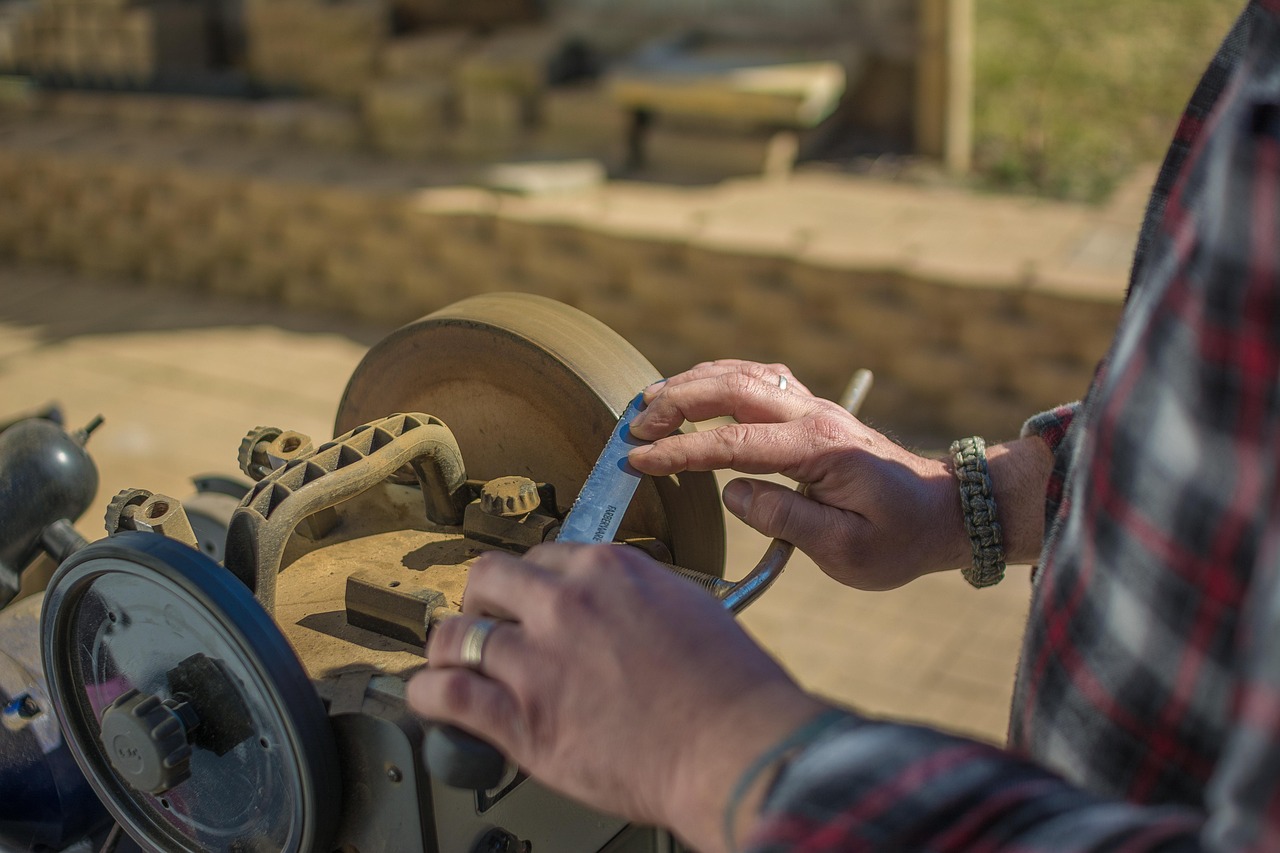
Common Questions and Professional Maintenance
If your Wüsthof sharpener no longer restores a keen edge, it may be time to seek professional intervention. Manual sharpeners are designed for routine maintenance to keep a sharp blade performing well, but they are not intended to repair significant damage or reset a severely dulled edge. If your knife struggles to slice through a tomato skin or requires excessive pressure, a professional service can regrind the bevel and return the blade to its factory-standard sharpness.
Before discarding your tool, perform a quick inspection to determine if the device itself is the culprit. Over time, the internal abrasive wheels can lose their effectiveness or develop uneven wear patterns. You can identify this by checking for the following signs:
- Visible grooves or flat spots on the abrasive wheels.
- The sharpener feels loose or shifts significantly during use.
- The knife blade feels “gritty” or catches on the wheels rather than gliding smoothly.
- The sharpening process produces metal shavings or debris that look uneven.
If you notice these issues, the abrasive material has likely been exhausted. Continuing to use a worn-out sharpener can lead to inconsistent honing, which may eventually damage the steel of your high-quality Wüsthof knives. In such cases, replacing the unit is more cost-effective than risking the integrity of your cutlery.
For those who prefer to maintain their own blades, ensure you are using the correct technique. Always pull the knife through the sharpener with light, consistent pressure, keeping the blade perpendicular to the base. Avoid pressing down hard, as this can prematurely wear out the internal wheels and create a burr on the edge of the knife rather than a clean, sharp finish.
If you remain unsure about the state of your sharpener, try testing it on a secondary, less expensive kitchen knife. If that blade also fails to sharpen, the abrasive wheels have reached the end of their functional lifespan. At that point, professional sharpening is the safest way to restore your primary chef’s knife before you invest in a new maintenance tool.
