How Long Can Wine Sit In A Decanter
Wondering how long can wine sit in a decanter? You’re not alone—many wine lovers want to enjoy their pour without losing flavor or freshness. The good news is, most wines can stay in a decanter for 2 to 3 hours, with some reds benefiting from even longer exposure. But delicate whites and older wines need less time. In this guide, we’ll break down exact times by wine type, so you can savor every sip at its peak.
How Long Can Wine Sit in a Decanter
Factors That Affect How Long Wine Lasts in a Decanter
Several key factors determine how long wine can safely remain in a decanter without degrading in quality. Exposure to oxygen is the primary influence—while aeration enhances flavor initially, prolonged exposure leads to oxidation, flattening the wine’s aromas and taste.
Temperature also plays a critical role; warmer environments accelerate oxidation, so keeping the decanter in a cool place helps preserve the wine. The type of wine matters as well—full-bodied reds benefit from longer decanting, while delicate wines degrade faster.
Decanter shape affects surface area exposure: wider bowls increase aeration but shorten optimal drinking windows. Cork closure or stopper use can slow oxidation if you’re storing leftover wine. As a rule, do not leave wine in a decanter for more than 3–4 hours unless you’re actively serving it.
For longer storage, transfer to an airtight container and refrigerate.
Red vs White Wine: Decanting Time Differences
Red and white wines respond differently to decanting due to their structural composition. Red wines, especially young, tannic varieties like Cabernet Sauvignon or Syrah, benefit from 1 to 3 hours in a decanter, as aeration softens tannins and unlocks complex aromas.
However, older reds are more fragile and should be decanted just before serving—no more than 30 minutes—to avoid losing their nuanced flavors. In contrast, white wines are generally more delicate and less tannic, so extended decanting is rarely needed.
Most whites only require 15 to 30 minutes of aeration to open up their floral and fruity notes. Exceptions include full-bodied whites like aged Chardonnay, which may benefit from up to an hour. Never leave white wine in a decanter for several hours, as it oxidizes faster than red.
For best results, serve whites chilled and monitor their evolution closely.
Sparkling Wine and Decanters: What You Need to Know
Using a decanter for sparkling wine is generally not recommended due to the rapid loss of carbonation. The wide surface area of most decanters causes bubbles to dissipate quickly, often within minutes, leaving flat and less vibrant wine.
While some experimental sommeliers decant sparkling wines briefly to reduce excessive fizz in overly aggressive bottles, this is a niche technique and not suitable for long-term decanting. Never leave sparkling wine in a decanter for more than 10–15 minutes, as its effervescence—and much of its appeal—will be lost.
If you’re serving sparkling wine, use a proper champagne flute or tulip glass to preserve bubbles and aroma. Decanters lack airtight seals, making them poor vessels for retaining pressure. For wines like Champagne or Prosecco, immediate serving after opening is best.
Consider decanting only non-sparkling wines to avoid compromising texture and enjoyment.
What Happens to Wine in a Decanter Over Time
The Role of Oxidation in Wine Flavor
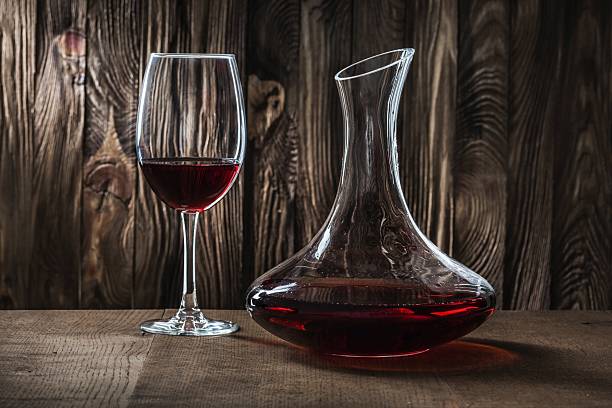
Oxidation plays a crucial role in how wine evolves once it’s poured into a decanter. When wine is exposed to air, oxygen interacts with its compounds, softening tannins and releasing aromatic volatiles that enhance the bouquet.
For young, bold reds like Cabernet Sauvignon or Syrah, this process can make the wine more approachable and expressive within 30 minutes to two hours. However, prolonged exposure can degrade delicate flavors, especially in older or more fragile wines. Oxidation isn’t inherently bad—it’s about timing and wine type.
Light whites and older vintages oxidize faster and may lose freshness or structure in as little as 30–60 minutes. Understanding your wine’s age and structure helps determine ideal decanting duration.
Monitoring the wine’s aroma and taste over time ensures you enjoy it at its peak without letting oxidation dull its character.
When Aeration Improves Taste
Aeration enhances wine by unleashing hidden flavors and smoothing harsh edges, especially in full-bodied reds and young tannic varieties. When decanted, wine’s contact with air helps dissipate reductive notes—like burnt match or sulfur—and opens up fruit, floral, and spice characteristics.
Most wines benefit from 30 minutes to two hours of aeration, with younger, tightly wound bottles often improving the most. High-tannin wines like Nebbiolo or Malbec can become noticeably softer and more balanced during this window. Even some whites, such as aged Chardonnay, can gain complexity with brief aeration.
The key is to taste periodically to catch the wine at its optimal expression. Using a wide-bottomed decanter maximizes surface area and speeds up aeration. For best results, decant just before serving and avoid leaving wine exposed beyond the improvement window.
Signs Your Wine Has Been in the Decanter Too Long
If wine sits in a decanter too long, noticeable flavor degradation occurs. The first sign is a flattened aroma—once vibrant notes of fruit, spice, or florals become muted or disappear. On the palate, the wine may taste dull, overly acidic, or slightly bitter, especially if oxidation has progressed too far.
Red wines can lose their depth and appear more brownish at the rim, while whites may turn deeper gold and taste stale. Extended exposure beyond 6–8 hours typically leads to irreversible decline, particularly for delicate or older vintages. Wines with low tannin or high age are especially vulnerable.
To avoid over-decanting, serve within 2–3 hours for most reds and under an hour for older or lighter styles. If you must keep wine longer, transfer it back to a sealed bottle and refrigerate, though peak quality will not be preserved.
Best Practices for Decanting Different Types of Wine
How to Decant Young Red Wines
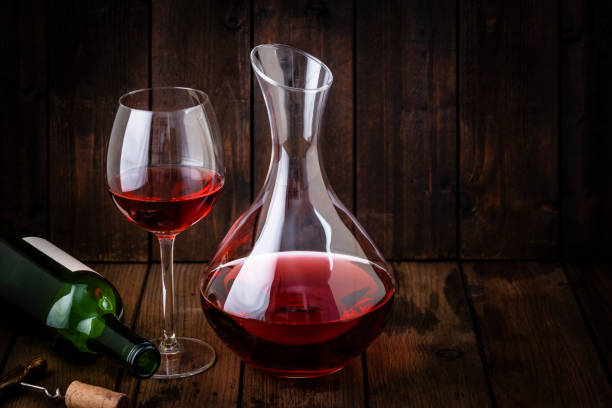
Young red wines, especially bold varieties like Cabernet Sauvignon, Syrah, or Malbec, benefit significantly from decanting to soften tannins and enhance aromatic expression. These wines can typically sit in a decanter for 1 to 3 hours without losing quality.
The exposure to oxygen helps open up the wine, revealing deeper fruit notes and smoothing out harsh edges. To maximize benefits, use a wide-bottomed decanter that allows greater air contact. Swirl the decanter occasionally to accelerate aeration.
Avoid leaving young reds in the decanter for more than 3 hours, as extended exposure can cause the wine to fade and lose vibrancy. Taste periodically to determine peak readiness. Decanting just before serving ensures optimal flavor and aroma.
For best results, serve in large-bowled glasses to continue the aeration process in the glass.
Decanting Aged Reds: Timing and Care
Aged red wines, such as mature Bordeaux or Barolo, require a more delicate approach due to their fragile structure and developed complexity. These wines often contain sediment, making decanting essential for clarity, but they are more sensitive to oxygen.
Limit decanter time to 30 minutes or less to preserve nuanced flavors and prevent oxidation. Begin by carefully standing the bottle upright for several hours to settle sediment before gently pouring into a decanter. Use a light source under the neck to monitor sediment as you pour.
Unlike young reds, aged wines don’t benefit from prolonged aeration—their peak expression is often immediate. Taste soon after decanting to enjoy the full spectrum of tertiary notes like leather, earth, and dried fruit.
If the wine seems closed, brief aeration in the glass may be more effective than extended decanter time.
White and Rosé Wines: Do They Need Decanting?
While not common, certain full-bodied or age-worthy white wines—like oaked Chardonnay, White Burgundy, or aged Riesling—can benefit from decanting to unlock aromatic complexity and soften texture.
Lighter whites and rosés typically don’t require decanting, but if served too cold, a brief 15–20 minute decanter rest can help them express more fully. For suitable whites, 30 to 60 minutes in the decanter is sufficient; longer exposure risks flattening delicate floral and citrus notes.
Rosés, especially structured ones, may open up with 20–30 minutes of aeration. Always prioritize freshness—avoid extended decanter times, as these wines lack the tannic backbone of reds and degrade faster. Use decanting selectively, mainly for complex, mature whites that seem closed upon opening.
When in doubt, taste before and after to assess improvement.
How to Store Wine After Decanting
Can You Refrigerate a Decanter?
Yes, you can refrigerate a decanter to extend the life of leftover wine, especially for white, rosé, and sparkling varieties. The cold temperature slows oxidation and preserves freshness.
However, ensure the decanter is made of sturdy glass and doesn’t have delicate stems or ornate designs that could crack under temperature changes. Always use an airtight stopper before refrigerating to minimize air exposure.
Red wines can also be refrigerated, but they should be brought back to room temperature before serving the next day for optimal flavor. Avoid placing a warm decanter directly into the fridge; let it cool slightly first to prevent thermal shock.
While refrigeration helps, most decanted wines last only 2–3 days under these conditions. For best results, transfer wine to a smaller bottle if the decanter doesn’t seal well. Refrigeration is a practical short-term solution, but prompt consumption ensures peak quality.
Using Stopper Covers to Preserve Open Wine
An airtight stopper is essential for preserving wine after decanting. Exposure to oxygen begins degrading wine immediately, so sealing the decanter tightly helps slow oxidation and retain aroma and flavor. Use a high-quality glass or silicone stopper designed to fit your decanter’s neck snugly—avoid rubber stoppers that may impart off-flavors.
Some wine preservation systems combine stoppers with inert gas sprays, like argon or nitrogen, which create a protective layer over the wine. These methods can extend freshness by up to 3–5 extra days. For best results, store the sealed decanter upright in a cool, dark place.
Check the seal periodically to ensure it hasn’t loosened. While no method fully stops degradation, proper sealing significantly improves longevity. Re-pouring leftover wine into a half-bottle with less headspace is another effective strategy. The key is minimizing oxygen contact to maintain drinkability beyond the first day.
How Long Decanted Wine Lasts Overnight
Decanted wine can typically last overnight (8–12 hours) without significant quality loss, especially if resealed with a stopper. Full-bodied reds like Cabernet Sauvignon often benefit from several hours in a decanter, so overnight exposure may even enhance their flavor initially.
However, after 12–24 hours, most wines begin to degrade due to oxidation, losing freshness and vibrancy. Lighter reds and whites decline faster, so consuming them within 12 hours is ideal. Sparkling wines deteriorate most quickly—never leave them in a decanter overnight.
To maximize lifespan, store the decanter in a cool, dark place or refrigerate with a proper seal. Taste the wine the next day to assess its condition; if it tastes flat or vinegary, it’s past its prime.
While some robust wines may remain enjoyable for up to 24 hours, 24 hours is the practical upper limit for most decanted wines.
Tips for Getting the Most Out of Your Decanter
Choosing the Right Decanter Shape for Your Wine
Selecting the appropriate decanter shape significantly impacts how long your wine can sit exposed before losing its vibrancy. Wider-bottomed decanters with large surface areas are ideal for young red wines like Cabernet Sauvignon or Syrah, as they maximize aeration and help soften tannins quickly.
These styles allow wine to evolve over 2 to 4 hours in the decanter without degrading. In contrast, older, more delicate wines benefit from taller, narrower decanters that minimize aggressive oxidation. These preserve nuanced flavors and aromas, making them suitable for shorter decanting windows of 30 minutes to 1 hour.
Crystal decanters often enhance aeration due to micro-pores, while glass models offer more neutral interaction. Always consider your wine’s age and structure when choosing a decanter—matching form to function ensures optimal enjoyment. This alignment helps prevent overexposure and extends the wine’s peak drinking window safely.
Cleaning and Maintaining Your Decanter
Proper cleaning and maintenance extend your decanter’s life and ensure each pour tastes as intended. Residue buildup can alter the flavor of wine, especially if left uncleaned after repeated use.
After each use, rinse the decanter with warm water immediately—avoid soap unless absolutely necessary, as it can leave behind a film or scent. For stubborn stains, use baking soda with rice or specialized cleaning beads; swirl gently to dislodge deposits without scratching.
Always dry upside down on a soft rack to prevent dust accumulation and water spots. Store your decanter with a protective stopper to minimize dust. Regular inspection for cracks or cloudiness helps maintain clarity and function.
A well-maintained decanter not only looks elegant but also preserves the wine’s integrity during extended decanting. Clean equipment ensures that even if wine sits for several hours, no off-flavors from residue interfere with the tasting experience.
Common Decanting Mistakes to Avoid
Avoiding common decanting errors ensures your wine stays fresh and flavorful for as long as it’s in the decanter. One major mistake is over-decanting delicate wines, such as older vintages or light-bodied reds, which can fade within an hour.
These wines benefit from decanting just long enough to remove sediment—typically 15 to 30 minutes—before serving. Another error is leaving wine in the decanter overnight; without a stopper or refrigeration, oxidation accelerates, flattening aromas and altering taste.
Using the wrong decanter size also impacts results—a small decanter limits aeration, while an oversized one may expose too much wine to air. Always monitor the wine’s evolution by tasting periodically. For extended service, transfer leftover wine to a smaller sealed container and refrigerate.
Smart practices let you enjoy wine at its peak and safely extend its time in the decanter when appropriate.
Does Decanting Change Alcohol or Sulfite Levels?
Myths About Alcohol Evaporation in Decanters
A common misconception is that alcohol levels decrease significantly when wine sits in a decanter. In reality, ethanol evaporation during typical decanting times—up to several hours—is negligible. While prolonged exposure over many hours may result in minimal alcohol loss, it’s not enough to alter the wine’s strength or intoxicating effects.
Decanters are designed to enhance aroma and flavor through aeration, not to reduce alcohol content. Short to moderate decanting (1–4 hours) is safe and beneficial for most wines, especially full-bodied reds. Even delicate wines like Pinot Noir can handle an hour without harm.
The surface area exposed to air in a decanter is limited compared to industrial evaporation methods. Therefore, concerns about ‘softer’ effects due to alcohol loss are unfounded. Enjoy your wine confidently—the ABV remains effectively unchanged during standard serving periods, preserving both flavor and experience.
Sulfites and Air Exposure: What Actually Happens
Many believe that decanting reduces sulfite levels, making wine safer for sensitive individuals. However, sulfites—added as preservatives—are chemically stable and do not dissipate quickly through aeration. While oxygen exposure can slightly alter sulfite compounds over time, the change is minimal within typical decanting windows.
Sulfur dioxide (SO₂) binds to other molecules in wine, and only free SO₂ is volatile, yet even this fraction doesn’t vanish in a few hours. No scientific evidence supports significant sulfite reduction from decanting.
For those with sulfite sensitivities, choosing low-sulfite wines or checking labels is more effective than relying on decanting. Additionally, sulfites are naturally present in all fermented products, so complete elimination isn’t possible. The real benefit of decanting lies in softening tannins and releasing aromas, not chemical alteration.
Therefore, while decanting improves sensory qualities, it should not be counted on for health-related sulfite reduction.
Scientific Facts vs Popular Beliefs
Popular belief often claims that letting wine ‘breathe’ fundamentally changes its chemical composition, including alcohol and sulfite levels. However, scientific analysis shows that only volatile aromatic compounds and oxygen-sensitive phenolics are notably affected during decanting.
These changes enhance bouquet and mouthfeel but don’t alter core components like alcohol content or preservative levels in any meaningful way. Studies confirm that ethanol evaporation requires extended exposure—far beyond typical serving times—while sulfites remain largely intact. The real value of decanting is improving sensory perception, not chemical detoxification.
Wines can safely remain in a decanter for 3–6 hours, depending on type, without degradation. Light whites and older vintages should be consumed sooner, while robust reds benefit from longer exposure.
Ultimately, trust sensory cues over myths: if the wine smells and tastes vibrant, it’s at its best—regardless of unfounded claims about chemical reduction.
Serving Wine from a Decanter: Timing and Temperature
Ideal Serving Temperatures After Decanting
Maintaining the correct serving temperature after decanting is crucial for preserving the wine’s balance and aroma. Red wines, such as Cabernet Sauvignon or Syrah, should be served between 60°F and 65°F—slightly cooler than room temperature—to prevent alcohol from overpowering the palate.
Lighter reds like Pinot Noir benefit from the lower end of this range. White wines, including Chardonnay and Viognier, should stay chilled at 45°F to 50°F even after decanting to retain freshness and acidity.
For sparkling wines, which are rarely decanted long-term, use an ice bucket to maintain 40°F to 45°F. Avoid leaving wine in a decanter near heat sources or in direct sunlight, as temperature fluctuations can degrade quality.
Use a wine thermometer for precision, and consider returning whites or rosés to the refrigerator between servings if serving over an extended period. Stable temperatures enhance flavor clarity and ensure the wine expresses its full profile from first pour to last.
How Long to Wait Before Serving Different Wines
The optimal time to serve wine after decanting varies by type and age. Young, bold reds like Malbec or Nebbiolo benefit from 30 to 60 minutes of aeration, softening tannins and unlocking complex aromas. Very tannic wines may improve over 1 to 2 hours, but monitor closely to avoid oxidation.
Older vintage wines, especially those over 10 years, are more fragile—decant gently and serve within 30 minutes, as prolonged exposure can dull delicate flavors. Lighter reds and full-bodied whites like oaked Chardonnay typically need just 15 to 30 minutes to open up.
Sparkling wines should be poured immediately after brief decanting to preserve effervescence. Wine should never sit in a decanter for more than 3 hours, even under ideal conditions. Use your senses: if the fruit notes fade or the wine tastes flat, it’s past its peak.
Timing ensures each glass delivers maximum aroma, balance, and enjoyment.
Pairing Decanted Wine with Food for Best Flavor
Decanting enhances a wine’s expressiveness, making it ideal for pairing with complementary dishes that elevate both elements. Bold, decanted reds like Syrah or Bordeaux shine with rich, fatty foods such as ribeye steak or lamb stew, as the wine’s softened tannins cut through the fat.
For decanted white wines like aged white Burgundy, pair with creamy sauces or roasted poultry to match their fuller body and nuanced texture. The aeration process brings out subtle spice and earth notes, perfect for dishes with herbs or umami-rich ingredients like mushrooms.
Serve decanted rosé with grilled seafood or charcuterie to highlight its refreshed vibrancy. Timing matters: serve the wine shortly after decanting, aligned with the meal’s progression—start with lighter dishes and move to heavier ones. This ensures each course harmonizes with the wine’s evolving profile.
Thoughtful pairings transform a simple meal into a cohesive, sensory experience.
Frequently Asked Questions
How long can wine sit in a decanter before it goes bad?
Most wines can sit in a decanter for 2 to 3 hours without significant degradation. Beyond that, oxidation begins to dull flavors, especially in older or more delicate wines.
Can you leave red wine in a decanter overnight?
Yes, you can leave red wine in a decanter overnight, especially if resealed or stored in the fridge. However, its flavor profile may change due to prolonged aeration.
Does white wine last longer in a decanter than red wine?
White wines generally last slightly longer in a decanter—up to 4-5 hours—because they are less affected by oxidation. Sparkling whites, however, should only be decanted briefly.
What happens if wine is left in a decanter too long?
Over time, excessive exposure to air causes wine to oxidize, leading to flattened aromas and a stale, vinegary taste. This happens faster with older wines than younger, more tannic ones.
Can you save wine left in a decanter for later?
Yes, you can save leftover wine by transferring it back to a sealed bottle or covering the decanter with a stopper and refrigerating it. Younger reds and full-bodied whites may remain drinkable for up to 2 days.
How can I tell if decanted wine has gone bad?
Signs of spoiled wine include a sharp, sour taste, dull or brownish color, and off-putting vinegar-like aromas. If it smells or tastes unpleasant, it’s best not to drink it.
Does decanting time vary by wine age?
Yes, younger wines benefit from longer decanting (1-3 hours) to open up flavors, while older wines (20+ years) should be decanted just before serving, as they can fade quickly.
Conclusion
Wine can typically sit in a decanter for several hours, with robust reds benefiting from extended aeration while delicate whites and older wines should be consumed within an hour or two. The key is understanding the wine’s profile and desired flavor development. Decanting enhances aroma and softens tannins, elevating the tasting experience. Don’t hesitate to experiment—decanting is both art and science—so explore and enjoy the transformation each pour reveals.