
How Long Can Wine Be Stored
Wondering how long you can keep that bottle of wine before it goes bad? You’re not alone. The truth is, storage time depends on the type of wine, how it’s stored, and whether it’s open or unopened. From crisp whites to bold reds and sparkling favorites, each has its own shelf life. In this guide, we’ll break down exactly how long different wines last—unopened, opened, and even in the fridge—so you can enjoy every sip at its best.
How Long Can Different Types of Wine Be Stored
How long can red wine be stored
Most red wines can be stored for 3 to 5 years, but high-quality varieties like Cabernet Sauvignon, Nebbiolo, or Syrah can age gracefully for 10 to 20 years or more under proper conditions. The key factors for successful aging include stable temperature (55°F/13°C), humidity around 70%, darkness, and minimal vibration.
Tannins and acidity in red wine act as natural preservatives, allowing complex flavors to develop over time. However, not all red wines benefit from long-term aging—many everyday bottles are meant to be enjoyed within a few years of release. To determine optimal storage time, check the vintage and producer recommendations.
When in doubt, drink younger rather than risk oxidation or deterioration.
How long can white wine be stored
Most white wines are best consumed within 1 to 3 years of bottling, especially lighter styles like Pinot Grigio and Sauvignon Blanc. However, high-acid, full-bodied whites such as Chardonnay, Riesling, or Chenin Blanc can age for 5 to 10 years, developing honeyed, nutty complexity.
Proper storage in a cool, dark, and humid environment is crucial to preserve freshness and prevent premature aging. Avoid storing white wine in a standard refrigerator for long periods due to low humidity and temperature fluctuations. Look for vintage-dated bottles from reputable producers if planning extended storage.
Once opened, consume within 3 to 5 days using a wine stopper and refrigeration. Unopened, monitor for signs of spoilage like browning or musty smell.
How long can rosé wine be stored
Rosé wine is best enjoyed fresh and should be consumed within 1 to 2 years of production, with most bottles ideal within the first year. Its appeal lies in bright acidity, fruity aromas, and vibrant color, all of which fade over time.
Unlike red or some whites, rosé lacks the tannins and structure needed for long aging. Store unopened rosé in a cool, dark place at a consistent temperature to preserve quality. Avoid long-term storage unless it’s a rare, age-worthy style like Bandol rosé, which may improve for up to 5 years.
Once opened, finish the bottle within 3 to 5 days with a sealed stopper in the refrigerator. For best results, treat rosé as a short-term wine and purchase close to when you plan to drink it.
How long can sparkling wine be stored
Most non-vintage sparkling wines, including Prosecco and Cava, should be consumed within 1 to 2 years of purchase, as they are made for freshness and effervescence. Vintage sparkling wines like Champagne can age for 5 to 10 years, developing richer, toasty notes over time.
Store sparkling wine horizontally in a cool, dark place to keep the cork moist and maintain pressure. Avoid temperature swings and light exposure, which can degrade quality. Once opened, use a champagne stopper and refrigerate—consume within 1 to 3 days.
Note that Prosecco is especially perishable after opening due to its production method. For long-term aging, only consider high-quality vintage bottles with high acidity and dosage; otherwise, enjoy young and chilled.
Factors That Affect Wine Shelf Life
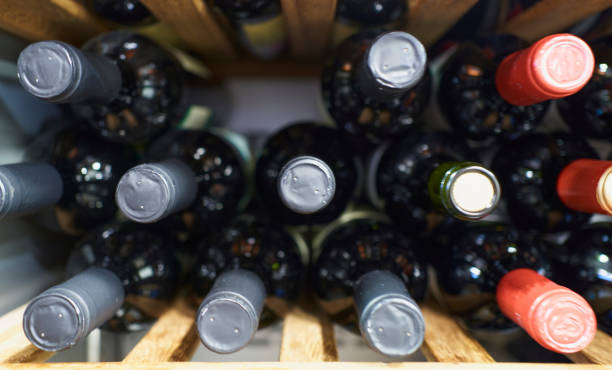
Temperature and humidity impact on wine storage
Consistent temperature and humidity are critical for maximizing wine shelf life. Ideally, wine should be stored between 45°F and 65°F (7°C–18°C), with 55°F (13°C) being optimal.
Fluctuations in temperature can cause the wine to expand and contract, potentially pushing the cork out slightly and allowing oxygen exposure, which leads to oxidation and spoilage. Humidity levels around 70% help keep corks from drying out, preserving their seal.
Too low humidity can shrink corks, while too high may damage labels. Avoid storing wine in areas like kitchens or garages where temperatures vary widely. A climate-controlled wine fridge or cellar provides the stable environment needed for long-term aging, ensuring the wine maintains its quality for years.
How light exposure affects wine aging
Exposure to light, especially UV rays, can significantly degrade wine quality over time, a condition known as ‘lightstrike.’ This is particularly harmful to white and sparkling wines stored in clear or light-colored bottles. UV light triggers chemical reactions that produce unpleasant aromas and alter the wine’s flavor profile.
To protect wine, store it in dark environments or use UV-protected wine storage units. Avoid direct sunlight and fluorescent lighting in storage areas. Cellars or cabinets with solid doors are ideal. Even short daily exposure can accumulate damage over months. Proper shielding ensures the wine ages gracefully.
For long-term storage, dark glass bottles and minimal light exposure are essential safeguards against premature aging and spoilage.
The role of bottle closure in wine longevity
The type of closure directly affects how long wine can be stored. Traditional natural corks allow minimal oxygen exchange, which helps wine age gracefully over years, but they can dry out or develop cork taint (TCA).
Screw caps provide a more airtight seal, reducing oxidation risk and are excellent for wines meant to be consumed within 5–10 years. Synthetic corks avoid TCA but may not allow ideal aging for long-term storage. For collectors, natural cork remains preferred for aging premium reds over decades.
Always store cork-sealed bottles horizontally to keep the cork moist and sealed. Choosing the right closure and proper storage position are key factors in preserving wine quality and extending shelf life.
Why wine composition matters for storage duration
A wine’s inherent composition—including acidity, tannin, sugar, and alcohol—determines its aging potential. High-acid and high-tannin reds like Cabernet Sauvignon or Nebbiolo can evolve beautifully over 10–30 years, as tannins polymerize and soften.
Sweet wines such as Sauternes or Tokaji have natural preservatives in sugar and acidity, allowing them to last decades. In contrast, light whites and most rosés are best consumed within 1–3 years. Alcohol balance also plays a role—too low may lead to spoilage, too high can overpower flavors over time.
Well-structured wines with balanced components age best. Understanding your wine’s profile helps determine realistic storage limits and optimal drinking windows for the best experience.
Signs Your Wine Has Gone Bad
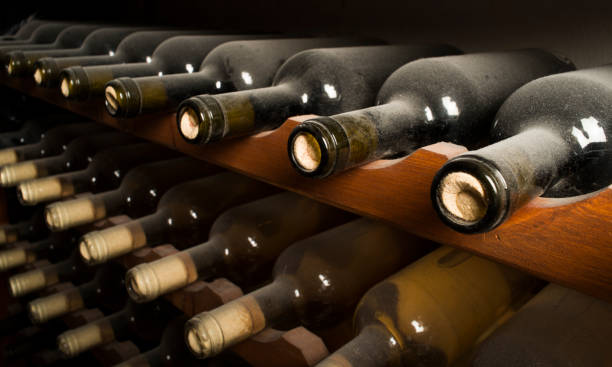
How to spot oxidized wine
Oxidized wine occurs when exposure to air degrades its quality over time. Red wines that have oxidized often turn brownish or brick-colored, while white wines become darker, resembling amber or sherry. The aroma may smell flat, stale, or like sherry or nuts, which is a red flag for oxidation.
Taste-wise, oxidized wine lacks freshness and fruitiness, often tasting dull or lifeless. This typically happens when the cork fails to seal properly or the wine has been stored too long, even under ideal conditions.
To prevent oxidation, store wine upright if using a screw cap and ensure proper humidity for corked bottles. Most table wines last 3–5 years, while high-acid or tannic wines can age longer.
What a corked wine smells and tastes like
A ‘corked’ wine is contaminated with TCA (2,4,6-trichloroanisole), a chemical compound from cork mold. The most telltale sign is a damp cardboard or wet basement smell, which overpowers the wine’s natural aromas. On the palate, it feels flat and muted, lacking fruit expression and finish.
Even a slight cork taint can make wine unpleasant to drink. This flaw affects 1–2% of cork-sealed bottles and is not harmful, just disappointing. To confirm, swirl the wine and sniff deeply—if the musty odor persists, it’s likely corked.
Prevention includes choosing wines with screw caps or synthetic corks, especially for whites and rosés meant to be consumed young. If you suspect a wine is corked, return it to the retailer for a replacement.
Visual cues that wine has spoiled
Visual inspection is a quick first step in detecting spoiled wine. Look for cloudiness or sediment that wasn’t present before—this may indicate microbial growth or protein instability. Bubbles in still wine suggest refermentation, especially if stored warm.
A pushed-out cork or wine staining the cork’s top can mean air intrusion and spoilage. For white wines, a deep golden or brown hue suggests oxidation, while reds turning orange or brown at the rim are likely past their prime.
Also, check the fill level in older bottles; low ullage (space between cork and liquid) hints at evaporation due to poor storage. Always store wine on its side in a cool, dark place to preserve integrity. Most wines are best within 3–5 years, except collectible vintages.
When wine turns to vinegar: what to look for
Wine turns to vinegar when acetic acid bacteria convert alcohol into acetic acid, often due to oxygen exposure or poor storage. The most obvious sign is a sharp, vinegary smell resembling nail polish remover or pickles. The taste becomes sour and harsh, lacking balance.
In some cases, a film or ‘mother’ may form on the surface, indicating active bacterial growth. This process usually occurs in opened bottles left too long or improperly sealed. To prevent this, re-cork opened wine and refrigerate it, consuming within 3–5 days.
Even unopened wine can spoil if stored in warm, fluctuating temperatures. Most everyday wines should be consumed within 1–3 years, while fine wines built for aging may last decades under optimal conditions. When in doubt, trust your nose—vinegar is unmistakable.
Best Ways to Store Wine at Home
Ideal temperature and humidity for home wine storage
To ensure wine ages properly, maintain a consistent temperature between 50°F and 59°F (10°C–15°C)—fluctuations can damage the wine’s structure and accelerate aging. Avoid temperatures above 70°F (21°C), as heat can ‘cook’ the wine, leading to flat flavors.
Humidity levels should stay around 60–70% to prevent corks from drying out, which could let air seep in and spoil the wine. Use a wine fridge or climate-controlled cellar if possible. Basements often work well due to their natural coolness and humidity.
Consistency is more critical than perfection—avoid placing wine near appliances, vents, or exterior walls that experience temperature swings. These conditions allow wine to develop complexity over time, especially for long-term aging.
How to store opened wine bottles
Once opened, wine begins to oxidize, altering its flavor within days. Re-cork the bottle or use a wine stopper and store it in the refrigerator, even for reds. Use a vacuum pump to remove air or add inert gas (like argon) to create a protective layer.
Lighter wines like whites and rosés can last 3–5 days under these conditions, while full-bodied reds may remain drinkable for 3–4 days. Sparkling wines should be sealed with a specialized clamp stopper and consumed within 1–2 days. Avoid leaving opened wine at room temperature, as oxidation accelerates.
For frequent wine drinkers, consider smaller format bottles or wine preservation systems to minimize waste. These steps help maintain flavor and aroma, extending enjoyment.
Best positions for storing wine bottles
Store wine bottles horizontally to keep the cork in constant contact with the wine, preventing it from drying out and letting air enter. This is especially crucial for wines sealed with natural corks and intended for long-term aging (over 6 months). Horizontal storage maintains a tight seal and preserves freshness.
Bottles with screw caps or synthetic corks can be stored upright, as they don’t require moisture to stay sealed. Avoid frequent movement or shaking, as sediment in aged wines can become disturbed. Racks designed for horizontal storage are ideal and allow easy labeling visibility.
Whether in a wine fridge or cellar, ensure bottles are stable and protected from light. Proper positioning supports both short-term quality and long-term aging potential.
Avoiding vibration and strong odors in storage areas
Wine should be stored in a still, vibration-free environment, as constant movement can disturb sediment and interfere with the aging process, particularly in red wines meant for long-term cellaring. Vibrations from appliances, HVAC systems, or foot traffic can disrupt molecular stability, leading to premature aging or off-flavors.
Choose a quiet corner, basement, or dedicated wine fridge. Additionally, keep wine away from strong odors like paint, cleaning supplies, or pungent foods—corks can absorb surrounding smells, tainting the wine. Store bottles in sealed racks or cabinets if odor exposure is a concern.
A calm, clean storage space protects both aroma and structure, ensuring the wine develops as intended over time.
How to Read Wine Labels for Aging Potential
What vintage year tells you about storage
The vintage year on a wine label indicates the year the grapes were harvested and is a critical clue to a wine’s aging potential. Wines from exceptional vintages—those with ideal weather conditions—typically have better balance, acidity, and concentration, allowing them to age longer.
For example, top Bordeaux or Barolo from stellar years like 2010 or 2016 can age gracefully for 20+ years. Conversely, wines from poor vintages may lack structure and are best consumed sooner. Always research the vintage quality for the region you’re buying from.
While not all wines improve with age, checking vintage charts can help determine if your bottle is meant for short-term enjoyment or long-term cellaring. This knowledge helps avoid opening a wine too early—or too late.
Identifying aging indicators on wine labels
Certain label terms and classifications signal a wine’s potential to age. Look for phrases like ‘Reserva,’ ‘Gran Reserva’ (in Spain), or ‘Riserva’ (in Italy), which indicate extended aging before release and often imply further cellar potential.
Wines labeled as ‘single vineyard’ or ‘cru’ (like ‘Grand Cru’ in Burgundy) typically come from superior sites with concentrated fruit and structure ideal for aging. Producer reputation also matters—renowned winemakers often craft age-worthy wines.
Additionally, bottle weight and capsule quality (the foil covering the cork) can hint at a wine built for longevity. While not definitive, these visual and textual cues help identify wines more likely to evolve positively over time, especially when combined with vintage and region knowledge.
Understanding wine appellation and its impact on longevity
The appellation—the designated wine region on the label—provides insight into aging potential because it reflects regional winemaking traditions and grape quality. Regions known for age-worthy wines, such as Bordeaux, Napa Valley, or Piedmont, often produce structured reds with tannins, acidity, and concentration that evolve over decades.
Appellation rules may also require minimum aging before release, as in Rioja or Châteauneuf-du-Pape. Higher-tier appellations (e.g., Premier Cru or DOCG) usually enforce stricter standards, increasing the likelihood of longevity. Conversely, wines from broad regional designations (like ‘California’ or ‘Vin de France’) are often made for early drinking.
By understanding the reputation and regulations of an appellation, you can better predict whether a wine will benefit from cellaring or should be enjoyed young.
How alcohol and sugar content affect aging
The alcohol and sugar levels in wine play key roles in its ability to age. Wines with moderate to high alcohol (13.5% and above) often have more body and extract, contributing to longevity, especially in reds. However, excessive alcohol without balance can lead to instability over time.
On the other hand, sweet wines—like Sauternes, Tokaji, or German Auslese—age exceptionally well because sugar acts as a preservative, slowing oxidation and microbial spoilage. Their high acidity also balances sweetness and supports long-term aging, sometimes for 50+ years.
Dry wines with low acidity and alcohol (e.g., light rosés) are generally best consumed within a few years. Always assess balance: a harmonious interplay of sugar, alcohol, acidity, and tannins is essential for extended storage and graceful maturation.
Long-Term Wine Aging: Tips for Collectors
Wines that improve with age: top varieties
Certain wines benefit significantly from long-term aging, developing more complex flavors and smoother textures over time. Red wines with high tannin, acidity, and sugar content are most suitable for aging, such as Cabernet Sauvignon, Nebbiolo, Syrah, and Sangiovese. These structural components act as natural preservatives.
Sweet dessert wines like Sauternes and German Riesling, as well as fortified wines such as Vintage Port and Madeira, also age exceptionally well due to their sugar and alcohol levels.
While most white wines are best consumed young, select Chardonnay from top Burgundy producers or aged white Rioja can improve over a decade. Always research the specific wine and vintage, as quality and provenance are critical to successful aging.
How to build a wine aging cellar
Creating an optimal environment is essential for long-term wine storage. Your cellar should maintain a consistent temperature of 55°F (13°C), relative humidity around 70%, and protection from light and vibration. Use solid, UV-resistant storage racks to keep bottles on their side, preserving the cork’s seal.
Avoid areas near appliances or exterior walls that experience temperature fluctuations. Insulation and climate control systems may be necessary for basements or converted rooms. Install a digital hygrometer to monitor conditions regularly. A dark, quiet space with minimal foot traffic helps preserve wine integrity.
Proper labeling and organization ensure easy access and prevent accidental disturbance of aging bottles. Investing in these elements protects your collection and maximizes aging potential.
Tracking wine development over time
Monitoring your wine’s evolution ensures you enjoy it at its peak. Keep a detailed aging log noting vintage, producer, storage conditions, and tasting notes from sample bottles opened periodically. Photograph labels and capsules to track signs of deterioration. Use cellar management apps or spreadsheets to schedule tastings and set reminders.
Open multiple bottles from the same case over time to assess development—this ‘vertical tasting’ reveals how the wine changes. Note shifts in color, aroma, and mouthfeel. Avoid overhandling bottles, as agitation can disturb sediment and slow maturation.
Consistent tracking not only informs when to drink but also enhances your understanding of aging patterns across vintages and regions.
When to drink aged wine for best flavor
Knowing when to open an aged wine is as important as how you store it. Most wines reach peak drinkability within 5–15 years, but premium reds and dessert wines can peak after 20+ years. Research producer recommendations and consult expert reviews for guidance.
Taste a bottle from a multi-bottle case a few years before the expected peak to assess readiness. Signs of optimal maturity include softened tannins, complex aromas (like leather, earth, or dried fruit), and balanced acidity. Avoid waiting too long—wines eventually decline, losing fruit and structure.
Decant older wines to separate sediment and allow the bouquet to open. Ultimately, personal preference plays a role; some enjoy wines in their youthful vigor, others prefer full maturity.
Common Wine Storage Mistakes to Avoid
Storing wine in the kitchen: why it’s risky
Storing wine in the kitchen is one of the most common mistakes that can significantly shorten its lifespan. Kitchens experience frequent temperature fluctuations due to ovens, dishwashers, and stovetops, which can cause the wine to expand and contract, potentially pushing the cork out slightly and allowing oxygen to enter.
This leads to premature oxidation and spoilage. Additionally, vibrations from appliances can disturb sediment and affect aging, especially in red wines. While some wines can last a few days to weeks in the kitchen after opening, unopened bottles should not be stored there long-term.
For wines meant to age—like Cabernet Sauvignon or vintage Port—proper storage is essential. To preserve quality and maximize aging potential, move bottles to a cooler, stable environment away from kitchen activity.
Leaving wine in direct sunlight or near windows
Exposure to direct sunlight or UV rays is extremely harmful to wine, even over short periods. Light, especially ultraviolet, can degrade organic compounds in wine, leading to ‘light strike’—a condition that produces unpleasant, wet-cardboard-like aromas. This is why many wine bottles are tinted, but colored glass isn’t full protection.
Wines stored near windows or in sunlit rooms may deteriorate within weeks or months, even if unopened. White and sparkling wines are particularly vulnerable. To preserve freshness and complexity, store wine in dark, shaded areas. If your storage area has windows, use blackout curtains or store bottles in boxes.
Avoid garages or sunrooms unless properly shielded. Protecting wine from light ensures it ages gracefully and maintains its intended flavor profile for years.
Storing wine upright for too long
Keeping wine bottles upright for extended periods can dry out the cork, especially in natural cork-sealed bottles. A dried cork loses its seal, allowing oxygen to seep in and cause oxidation, which ruins the wine’s aroma and taste.
This is critical for long-term storage—anything beyond a few months should ideally be stored horizontally. Laying bottles on their side keeps the wine in constant contact with the cork, keeping it moist and expanded, ensuring a tight seal.
While opened bottles can be stored upright with a stopper for short-term use, unopened aging wines must be stored on their side. This simple step can extend a wine’s life from months to decades, especially for collectible or vintage bottles.
Invest in proper racks to maintain ideal positioning and preserve quality over time.
Overlooking humidity levels in storage spaces
Humidity is a silent but critical factor in wine storage that many overlook. Ideal humidity levels range between 50% and 80%. Too low, and corks can dry out, leading to oxidation; too high, and mold may form on labels or capsules, risking contamination.
In dry environments like heated homes or basements, corks shrink over time, compromising the seal and reducing a wine’s lifespan from years to months. Conversely, excessive moisture can damage storage materials and labels, affecting resale value.
Climate-controlled cellars or wine fridges automatically regulate humidity, but in DIY storage spaces, use hygrometers and humidifiers or dehumidifiers as needed. Monitoring humidity ensures that even wines stored for 5–20+ years remain intact, preserving their investment and drinking quality.
Frequently Asked Questions
How long can unopened wine be stored?
Unopened wine can typically be stored for 1 to 20 years, depending on the type. Most table wines are best consumed within 3–5 years, while high-quality reds like Cabernet Sauvignon or aging-worthy whites like Riesling can improve over 10–20 years when stored properly.
Does all wine get better with age?
No, not all wine improves with age. Only a small percentage of wines, usually those with high tannin, acidity, or sugar, benefit from long-term aging. Most wines are meant to be consumed within a few years of release.
How long can opened wine be stored?
Opened wine can be stored for 3–5 days if re-corked and kept in the refrigerator. Red wines may last slightly longer with a vacuum seal, while sparkling wines typically lose fizz within 1–3 days.
What are the best conditions for storing wine long-term?
Wine should be stored in a cool, dark place with a consistent temperature of around 55°F (13°C), about 70% humidity, and minimal vibration. Bottles should be stored horizontally to keep the cork moist and prevent oxidation.
Can you store wine in the refrigerator long-term?
The refrigerator is suitable for short-term storage, but not ideal for aging wine long-term due to low humidity and temperature fluctuations. Prolonged refrigeration can dry out corks and affect flavor development in aging wines.
How do you know if stored wine has gone bad?
Signs of spoiled wine include a brownish color, off smells like vinegar or wet cardboard, and a flat or sour taste. If the cork is pushed out or leaking, the wine may have been exposed to heat or air.
Conclusion
Proper wine storage depends on the type and quality, with most wines best enjoyed within 1–5 years, while select reds and dessert wines can age gracefully for decades. Key factors include temperature, humidity, light, and bottle orientation. Understanding these elements ensures optimal aging and flavor. Whether you’re collecting fine vintages or saving a special bottle, informed storage makes all the difference. Cheers to preserving wine at its best—your future self will thank you.
