How to Store Onions and Potatoes Properly for Longer Freshness
You should never store onions and potatoes in the same container or close proximity. Keeping them together causes both to spoil much faster because onions release gases that accelerate potato sprouting. Instead, place your onions in a cool, dry, and well-ventilated area, while keeping potatoes in a dark, humid-free environment to maintain their freshness.
Many gardeners make the mistake of grouping these staples, leading to premature rot and wasted harvests. While it is tempting to keep all your produce in one pantry bin, understanding the unique physiological needs of each vegetable is essential. Proper storage requires balancing temperature, light exposure, and airflow to ensure your hard-earned crops stay viable.
This guide explains the ideal environmental conditions, separation techniques, and storage methods to help your home-grown harvest last through the winter. By following these practical tips, you will significantly extend the shelf life of your vegetables. Learn how to organize your pantry effectively and master the art of long-term storage for a thriving home garden.
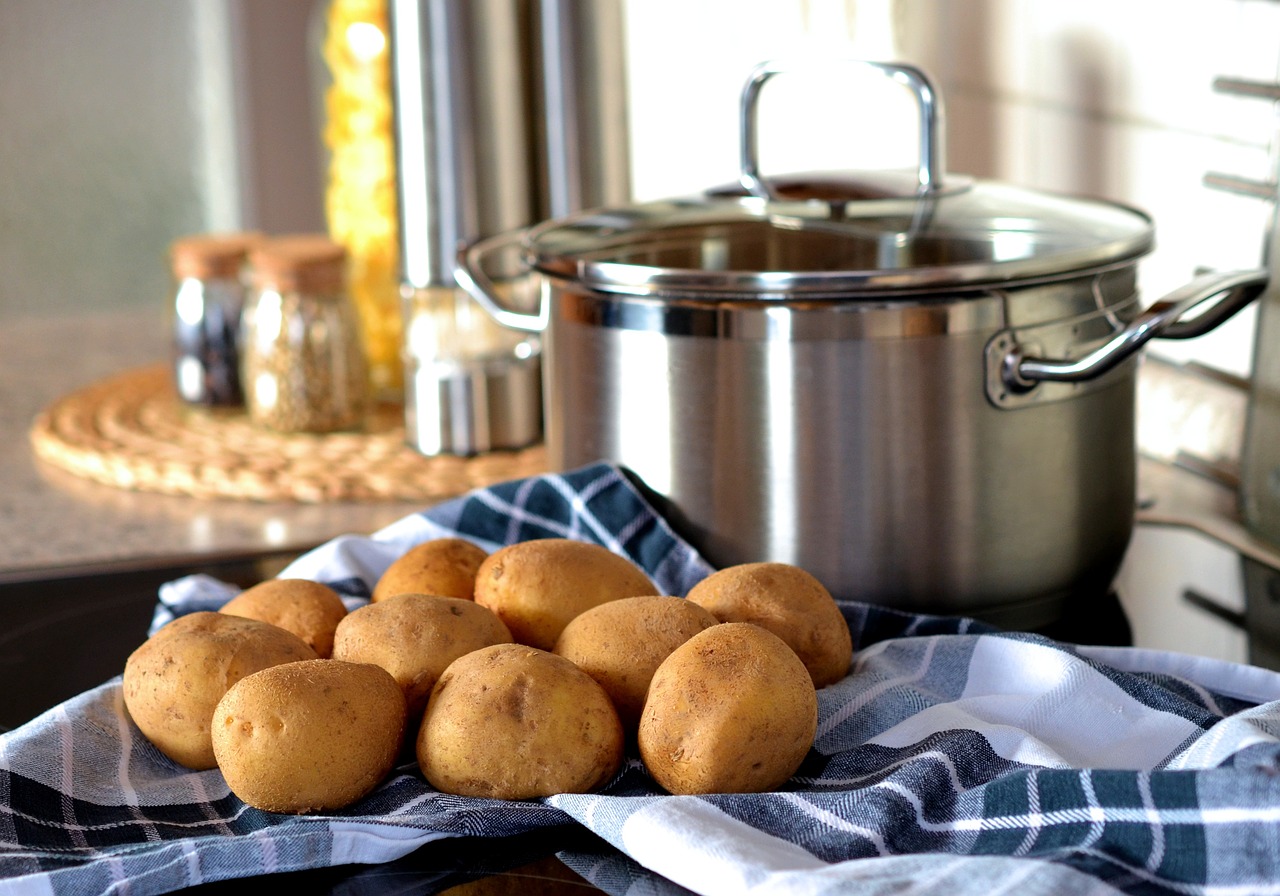
Why You Must Keep Onions and Potatoes Separate
If you want your pantry staples to last for months, the most important rule is to store onions and potatoes in completely separate locations. While it is common to see them grouped together in decorative baskets, this is a recipe for rapid spoilage.
The primary culprit is a natural plant hormone called ethylene gas. Potatoes release this gas as they age, which acts as a ripening agent. When onions are exposed to ethylene gas, it triggers them to sprout prematurely and soften, significantly shortening their shelf life.
The relationship is mutually destructive. Onions are high in moisture and emit pungent gases that affect their neighbors. When stored in close proximity, the moisture from the onions can seep into the potatoes, causing them to develop soft spots, sprout eyes, or even begin to rot from the inside out.
To maximize the longevity of your produce, follow these storage guidelines:
- Isolate the produce: Keep potatoes and onions in different rooms or at least several feet apart in a pantry.
- Prioritize darkness: Both items require a dark environment to prevent greening and sprouting.
- Ensure airflow: Use mesh bags or wire baskets to allow air to circulate around the skins. Never store them in sealed plastic bags, as trapped humidity accelerates decay.
- Check for damage: Inspect your stash weekly. Remove any individual potato or onion that shows signs of soft spots or mold immediately; one decaying item can quickly ruin the entire batch.
By keeping these two items apart, you create an environment that respects their unique biological needs. Potatoes prefer cool, dark, and dry conditions, while onions thrive in a well-ventilated, dry space. When you provide them with their own dedicated storage areas, you significantly reduce waste and ensure your vegetables stay firm and flavorful for much longer.
Best Practices for Storing Onions
Properly storing onions is essential to maintaining their quality and preventing premature spoilage. To keep your harvest fresh for months, you must replicate the conditions of a root cellar: cool, dry, dark, and well-ventilated.
The ideal temperature range for storing onions is between 40 and 50 degrees Fahrenheit. Exposure to warmer temperatures can encourage sprouting, while excessive humidity leads to mold and rot. A cool pantry, unheated basement, or a dark garage corner often provides the best environment.
Airflow is the most critical factor in onion longevity. You must ensure that air can circulate freely around the bulbs at all times. To achieve this, consider the following storage methods:
- Mesh bags: These are ideal because they allow maximum airflow while keeping onions contained.
- Wire baskets: Using baskets with wide gaps prevents moisture buildup at the bottom of the pile.
- Pantyhose: An old but effective trick involves dropping an onion into the leg of a clean pair of pantyhose, tying a knot, and repeating until full. This keeps each bulb separated and perfectly ventilated.
Never store your onions in plastic bags. Plastic traps moisture and restricts airflow, which creates a humid environment that accelerates decay and causes onions to turn soft or mushy almost immediately. If you purchase onions in plastic packaging, remove them as soon as you get home.
Finally, keep onions away from potatoes. While both are pantry staples, they have conflicting storage needs. Potatoes release moisture and ethylene gas, which can cause onions to sprout and spoil much faster than they would on their own. By keeping these two vegetables separated in different areas, you will significantly extend the shelf life of both.
Regularly inspect your stored onions for any signs of softening or sprouting. Remove any compromised bulbs immediately to prevent them from affecting the rest of your supply. With the right environment and consistent airflow, your onions will remain firm and flavorful for your future meals.
The Ideal Environment for Potatoes
To keep your potatoes fresh and safe for consumption, you must mimic the environment they enjoy underground. The most critical rule of potato storage is to avoid light exposure at all costs. When potatoes are exposed to sunlight or intense artificial light, they begin to produce chlorophyll, which turns the skin green. This greening process indicates the development of solanine, a natural toxin that can cause digestive issues and bitter flavors if ingested.
Always inspect your potatoes before storage. If you notice any green spots, you should trim them away entirely before cooking. If a potato is significantly green, it is best to discard it to ensure your safety.
For long-term storage, choose a location that is cool, dark, and well-ventilated. Ideal temperatures range between 45°F and 50°F (7°C to 10°C). Avoid storing your harvest in the refrigerator, as the cold temperature can cause the potato starch to convert into sugar, altering the texture and flavor of your food.
Proper airflow is essential to prevent moisture buildup, which leads to rot and premature sprouting. Use one of the following storage methods to maintain the right balance of protection and breathability:
- Paper bags: These allow for adequate air circulation while keeping light out. Avoid plastic bags, which trap moisture and encourage decay.
- Cardboard boxes: Use a box with small holes punched in the sides to promote airflow.
- Wooden crates: These are excellent for larger harvests, as the gaps between the slats provide natural ventilation.
Finally, keep your potatoes away from onions. Onions release ethylene gas, a natural ripening agent that causes potatoes to sprout much faster than they would on their own. By keeping these two staples in separate areas, you will significantly extend the shelf life of your produce and reduce food waste in your kitchen.
Safety Precautions for Handling and Preparation
Harvesting onions and potatoes is a rewarding final step in your gardening season, but it requires careful attention to tool safety. Whether you are trimming fibrous roots or removing leafy tops, using the right technique prevents avoidable injuries.
When using garden shears or kitchen knives to process your harvest, always cut away from your body. Position the onion or potato on a stable cutting board or flat surface rather than holding it in your palm. This ensures that if the blade slips, it strikes the surface instead of your skin.
Keep your blades sharp at all times. A dull blade requires more force to penetrate the plant material, which increases the likelihood of the tool slipping unpredictably. A sharp, well-maintained edge allows for controlled, clean cuts with minimal effort.
If you are managing a large-scale harvest and utilizing power equipment, such as mechanical diggers or motorized trimmers, your safety requirements increase significantly. Follow these essential protocols:
- Wear heavy-duty, cut-resistant gloves to protect your hands from both sharp edges and abrasive soil.
- Use ANSI-rated eye protection to shield your vision from flying soil, rocks, or plant debris kicked up by machinery.
- Keep loose clothing, jewelry, and long hair tied back or secured to prevent entanglement in moving parts.
- Ensure all safety guards are properly installed on equipment before operation.
Before beginning your harvest, clear the immediate workspace of tripping hazards like loose hoses or stray garden tools. If you are working with a partner, maintain clear communication and ensure everyone is a safe distance away from the equipment’s path. Taking these small, deliberate steps during the preparation phase ensures that your harvest remains a productive and pain-free experience. By prioritizing safety, you protect yourself from minor nicks and more serious accidents, allowing you to focus entirely on successfully curing and storing your produce for the months ahead.
Troubleshooting Storage Issues and Signs of Spoilage
Even with perfect storage conditions, produce can occasionally spoil. Regularly inspecting your stash is the most effective way to prevent one bad item from compromising the entire batch. Aim to perform a quick “check-in” every two weeks to ensure everything remains firm and dry.
When inspecting your harvest, look for these common signs of trouble:
- Softness or Mushiness: If an onion feels soft or squishy to the touch, it has likely begun to rot from the inside. Remove it immediately.
- Sprouting Potatoes: Small sprouts are generally harmless; simply snap them off before cooking. However, if the potato has become shriveled, soft, or spongy, it has lost its nutritional value and should be discarded.
- Greening: If a potato has turned significantly green, it contains solanine, a compound that can cause digestive upset. You can peel away minor green spots, but if the greening is deep or extensive, compost the potato.
- Mold: Any visible fuzzy growth—white, gray, or black—is a sign that the produce is no longer safe to eat.
Trust your senses when evaluating your stored vegetables. A healthy onion should be firm with dry, papery skin. If you detect a strong, foul, or pungent odor emanating from your storage bin, perform an immediate audit. This scent often indicates that an onion has completely liquefied, which can quickly spread bacteria and moisture to healthy neighbors.
If you find produce that is moldy, deeply green, or emitting a foul smell, do not attempt to salvage it. These items are past the point of safe consumption. Instead, add them to your compost pile. By removing compromised items promptly, you protect the shelf life of the remaining healthy vegetables, ensuring you get the most out of your home-grown or store-bought supply.

