How to Clean Electric Glass Stove Tops Safely and Effectively
Cleaning a glass cooktop requires the right technique to remove stubborn burnt-on food without scratching the delicate surface. To achieve a streak-free shine, start by applying a specialized glass cleaner or a paste made of baking soda and water to the cooled surface, then gently scrub with a non-abrasive microfiber cloth.
It is important to remember that glass cooktops are prone to permanent scratches if you use harsh scouring pads or steel wool. Before you begin, ensure the stove is completely cool to the touch, as applying liquids to a hot surface can cause thermal shock and lead to dangerous cracking or surface damage.
This guide provides a step-by-step approach to restoring your stove to a pristine condition using safe, household-friendly methods. We will walk you through the essential tools needed for deep cleaning, how to safely lift tough grime with a razor scraper, and the best maintenance tips to keep your kitchen looking brand new.

Essential Safety Precautions Before You Begin
Before you begin cleaning your electric glass stove top, safety must be your top priority. Glass cooktops are sensitive to temperature fluctuations and physical abrasion, so taking the right precautions protects both you and your appliance.
First, ensure the stove is completely cool to the touch. Applying cleaning agents or water to a hot surface can cause thermal shock, which may lead to permanent cracks in the glass. If you have recently finished cooking, wait at least 30 minutes before starting the cleaning process.
To ensure a safe environment, follow these essential steps:
- Disconnect power: If you are planning a deep clean or removing stubborn, baked-on residue, unplug the unit or switch off the corresponding circuit breaker. This prevents the stove from accidentally turning on while your hands are in contact with the surface.
- Clear the workspace: Remove all pots, pans, and decorative items from the stove area to ensure you have full, unobstructed access to the glass.
- Select the right tools: Never use steel wool, harsh scouring pads, or metal scrapers. These materials are harder than the glass surface and will leave permanent scratches that can harbor bacteria and weaken the structural integrity of the cooktop over time.
- Check your products: Use only cleaners specifically formulated for glass or ceramic cooktops. Avoid bleach, ammonia, or oven cleaners, as these can etch the glass or leave behind toxic residues that may vaporize when the stove is heated again.
By preparing your workspace correctly, you avoid the risk of accidental burns and prevent long-term cosmetic or functional damage to your appliance. Always prioritize a cool, powered-down surface before applying any liquids or tools. Taking these few extra minutes to prepare ensures that your cleaning routine remains safe, effective, and stress-free. Once the surface is cool and the power is safely disconnected, you can proceed with confidence, knowing your appliance is ready for a thorough, damage-free cleaning.
The Daily Maintenance Routine
Consistency is the secret to keeping an electric glass stove top looking brand new. By incorporating a quick, gentle cleaning ritual into your daily routine, you prevent the buildup of stubborn, baked-on grime that often requires harsh scrubbing later.
For everyday spills and light grease, a soft approach is always best. Avoid abrasive scouring pads or steel wool, as these can permanently scratch the glass surface. Instead, follow this simple process:
- Wait for the surface to cool completely to the touch. Cleaning while hot can cause the glass to streak or, in some cases, crack due to thermal shock.
- Mix a mild solution of warm water and a few drops of grease-cutting dish soap.
- Dampen a soft microfiber cloth with the solution, ensuring it is wrung out so it is merely moist, not dripping.
- Wipe the surface using gentle, circular motions to lift light oils and food residue.
- Buff the glass dry immediately using a clean, lint-free towel. This final step is crucial to prevent unsightly water spots from forming.
The most effective strategy for long-term maintenance is speed. Addressing spills immediately after the surface cools prevents sugary substances or oils from hardening into difficult, carbonized stains. If you notice a spill while cooking, wipe the area around the burner with a damp cloth as soon as it is safe to do so. This minimizes the heat-bonding process that makes deep cleaning so labor-intensive.
Keep your cleaning tools accessible. Storing a dedicated microfiber cloth and a small spray bottle with your mild soap solution near the stove encourages you to wipe down the glass after every meal. By treating your stove top like a kitchen counter rather than a heavy-duty appliance, you maintain its aesthetic appeal and structural integrity with minimal effort. Consistent, light care is far more effective than aggressive, infrequent deep cleans.

Removing Burnt-On Food and Stubborn Stains
For tougher, burnt-on food residue that resists standard cleaning, a simple baking soda paste is your most effective, non-abrasive solution. Baking soda acts as a mild abrasive that lifts debris without scratching the delicate glass surface.
To prepare and apply the treatment:
- Mix two parts baking soda with one part water to create a thick, spreadable paste.
- Apply a generous layer of the mixture directly over the stubborn stains.
- Dampen a clean towel with warm water, wring it out slightly, and lay it flat over the paste-covered area.
- Let the towel sit for 15 to 20 minutes. The trapped heat and moisture will soften the hardened debris, making it significantly easier to remove.
Once the time is up, remove the towel and gently wipe away the paste using a soft microfiber cloth. Most residue should lift away effortlessly with the mixture.
If stubborn spots remain after the paste treatment, you may need to use a specialized glass cooktop scraper. This tool is designed specifically for ceramic and glass surfaces, but it must be used with caution to avoid permanent damage.
Follow these safety steps to avoid scratching the glass:
- Ensure the cooktop is completely cool before starting.
- Hold the scraper blade at a strict 45-degree angle against the surface.
- Apply light, steady pressure to gently lift the residue.
- Avoid digging the corner of the blade into the glass, as this can cause deep scratches or gouges.
After scraping, wipe the area clean with a damp cloth and buff it dry with a fresh microfiber towel to restore the shine. Always check your scraper blade before use; if it is dull, nicked, or rusted, replace it immediately to prevent damaging your stove. Never use steel wool or harsh scouring pads, as these will permanently dull the finish of your glass cooktop.
Achieving a Streak-Free Finish
Once you have successfully scraped away the burnt-on debris, your cooktop may still look dull or streaky. Achieving a crystal-clear, streak-free finish is all about removing the microscopic layer of grease that remains after the initial cleaning process. By using the right technique, you can restore that brand-new shine without damaging the delicate glass surface.
For a natural and effective solution, white vinegar is an excellent choice. It cuts through oily residue and evaporates quickly, leaving no sticky film behind. Alternatively, you can use a dedicated glass cooktop cleaner specifically formulated for ceramic surfaces. These products contain mild abrasives that polish the glass without causing scratches.
Follow these steps to achieve a professional, streak-free shine:
- Spray a light mist of white vinegar onto the cool surface, or apply a nickel-sized amount of glass cleaner to a soft, lint-free microfiber cloth.
- Wipe the surface in gentle, circular motions, ensuring you cover the entire cooktop area.
- Use a separate, dry microfiber cloth to buff the glass until it sparkles.
- If you notice lingering streaks, flip your cloth to a clean side and buff once more.
It is vital to prioritize safety and surface integrity throughout this process. Never use harsh chemicals, such as oven cleaners, bleach, or ammonia-based window cleaners, on your glass stove top. These substances are far too abrasive and can permanently etch or cloud the glass finish. Furthermore, avoid using steel wool or abrasive scouring pads, as these will leave behind permanent scratches that can trap dirt and make future cleaning significantly more difficult.
By sticking to soft cloths and gentle, approved cleaning agents, you protect your appliance’s longevity. A clean stove top not only looks better but also ensures that your cookware makes direct contact with the heat source, improving overall cooking efficiency. With these simple habits, maintaining a pristine, streak-free surface becomes a quick and satisfying part of your regular kitchen maintenance routine.
Common Questions and Long-Term Care
Maintaining the pristine condition of your electric glass stove top requires a blend of daily habits and mindful handling. While regular cleaning is essential, preventing damage before it occurs is the most effective way to ensure your appliance lasts for years.
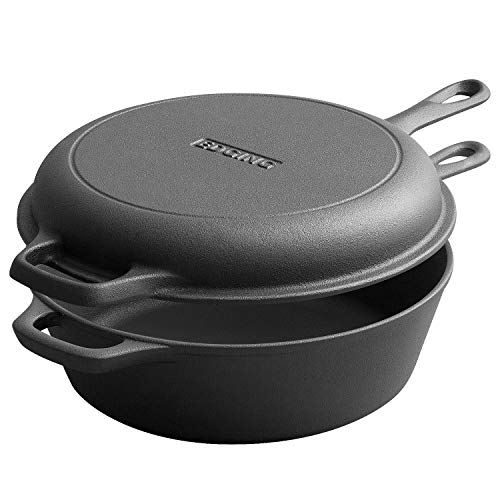
The most common cause of surface damage is physical abrasion. Avoid dragging heavy cast iron skillets, stoneware, or ceramic pots across the glass surface. These materials are often rough on the bottom and can leave permanent scratches or dull patches. Instead, always lift your cookware when moving it from one burner to another.
To keep your stove in top condition, follow these practical care guidelines:
- Check cookware bottoms: Ensure your pots and pans have smooth, flat bases. Avoid using cookware with ridges or debris stuck to the bottom.
- Use non-abrasive tools: Never use steel wool, scouring pads, or harsh scrub brushes. Stick to microfiber cloths or specialized glass cooktop sponges.
- Clean spills immediately: Once the surface has cooled, wipe away sugary spills or acidic liquids immediately. These can permanently etch the glass if left to bake on during subsequent uses.
- Avoid harsh chemicals: Steer clear of oven cleaners or abrasive powders, which can damage the finish and leave a hazy residue.
It is important to remain vigilant regarding the structural integrity of your stove. While minor surface scratches are usually cosmetic, deep cracks or chips are a significant safety hazard. If you notice any structural damage to the glass, discontinue use of the stove immediately. High heat causes glass to expand and contract, which can cause compromised surfaces to shatter unexpectedly. In these instances, do not attempt a DIY repair; contact a professional technician to assess whether the glass top needs a complete replacement.
By adopting these gentle cleaning habits and being mindful of your cookware, you protect the investment in your kitchen. Consistent, light maintenance is always superior to aggressive scrubbing, keeping your glass cooktop looking new and functioning safely for the long term.