How Clean Rust Off Cast Iron
If you’re wondering how clean rust off cast iron, the fix is simple: remove the rust, protect the seasoning, and restore the pan without damaging the metal. You’re in the right place for a clear, safe method that uses everyday tools and helps your cast iron cook like new again. Whether the rust is light or stubborn, you’ll learn exactly what to scrub, what to avoid, and how to reseason it so the problem doesn’t come back with confidence today.
What Causes Rust on Cast Iron?
Why cast iron rusts quickly
Cast iron rusts when its protective seasoning is damaged and the bare metal is exposed to oxygen and moisture. Unlike stainless steel, cast iron has no built-in corrosion resistance, so even a thin layer of water can start oxidation fast.
Rust often appears after washing, soaking, leaving the pan in a humid sink, or putting it away before it is fully dry. Acidic foods can also weaken seasoning over time, making the surface easier to rust.
If you’re trying to clean rust off cast iron, the key is to understand that rust is usually a sign of a small maintenance problem, not a ruined pan. The good news is that light rust is usually fixable with scrubbing, drying, and re-seasoning.
To prevent it from returning, use a thin coat of oil after cleaning, heat the pan to remove moisture, and store it in a dry place with airflow.
Common signs of surface rust vs. deep rust
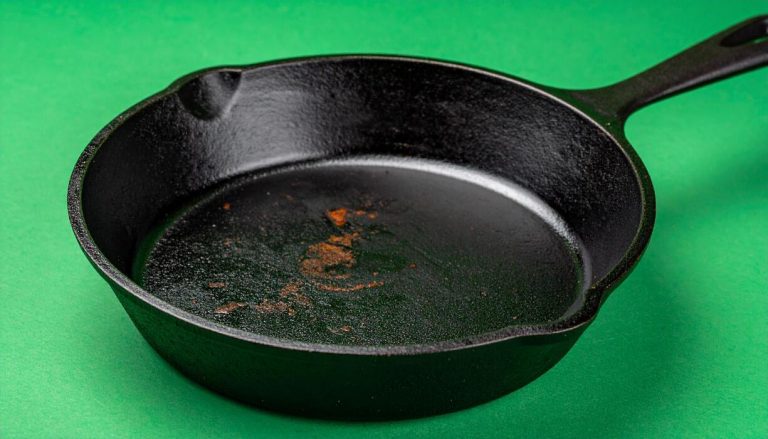
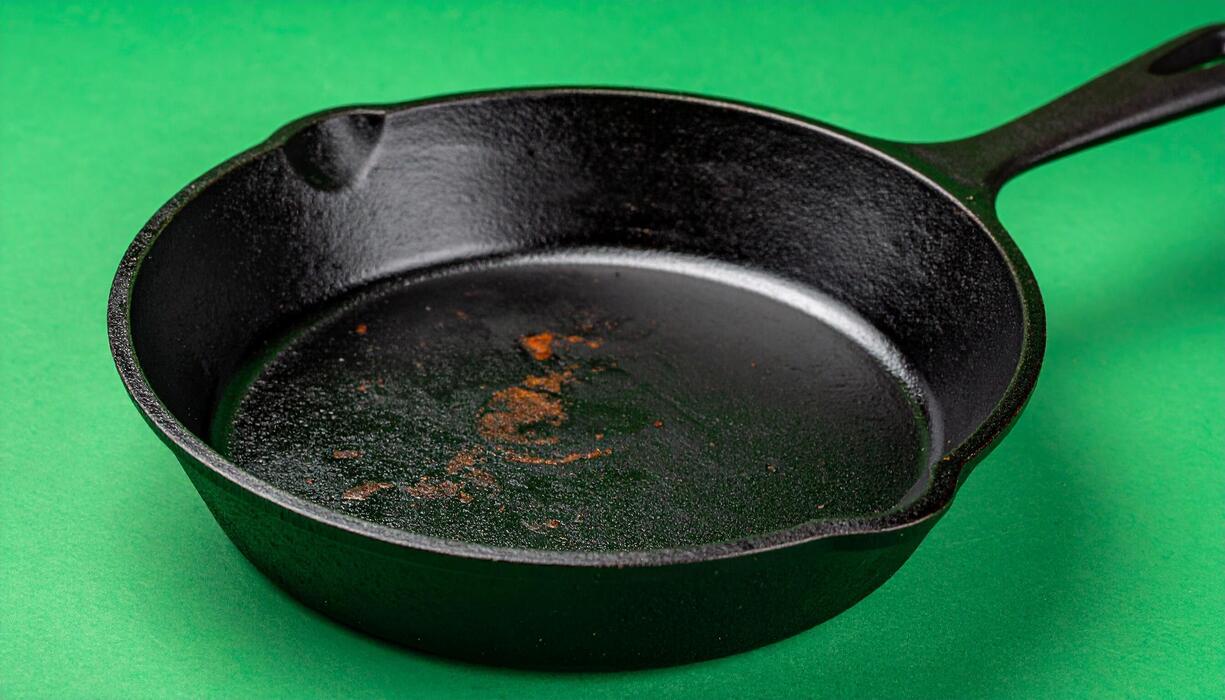
Surface rust usually looks like orange or reddish-brown speckling that wipes or scrubs off without much effort. It may feel slightly rough, but the pan still has a mostly solid, dark base underneath.
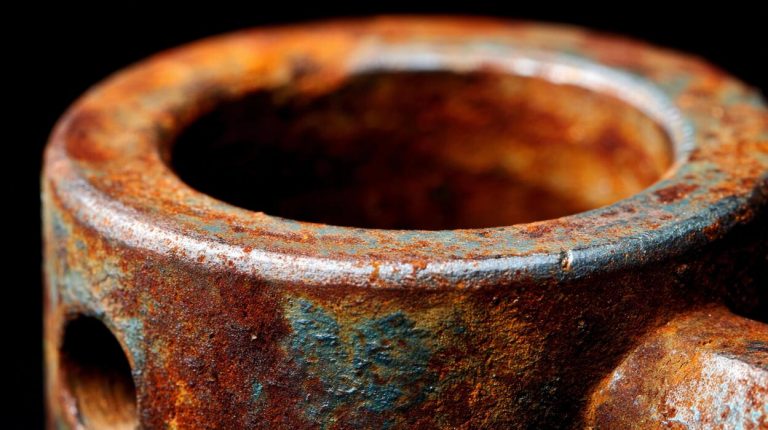
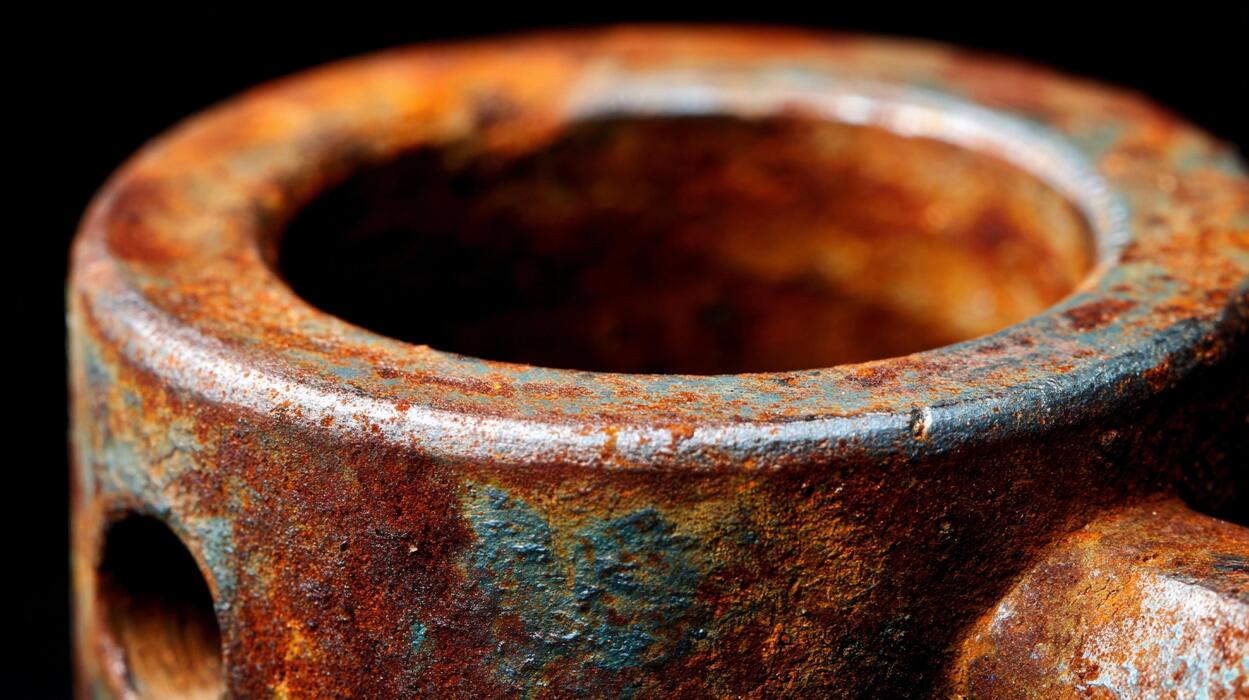
This type of rust is common and typically means the seasoning has worn thin in a few spots. Deep rust is more serious: it may look flaky, pitted, or crusty, and the metal underneath can appear dull, uneven, or etched.
If the rust keeps returning after cleaning, or if the pan has rough pits that collect residue, the damage may go beyond the surface layer. When deciding how to clean rust off cast iron, start gently and inspect the result.
If the orange layer disappears and the skillet feels smooth again, you likely dealt with surface rust. If not, you may need repeated scrubbing, drying, and a full re-seasoning to rebuild protection and stop further corrosion.
How moisture, soap, and storage affect cast iron
Moisture is the biggest cause of rust on cast iron because water left behind after washing can sit in pores, seams, and tiny scratches. Even a few drops can trigger rust if the pan is stored damp.
Soap is not the enemy by itself, but harsh scrubbing, strong detergents, or repeated stripping can remove seasoning, which leaves bare metal more vulnerable. If you are learning how to clean rust off cast iron, remember that prevention matters just as much as cleaning.
Always dry the pan immediately after washing, then heat it on the stove or in the oven for a few minutes to drive off hidden moisture. Add a very thin layer of oil once dry to help protect the surface.
Storage matters too: keep cast iron in a low-humidity cabinet, avoid stacking it while wet, and use a paper towel between pans if needed. Good storage habits greatly reduce future rust.
How to Clean Light Rust Off Cast Iron
Use salt and oil for gentle scrubbing
For light surface rust, start with a gentle abrasive instead of anything harsh. Sprinkle a small handful of coarse salt over the rusty area, then add a few drops of cooking oil to make a thick paste.
Use a folded paper towel, soft cloth, or non-metal scrub pad to rub the rust in small circles. The salt helps lift corrosion without stripping the seasoning too aggressively, while the oil adds slip so you can scrub without scratching the pan.
Focus on the rusty patches first, then wipe away the residue and inspect the surface. If needed, repeat with fresh salt and oil until the orange color is gone. Avoid steel wool unless the rust is stubborn, because it can remove more seasoning than you want.
This method works best for small, isolated rust spots and is a good first step before moving to stronger cleaning methods.
Try a vinegar soak for small rust spots
If the rust is still visible after scrubbing, a short vinegar soak can help loosen it. Mix equal parts white vinegar and water in a container deep enough to cover only the rusty section or the whole pan if necessary.
Submerge the rusted area for no more than 1 to 3 minutes at a time, then check progress. Vinegar is acidic, so it can remove rust quickly, but leaving cast iron in it too long may damage the metal and strip seasoning.
After each soak, scrub lightly with a sponge, salt paste, or brush, then reassess. Repeat only as needed and keep the soak brief. Once the rust is removed, do not let the pan air-dry. This approach is best for small rust patches or a thin orange film, not heavy corrosion.
Work carefully, rinse thoroughly, and move immediately to drying and re-oiling so the bare iron does not rust again.
Rinse, dry, and oil the surface right away
After the rust is gone, rinsing and drying immediately is just as important as cleaning. Wash the pan with warm water to remove every trace of salt, vinegar, and loosened rust, then dry it completely with a towel.
To be extra safe, place it on a low burner or in a warm oven for a few minutes so hidden moisture evaporates from the pores and edges. Once the pan is fully dry, rub a thin layer of cooking oil over the entire surface, including the outside and handle.
Use only a small amount and wipe off any excess so the pan feels barely greasy, not sticky. This step helps protect the metal from moisture and begins rebuilding the seasoning layer.
If the rust was more than a tiny spot, consider heating the oiled pan in the oven to set the coating. The key is to prevent new rust quickly, because bare cast iron can oxidize fast after washing.
Best Ways to Remove Heavy Rust from Cast Iron
Scrub with steel wool or a stiff brush
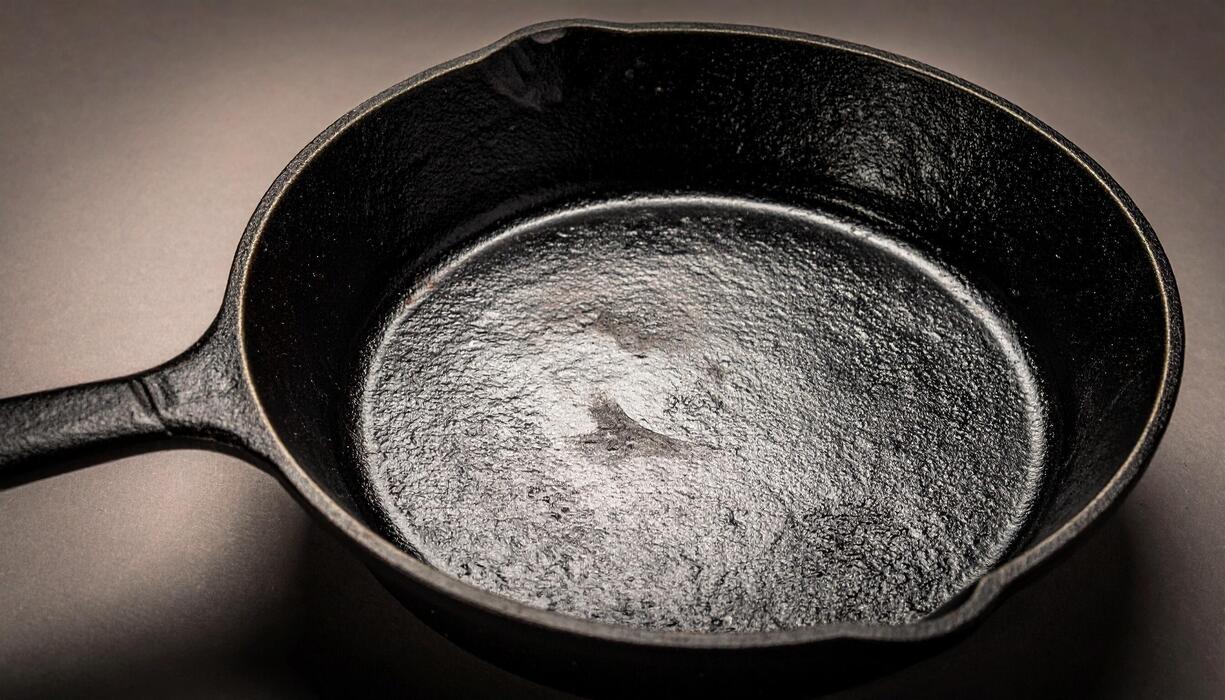
For heavy rust, start by removing as much loose buildup as possible with steel wool, a chainmail scrubber, or a stiff nylon brush. Work on the pan while it is completely dry so the rust stays powdery and easier to lift.
Scrub in small circles with firm pressure, focusing on problem spots, the rim, and the underside where rust often hides. If the rust is thick, wipe away the dust often so you can see what still needs attention.
Avoid soaking the pan first, since standing water can make the corrosion worse.
Once the orange layer is gone, wash the pan with warm water and a small amount of mild dish soap to remove residue, then dry it immediately and thoroughly with a towel and low heat on the stove.
This method works best when you want a fast first pass before reseasoning the cast iron.
Use a baking soda paste for stubborn buildup
If scrubbing alone does not remove the rust, make a thick baking soda paste with just enough water to spread like frosting. Apply it directly to the rusty areas and let it sit for 10 to 15 minutes so it can loosen the buildup.
Then scrub with a non-metal brush, sponge, or fine steel wool, depending on how rough the rust is. The paste gives you a little extra abrasion without being as harsh as stronger chemicals, which makes it a good option for cast iron that needs more than basic cleaning.
For especially stubborn spots, repeat the process instead of pressing harder. After the rust is removed, rinse the pan well, dry it completely, and apply a thin layer of oil to help protect the surface.
If the pan still feels rough, you may need one more round before seasoning it again to restore the finish.
Soak in vinegar carefully to avoid damage
For severe rust, a short vinegar soak can help dissolve corrosion, but it must be done carefully because vinegar can also damage cast iron if left too long.
Mix equal parts white vinegar and water, then submerge only the rusty section or the whole pan for a limited time, usually no more than 30 minutes at a time. Check progress often, because once the rust loosens, you should remove the pan right away.
After soaking, scrub with a brush or steel wool to lift the softened rust. If needed, repeat with another short soak rather than extending the first one. Rinse the pan thoroughly, wash off any remaining vinegar, and dry it immediately with heat so no moisture remains.
Finish by rubbing on a light coat of oil and seasoning the pan to rebuild the protective layer. This method is effective, but timing is critical to prevent pitting or dulling the iron.
How to Clean Rust Off Cast Iron Without Damaging It
Avoid soaking too long in acidic solutions
For light rust, an acidic bath can help, but keep the soak short so you do not weaken the pan’s surface. Mix white vinegar with water in equal parts and submerge only the rusty areas for no more than 5 to 10 minutes at a time.
Check progress often; if the rust is lifting, remove the pan right away and scrub gently with a non-metal brush or fine sponge. If rust remains, repeat a short soak rather than leaving it in the solution for hours.
Over-soaking can strip seasoning and etch the iron, which creates more work later. After the rust is gone, rinse well, dry immediately with a towel, and place the skillet on low heat for a few minutes to evaporate hidden moisture.
Then apply a thin coat of oil to prevent flash rust. The goal is to remove rust without overprocessing the cast iron.
Skip dishwashers and harsh detergents
When learning how to clean rust off cast iron, remember that dishwashers are off-limits. The combination of prolonged water exposure, high heat, and strong detergents can destroy seasoning and encourage more rust. Avoid soaking the pan in a sink full of soapy water too, especially for long periods.
Instead, clean rust with gentle hand scrubbing, using warm water, a little mild soap if needed, and an abrasive that is safe for cast iron, such as a scrub pad, chainmail scrubber, or stiff brush.
If rust has built up, use salt as a mild abrasive or a paste made from baking soda and water for spot cleaning. Rinse thoroughly, then dry completely right away. If you do use soap, keep it brief and minimal so you do not remove the protective layer unnecessarily.
The less time cast iron spends wet or exposed to harsh cleaners, the better it will hold seasoning and resist future rust.
Protect seasoning while removing rust
The safest way to remove rust from cast iron is to treat the rust without stripping the pan’s seasoning. Start with the least aggressive method: scrub with warm water, a soft-to-medium abrasive pad, or a paste of coarse salt and oil.
If rust is stubborn, move to a short vinegar soak, then rinse and dry at once. Once the rust is gone, restore the protective layer immediately by applying a very thin coat of neutral oil, such as vegetable, canola, or flaxseed oil.
Wipe off any excess so the pan looks almost dry, then heat it in the oven or on the stovetop to help the oil bond to the surface. This step is crucial because bare cast iron can rust again quickly.
After seasoning, store the pan in a dry place and consider placing a paper towel inside to absorb moisture. Good rust removal is not just cleaning—it is preserving the pan for long-term use.
How to Restore Seasoning After Rust Removal
Dry the pan completely before seasoning
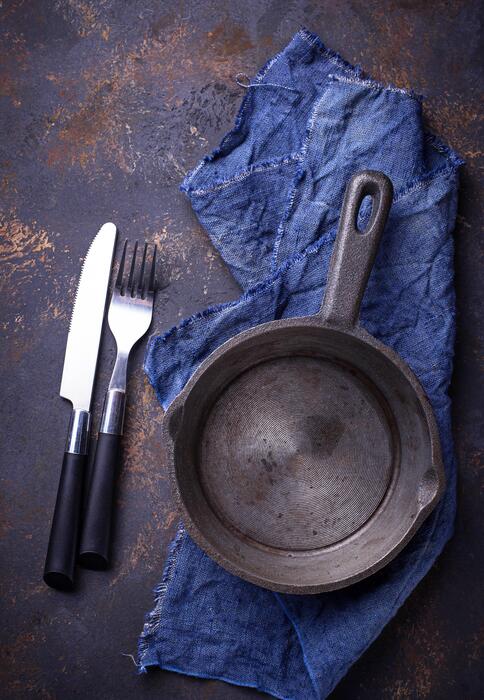
After you clean rust off cast iron, the most important next step is to remove every trace of moisture. Even a small amount of water can cause fresh rust to form before seasoning has a chance to protect the surface.
Start by wiping the pan with a dry towel, then set it on a warm burner or in a low oven for several minutes so hidden moisture in the pores and seams can evaporate. Pay special attention to the handle, rim, and underside, where water often lingers.
If you see any orange spots reappear, keep drying until the surface stays dark and fully dry. A truly dry pan gives the oil something stable to bond to, which is essential for rebuilding the protective layer.
Do not skip this step, even if the skillet looks dry on the outside. The goal is a completely moisture-free surface before any oil goes on.
Apply a thin layer of cooking oil
Once the pan is fully dry, coat it with a very thin layer of cooking oil to begin restoring the seasoning. Use a neutral, high-smoke-point oil such as canola, grapeseed, or vegetable oil.
Pour a small amount into the pan, then spread it over the entire surface with a paper towel or lint-free cloth, including the handle, sides, and exterior if it was affected by rust. The key is thin: the pan should look almost dry, not greasy or wet.
Too much oil can pool and turn sticky during baking, which weakens the finish instead of strengthening it. If you can see visible oil droplets, wipe again until only a faint sheen remains. This light coat will polymerize in the oven and form the first layer of protection.
For heavily rusted pans, you may repeat this step after each bake to build a stronger, more even finish.
Bake the pan to build a new protective coat
To lock in the oil and rebuild the seasoning, place the pan upside down in a preheated oven at about 450°F to 500°F. Put a sheet of foil or a baking tray on the lower rack to catch any drips.
Baking upside down helps prevent oil from collecting in the cooking surface, which can leave a tacky finish. Let the pan bake for about one hour, then turn off the oven and allow it to cool inside so the coating can set gradually.
This heat causes the oil to bond to the metal and creates a durable barrier against moisture and future rust. For the best results, repeat the oil-and-bake process two to three times if the cast iron was heavily rusted or stripped.
Afterward, your pan should look darker, smoother, and more evenly protected. Regular use and proper drying will keep the new seasoning strong over time.
How to Prevent Rust on Cast Iron in the Future
Store cast iron in a dry place
After you learn how to clean rust off cast iron, the best way to stop it from coming back is keeping moisture away. Store the pan in a cool, dry cabinet instead of leaving it near the sink, stove steam, or a damp basement.
Before putting it away, make sure it is completely dry, including the handle, underside, and any engraved edges where water can hide. If your kitchen is humid, place a paper towel inside the pan to absorb extra moisture and improve airflow.
Avoid stacking other cookware directly on top unless you insert a dry cloth or pan protector between them, since trapped condensation can restart rust. If you use lids, store them separately when possible so air can circulate.
These simple habits protect the seasoning layer and reduce the chance you’ll need another rust-removal treatment soon.
Oil the pan after each use
A thin coat of oil is one of the easiest ways to prevent rust after you clean cast iron. Once the pan is washed, dried, and still warm, apply a very small amount of neutral oil such as canola, vegetable, or grapeseed oil.
Use a paper towel or lint-free cloth to spread it into a thin, even layer, then wipe away any excess so the pan does not feel sticky. The goal is protection, not buildup.
This light oil layer helps block air and moisture from reaching the metal, which is especially important after scrubbing away rust or using soap. If you cook with your cast iron often, re-oiling after each wash keeps the seasoning strong and makes future rust less likely.
If the pan sits unused for a while, check it periodically and reapply oil if the surface looks dull or dry.
Re-season regularly for long-term protection
Even if you remove rust successfully, cast iron stays protected only when its seasoning is maintained. Plan to re-season the pan regularly, especially if you notice dull spots, rough patches, or a cloudy surface after cleaning.
To do this, wash and dry the pan completely, then rub on a very thin layer of oil and heat it in the oven according to the manufacturer’s guidance, or use your usual seasoning method.
This process helps build a hard, moisture-resistant barrier that makes the pan more durable over time. Re-seasoning is especially useful after heavy scrubbing, acidic cooking, or any rust cleanup, because those situations can strip away the protective layer.
If you use the pan often, a light refresh every so often can keep the surface smooth and resilient. Consistent seasoning maintenance is the long-term answer to preventing rust and keeping cast iron ready for everyday cooking.
When to Replace Cast Iron Instead of Cleaning It
Signs the pan is too damaged to save
If you’re trying to figure out how clean rust off cast iron, start by checking whether the pan is still worth restoring. Light surface rust usually comes off with scrubbing, but deep orange-brown scaling, flaking metal, or a surface that keeps shedding rust after repeated cleaning are warning signs.
If the cooking surface is warped, the handle is loose, or the pan no longer sits flat on a burner, cleaning alone won’t fix the problem. Another red flag is a lingering metallic, crumbly texture that feels rough even after you remove visible rust.
In that case, the iron may have lost too much material to season properly. For a prized vintage pan, restoration may still be possible, but for a cheap, heavily damaged skillet, replacement is often the safer, more practical choice.
A pan that cannot hold seasoning or heats unevenly will keep creating problems no matter how carefully you clean it.
When rust has caused pitting or cracks
Rust becomes a replacement issue when it has gone beyond the surface and started to damage the structure of the pan. Pitting means the rust has eaten into the iron, leaving small holes that are hard to smooth out and can trap moisture, food, and grease.
If the pits are shallow, you may still save the skillet with aggressive cleaning and re-seasoning. But deep pits, especially on the cooking surface, can make maintenance frustrating and reduce cooking performance.
Cracks are a different story: once cast iron is cracked, it can fail under heat and should usually be replaced rather than repaired. Pay close attention to the rim, handle base, and bottom of the pan, where stress is common.
Even if a cracked pan looks usable, it may worsen suddenly. For safety and reliability, a cracked cast iron piece is generally not a candidate for rust removal alone; it needs to be retired or professionally assessed.
How to decide if restoration is worth it
Deciding whether to restore or replace comes down to cost, condition, and sentimental value. If the pan has only surface rust, a simple cleaning method is usually enough, and the piece is worth saving.
If it needs hours of scrubbing, repeated rust removal, and heavy re-seasoning, compare that effort to the price of a new skillet. Vintage or family heirloom pans may justify restoration even when they look rough, especially if the cast iron is otherwise solid and the brand is desirable.
On the other hand, if the pan is inexpensive, badly pitted, or unevenly heated, replacing it can save time and give better cooking results. A practical rule: if the pan can still be cleaned, dried, and seasoned into a smooth, stable surface, keep it.
If rust returns quickly, the metal is structurally compromised, or the cooking surface stays rough after treatment, it’s usually time to move on and buy a replacement.
Frequently Asked Questions
How do I clean rust off cast iron cookware?
Start by scrubbing the rusted areas with coarse salt or a non-metal scrub pad and a little oil, or use a paste of baking soda and water for light rust. For heavier rust, soak briefly in white vinegar diluted with water, then scrub thoroughly, rinse, dry completely, and re-season the pan.
Can I use vinegar to remove rust from cast iron?
Yes, vinegar can help dissolve rust, but it should be diluted and used only for a short time because it can also strip good seasoning and damage the iron if left too long. After soaking, scrub the pan, rinse it well, dry it immediately, and re-season it.
What should I use to scrub rust off cast iron?
A stiff brush, non-scratch scrub pad, chainmail scrubber, or coarse salt with oil can work well without being too aggressive. Avoid harsh metal tools that can gouge the surface unless the rust is severe and you plan to re-season afterward.
How do I dry cast iron after removing rust?
Dry it right away with a towel, then place it on low heat for a few minutes to drive off any remaining moisture. Cast iron rusts quickly, so complete drying is one of the most important steps.
Do I need to re-season cast iron after removing rust?
Yes, usually you should re-season it because rust removal often strips some or all of the protective oil layer. Apply a very thin coat of cooking oil, wipe off the excess, and bake it according to the pan’s seasoning instructions.
How can I prevent rust from coming back on cast iron?
Keep the pan dry, store it in a low-humidity place, and rub on a thin layer of oil after cleaning if needed. Avoid leaving it soaking in water or putting it in the dishwasher, as moisture is the main cause of rust.
Conclusion
Cleaning rust off cast iron is simple when you use the right method, act gently, and re-season the pan afterward. With regular maintenance and proper drying, your cast iron can last for generations and keep delivering excellent cooking results.