How Best to Store Potatoes and Onions for Maximum Freshness
To keep your potatoes and onions fresh for months, you must store them in separate, cool, and dark locations. Many home gardeners make the mistake of storing these crops together, which causes the onions to release gases that lead to rapid spoilage and premature sprouting for your potatoes.
Achieving a long shelf life requires understanding the specific environmental needs of each vegetable. While both thrive in dark spaces, they have conflicting humidity requirements that make communal storage impractical. By setting realistic expectations for your pantry setup, you can prevent unnecessary waste and ensure your hard-earned harvest remains edible.
This guide explains the ideal environmental conditions, separation techniques, and proper storage containers needed to maximize longevity. We will walk you through the best practices for airflow and temperature management to keep your produce firm and flavorful. Follow these practical steps to master the art of home storage and reduce food waste.
Why You Must Store Potatoes and Onions Separately
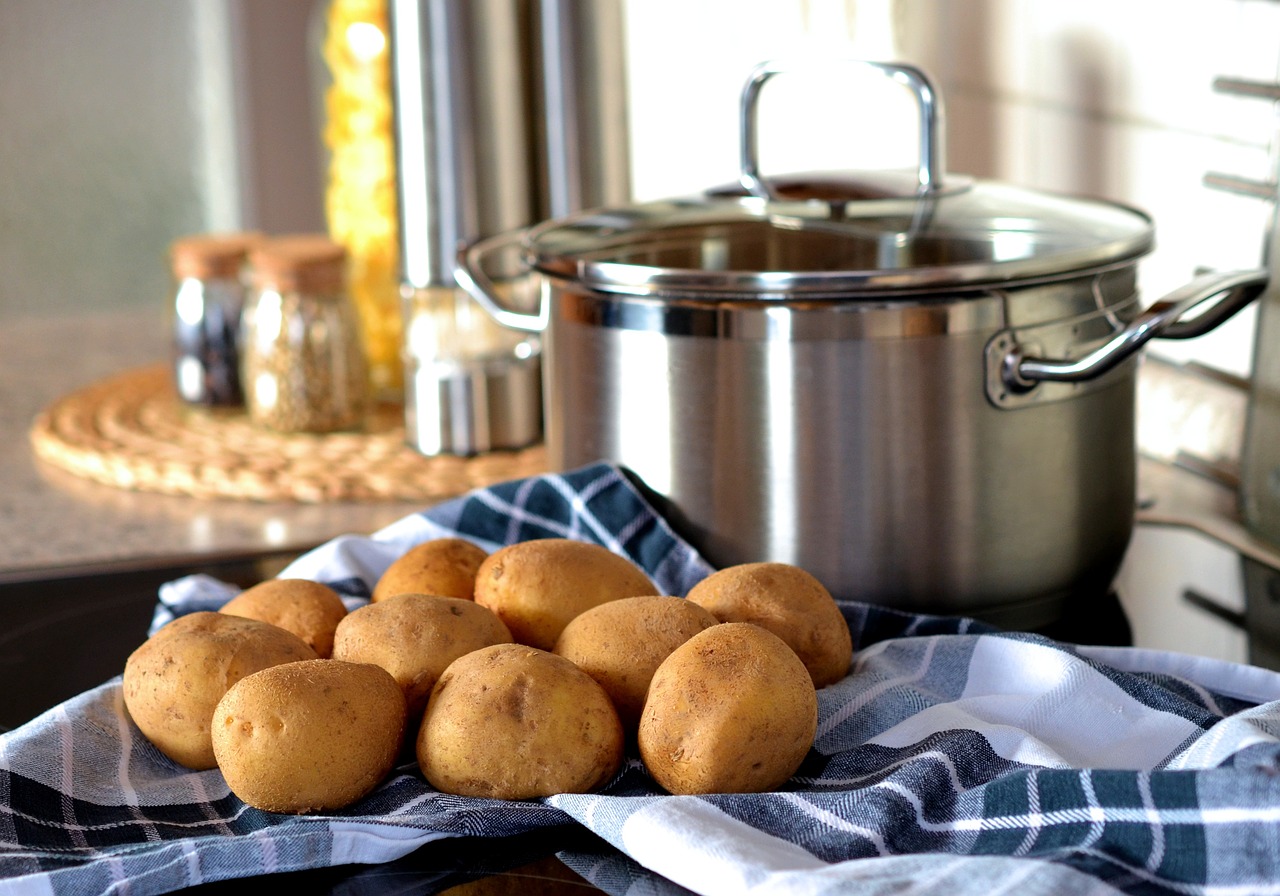
If you are serious about extending the shelf life of your harvest, the golden rule of root vegetable storage is simple: never let your potatoes and onions share the same bin, basket, or pantry shelf. While they are both staples of the kitchen, their chemical profiles are fundamentally incompatible, leading to rapid spoilage when stored in close proximity.
The primary culprit is ethylene gas. Onions naturally emit this odorless, invisible ripening agent. When potatoes are exposed to ethylene gas, it triggers a hormonal response that causes them to sprout prematurely. Once a potato begins to sprout, its starch converts to sugar, which compromises its texture and significantly shortens its remaining shelf life.
Conversely, potatoes have a high moisture content. As they sit in storage, they release humidity into the surrounding air. Onions are highly sensitive to moisture and require a dry, well-ventilated environment to remain firm. When exposed to the dampness released by potatoes, onions quickly soften, develop mold, and begin to rot. This creates a destructive cycle where the decay of one vegetable accelerates the decline of the other.
To keep your produce fresh for as long as possible, follow these practical storage guidelines:
- Designate separate zones: Store potatoes in a cool, dark, and dry area, such as a basement or a dedicated pantry cupboard. Keep onions in a separate, well-ventilated container, such as a mesh bag or a wire basket, to ensure constant airflow.
- Prioritize darkness: Light exposure causes potatoes to turn green and produce solanine, a bitter compound that can be toxic in large quantities. Always keep potatoes shielded from both natural and artificial light.
- Check for airflow: Avoid storing these vegetables in airtight plastic bags. Both crops need to “breathe” to prevent the buildup of moisture that leads to bacterial and fungal growth.
By keeping these two pantry essentials separated, you prevent premature sprouting and rot, ensuring your vegetables remain crisp, flavorful, and ready for your next meal.
Ideal Storage Conditions for Potatoes
To keep potatoes firm and flavorful for months, you must replicate the conditions of a root cellar. Potatoes are living tubers that remain dormant only when their environment is carefully controlled. If the conditions are off, they will sprout, shrivel, or turn bitter.
The most critical requirement is total darkness. Even brief exposure to light triggers photosynthesis, which turns the skin green and causes the production of solanine. This compound not only creates a bitter taste but can also be toxic in high concentrations. Always store your potatoes in an opaque container, such as a burlap sack, a ventilated cardboard box, or a dark pantry bin.
Temperature and humidity are equally vital for longevity. Follow these guidelines for the best results:
- Temperature: Aim for a cool, stable range between 45 and 50 degrees Fahrenheit.
- Humidity: Maintain high humidity levels, ideally around 85 to 90 percent, to prevent the potatoes from dehydrating and shriveling.
- Airflow: Ensure the storage container is well-ventilated to prevent moisture buildup, which leads to rot.
Many people mistakenly believe the refrigerator is the best place to keep produce fresh, but it is actually harmful to potatoes. When potatoes are stored at temperatures below 40 degrees Fahrenheit, the cold causes the starch inside the tuber to convert into sugar. This process, known as “cold-induced sweetening,” ruins the texture and causes the potato to darken prematurely when cooked or fried.
For the best results, choose a location that stays consistently cool and dark, such as an unheated basement, a dedicated root cellar, or an insulated pantry away from heat-producing appliances like ovens or dryers. Avoid storing potatoes under the kitchen sink, as the plumbing often creates fluctuating humidity levels and temperature spikes that encourage spoilage. By maintaining these specific conditions, you can enjoy your harvest throughout the winter months while preserving the natural starch content and overall quality of your potatoes.
Creating the Perfect Environment for Onions
To keep onions firm and flavorful for months, you must prioritize three environmental factors: cool temperatures, darkness, and consistent airflow. Unlike potatoes, which prefer a humid environment to prevent shriveling, onions are highly susceptible to rot if moisture accumulates around their skins.
The golden rule for onion storage is to avoid plastic at all costs. Plastic bags trap humidity, creating a damp microclimate that encourages mold growth and premature sprouting. Instead, you need breathable containers that allow air to circulate freely around every bulb.
For optimal results, choose one of the following storage methods:
- Mesh bags: These are ideal because they provide 360-degree ventilation. If you purchased onions in a mesh bag, keep them in it rather than moving them to a solid bin.
- Wire baskets: These allow air to flow through the bottom and sides, preventing the onions at the base of the pile from sitting in stagnant air.
- Perforated crates: If you are storing a large harvest, wooden or plastic crates with large holes are excellent for stacking while maintaining necessary airflow.
Beyond the container, placement is critical. Select a location that is cool—ideally between 40°F and 50°F—and away from direct sunlight. A dark pantry, a cool basement, or a dry garage corner works best. If the area is too warm, the onions will dehydrate and soften; if it is too bright, they may begin to sprout.
Finally, perform a quick quality check before storing. Ensure each onion is firm and has a dry, papery skin. If you find a bulb that feels soft or shows signs of dark spots, remove it immediately. One decaying onion can release moisture and gases that trigger a chain reaction, causing the rest of your supply to spoil rapidly. By maintaining a dry, airy environment and inspecting your stock periodically, you can ensure your onions remain in peak condition for your next meal.
Safety and Handling Best Practices
Establishing a dedicated storage area for your harvest requires more than just finding a cool, dark corner. Prioritizing safety during both the construction of your storage racks and the handling of your produce ensures a productive and injury-free gardening season.
When harvesting and processing root vegetables, always wear durable gardening gloves. Potatoes and onions often carry coarse soil, dried roots, and abrasive skins that can cause minor cuts, splinters, or contact dermatitis. Gloves provide a necessary barrier against these irritants while offering a better grip on heavy loads.
If you are building custom wooden storage racks to improve airflow, safety must remain your primary focus. Follow these essential guidelines when working in your workshop:
- Eye Protection: Always wear impact-resistant safety goggles when using power tools. Sawdust and wood chips can cause significant eye irritation or injury.
- Tool Safety: Ensure all power tools are unplugged before changing blades or bits. Never bypass safety guards on saws.
- Stable Construction: Potatoes are surprisingly heavy. Build your racks with a wide base to prevent tipping, and if the structure is tall, anchor it securely to a wall stud.
- Load Distribution: Avoid overloading shelves. Place the heaviest items on the bottom to keep the center of gravity low and prevent the unit from becoming top-heavy.
Before moving your produce into the finished racks, inspect the structure for any protruding screws, nails, or rough splinters. Sand down sharp edges to prevent damage to the vegetable skins, as nicks or bruises can lead to premature rotting. A smooth, stable storage unit not only keeps your home tidy but also protects your harvest from unnecessary spoilage.
Finally, ensure your storage area is located away from high-traffic walkways to prevent accidental collisions. If you have children or pets, consider adding a latch to the storage unit or placing it in a room that can be closed off. Proper organization prevents trips and falls, keeping both your family and your winter food supply safe.
Troubleshooting and Maintenance
Even with optimal storage conditions, produce can occasionally spoil. Establishing a routine inspection schedule is the most effective way to protect your supply. Check your stored potatoes and onions at least once every two weeks, looking for signs of decay that could compromise the entire batch.
When inspecting, look for these specific red flags:
- Soft or mushy spots: Gently press the surface. If the vegetable yields under light pressure or feels damp, it is beginning to rot.
- Strong, pungent odors: A sudden, unpleasant smell is often the first indicator that one item has liquefied and is affecting its neighbors.
- Visible mold or moisture: Any fuzzy growth, dark liquid, or persistent dampness on the skin requires immediate intervention.
If you discover a compromised vegetable, remove it immediately. If a potato has only a small sprout, it is still safe to eat; simply snap the sprout off and use the potato promptly. However, if the potato is shriveled, soft, or has turned green, discard it. Green potatoes contain solanine, a compound that can be toxic if consumed in large quantities.
For onions, the rules are stricter. If an onion feels soft near the neck or shows signs of mold, discard it rather than trying to trim it. Because onions have high water content, rot spreads quickly, and the surrounding vegetables are likely already contaminated by bacteria or mold spores.
Always clear away any debris, loose skins, or soil that may have fallen to the bottom of your storage bin during your inspection. These organic materials can trap moisture and harbor pests. If you find a vegetable that is leaking liquid, wipe down the storage container with a dry cloth and ensure the area remains well-ventilated. By catching these issues early, you prevent a single spoiled vegetable from ruining your entire harvest, ensuring your supply remains safe and ready for use throughout the season.
