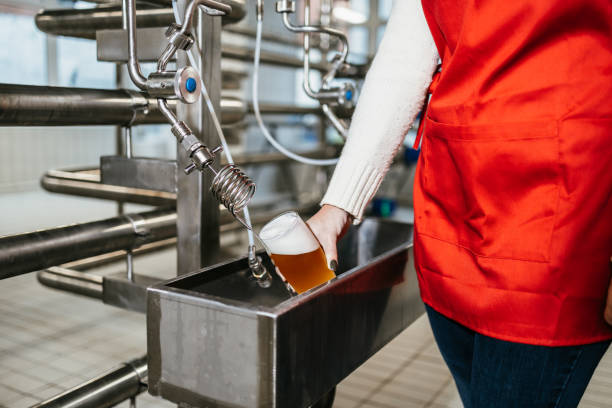
Bottom Up Filling Beer
Bottom up filling beer is a game changer for preserving flavor and reducing foam in every pour. If you’ve ever wondered how breweries achieve such crisp, perfectly carbonated beers, this method is a big part of the secret. By filling bottles or glasses from the bottom up, you minimize oxygen exposure and maintain ideal carbonation levels. In this article, we’ll break down exactly how bottom up filling works, why it’s superior, and how you can apply it at home or in commercial setups for consistently smoother, fresher beer every time.
What Is Bottom Up Filling Beer?
How Bottom Up Filling Works in Brewing
Bottom up filling in beer production involves introducing beer from the bottom of the container rather than pouring it from the top. This method uses a filling nozzle that extends into the bottle or can, gradually releasing the liquid upward from the base.
As the beer rises, it displaces the air inside, which minimizes oxygen exposure—a critical factor in preserving beer freshness and shelf life. The process is typically controlled by pressure differentials and automated systems to ensure consistent fill levels and reduce foaming.
By filling from the bottom, brewers can maintain higher carbonation stability and reduce turbulence, which helps retain the beer’s desired mouthfeel and aroma. This technique is especially beneficial for sensitive craft styles like IPAs or lagers, where flavor integrity is paramount.
Bottom up filling is commonly integrated into modern canning and bottling lines, offering efficient, scalable production with improved product consistency.
Differences Between Bottom Up and Top Down Filling
The primary difference between bottom up and top down filling lies in how beer enters the container and its impact on quality. Top down filling pours beer from above, which can agitate the liquid, leading to excessive foaming and increased oxygen pickup—both detrimental to flavor and shelf life.
In contrast, bottom up filling gently introduces beer from the base, reducing turbulence and preserving carbonation. This method also allows for better headspace control, minimizing air pockets that contribute to oxidation. Top down systems are simpler and cheaper but are typically used for lower-volume or less sensitive operations.
Bottom up systems, while more complex, offer superior product consistency and are standard in commercial craft and large-scale breweries. Additionally, bottom up filling supports faster line speeds without sacrificing quality, making it ideal for high-throughput environments. Choosing the right method depends on production scale, beer style, and quality goals.
Common Equipment Used in Bottom Up Filling
Bottom up filling relies on specialized equipment designed for precision, sanitation, and efficiency. The core component is the isobaric filler, which maintains equal pressure inside and outside the container to prevent foaming and ensure smooth beer flow.
These fillers use pneumatic or servo-driven nozzles that seal against the container and extend into it to release beer from the bottom. Rotary fillers with multiple heads are common in large operations, enabling high-speed, continuous filling of bottles or cans.
Integrated CO2 purging systems further reduce oxygen exposure before and during the fill. Modern units often include automated controls and sensors to monitor fill levels, pressure, and flow rates in real time. All equipment must be CIP (Clean-in-Place) compatible to maintain hygiene and prevent contamination.
Popular manufacturers include KHS, Krones, and ProMach, offering scalable solutions for microbreweries to industrial plants. Investing in reliable bottom up filling equipment enhances beer quality, reduces waste, and supports consistent branding.
Benefits of Bottom Up Filling for Beer
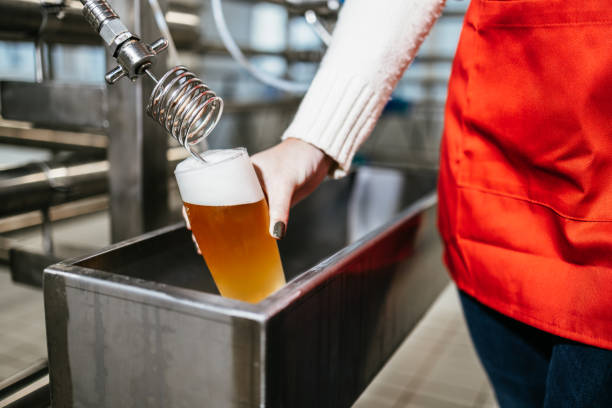
Reduced Oxidation During Filling
Bottom up filling significantly reduces oxidation during the beer filling process by minimizing beer’s exposure to oxygen. When beer is introduced from the bottom of the container, it rises gently, displacing the inert gas or CO₂ that fills the bottle or can.
This method prevents turbulent flow, which is a major contributor to oxygen pickup in traditional top-down filling. Since oxidation leads to stale flavors and shortened shelf life, using bottom up filling helps preserve the beer’s freshness and original taste profile over time.
Brewers can maintain consistent quality across batches, especially for sensitive styles like pilsners or hop-forward IPAs that degrade quickly when exposed to oxygen. Additionally, many bottom up fillers operate under counter-pressure, further limiting headspace oxygen.
This controlled environment ensures each container is filled with precision, supporting longer expiration dates and better consumer satisfaction. For craft and commercial breweries alike, reducing oxidation is essential—and bottom up filling delivers on that need effectively.
Improved Beer Clarity and Quality
One of the standout advantages of bottom up filling is the improvement in beer clarity and overall quality. Because the beer enters the container from the bottom and rises smoothly, there is minimal splashing or foaming, which helps preserve delicate carbonation levels and prevents agitation of sediment.
This is especially important for unfiltered or naturally hazy beers where visual appeal matters. The gentle filling action maintains colloidal stability and reduces the risk of disturbing yeast or protein particles that can cloud the final product.
Additionally, consistent fill levels and reduced turbulence contribute to a more uniform appearance across bottles or cans. Breweries aiming for premium presentation benefit from the clean, professional look that bottom up systems provide.
Since the process supports controlled CO₂ purging before and during fills, the beer remains stable and visually appealing from opening to last sip. Ultimately, improved clarity isn’t just cosmetic—it reflects better process control and higher product integrity.
Faster Filling Speeds and Efficiency
Bottom up filling systems offer faster filling speeds and greater operational efficiency compared to traditional methods. By enabling simultaneous purging and filling, these systems reduce cycle time per container, allowing breweries to increase throughput without sacrificing quality.
The sealed, pressurized environment ensures rapid, bubble-free filling, minimizing downtime caused by foam overflow or misfills. Automated bottom up fillers can handle hundreds or even thousands of containers per hour with consistent accuracy and minimal product loss.
This efficiency is especially valuable during peak production periods or for expanding brands scaling up operations. Additionally, reduced oxygen pickup means fewer quality control rejections and less wasted batch volume. The integration of CIP (Clean-In-Place) features also streamlines sanitation between runs, cutting labor time and improving food safety compliance.
For both small craft breweries and large-scale producers, the speed, reliability, and consistency of bottom up filling translate directly into higher productivity and lower operational costs, making it a smart investment for long-term growth.
How to Set Up a Bottom Up Filling System
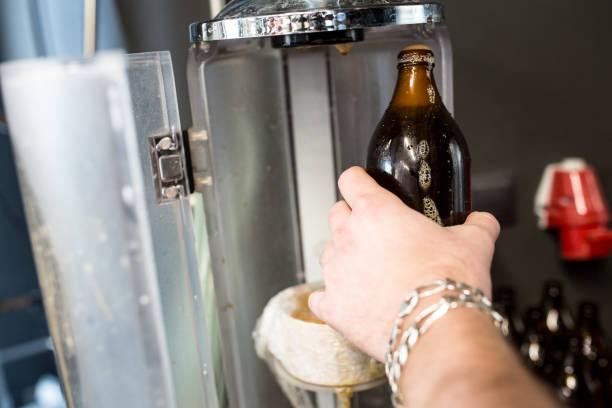
Choosing the Right Filler Machine
When setting up a bottom up filling beer system, selecting the appropriate filler machine is crucial for efficiency and product quality. Counter-pressure fillers are ideal for carbonated beverages like beer, as they minimize foaming and preserve carbonation.
Look for a machine with stainless steel construction for durability and sanitation, and ensure it supports your desired output volume—manual, semi-automatic, or fully automatic models are available. Bottom-up fillers introduce beer from the base of the container, reducing turbulence and oxidation.
Verify compatibility with your container types (bottles, cans, or kegs) and check for features like level sensors and adjustable fill heads. Consider ease of cleaning—CIP (Clean-in-Place) compatibility saves time and improves safety. Finally, source from reputable manufacturers offering technical support and spare parts.
A well-chosen filler ensures consistent fills, reduces waste, and maintains the beer’s flavor profile throughout packaging.
Connecting CO2 and Beer Lines Properly
Properly connecting CO2 and beer lines is essential for a smooth bottom up filling beer operation. Begin by using dedicated, food-grade hoses—one for pressurized CO2 and another for beer transfer—ensuring they are free of contaminants.
Attach the CO2 line to the top port of the bright beer tank to maintain consistent pressure during filling. Connect the beer line from the tank’s bottom outlet to the filler’s inlet, allowing beer to rise from the base of the container.
Use sanitary tri-clamp fittings to prevent leaks and simplify disassembly for cleaning. Install a pressure regulator on the CO2 line to maintain optimal pressure—typically between 8–12 psi, depending on beer style. Purge air from lines before starting to prevent oxidation. Double-check all connections for tightness and inspect for wear regularly.
This setup ensures foam-free fills and protects beer quality from tank to package.
Calibrating Fill Levels and Pressure Settings
Accurate calibration of fill levels and pressure settings ensures consistency and minimizes waste in a bottom up filling beer system. Start by setting the desired fill height using the adjustable fill tube or sensor on each fill head—this determines how high the beer rises in the container.
Conduct test fills with water or beer, then measure the volume to confirm accuracy. Adjust the fill speed and back-pressure (CO2 pressure in the container) to balance speed and foam control—higher back-pressure allows faster fills without excessive foaming.
Use a pressure gauge to monitor CO2 levels, typically between 10–15 psi depending on carbonation levels. Fine-tune settings based on beer type; highly carbonated lagers need more back-pressure than stouts. Recheck calibration regularly, especially when switching between container sizes or beer styles.
Proper calibration delivers precise, repeatable fills and maintains product integrity.
Best Practices for Bottom Up Beer Filling
Sanitizing Equipment Before Use
Proper sanitization of all equipment is critical to ensure beer quality and prevent contamination during bottom-up filling. Start by thoroughly cleaning every component—including the filler bowl, probe, hoses, and valves—with a brewery-approved detergent, followed by a no-rinse sanitizer such as Star San or iodophor.
Pay special attention to hard-to-reach areas where bacteria or wild yeast can harbor. Use dedicated brushes and follow a standardized sanitation protocol before each fill cycle. Allow equipment to fully drain and remain sealed until use to avoid recontamination. Testing sanitizer concentration regularly ensures effectiveness.
Implement a checklist system so no step is missed, especially during high-volume production. Remember, even minor lapses in sanitation can lead to off-flavors, spoilage, or shortened shelf life. Consistent, rigorous cleaning practices not only protect your beer’s integrity but also maintain regulatory compliance and consumer trust in your brand.
Maintaining Consistent Fill Temperatures
To achieve optimal results in bottom-up beer filling, maintaining a stable beer temperature throughout the process is essential. Ideally, beer should be filled at or near 32–38°F (0–3°C) to minimize CO₂ loss and reduce foaming.
Use a chilled glycol loop or cold room to keep kegs and lines cool before and during filling. Fluctuations in temperature can cause pressure imbalances, leading to inconsistent fills and increased foam. Monitor temperatures in real time using inline sensors and calibrate cooling systems regularly.
Pre-cool empty kegs to match beer temperature and insulate fill lines where possible. Avoid warm environments or direct sunlight near the filler. Consistent thermal control ensures smooth, rapid fills with minimal turbulence, preserving carbonation levels and head retention in the final product.
Temperature stability is a cornerstone of efficient and high-quality bottom-up filling operations.
Avoiding Foaming During the Fill Cycle
Foaming is a common challenge in bottom-up beer filling, but it can be minimized with precise control of fill speed and gas pressure. Begin by ensuring the keg is purged with CO₂ to eliminate oxygen and stabilize internal pressure before filling.
Use a controlled fill rate—starting slow and increasing gradually—to allow displaced gas to escape without agitating the beer. Maintain backpressure with CO₂ (typically 10–12 psi) during the fill to suppress CO₂ release from the beer.
Position the fill probe deep in the keg to release beer near the bottom, reducing splashing. Adjust vent valve timing so it closes just before the keg is full to prevent foam surge. Monitor for leaks or pressure drops that disrupt flow.
Training operators to recognize early signs of foaming helps troubleshoot quickly. With proper setup and attention to detail, smooth, foam-free fills become routine, improving yield and product consistency.
Troubleshooting Common Bottom Up Filling Issues
Fixing Inconsistent Fill Levels
Inconsistent fill levels during bottom up filling beer often stem from improper vent tube positioning or fluctuating CO₂ pressure. Ensure the vent tube is correctly calibrated to retract at the precise moment the beer reaches the fill valve, allowing for a consistent liquid level across bottles.
Check the timing mechanism of your filler—delays or early cutoffs disrupt accuracy. Also, verify uniform bottle height and alignment on the conveyor to prevent variance in fill depth. Use a fill level gauge to audit several bottles per batch and identify patterns.
If discrepancies persist, inspect for partial blockages in the fill heads that may restrict flow. Adjusting the pre-pressurization pressure to match the beer’s carbonation level helps maintain stable flow. Regular calibration of sensors and valves ensures long-term consistency. Training operators to recognize early signs of misfills enables quick intervention.
Consistent monitoring and maintenance are essential for precision in high-volume bottom-up filling operations.
Reducing Excessive Foaming
Excessive foaming in bottom up filling beer systems typically results from improper gas balance or turbulent flow. Maintain proper CO₂ pressure in the supply line to match the beer’s carbonation temperature, preventing outgassing during filling.
Ensure the tank and filler are adequately purged with CO₂ before starting the cycle to minimize oxygen exposure. Slow down the initial fill rate to allow smooth liquid rise without agitation. Consider installing flow dampeners or diffusers at the fill nozzle to reduce turbulence.
Cold beer temperatures (32–38°F) help suppress foam formation. Check that the vent tube lifts cleanly without dragging beer, which can induce foaming. Also, inspect for micro-bubbles in supply lines caused by leaks or cavitation in pumps. Training staff to monitor foam trends and adjust parameters proactively improves consistency.
Clean, smooth internal surfaces in valves and tubes reduce nucleation sites. Addressing these factors significantly reduces foam and improves fill quality.
Handling Leaks in the Fill Nozzle or Seals
Leaks in the fill nozzle or seals during bottom up filling beer compromise sanitation, pressure integrity, and fill accuracy. Begin by shutting down the system and depressurizing to safely inspect all O-rings, gaskets, and nozzle connections. Replace worn or cracked seals immediately, using food-grade materials compatible with brewery conditions.
Tighten fittings according to manufacturer specs—over-tightening can damage seals just as easily as loose connections. Perform a pressure hold test on idle fill heads to detect slow leaks. Look for beer residue or moisture around joints, which indicates seepage. Use non-corrosive lubricants on O-rings to ensure smooth installation and sealing.
Regular preventive maintenance schedules help catch degradation before failure. Ensure nozzle alignment with bottle mouths is precise to prevent off-center contact that stresses seals. Address leaks promptly to prevent product loss, contamination, and downtime in continuous operations.
Types of Bottles and Cans Compatible with Bottom Up Filling
Standard Glass Bottles and Fill Requirements
When using bottom up filling for beer, standard glass bottles are the most common choice due to their durability and compatibility with counter-pressure filling systems. These bottles must have a consistent neck finish and be free of cracks or deformities to ensure a proper seal during the filling process.
Bottom-up fillers introduce beer through the base of the bottle, gradually rising to the top, which minimizes oxygen exposure and preserves carbonation. This method works best with bottles that have a flat bottom and uniform shape to maintain alignment on the filler conveyor.
It’s essential to pre-chill bottles and maintain CO₂ pressure in the system to prevent foaming. Always inspect bottles for cleanliness and proper rinsing before filling to avoid contamination.
Using bottles within standard size ranges (12 oz to 22 oz) ensures compatibility with most automated bottom-up fillers, resulting in faster, more efficient, and consistent beer packaging.
Using Bottom Up Fillers for Cans
Bottom up filling systems are increasingly adapted for canned beer packaging, offering speed and reduced oxidation. To be compatible, cans must have a rigid structure and flat bottom to withstand the upward beer flow and maintain stability during filling.
Aluminum cans in standard sizes (12 oz, 16 oz) work best with modern bottom-up fillers that use can elevators to engage the fill nozzle through the base. A key advantage is maintaining carbonation—by filling under counter-pressure, CO₂ levels remain stable, preserving beer quality.
Pre-evacuation of oxygen from the can before filling further enhances shelf life. Ensure cans are clean, dry, and properly seamed post-fill to prevent leaks. Integration with automated canning lines allows high-speed operation, making bottom up filling ideal for craft breweries scaling production.
Regular maintenance of seals and nozzles ensures consistent fill levels and minimizes product waste during can filling operations.
Specialty Containers and Pressure Considerations
When using bottom up filling for beer, specialty containers like swing-top bottles, wide-mouth jars, or uniquely shaped vessels require careful evaluation. While traditional bottom-up fillers are designed for uniform containers, modifications may be needed to accommodate non-standard sizes or materials.
The key challenge lies in maintaining a proper seal and alignment during the upward beer injection. Pressure balance is critical—these containers must withstand internal CO₂ pressure without leaking or deforming during the fill cycle. Using pre-pressurized fill chambers helps match the beer’s carbonation pressure, reducing turbulence and foaming.
Glass thickness and structural integrity should be verified, especially for custom bottles. For high-pressure applications, consider reinforced containers rated for beer carbonation levels (2.0–2.8 volumes CO₂). Testing fill parameters on a small batch ensures quality before full-scale production, ensuring both safety and consistency with specialty packaging.
Maintaining Your Bottom Up Filler
Daily Cleaning Procedures
Performing daily cleaning procedures is essential to ensure your bottom-up filler operates efficiently and produces consistent, high-quality results. At the end of each brewing session, flush the system with warm water to remove residual beer and prevent buildup.
Follow this by circulating a food-grade cleaning solution through the filler lines and nozzles to eliminate bacteria and yeast deposits. Pay close attention to the filling nozzles and contact surfaces, as these are prone to clogs and contamination.
After cleaning, rinse thoroughly with sanitized water to remove any cleaning agent residue that could affect beer flavor. Dry all accessible components with lint-free cloths to inhibit microbial growth. Maintaining a consistent cleaning log helps track performance and identify patterns that may indicate larger issues.
By committing to these daily hygiene practices, you extend the lifespan of your equipment, ensure product purity, and uphold brewery standards. Consistency in cleaning directly impacts fill accuracy and beer quality, making it a cornerstone of effective bottom-up filling operations.
Inspecting O-Rings and Valves Regularly
Regular inspection of O-rings and valves is critical for maintaining a leak-free and precise bottom-up filling process. These components are under constant pressure and exposure to liquids, making them prone to wear, swelling, or cracking over time.
Daily visual checks should be performed to identify any signs of damage, misalignment, or stiffness. If an O-ring appears deformed or fails to create a tight seal, replace it immediately to prevent beer loss and contamination. Valves should operate smoothly—any hesitation or leakage indicates potential internal damage.
Use approved lubricants sparingly to maintain flexibility without attracting debris. Keeping a stock of spare O-rings and valve parts on-site minimizes downtime during unexpected failures. Document each inspection to track replacement frequency and anticipate maintenance needs. Proactive component care ensures consistent fill levels, reduces waste, and supports sanitary operation.
Neglecting these small but vital parts can lead to costly repairs and production delays, undermining the efficiency of your bottom-up filling system.
Scheduling Professional Maintenance Checks
To ensure long-term reliability, schedule professional maintenance checks for your bottom-up filler at regular intervals—typically every three to six months, depending on usage. Certified technicians can perform in-depth diagnostics that go beyond routine cleaning and visual inspections, identifying internal wear, pressure inconsistencies, or calibration drift.
These experts will test sensor accuracy, verify timing mechanisms, and assess the integrity of pneumatic or electronic controls. They can also update firmware or software if your filler includes automated systems. Document all service visits with detailed reports to build a maintenance history and support warranty claims.
Professional assessments help catch subtle issues before they escalate into major breakdowns, reducing unplanned downtime and preserving production schedules. Additionally, trained technicians provide valuable operational insights and best practice recommendations tailored to your setup.
Investing in scheduled expert maintenance not only protects your equipment investment but also ensures your bottom-up filling process remains efficient, sanitary, and aligned with industry standards.
Frequently Asked Questions
What is bottom-up filling in beer packaging?
Bottom-up filling is a method used in beer bottling and canning where the container is filled from the bottom up through a probe that enters the container. This technique minimizes foam and oxidation by reducing turbulence and allowing the beer to rise gently, preserving carbonation and flavor.
How does bottom-up filling reduce foam in beer?
Bottom-up filling reduces foam by introducing beer at the base of the container and slowly filling upward, which minimizes splashing and agitation. This controlled flow helps maintain low oxygen pickup and prevents excessive foaming during the fill cycle.
Is bottom-up filling better than top-down filling for beer?
Yes, bottom-up filling is generally preferred for beer because it preserves carbonation, reduces oxygen exposure, and produces a clearer, more consistent fill. Top-down filling can cause more turbulence, leading to increased foam and potential flavor degradation.
What equipment is needed for bottom-up beer filling?
Bottom-up filling requires a counter-pressure filler with a sealing head and an internal probe that extends into the container. This system typically includes CO2 purging capabilities to displace oxygen before and during the fill process.
Can bottom-up filling be used for both bottles and cans?
Yes, bottom-up filling systems are designed to work with both beer bottles and cans. The filling valve and sealing head adapt to the container type, ensuring a tight seal and consistent fill from the bottom in either case.
Does bottom-up filling increase production speed?
While bottom-up filling is slightly slower per container due to controlled flow, it improves overall efficiency by reducing spills, rejects, and foam-related downtime. Integrated systems in modern breweries allow high-speed automated bottom-up filling with minimal bottlenecks.
Conclusion
Bottom-up filling beer technology offers a cleaner, faster, and more efficient way to fill bottles and cans, reducing foam and oxidation for better beer quality. This innovative method enhances shelf life and preserves flavor, benefiting both brewers and consumers. As the craft beer industry grows, adopting such advancements can set breweries apart. Embrace the future of brewing—consider bottom-up filling to elevate your product and meet rising demand with precision and consistency.


