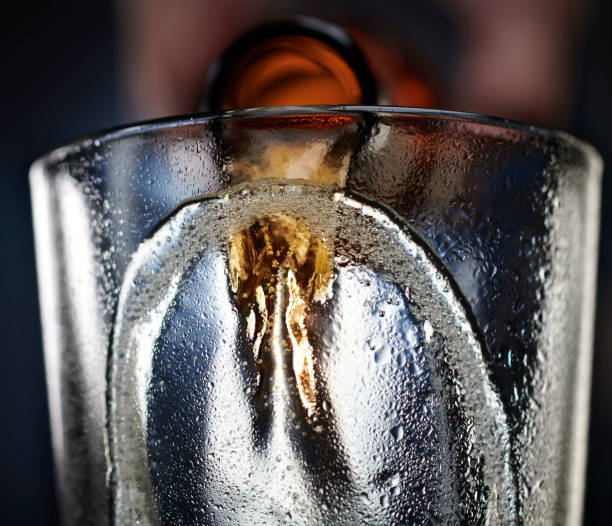
Beer Glass Filling From Bottom
Ever seen a beer glass fill from the bottom and wondered how that magic works? These innovative glasses use a tube running through the base, letting beer rise up smoothly without foam overflow. Ideal for crowded bars or quick service, they deliver a clean, even pour every time. In this article, we’ll break down exactly how bottom-filling beer glasses work, why they’re gaining popularity, and where you might find them in action.
How Beer Glasses Fill from the Bottom
What Is Bottom-Fill Beer Dispensing
Bottom-fill beer dispensing is a method where beer flows into the glass from the bottom instead of being poured from the top. This system uses a special tap mechanism built into the counter or bar surface.
The glass is placed directly over the tap, creating a seal that allows beer to rise from the base. This method reduces foam by minimizing agitation and exposure to air, resulting in a smoother, more consistent pour. It’s especially effective for carbonated beers that are prone to excessive head.
Bottom filling ensures faster service during busy periods and maintains beer quality by limiting oxidation. This technique is often found in high-volume establishments seeking efficiency and precision in their pours.
How Bottom-Fill Taps Work
Bottom-fill taps operate using a pressurized system embedded beneath the bar counter. When a glass is placed on the dispensing nozzle, a sensor or pressure switch activates the flow of beer from the keg.
Beer travels upward through a narrow tube and enters the glass at the base, gradually filling it from the bottom up. As the liquid level rises, air is displaced, reducing turbulence and minimizing foam formation.
Once the glass is full, the system automatically shuts off, often using a float valve or timer. This automated process ensures consistent portion control and reduces waste. The sealed design also helps maintain the beer’s temperature and carbonation, delivering a high-quality pour every time with minimal bartender effort.
Common Locations Using This System
Bottom-fill beer systems are commonly found in high-traffic venues where speed and consistency are essential. Sports stadiums and arenas frequently use this technology to serve large crowds quickly with minimal wait times. Fast-casual beer halls and automated bars also adopt bottom-fill taps to streamline service and reduce labor costs.
Some airports and cruise ships utilize these systems for efficient beverage dispensing in confined spaces. The technology is especially popular in Europe and increasingly adopted in the U.S. Self-serve tap walls in modern breweries often feature bottom-fill mechanisms, allowing customers to pour their own beer with precision.
These locations benefit from reduced spillage, faster turnover, and improved customer satisfaction due to consistently well-poured beers.
Differences Between Top and Bottom Fill
The main difference between top-fill and bottom-fill beer dispensing lies in the pour method and foam control. Top-filling involves pouring beer from above, which introduces air and increases foam, especially with highly carbonated brews. In contrast, bottom filling gently introduces beer from the base, reducing agitation and preserving carbonation.
Bottom-fill systems offer faster, more consistent pours with automated shut-off, while top-fill methods rely more on bartender skill. Additionally, bottom-fill taps require specialized counters and equipment, making them more expensive to install. However, they reduce spillage and waste over time.
Top-fill remains more common in traditional bars, but bottom-fill excels in volume and precision, making it ideal for large-scale operations seeking efficiency and quality control.
Technology Behind Bottom-Up Beer Dispensers
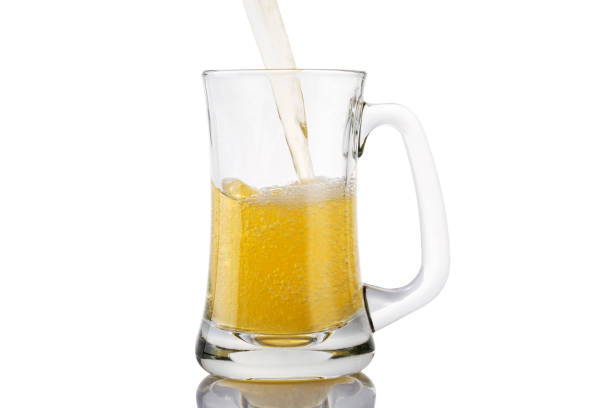
Components of a Bottom-Fill System
A bottom-up beer dispenser relies on several key components to deliver a perfect pour from the base of the glass. The system includes a stainless steel nozzle, a sealed glass holder, a CO2 pressure regulator, and a control valve.
The nozzle, positioned beneath the counter, rises into the glass when activated, creating a direct pathway for beer flow. The glass holder ensures proper alignment and airtight sealing to prevent leaks. Precision engineering allows the nozzle to engage only when the correct glass type is detected, minimizing waste.
These components work in unison to enable smooth, foam-controlled dispensing by introducing beer at the bottom, where it rises gently, reducing turbulence. Understanding these parts helps operators maintain efficiency and beverage quality.
Role of Pressure and CO2 Regulation
Proper CO2 pressure regulation is critical in bottom-fill dispensing to ensure consistent flow and optimal carbonation. The system uses a precision pressure controller to maintain ideal PSI levels, typically between 10–14, depending on beer type and line length.
This controlled pressure pushes beer from the keg through the nozzle and into the glass from the bottom. Balanced pressure prevents over-carbonation or foaming, which can occur if gas levels are too high. The sealed environment of the glass holder further stabilizes pressure during filling.
By maintaining consistent CO2 delivery, the system ensures each pour has the right mouthfeel and head retention, enhancing the drinking experience while minimizing waste and spills during high-volume service.
How the Nozzle Activates in the Glass
The nozzle in a bottom-up beer dispenser activates through a sensor-triggered mechanism when a glass is properly placed. Once the glass sits securely in the holder, a position sensor or weight detector signals the system to engage.
The nozzle then rises pneumatically or mechanically through a central opening into the base of the glass. A sealed connection forms, allowing beer to flow upward from the bottom. This automated activation ensures safety and precision, preventing accidental dispensing.
The system begins pouring only after confirmation of correct glass placement, reducing spills and waste. The timed or volume-based shutoff stops the flow once the glass is full, delivering a consistent, bar-quality pour every time with minimal user intervention.
Maintenance of Dispensing Units
Regular maintenance is essential to keep bottom-up beer dispensers operating efficiently and hygienically. Daily cleaning of the nozzle and glass holder prevents beer residue and microbial buildup. Operators should perform weekly disassembly and sanitization of all contact parts, especially the sealing gaskets and internal tubing.
Checking for wear and tear on O-rings and valves helps avoid leaks and pressure loss. It’s also important to calibrate sensors and pressure regulators monthly to ensure accurate pours and proper activation. Using manufacturer-approved cleaning solutions preserves component integrity.
A consistent maintenance schedule not only extends the system’s lifespan but also guarantees clean, great-tasting beer with every bottom-up pour, supporting both customer satisfaction and operational reliability.
Benefits of Bottom-Fill Beer Systems
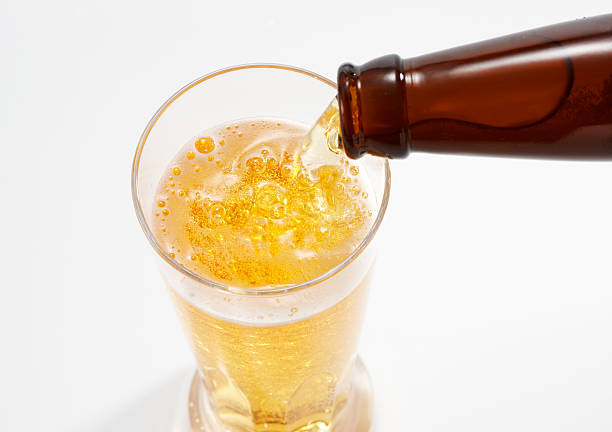
Reduced Foam for a Cleaner Pour
Bottom-fill beer systems significantly reduce foam formation during dispensing by introducing beer from the base of the glass, minimizing turbulence and aeration. Traditional top pours often agitate the beer, leading to excessive head and wasted product.
With a bottom-up fill, the beer rises smoothly, allowing for a controlled, near-foam-free pour that enhances visual appeal and maximizes volume. This method is especially effective for carbonated lagers and pilsners, which are prone to frothing. Bartenders can deliver a crisp, professional presentation every time, improving customer satisfaction.
Bottom filling also reduces the need for wait times between pours, streamlining service while maintaining quality. This innovation is ideal for venues aiming to serve perfect pints consistently.
Faster Service in High-Traffic Bars
In busy bars and restaurants, speed is essential, and bottom-fill beer systems deliver rapid dispensing without sacrificing quality. By filling the glass from the bottom, these systems eliminate the need for angled pours and slow top-offs, cutting down pour time significantly.
This allows bartenders to serve more customers in less time, reducing wait times during peak hours. The automated nature of many bottom-fill units ensures consistent flow rates and fill levels, minimizing human error and re-pours.
For high-volume establishments like sports bars or concert venues, this efficiency translates into higher throughput and increased revenue. Staff can focus on customer interaction rather than perfecting pour technique, improving overall service. Bottom-fill systems are a smart investment for any venue prioritizing speed and reliability.
Improved Beer Consistency
Bottom-fill beer systems ensure uniform pours every time, enhancing the overall drinking experience. By precisely controlling the flow of beer from the base of the glass, these systems eliminate variations caused by manual pouring techniques. This results in a consistent volume, temperature, and carbonation level in every serving.
Consistency is crucial for maintaining brand integrity, especially in franchise operations or craft beer bars with signature pours. Customers receive the same high-quality beer regardless of who serves it or when they visit. The system’s design also minimizes exposure to air, preserving flavor and aroma.
For operators, this means fewer complaints and higher repeat business. Bottom-fill technology sets a new standard for delivering reliable, bar-quality beer with every pour.
Less Spillage and Waste
One of the most impactful benefits of bottom-fill beer systems is the drastic reduction in spillage and beer waste. Traditional pouring methods often result in overflow, foaming, and inaccurate fills, leading to lost product and increased costs.
Bottom-filling eliminates these issues by dispensing beer gently from the base, ensuring a smooth rise with minimal agitation or overflow. This precision means every ounce goes into the glass, not down the drain. Over time, this efficiency translates into significant cost savings on inventory and improved profit margins.
It also supports sustainability goals by reducing wasted resources. For high-volume venues, even a small reduction in waste per pour can add up to thousands of ounces saved monthly. Bottom-fill systems help operators serve smarter and more sustainably.
Where You’ll Find Bottom-Fill Beer Taps
Sports Stadiums and Arenas
Bottom-fill beer taps are commonly found in sports stadiums and arenas due to their ability to serve large crowds quickly and efficiently. These systems reduce spillage and foam, ensuring fans receive full, consistent pours even during peak demand.
By filling the glass from the bottom up, the beer is dispensed smoothly under pressure, minimizing oxidation and preserving carbonation. This method also allows for faster throughput at concession stands, reducing wait times and improving the overall fan experience.
Stadium operators benefit from lower waste and higher customer satisfaction, making bottom-fill taps a smart investment for high-traffic venues where speed and quality are essential.
Large-Scale Breweries and Taprooms
In large-scale breweries and modern taprooms, bottom-fill beer taps enhance both operational efficiency and presentation. These systems provide a consistent, controlled pour that maintains the ideal head and flavor profile for each beer style.
By introducing beer from the base of the glass, foam formation is minimized, resulting in a cleaner, more professional appearance. This technology also allows staff to serve multiple drinks simultaneously with automated systems, improving service speed during busy hours.
For breweries focused on quality and scalability, bottom-fill taps support brand consistency and reduce training time for bartenders, ensuring every customer enjoys a perfectly poured beer every time.
Cruise Ships and Airline Service
Bottom-fill beer taps are increasingly used in cruise ships and premium airline services where space, safety, and efficiency are critical. On moving vessels or aircraft, traditional pouring can lead to spills and inconsistent fills, but bottom-fill systems securely dispense beer through a sealed connection, reducing mess and waste.
These taps maintain beer quality by limiting air exposure, preserving freshness and carbonation throughout long voyages or flights. Additionally, the automated nature of bottom-fill units allows crew members to serve drinks quickly and uniformly, enhancing passenger experience.
For hospitality providers in transit environments, this technology offers a reliable, elegant solution for serving beer in challenging conditions.
Convenience Stores and Self-Serve Walls
Bottom-fill beer taps are revolutionizing convenience stores and self-serve beer walls, offering customers a clean, intuitive way to pour their own craft beer. These systems use sensor-activated, bottom-up dispensing to prevent overflow and ensure consistent pours, reducing waste and improving cost control for retailers.
Patrons enjoy a hygienic, hands-off experience that maintains beer quality by minimizing contact and oxidation. For store owners, bottom-fill taps integrate seamlessly with payment and tracking technology, enabling precise inventory management and age verification.
As consumer demand for customizable, tech-driven experiences grows, bottom-fill systems provide a scalable, profitable solution that blends convenience, quality, and innovation in retail beer service.
How to Use a Bottom-Fill Beer Tap
Step-by-Step Guide to Pouring
To use a bottom-fill beer tap effectively, start with a clean, dry glass placed securely on the tray under the nozzle. Align the glass centered beneath the filling tube to ensure even flow. Press the activation lever or button, which lowers the nozzle into the glass.
The beer flows from the bottom upward, minimizing foam by reducing agitation. Monitor the fill level closely—most systems automatically stop when the glass is nearly full. Release the lever to retract the nozzle. Lift the glass straight up to avoid spills.
This method ensures a smooth, consistent pour with optimal carbonation retention, ideal for showcasing the beer’s clarity and flavor profile without excessive head.
Selecting the Right Glass Size
Choosing the correct glass size is critical for optimal performance with a bottom-fill tap system. Match the glass capacity to the intended pour volume—typically 12 oz, 16 oz, or 20 oz—to prevent overflow or underfilling. Use manufacturer-recommended glassware whenever possible, as the system is calibrated for specific dimensions.
Glasses that are too wide or too narrow can disrupt the nozzle’s seal and alignment, leading to leaks or improper fills. Standard pint glasses or branded beer-specific glasses work best. Always verify the glass height and base diameter meet the equipment’s requirements.
Proper sizing ensures consistent fills, minimal waste, and a professional presentation every time.
Timing Your Pour for Best Results
For the best results with a bottom-fill tap, understand the system’s automated timing. These taps are designed to fill a standard glass in 8 to 12 seconds, depending on beer type and pressure settings.
Do not rush or interrupt the cycle—allow the nozzle to fully insert and the beer to rise smoothly from the base. Prematurely lifting the glass can cause spills and uneven fills.
The system typically includes a sensor or timer that stops flow just below the rim, leaving room for a slight head. Wait for the nozzle to retract completely before removing the glass. This timing ensures maximum carbonation stability and visual appeal, delivering a bar-quality pour consistently.
Handling Common User Errors
Common errors with bottom-fill taps include using dirty or wet glasses, which can disrupt the vacuum seal and cause improper filling. Always ensure the glass is completely dry and residue-free before placing it. Another frequent issue is misalignment—center the glass precisely under the nozzle to allow proper insertion.
Users sometimes press the lever too briefly, preventing the nozzle from engaging. Hold it until the fill cycle begins. Overcrowding the tray with multiple glasses can also interfere with operation. If the beer foams excessively, check for incorrect CO2 pressure or temperature imbalances.
Addressing these errors promptly ensures reliable performance and high-quality pours every time.
Troubleshooting Bottom-Fill Dispensing Issues
Dealing with Excessive Foam
Excessive foam during bottom-fill dispensing is often caused by incorrect beer temperature or pressure settings. Ensure the beer is stored at 38°F (3°C) and the CO₂ pressure matches the beer type—typically 10–12 psi for most ales and lagers.
A dirty or poorly maintained tap line can also agitate the beer, increasing foam. Use a glass with a smooth interior and tilt it slightly during dispensing to reduce turbulence. Avoid dispensing too quickly—adjust the flow rate if your system allows.
If foam persists, check for air leaks in the lines or issues with the coupler seal. Regular line cleaning and proper glassware handling are essential for minimizing foam and ensuring a clean pour every time.
No Beer Flow: Possible Causes
If no beer flows from the bottom-fill dispenser, first verify that the keg is not empty and the coupler is properly seated. A blocked beer line or kinked hose can restrict flow, so inspect the entire line path for obstructions.
Ensure the regulator is delivering adequate pressure and that the gas line is securely connected. A faulty shank or tap valve may also prevent beer from dispensing—test by activating the tap manually if possible. Additionally, frozen beer lines in cold environments can halt flow; allow them to thaw gradually.
Always shut off gas pressure before disassembling components. Addressing these common mechanical and supply issues promptly restores flow and prevents service delays during operation.
Inconsistent Fill Levels
Inconsistent fill levels in bottom-fill systems typically stem from improper sensor calibration or variations in glass positioning. Ensure the dispensing nozzle activates at the correct height and that the glass is centered under the nozzle. Check for fluctuations in line pressure, which can alter flow rate and fill volume.
A worn or malfunctioning solenoid valve may not open or close consistently, leading to over- or under-filling. Regularly calibrate the fill timer or sensor system according to manufacturer guidelines. Also, verify that glass shapes are uniform—non-standard glassware can interfere with sensor accuracy.
Maintaining consistent pressure, clean components, and proper glass alignment ensures uniform fills and reduces waste over time.
Cleaning Clogged Nozzles
A clogged nozzle disrupts bottom-fill dispensing and can cause uneven flow or complete blockage. Disassemble the nozzle according to the manufacturer’s instructions and soak components in a beer-line cleaning solution for at least 20 minutes.
Use a soft brush or pipe cleaner to remove stubborn residue, avoiding metal tools that could damage seals. Rinse thoroughly with hot water to flush out loosened debris. Reassemble carefully, ensuring O-rings are intact and properly seated. Perform this cleaning weekly or more often in high-volume settings.
Prevent future clogs by rinsing the system after each keg change and using filtered water for cleaning. A well-maintained nozzle ensures smooth, uninterrupted dispensing and preserves beer quality.
Comparing Bottom-Fill to Traditional Pouring Methods
Speed and Efficiency Comparison
Bottom-fill systems significantly enhance speed and efficiency compared to traditional pouring methods. By filling the glass from the bottom up, these systems reduce foam formation and eliminate the need for a two-stage pour, allowing for faster service during peak hours.
Traditional pouring often requires tilting the glass and waiting for foam to settle, which adds time per pour. In contrast, bottom-fill dispensers can fill a standard pint in under 10 seconds with consistent results. This reduces wait times for customers and increases table turnover for bars and restaurants.
For high-volume establishments, the improved workflow translates into higher productivity and fewer service bottlenecks, making bottom-fill technology a smart upgrade for operations focused on speed without sacrificing quality.
Impact on Beer Quality and Taste
Filling beer from the bottom helps preserve carbonation levels and minimizes oxidation, leading to a fresher taste. Traditional pouring exposes beer to more air, increasing foam and potentially altering flavor.
Bottom-fill systems introduce beer gently through a valve at the base of the glass, maintaining optimal CO₂ balance and reducing turbulence. This results in a smoother pour with a controlled, consistent head—typically around 0.5 to 1 inch—enhancing aroma and mouthfeel.
Additionally, less foam means more beer reaches the customer, improving value perception. Because the beer flows upward, sediment remains in the keg, yielding a cleaner, clearer pour. Overall, bottom-fill methods support superior flavor retention and presentation, making them ideal for craft and premium beers where taste integrity is critical.
Cost Differences for Establishments
While bottom-fill systems have a higher initial investment, they often lead to long-term savings for bars and restaurants. The precision of bottom-filling reduces beer waste from excessive foam and over-pouring, which can save up to 20% in product loss compared to traditional methods.
Additionally, faster pour times increase service capacity without requiring additional staff. Maintenance costs are generally low, and many systems integrate with existing draft lines. Although traditional pouring requires no special equipment, the hidden costs of spillage, inconsistent pours, and labor inefficiency add up.
Bottom-fill dispensers also reduce training time for new staff, ensuring consistent quality with minimal supervision. For establishments aiming to maximize margins and minimize waste, the return on investment becomes clear within months of high-volume use.
User Experience: Bartender and Customer Feedback
Both bartenders and customers report higher satisfaction with bottom-fill beer systems. Bartenders appreciate the reduced physical strain and faster service, especially during busy shifts, as the automated process eliminates repetitive wrist motions from traditional tilting pours.
Customers notice the clean, consistent presentation and often comment on the smooth texture and ideal foam level. Many perceive bottom-filled beers as more premium due to the novelty and precision of the method. Some initial skepticism exists among traditionalists, but taste tests typically win them over.
Establishments using bottom-fill systems often see increased repeat orders and positive online reviews highlighting the unique experience. Overall, the method enhances both operational ease and customer enjoyment, making it a win-win innovation for modern beverage service.
Frequently Asked Questions
What is bottom-up beer glass filling?
Bottom-up beer glass filling is a pouring technique where beer is dispensed through a tube that enters the glass from the bottom, gradually filling it upward. This method reduces foam by minimizing agitation and exposure to air, resulting in a smoother pour with an ideal beer-to-head ratio.
How does bottom-up filling reduce foam in beer?
By introducing beer at the base of the glass, the bottom-up method limits turbulence and carbonation release that typically occur when beer hits the sides or surface of the glass from above. This controlled, gentle rise of liquid preserves carbonation and produces a creamier, more consistent head.
Where is bottom-up beer dispensing commonly used?
Bottom-up filling systems are often found in high-end bars, breweries, and beer festivals that use specialized taps or self-serve beer walls. These systems use pressurized valves in the countertop that connect to a glass seated over a nozzle, allowing precise, automated pours with minimal waste.
Can I use bottom-up filling at home?
Yes, home systems like beer towers or tap bases with upward-flow mechanisms are available for enthusiasts who want bar-quality pours. These setups require proper draft beer equipment, including kegs, CO2 regulators, and a specially designed dispensing faucet built into a countertop or stand.
Does bottom-up pouring affect beer flavor?
Bottom-up pouring helps preserve beer flavor by reducing excessive foaming and oxidation during the pour. Since the beer maintains optimal carbonation and temperature, its intended aroma and taste profile are more consistently delivered.
What types of beer benefit most from bottom-up filling?
Beers with delicate carbonation or complex foam structures—like lagers, pilsners, and wheat beers—benefit most from bottom-up filling. The method enhances clarity, head retention, and overall presentation, especially for carbonation-sensitive craft brews.
Is bottom-up beer dispensing hygienic?
Yes, when properly maintained, bottom-up systems are hygienic. The dispensing nozzles are typically made of stainless steel and include sanitation features like automatic cleaning cycles or protective covers to prevent contamination between uses.
Conclusion
The bottom-filling beer glass technology enhances the drinking experience by reducing foam and preserving carbonation. This innovative method ensures a smoother pour, maintaining the beer’s aroma and flavor. Ideal for both casual drinkers and connoisseurs, it offers a cleaner, more efficient way to enjoy beer. Embrace this advancement in beverage service and elevate your next beer experience with a perfectly poured, crisp, and refreshing drink every time.