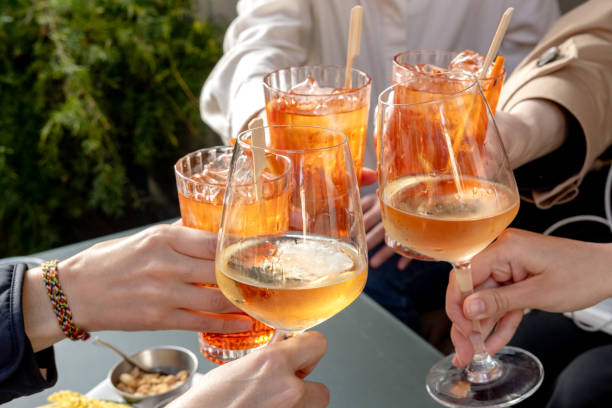
Best Wine Temperature Red
Wondering about the best wine temperature for red? You’re not alone—many people serve red wine too warm, dulling its flavor. The ideal range is 60–68°F, depending on the type. Lighter reds like Pinot Noir shine cooler, while bolder ones like Cabernet Sauvignon taste better slightly warmer. This article breaks down the perfect temps for every red, so you can enjoy richer aromas, balanced tannins, and a smoother sip every time. Let’s get your wine served just right.
Best Wine Temperature for Red Wines
What Is the Ideal Serving Temperature for Red Wine?
The ideal serving temperature for red wine typically ranges between 60°F and 68°F (15°C to 20°C), depending on the style and body.
Lighter reds like Pinot Noir and Gamay express their best aromas and acidity when served closer to 60°F–65°F, while fuller-bodied wines such as Cabernet Sauvignon, Syrah, and Malbec benefit from slightly warmer temperatures around 65°F–68°F.
Serving within this range ensures the wine’s structure—its balance of tannins, acidity, alcohol, and fruit—is fully expressed. Avoid serving reds at room temperature, especially in warm climates, as this often exceeds 70°F and can exaggerate alcohol, making the wine taste hot and unbalanced.
For best results, chill heavier reds for 10–15 minutes in the refrigerator before serving, and lighter styles for 20–30 minutes. Using a wine thermometer helps achieve precision and consistency.
How Temperature Affects Red Wine Flavor
Temperature plays a critical role in how we perceive red wine’s flavor, aroma, and texture. When served too warm, red wines can taste overly alcoholic, flabby, and lose their aromatic complexity—alcohol volatility increases, dominating the nose and palate.
Conversely, overly chilled reds suppress aroma and make tannins seem harsh and astringent, muting fruit expression. At the optimal temperature, red wines reveal a harmonious balance: aromas open up, acidity feels vibrant, and tannins are smoother.
For example, a Cabernet Sauvignon served at 68°F will showcase its dark fruit and structured tannins, while the same wine at 75°F may taste boozy and flat. Temperature also affects mouthfeel—cooler wines feel fresher and more lively.
To experience a wine’s true character, serve within its ideal range and allow slight warming in the glass to reveal evolving layers of flavor.
Common Myths About Red Wine Serving Temperatures
One of the most persistent myths is that all red wines should be served at ‘room temperature.’ Historically, this meant around 68°F in cooler European homes, but modern indoor temperatures often exceed 72°F, making wines taste unbalanced.
Another myth is that chilling red wine ruins it—chilling actually enhances many reds, especially lighter or high-acid varieties. Some believe only white wines need temperature control, but temperature sensitivity applies across all wine types.
Additionally, storing reds long-term in the refrigerator is discouraged due to cork drying, but brief pre-serving chilling is perfectly safe and beneficial. Lastly, the idea that bold reds must be served warm leads to overheated, alcohol-heavy pours.
Debunking these myths allows for better enjoyment: use a thermometer, chill when needed, and tailor temperature to the wine style, not outdated rules.
How to Cool Red Wine Properly

Using a Refrigerator vs. Wine Cooler
Choosing between a refrigerator and a wine cooler significantly impacts the ideal serving temperature for red wine, which typically ranges from 60°F to 68°F (15°C to 20°C).
A standard kitchen refrigerator runs too cold—usually around 35°F to 40°F (2°C to 4°C)—and can over-chill red wine, muting its aromas and making tannins seem harsh. In contrast, a dedicated wine cooler allows precise temperature control, making it easier to store and serve reds at their optimal range.
Lighter reds like Pinot Noir taste best at the cooler end (60°F to 65°F), while fuller-bodied wines like Cabernet Sauvignon prefer 65°F to 68°F. If using a refrigerator, limit chilling time to 30–45 minutes to avoid overcooling.
For consistent results, invest in a dual-zone wine cooler that maintains separate temperatures for reds and whites, preserving each wine’s flavor balance, aroma expression, and mouthfeel for a more enjoyable tasting experience.
Quick Cooling Techniques
When you need to cool red wine quickly before serving, use time-tested methods that avoid over-chilling. The fastest and most effective technique is the ice bucket method: fill a bucket with equal parts ice and water, then submerge the bottle for 15 to 20 minutes.
The water accelerates heat transfer, cooling the wine evenly. For even faster results, wrap the bottle in a damp towel and place it in the freezer for 10–15 minutes—check frequently to prevent freezing.
Avoid placing wine in the freezer for longer than 20 minutes, as it can damage the cork or cause the bottle to crack. Another option is pouring a glass and adding a wine-safe cooling stone or frozen grape, which chills the pour without dilution.
These rapid cooling techniques are ideal for last-minute guests or when serving red wine that’s been stored at room temperature, ensuring it reaches the ideal 60–68°F range without sacrificing quality.
How Long to Chill Red Wine Before Serving
To achieve the best wine temperature for reds, timing is essential. If your red wine is stored at room temperature (about 70°F or 21°C), place it in the refrigerator for 30 to 40 minutes before serving.
This brings lighter reds like Merlot or Zinfandel to the ideal 60–65°F range, enhancing their fruitiness while softening tannins. For fuller-bodied reds like Syrah or Malbec, 25 to 30 minutes is often sufficient to reach 65–68°F. If using an ice bucket, 15 to 20 minutes is usually enough.
Always use a wine thermometer for accuracy, as visual cues can be misleading. Over-chilling dulls flavors, so err on the side of slightly warmer—you can always cool it more.
Remember, once poured, the wine will warm slightly in the glass, so serving it just below ideal allows it to open up beautifully during the meal, revealing its full aromatic and flavor profile.
Red Wine Types and Their Ideal Temperatures

Light-Bodied Reds: Pinot Noir and Gamay
For optimal flavor and aroma, light-bodied reds like Pinot Noir and Gamay should be served slightly chilled, between 55°F and 60°F (13°C–16°C). This temperature range enhances their bright acidity and delicate red fruit notes—think cherry, raspberry, and strawberry—while preventing alcohol from becoming overpowering.
Serving too warm flattens their elegance; serving too cold masks their nuanced bouquet. To achieve this ideal range, refrigerate for 30–45 minutes before serving if stored at room temperature. These wines benefit from a cooler pour because their lower tannin structure doesn’t require warmth to soften.
Avoid serving at traditional ‘room temperature’ (often 70°F+), which can make them taste flabby or overly alcoholic. When properly chilled, Pinot Noir and Gamay express vibrant balance and refreshing finish, making them excellent choices for lighter dishes or warm-weather sipping. Precision in temperature brings out their best character.
Medium-Bodied Reds: Merlot and Sangiovese
Medium-bodied reds such as Merlot and Sangiovese perform best at 60°F to 65°F (16°C–18°C), a sweet spot that balances fruit expression with smooth tannin integration. At this range, Merlot’s plum and cocoa notes shine without amplifying alcohol heat, while Sangiovese’s tart cherry and herbal complexity remain vibrant.
Serving too cold suppresses aroma, but excessive warmth intensifies bitterness and dulls acidity. To reach this ideal, place the bottle in the fridge for 15–20 minutes before serving. These wines often have moderate tannins and acidity, so precise temperature ensures harmony on the palate.
Avoid serving straight from a warm cellar or room, as it masks structural balance. When correctly cooled, Merlot feels lush and approachable, and Sangiovese maintains its food-friendly zip. This temperature also enhances pairings with roasted poultry, pasta, and grilled vegetables, letting the wine complement rather than dominate the meal.
Full-Bodied Reds: Cabernet Sauvignon and Syrah
Full-bodied reds like Cabernet Sauvignon and Syrah should be served at 65°F to 68°F (18°C–20°C) to unlock their full potential. This range softens robust tannins and allows complex layers—dark fruit, spice, and oak—to unfold gradually.
Too cold, and the wine tastes astringent and closed; too warm, and alcohol dominates, creating a harsh finish. These wines benefit from minimal chilling, perhaps 10 minutes in the fridge if room temperature exceeds 70°F. Their high tannin and extract levels need slight warmth to feel balanced and velvety.
Decanting alongside proper temperature enhances aeration, further smoothing texture and releasing bouquet. Serving at the right temp ensures Cabernet’s cassis and cedar notes and Syrah’s pepper and blueberry depth are fully expressed.
This precision elevates pairings with steak, lamb, or aged cheeses, making each sip rich, integrated, and deeply satisfying without overwhelming the palate.
Tools to Measure and Maintain Wine Temperature
Best Wine Thermometers for Accurate Readings
To serve red wine at its ideal temperature between 60–68°F (15–20°C), a precise wine thermometer is essential. Digital instant-read thermometers offer fast, accurate results within seconds, ensuring you don’t over-chill or serve too warm. Look for models with a laser-guided tip and waterproof design for easy cleaning and consistent performance.
Infrared thermometers are excellent for non-invasive readings—simply point at the bottle to gauge surface temperature, though they’re slightly less accurate than probe types. For traditionalists, adhesive strip thermometers attach directly to the bottle and change color based on temperature, offering a visual cue without puncturing the cork.
Always calibrate your thermometer regularly and store it in a dry place. Using the right thermometer eliminates guesswork, preserving the wine’s aroma, balance, and finish. Whether you’re serving a bold Cabernet Sauvignon or a delicate Pinot Noir, precise temperature control enhances the tasting experience.
Wine Fridges with Temperature Zones
Dual-zone wine coolers are ideal for maintaining the best wine temperature for reds while also storing whites and sparkling wines at their ideal ranges. These fridges allow independent control of upper and lower compartments, letting you set the red wine zone to 60–68°F (15–20°C)—the sweet spot for most varietals.
Look for models with vibration reduction, UV-resistant glass doors, and humidity control to protect wine quality over time. Compressor-based units offer more stable temperatures than thermoelectric models, especially in fluctuating room environments. Proper airflow and shelving design also help maintain consistent temperature distribution.
Position your wine fridge away from direct sunlight and heat sources to maximize efficiency. With a quality dual-zone cooler, you can store multiple types of wine at their optimal serving temperatures, ready to enjoy at a moment’s notice without last-minute chilling or warming.
Insulated Wine Sleeves and Coolers
Insulated wine sleeves and portable coolers are practical solutions for maintaining ideal red wine temperature during transport or outdoor events. These lightweight accessories use thermal insulation materials like neoprene or reflective foil to slow heat transfer, keeping reds in the recommended 60–68°F (15–20°C) range.
Ideal for picnics, dinner parties, or restaurant visits, they prevent overheating in warm environments and extend chill time after refrigeration. Some models feature adjustable gel inserts for active cooling, while others include spill-proof bases and stylish designs for tabletop use.
For best results, pre-chill the wine to its ideal temperature before placing it in the sleeve. Avoid over-icing, which can drop the temperature too low and mute flavors. These tools are especially helpful for serving reds by the glass over time, ensuring each pour remains at its peak.
Simple, reusable, and effective, insulated sleeves help preserve the wine’s complexity and balance wherever you enjoy it.
Serving Red Wine at Home: Practical Tips
How to Store Red Wine Before Serving
Proper storage before serving is crucial for preserving red wine’s flavor and aroma. Store unopened bottles horizontally in a cool, dark place with a consistent temperature between 55°F and 65°F (13°C–18°C)—ideal for maintaining cork moisture and preventing oxidation.
Avoid fluctuating temperatures, such as those near ovens or windows, which can damage the wine over time. If you lack a wine cellar, a dedicated wine fridge offers excellent climate control.
For short-term chilling, place the bottle in the refrigerator for 15 to 30 minutes before serving if it’s been stored at room temperature, especially in warmer climates. This helps bring fuller-bodied reds like Cabernet Sauvignon or Syrah closer to their ideal serving range of 60°F–65°F (15°C–18°C).
Never serve red wine too warm, as excessive heat exaggerates alcohol and dulls subtle notes. Consistent, cool storage ensures your wine reaches the glass in peak condition.
Choosing the Right Glassware
Selecting the appropriate glassware enhances the aroma, taste, and overall enjoyment of red wine. Opt for large-bowled glasses with a wide rim, such as Bordeaux or Burgundy styles, which allow ample surface area for aeration and concentration of complex scents.
The shape directs wine to the optimal part of your palate, balancing acidity, tannins, and fruit. Fill the glass only one-third full to encourage swirling without spills, releasing volatile compounds that elevate the bouquet. Crystal glasses, though delicate, often provide a finer rim and better sensory experience than standard glass.
For lighter reds like Pinot Noir, use a slightly tapered bowl to preserve delicate floral notes, while bold reds benefit from larger bowls that soften tannins. Avoid oversized ‘restaurant-style’ glasses that may dissipate aroma too quickly.
Using the right glass ensures you fully appreciate the wine’s character at its ideal temperature and structure.
Letting Wine Breathe at the Right Temperature
Allowing red wine to breathe enhances its flavor complexity and softens tannins, but it must be done at the correct temperature. Young, full-bodied reds like Malbec or Nebbiolo benefit most from 15 to 30 minutes of aeration in the glass or a decanter.
However, if the wine is too warm, exposure to air can amplify alcohol and bitterness. Aim to begin aeration when the wine is within its ideal range of 60°F–65°F (15°C–18°C). For wines stored at room temperature, chilling slightly before decanting helps maintain balance during breathing.
Lighter reds, such as Beaujolais or young Pinot Noir, typically need less aeration—just a few minutes of swirling in the glass suffices. Over-aerating delicate wines can flatten their character. Use a decanter with a wide base for maximum surface exposure, and monitor the wine’s evolution.
Proper breathing at the right temperature reveals layers of fruit, spice, and earthiness that define a great red wine experience.
Common Mistakes When Serving Red Wine
Serving Red Wine Too Warm
One of the most common mistakes with red wine is serving it too warm, which can exaggerate alcohol and dull the wine’s balance. When reds exceed their ideal temperature—typically above 68°F (20°C)—the alcohol becomes overly prominent, creating a hot, harsh sensation on the palate.
This masks the wine’s nuanced flavors and aromas, especially in lighter or aromatic varieties like Pinot Noir. To avoid this, store reds in a cool area and consider a brief 15–20 minute chill in the refrigerator before serving.
Ideal serving temperatures vary by body: lighter reds thrive around 55–60°F (13–16°C), while medium-bodied wines do best at 60–65°F (16–18°C). Using a wine thermometer ensures precision. Remember, it’s easier to warm a slightly chilled wine than to cool an overheated one.
Serving at the correct temperature preserves structure, acidity, and aroma, allowing the wine to express its full character.
Over-Chilling Full-Bodied Reds
While chilling red wine can correct excessive warmth, over-chilling full-bodied reds like Cabernet Sauvignon or Syrah suppresses their complexity. When served below 55°F (13°C), the tannins tighten and aromas recede, making the wine taste closed-off and overly astringent.
These robust wines rely on warmth to open up their bouquet and soften their structure. The ideal range for full-bodied reds is 62–68°F (17–20°C)—cool enough to highlight freshness but warm enough to express depth. Avoid placing these wines in the freezer or chilling them for extended periods.
If accidentally over-chilled, let the bottle sit at room temperature for 10–15 minutes before serving. Using a temperature-controlled wine cooler helps maintain consistency. Proper chilling ensures balanced tannins, vibrant fruit expression, and a smooth finish, letting powerful reds shine without overwhelming the palate.
Ignoring Room Temperature Variations
Many people assume ‘room temperature’ is ideal for red wine, but modern heating systems often make indoor spaces too warm—typically 72°F+ (22°C+)—which harms wine quality. Traditional ‘room temperature’ referred to cooler European cellars, not today’s heated homes. Serving reds in overheated rooms leads to flattened flavors and alcohol volatility.
To compensate, adjust serving temperature based on actual room conditions. In warmer environments, chill the bottle for 10–15 minutes before serving. In cooler spaces, let the wine breathe slightly before pouring. Using a digital thermometer helps monitor real-time temperature.
Also, consider seasonal changes: summer rooms may require more chilling, while winter rooms might need minimal adjustment. Tailoring wine temperature to your actual environment ensures optimal balance, aroma expression, and drinking pleasure, making each glass reflect the wine’s true potential.
How Temperature Impacts Wine Pairing
Matching Red Wine Temperature with Food
Serving red wine at the ideal temperature enhances both the wine and food pairing by balancing flavors and textures. Too warm, and alcohol dominates; too cold, and aromas dull. Most reds perform best between 60–68°F (15–20°C), allowing tannins and fruit notes to shine.
Lighter reds like Pinot Noir benefit from cooler temps (55–60°F), especially with delicate dishes such as roasted poultry or mushroom risotto. Fuller-bodied wines like Cabernet Sauvignon should be slightly warmer (65–68°F) to complement rich, fatty foods like lamb or braised beef.
Avoid serving reds at room temperature in warm environments, as this often exceeds ideal ranges. Instead, chill heavier reds briefly in the fridge (15–20 minutes) before serving. This precision ensures the wine’s acidity and structure support the meal, not overpower it.
Ultimately, aligning temperature with both dish weight and wine body creates a harmonious dining experience.
Best Red Wines for Steak and Their Serving Temp
When pairing red wine with steak, temperature directly influences how well the wine cuts through fat and highlights savory flavors. Bold reds like Cabernet Sauvignon, Malbec, and Syrah are top choices, best served at 65–68°F (18–20°C). At this range, tannins remain supple, enhancing the meat’s richness without drying the palate.
Cabernet Sauvignon’s structured profile pairs perfectly with ribeye, while Malbec’s plush fruit complements grilled flank steak. Serving too warm (above 70°F) intensifies alcohol, overwhelming the dish, while too cold mutes complexity. For filet mignon with earthy sauces, a slightly cooler Pinot Noir at 60–62°F preserves its elegance.
Use a wine thermometer or chill bottles for 15 minutes in the fridge if they’ve been at room temperature. Proper temperature ensures the wine’s acidity and tannins balance the steak’s juiciness, elevating each bite. This precision turns a great meal into an exceptional one.
Temperature Tips for Cheese and Wine Pairings
Pairing cheese and red wine successfully hinges on matching intensity and serving at the right temperature. Serve medium to full-bodied reds like Merlot or Zinfandel at 62–65°F (17–18°C) to harmonize with aged cheeses such as Cheddar or Gouda.
At this temperature, fruit and tannin levels remain balanced, cutting through the fat without overwhelming delicate flavors. For softer cheeses like Brie, slightly cooler reds (60–62°F) prevent the wine from dominating. Avoid serving reds too warm, as heat accentuates bitterness against creamy textures. Pre-chill bottles for 10–15 minutes if needed.
Lighter reds like Gamay work well with fresh goat cheese at 58–60°F, enhancing brightness. Temperature control preserves aromatic complexity and mouthfeel, ensuring each pairing feels intentional. Remember, the goal is synergy—neither cheese nor wine should overpower. With precise serving temps, even simple pairings become sophisticated and satisfying.
Frequently Asked Questions
What is the best serving temperature for red wine?
The ideal serving temperature for most red wines is between 60°F and 65°F (15°C–18°C). Serving within this range enhances the wine’s aromas and flavors while balancing alcohol and acidity.
Can serving red wine too warm affect its taste?
Yes, serving red wine too warm can make it taste overly alcoholic and flabby, diminishing its complexity. It’s best to slightly chill fuller-bodied reds if they’ve been stored in a warm environment.
Should all red wines be served at the same temperature?
No, lighter reds like Pinot Noir taste best slightly cooler (around 55°F–60°F), while fuller-bodied reds like Cabernet Sauvignon do well at 60°F–65°F. Adjusting temperature enhances each wine’s unique profile.
How can I quickly chill red wine to the right temperature?
Place the bottle in the refrigerator for 15–20 minutes or in an ice-water bath for 10 minutes. This brings it to the ideal range without over-chilling.
Is it bad to serve red wine at room temperature?
Modern ‘room temperature’ (around 70°F+) is often too warm for red wine. True ideal serving temperature is cooler, around 60°F–65°F, which is why slight chilling is recommended.
What tools help maintain the best red wine temperature?
Wine thermometers, temperature-controlled wine coolers, and insulated wine sleeves help maintain optimal serving temperatures. These tools ensure consistency and improve tasting experience.
Conclusion
Serving red wine at the right temperature enhances its flavor and aroma, with most varieties best enjoyed between 60–68°F. Lighter reds like Pinot Noir shine slightly cooler, while fuller-bodied wines like Cabernet Sauvignon benefit from a bit more warmth. Avoid serving too warm or too cold, as extremes mute the wine’s character. Use a thermometer or a short chill to perfect your pour. Experiment and savor the difference—your ideal glass is just a few degrees away.