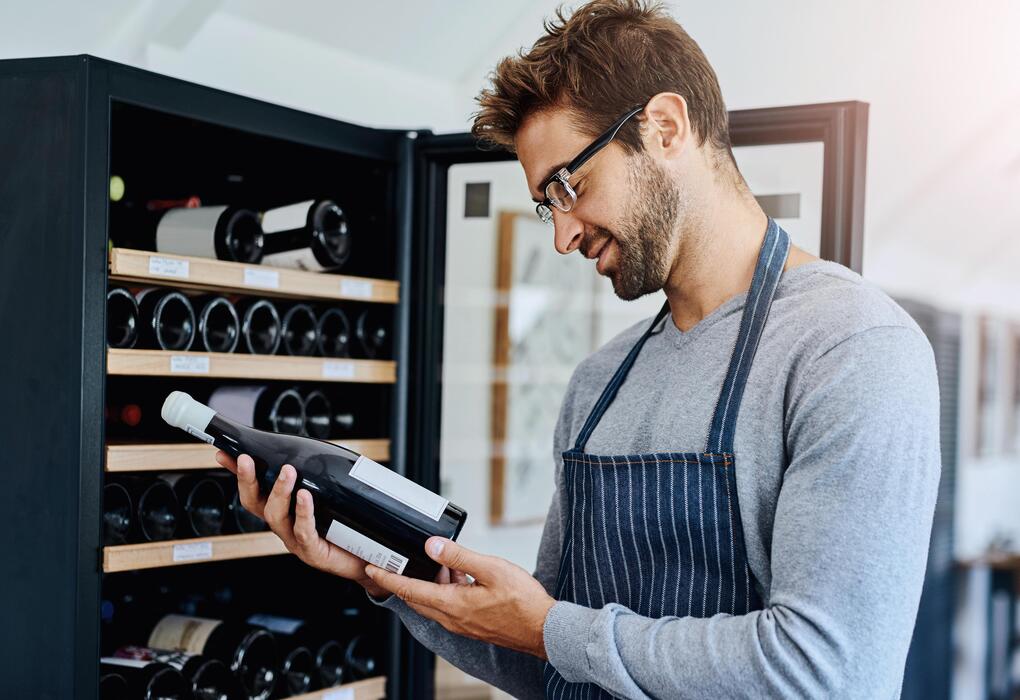
Best Temperature To Store Wine In Wine Fridge
The best temperature to store wine in wine fridge for long-term preservation is consistently around 55°F (12.8°C). Are you grappling with conflicting advice on ideal temperatures, or unsure if one setting suits all your bottles? You’re in the right place. Maintaining a stable, cool environment is paramount to prevent premature aging and protect your wine’s delicate flavors and aromas. This guide cuts through the confusion to help you perfectly set your wine fridge and safeguard your cherished collection.
Why Wine Storage Temperature Matters
Impact of poor temperature control on wine quality
Storing wine at inconsistent or extreme temperatures can lead to significant and irreversible damage, directly impacting its taste, aroma, and longevity. High temperatures accelerate the aging process, causing wines to develop cooked, stewed, or jammy flavors prematurely and lose their fresh fruit characteristics.
Conversely, temperatures that are too low can inhibit proper aging, preventing the complex flavors and aromas from developing over time. Frequent temperature fluctuations are particularly detrimental, causing the cork to expand and contract, which can lead to oxidation as air seeps into the bottle.
This exposure to oxygen can turn the wine brown, impart nutty or sherry-like notes, and ultimately spoil its intended profile. Maintaining a stable, moderate temperature is crucial for preserving the wine’s integrity and ensuring it reaches its full potential when opened.
How a wine fridge protects your bottles
A dedicated wine fridge, or wine cooler, is specifically designed to create and maintain the optimal environment for wine storage, far surpassing the capabilities of a standard kitchen refrigerator.
Unlike regular fridges which are too cold and dry, wine fridges offer precise temperature control, ensuring a consistent and ideal setting that prevents the damaging effects of temperature swings. They also incorporate vibration-damping technology to protect delicate wines from agitation, which can disturb sediments and accelerate chemical reactions.
Furthermore, many wine fridges include UV-resistant glass doors to shield bottles from harmful light, which can degrade wine’s compounds and flavors. By providing a stable, dark, and vibration-free environment, a wine fridge acts as a sanctuary for your collection, preserving its quality and allowing it to age gracefully.
Quick answer: The ideal temperature range
For optimal long-term storage of all wine types – reds, whites, sparkling, and rosé – the ideal temperature range is consistently between 50-59°F (10-15°C).
Within this range, 55°F (13°C) is often cited as the perfect cellar temperature, providing a balanced environment where wines can age slowly and gracefully, allowing their complex flavors and aromas to develop over time without being rushed or stunted.
While some minor variations exist depending on the wine type (e.g., slightly cooler for sparkling, slightly warmer for some full-bodied reds), maintaining a stable temperature within this general range is far more critical than pinpointing an exact degree.
A good wine fridge will ensure this stability, protecting your investment and guaranteeing your wine tastes exactly as the winemaker intended when you finally uncork it.
Best Temperature Range for All Wines
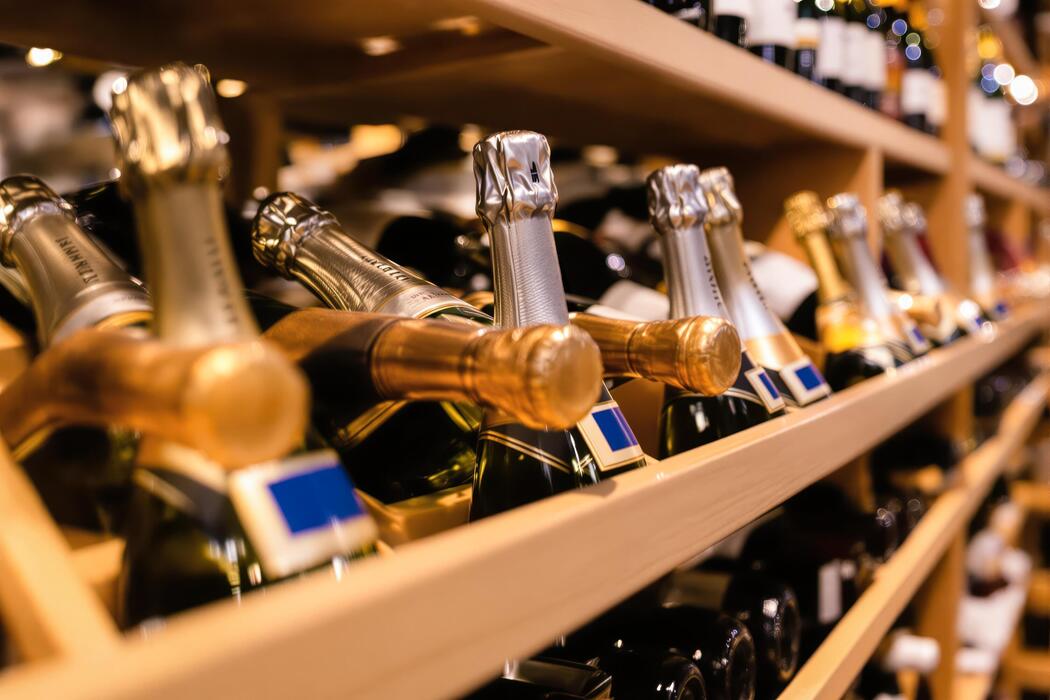
The universal sweet spot for wine preservation
For optimal long-term storage of all wine types in your wine fridge, the ideal temperature range is consistently between 50-59°F (10-15°C).
This specific range is widely recognized as the sweet spot because it effectively slows down the aging process without halting it completely, allowing the wine to develop complexity and character gracefully.
Storing wine too cold can stunt its development and prevent flavors from fully integrating, while too warm can accelerate aging, leading to “cooked” flavors and premature spoilage.
Maintaining a constant temperature within this narrow band is paramount; even a few degrees outside this range, especially on the warmer side, can compromise the wine’s integrity over time. Your wine fridge is designed to achieve this precision, making it the best environment for preserving your valuable collection.
Set your wine fridge to a steady 55°F (13°C) for a balanced approach to maturation and preservation across reds, whites, and sparkling wines.
Why stable temperature is crucial for wine longevity
Temperature stability is arguably more critical than the exact temperature itself when it comes to preserving wine for the long haul. A consistently maintained temperature, free from dramatic ups and downs, prevents the wine from undergoing repeated expansion and contraction.
This constant thermal stress can push the cork in and out, eventually compromising its seal. A compromised cork allows oxygen to seep into the bottle, leading to oxidation, which can quickly degrade the wine’s flavors and aromas, rendering it flat or vinegary.
A stable environment ensures the cork remains supple and firmly in place, effectively protecting the wine from external elements. Wine fridges excel at providing this unwavering stability, unlike regular refrigerators which cycle through temperatures, or pantries that are subject to ambient room fluctuations.
Prioritizing a stable temperature environment in your wine fridge is key to safeguarding your investment and ensuring your wines evolve as intended.
Dangers of temperature swings and fluctuations
Exposing wine to frequent or significant temperature swings is one of the quickest ways to ruin its quality and shorten its lifespan, even in a wine fridge if it’s not properly functioning.
When wine heats up, it expands, pushing against the cork; as it cools, it contracts, potentially pulling air in. This “pumping” action can lead to premature oxidation, stripping the wine of its vibrant fruit flavors and introducing undesirable “nutty” or “sherried” notes.
Rapid fluctuations can also “cook” the wine, resulting in a dull, flat taste and a complete loss of its intended aromatic complexity. Such conditions can occur if a wine fridge is placed in a hot garage, near a window with direct sunlight, or if its cooling system is faulty.
Always position your wine fridge in a cool, dark place and monitor its performance to prevent these detrimental changes. Consistent temperature is non-negotiable for maintaining the delicate balance of aromas and flavors that make wine so enjoyable.
Storing Different Wine Types at the Right Temperature
Red wine temperature guidelines for storage
For long-term storage of red wines in a wine fridge, the optimal temperature range is generally between 55°F to 65°F (13°C to 18°C). Maintaining a consistent temperature within this spectrum is crucial to allow red wines, especially those intended for aging, to evolve gracefully.
Fluctuations can prematurely age the wine or diminish its complex flavors and aromas. While many prefer to serve red wines slightly warmer, this storage temperature ensures the tannins remain supple and integrated, preventing them from becoming harsh or drying.
Avoid storing reds above 65°F, as excessive heat can “cook” the wine, leading to a dull, stewed flavor profile and accelerating oxidation. Conversely, temperatures below 55°F can hinder the wine’s development and cause tannins to become overly astringent, making the wine taste thin and unexpressive.
White and rosé wine temperature guidelines
White and rosé wines benefit from slightly cooler storage conditions compared to reds, with an ideal range of 45°F to 55°F (7°C to 13°C). This temperature zone helps to preserve their vibrant acidity, delicate fruit characteristics, and aromatic freshness.
Storing these wines too warm can lead to a loss of crispness, making them taste flat or overly alcoholic.
Conversely, storing them significantly below 45°F for extended periods isn’t ideal either, as very cold temperatures can mute their subtle flavors and aromas, preventing them from fully expressing their terroir and varietal character.
While many lighter-bodied whites and rosés are served colder, their long-term storage should prioritize preserving their structural integrity. Fuller-bodied whites, like oaked Chardonnays, can lean towards the warmer end of this range to allow their complexity to develop.
Sparkling wine temperature guidelines
Sparkling wines, including Champagne, Prosecco, and Cava, require specific temperature management due to their effervescence. The best storage temperature is consistently between 45°F and 50°F (7°C to 10°C).
Maintaining this cooler range is vital for several reasons: it helps preserve the delicate bubbles by keeping the dissolved carbon dioxide stable, prevents the cork from drying out and losing its seal (which can lead to oxidation and loss of fizz), and protects the wine’s intricate flavors.
Higher temperatures can accelerate the aging process, diminish the freshness, and even cause premature “cork pop” due to increased internal pressure. While sparkling wines are served well-chilled, their storage temperature ensures their integrity without over-chilling, which can suppress their aromatic complexity.
Consistency is key to avoid thermal expansion and contraction that can compromise the cork.
Fortified wine storage considerations
Fortified wines, such as Port, Sherry, Madeira, and Vermouth, have unique storage requirements due to their higher alcohol content and often intentional oxidative aging. The optimal storage temperature typically falls between 55°F to 65°F (13°C to 18°C), similar to red wines.
This range helps preserve their rich, concentrated flavors and prevents premature aging or oxidation. For unopened bottles, consistency within this range, coupled with darkness and moderate humidity, is paramount to allow for slow maturation and prevent the cork from drying out.
Once opened, many fortified wines, especially drier Sherries, have a shorter shelf life and might benefit from refrigeration, although some Ports and Madeiras can last longer. Always aim to avoid extreme temperature fluctuations which can compromise the wine’s stability and intricate balance of flavors.
Beyond Temperature: Other Wine Storage Essentials
Humidity: Protecting corks and preventing spoilage
While a consistent temperature of 55°F (13°C) is ideal, humidity plays an equally critical role in long-term wine storage. Optimal relative humidity levels between 60-75% are essential to prevent corks from drying out.
When corks become dry, they shrink, allowing oxygen to seep into the bottle and prematurely oxidize the wine, leading to ‘maderized’ flavors. Conversely, excessively high humidity can encourage mold growth on labels and capsules, though it rarely affects the wine itself.
A quality wine fridge is designed to maintain this precise humidity balance, often through integrated humidification systems or the natural evaporation from internal components. This ensures your corks remain supple, creating an airtight seal that protects your investment and allows the wine to age gracefully without spoilage.
Light: A silent enemy of wine aging
Beyond maintaining a steady optimal temperature around 55°F (13°C), protecting your wine from light is paramount.
Both natural sunlight and artificial fluorescent lights emit harmful UV rays that can degrade wine compounds, especially tannins and anthocyanins, leading to ‘light strike.’ This chemical reaction imparts unpleasant aromas and flavors, making the wine taste dull or even spoiled.
This is why many wine bottles are made from dark-tinted glass. A dedicated wine fridge offers a dark, opaque environment, shielding your bottles completely from light exposure.
Choosing a unit with solid doors or UV-filtered glass is crucial, ensuring that your precious vintages are not exposed to this silent enemy, preserving their delicate balance and allowing them to evolve as intended over time.
Vibration: Keeping wine still for proper sediment rest
While a stable storage temperature of approximately 55°F (13°C) is critical, minimizing vibration is another key factor for successful wine aging. Constant movement, even subtle shaking from appliances or foot traffic, can disturb the wine’s delicate chemical structure and prevent sediment from settling properly.
This agitation can accelerate undesirable chemical reactions, leading to a ‘tired’ or ‘prematurely aged’ wine with harsh flavors. It can also disrupt the natural aging process, preventing the wine from developing its full complexity.
High-quality wine fridges are specifically engineered with vibration-dampening compressors and sturdy, stable shelving to isolate bottles from external tremors. This ensures that your wines remain perfectly still, allowing sediments to rest undisturbed and enabling the wine to mature gracefully and develop its intended character.
Air quality: Preventing unwanted odors in your fridge
Maintaining an ideal temperature of 55°F (13°C) is fundamental, but the air quality surrounding your wine bottles is equally vital for long-term storage. Corks are not completely impermeable; they breathe subtly, allowing minute amounts of air exchange.
This means that strong, persistent odors in the storage environment, such as those from paint, chemicals, or even strong-smelling foods, can leach through the cork and taint the wine, resulting in off-flavors and aromas. A dedicated wine fridge addresses this by providing a clean, isolated environment.
Many models feature activated charcoal filters that continuously purify the internal air, neutralizing odors and ensuring that only fresh, neutral air interacts with your corks. This attention to air quality guarantees that your wine’s true character remains uncompromised, allowing it to develop its intended bouquet without external interference.
Setting Up Your Wine Fridge Correctly
Choosing single zone vs. dual zone wine fridges
When considering the best temperature to store wine in your wine fridge, the choice between single and dual zone models is crucial. A single zone fridge is ideal if you primarily collect or age one type of wine, or if all your wines require the same long-term storage temperature.
For optimal long-term aging, a consistent 55°F (13°C) is universally recommended, providing a stable environment for reds, whites, and sparkling wines alike.
However, if your collection includes a mix of reds and whites, and you wish to have some bottles ready for serving at their ideal temperatures, a dual zone wine fridge is superior.
This allows you to set one zone for reds (typically 60-65°F / 15-18°C) and another for whites and sparkling wines (around 45-50°F / 7-10°C). This flexibility ensures your wines are always at their peak for enjoyment, while also protecting your aging bottles.
Choosing correctly ensures your wines are always stored at their perfect temperature.
Where to place your wine fridge for best performance
The location of your wine fridge significantly impacts its ability to maintain the best temperature to store wine. To ensure consistent performance and energy efficiency, avoid placing your unit in direct sunlight or next to heat-emitting appliances like ovens or radiators.
These external heat sources force the fridge to work harder, leading to temperature fluctuations that can harm your wine and shorten the appliance’s lifespan. Proper ventilation is paramount; ensure there’s adequate space around the sides and rear for heat dissipation, typically 2-3 inches.
Placing it in an area with stable ambient room temperature is also beneficial. High humidity areas, such as basements without proper climate control, should also be avoided, as excessive moisture can damage labels and potentially the corks over time.
A cool, dry, and well-ventilated spot will help your fridge reliably hold the ideal storage temperature of 55°F (13°C), safeguarding your valuable collection.
Checking and adjusting fridge settings for accuracy
Once your wine fridge is set up, verifying its accuracy is a critical step to ensure you’re maintaining the best temperature to store wine. Do not solely rely on the unit’s built-in digital display; these can sometimes be inaccurate.
Invest in a reliable external thermometer that you can place inside the fridge for a few hours to get a true reading. For long-term storage of all wine types, aim for a consistent 55°F (13°C). If your fridge has multiple zones, check each zone independently.
If the temperature deviates, use the fridge’s controls to fine-tune the setting until the external thermometer confirms the desired temperature. Allow at least 24 hours for the fridge to stabilize after adjustments before rechecking.
Regular monitoring ensures your wines are continuously protected from temperature swings, which are detrimental to their aging potential and overall quality, preserving their flavor and aroma profiles effectively.
Mistakes to Avoid in Wine Storage
Why regular kitchen fridges harm wine
Storing wine in a regular kitchen refrigerator is a common mistake that can significantly harm your wine’s longevity and flavor. Standard fridges operate at much lower temperatures, typically below 40°F (4°C), which is too cold for wine.
Prolonged exposure to these low temperatures can dry out the cork, allowing air to seep in and oxidize the wine prematurely. Moreover, kitchen fridges lack humidity control, crucial for keeping corks moist.
They also experience frequent temperature fluctuations every time the door opens, and their powerful compressors generate vibrations that disturb the wine’s sediment, accelerating its aging process negatively.
For optimal preservation, a wine fridge is designed to maintain a consistent ideal temperature range, typically between 50-57°F (10-14°C), which is vastly different from a kitchen fridge’s environment.
Bad locations for storing wine bottles
Choosing the wrong location for your wine fridge or even individual bottles outside of it can undermine all your efforts to maintain the best temperature for storage. Avoid placing wine near windows or direct sunlight, as UV rays can degrade wine rapidly, causing ‘light strike’ and altering its chemical composition.
Similarly, steer clear of heat-emitting appliances like ovens, dishwashers, or even the top of a regular refrigerator, which radiate heat and cause extreme temperature swings. Basements without proper climate control can also be too warm or humid.
The ideal spot for a wine fridge is a cool, dark, and stable environment where it can efficiently maintain its programmed temperature without fighting external heat sources. Consistent temperatures around 55°F (13°C) are paramount for long-term aging.
Overfilling and airflow problems in your fridge
A common mistake in wine storage, even within a dedicated wine fridge, is overfilling the unit. While it might seem efficient to pack every available space, overcrowding can severely impede proper airflow inside.
When bottles are jammed together, the cold air cannot circulate evenly, leading to inconsistent temperatures across different shelves and compartments. This means some bottles might be too warm, while others are at the correct best temperature.
Ensure there’s adequate space between bottles and along the sides for air to flow freely. Good airflow is essential for the fridge’s cooling system to operate efficiently and maintain the stable, uniform temperature critical for preserving your wine. Always leave a little room, even if it means storing fewer bottles.
Neglecting fridge cleaning and maintenance
Ignoring the regular cleaning and maintenance of your wine fridge can compromise its ability to maintain the best temperature for your wine.
Dust accumulation on the condenser coils at the back or bottom of the unit makes the compressor work harder, consuming more energy and potentially leading to inconsistent cooling or premature failure. Blocked vents inside also restrict airflow, preventing uniform temperature distribution.
Periodically, inspect and clean the coils, ensuring they are free of debris. Also, check for any mold or mildew growth, especially if humidity levels are high, as these can introduce unwanted odors that might permeate corks and affect wine flavor.
A well-maintained wine fridge is crucial for consistent temperature stability and optimal wine preservation.
Short-Term vs. Long-Term Wine Storage Needs
Aging wine: Long-term temperature goals
For optimal long-term wine storage and aging, a consistent temperature is paramount. The ideal range for a wine fridge is typically between 50-59°F (10-15°C), with many experts pinpointing 55°F (13°C) as the gold standard.
Maintaining this stability is crucial because significant temperature fluctuations can cause the wine to expand and contract, potentially compromising the cork seal and leading to oxidation. A constant cool temperature allows the wine to age gracefully, fostering the slow, complex chemical reactions that develop its tertiary aromas and flavors.
Storing wine above this range can accelerate aging, making the wine taste “cooked” or stewed, while temperatures too low can halt its development.
Therefore, a dedicated wine fridge set to a stable 55°F provides the perfect environment for your collection to mature beautifully, protecting your investment for years to come and ensuring its best expression when finally uncorked.
Preparing wine for serving: Short-term chilling
While long-term storage prioritizes consistency, short-term chilling focuses on bringing the wine to its optimal serving temperature. This differs significantly from aging temperatures. Red wines are best served slightly chilled, typically between 60-65°F (15-18°C), which allows their complex aromas and tannins to shine without being dulled by excessive cold.
White and rosé wines benefit from more chilling, ideally served at 45-50°F (7-10°C) to highlight their crisp acidity and fruit notes. Sparkling wines require the coldest temperatures, around 40-45°F (4-7°C), to maintain their effervescence and refreshing character.
A regular refrigerator can be used for short-term chilling, but be mindful not to over-chill reds, as this can mute their flavors. For whites and sparkling, an ice bucket can quickly bring them down to the desired temperature just before serving.
When to move bottles from storage to table
The transition from a wine fridge’s stable long-term storage to serving can impact the wine’s immediate enjoyment. For red wines, it’s advisable to remove them from the 55°F storage approximately 30-60 minutes before serving to allow them to gradually warm to their ideal 60-65°F.
This gentle temperature rise prevents “thermal shock” which can temporarily mute flavors. Conversely, white and sparkling wines, already at 55°F in your wine fridge, will need further chilling.
Transfer them to a standard refrigerator for 1-2 hours or an ice bucket for 20-30 minutes to reach their optimal 45-50°F or 40-45°F respectively. Avoid placing them directly into a freezer for rapid chilling, as extreme cold can dull delicate aromas and flavors or even damage the cork.
Strategic timing ensures your wine is presented at its absolute best, enhancing the entire tasting experience from the first pour.
Frequently Asked Questions
What is the ideal long-term storage temperature for all types of wine in a wine fridge?
The universally recommended long-term storage temperature for all wine types, including reds, whites, and sparkling wines, is typically around 55°F (13°C). This temperature optimally slows down the aging process without halting it entirely, allowing the wine to mature gracefully. Consistency is paramount, as fluctuations can harm the wine more than a slightly off but stable temperature.
Does the type of wine (red, white, sparkling) require different storage temperatures in a wine fridge?
For long-term storage, all wine types benefit from the same stable temperature of approximately 55°F (13°C). While serving temperatures differ significantly, storing red, white, and sparkling wines at this consistent cool temperature ensures their optimal preservation and aging potential. Storing them too warm can accelerate spoilage, while too cold can hinder proper development.
Why is a consistent storage temperature so important for wine in a wine fridge?
Consistent temperature prevents the wine from expanding and contracting within the bottle, which can push the cork out or allow oxygen to seep in, leading to premature oxidation. Fluctuations stress the wine and can ‘cook’ it or degrade its delicate flavors and aromas over time. A stable environment ensures the wine ages predictably and maintains its quality.
What are the consequences of storing wine at temperatures that are too warm or too cold?
Storing wine too warm (above 70°F/21°C) can ‘cook’ it, causing flavors to become dull, stewed, or oxidized, and the wine to age prematurely. Conversely, storing wine too cold (below 45°F/7°C) for extended periods can dry out the cork, leading to oxygen ingress, or even cause the wine to freeze and expand, pushing the cork out. Both extremes compromise the wine’s quality and longevity.
What is the difference between wine storage temperature and serving temperature?
Storage temperature refers to the constant, ideal temperature for preserving wine over time, typically around 55°F (13°C) for all types. Serving temperature, however, varies by wine style: reds are often served warmer (60-65°F), whites cooler (45-50°F), and sparkling wines coldest (40-45°F). A wine fridge maintains storage temperature, while you might briefly chill or warm bottles before serving.
How does humidity factor into the ideal wine storage environment within a wine fridge?
While temperature is paramount, humidity plays a crucial role in preventing corks from drying out and shrinking, which could allow air to enter the bottle and oxidize the wine. An ideal relative humidity for wine storage is typically between 60-75%. Most quality wine fridges maintain a suitable humidity level, but extremely dry environments can still pose a risk.
Should I set my single-zone wine fridge to 55°F (13°C) if I store various types of wine?
Yes, if you have a single-zone wine fridge and store a mix of red, white, and sparkling wines, setting it to 55°F (13°C) is the best compromise. This temperature is ideal for long-term aging and preservation for all wine types. You can then simply remove bottles a bit before serving to bring them to their optimal serving temperature.
Conclusion
Maintaining an ideal, consistent temperature of 50-59°F (10-15°C) in your wine fridge is paramount for preserving your collection. This range protects wines from premature aging, spoilage, and flavor degradation, ensuring they develop beautifully. Investing in a reliable wine fridge guarantees each bottle reaches its full potential. Prioritize stable conditions to savor every sip of perfectly aged wine, enhancing your enjoyment and protecting your investment.
