Best Temperature For Wine
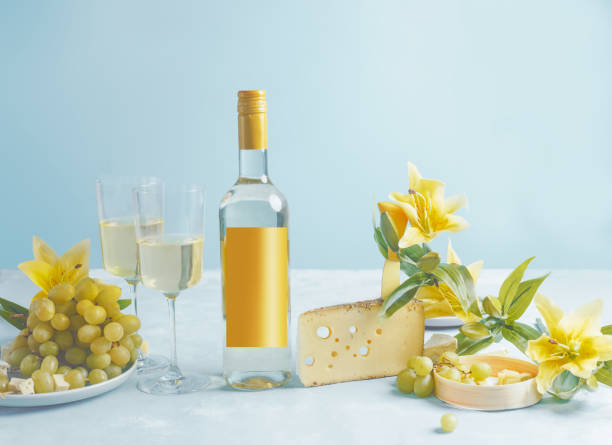
Wondering about the best temperature for wine? You’re not alone—serving wine at the right temp can make all the difference in flavor and enjoyment. Too cold, and the notes fall flat; too warm, and it tastes overly alcoholic. The good news? We’ve got the ideal ranges for reds, whites, rosés, and even sparkling wines, so you can pour the perfect glass every time. Keep reading for quick, expert tips that’ll elevate your next wine experience.
Best Serving Temperatures for Different Wine Types
How to Serve Red Wine at the Right Temperature
Serving red wine at the ideal temperature enhances its flavor and balance. Contrary to popular belief, most red wines should not be served at room temperature, especially in warmer climates. The best temperature for red wine is between 60°F and 68°F (15°C–20°C).
Lighter reds like Pinot Noir taste best slightly cooler, around 60°F–65°F, which preserves their bright acidity and fruit notes. Fuller-bodied reds such as Cabernet Sauvignon or Syrah shine at 65°F–68°F, allowing their tannins and complexity to express fully.
To reach this range, refrigerate reds for 15–20 minutes before serving if stored at room temperature. Over-chilling dulls aromas, while serving too warm accentuates alcohol and bitterness. Use a wine thermometer for precision, or rely on timing for consistent results.
Ideal Temperature for White Wine
White wines benefit greatly from proper chilling to highlight freshness and acidity. The best temperature for white wine ranges from 45°F to 55°F (7°C–13°C). Light, aromatic whites like Pinot Grigio and Sauvignon Blanc are best at 45°F–50°F, preserving their crisp, zesty character.
Fuller whites such as Chardonnay or Viognier should be served slightly warmer, around 50°F–55°F, to bring out their rich textures and nuanced flavors. Avoid over-chilling, as it can mute aromas and make the wine taste flat.
Remove whites from the refrigerator 10–15 minutes before serving to allow them to warm slightly. For even better results, use a wine cooler or ice bucket with water and ice to maintain the ideal temperature throughout the meal.
Cooling Tips for Rosé and Sparkling Wines
Rosé and sparkling wines require consistent, cool temperatures to preserve their effervescence and vibrant profile. The ideal serving temperature for both is between 40°F and 50°F (4°C–10°C). Sparkling wines like Champagne, Prosecco, and Cava should be well-chilled to 40°F–45°F to maintain lively bubbles and refreshing acidity.
Rosé, especially dry styles, shines at 45°F–50°F, balancing fruitiness and crispness. To chill quickly, place bottles in an ice bucket with equal parts ice and water for 20–30 minutes. Avoid the freezer for extended periods, as it risks over-chilling or leakage.
Once opened, keep bottles in the bucket to maintain temperature. Serving too warm causes sparkling wines to go flat quickly and makes rosé taste flabby, so temperature control is essential.
What Temperature Should Dessert Wines Be Served At
Dessert wines, with their rich sweetness and complexity, require careful temperature control to balance sugar, acidity, and aroma. The best serving temperature for dessert wines is between 45°F and 55°F (7°C–13°C). Lighter dessert wines like Moscato d’Asti taste best well-chilled at 45°F–50°F, enhancing their floral notes and effervescence.
Heavier, concentrated wines such as Sauternes, Port, or late-harvest Riesling should be served slightly warmer, around 50°F–55°F, to release layered aromas of honey, dried fruit, and spice. Chilling too much masks complexity, while serving too warm overwhelms with sweetness.
Use a refrigerator for initial chilling, then let the bottle sit for 10 minutes before pouring. This ensures a balanced, enjoyable tasting experience that complements desserts perfectly.
How to Accurately Measure Wine Temperature
Use a Wine Thermometer: Step-by-Step Guide
To accurately measure wine temperature, use a digital wine thermometer for quick, precise readings. Insert the probe into the wine bottle or glass, ensuring it doesn’t touch the sides for an accurate internal temperature.
Ideal red wine temperature ranges from 60–68°F (15–20°C), while white wines should be served between 45–55°F (7–13°C). Sparkling wines and rosés do best at 40–50°F (4–10°C). Take the reading after the wine has been chilled or warmed to its intended serving environment.
Avoid leaving the thermometer in the bottle too long to prevent contamination. This method ensures you serve wine at its optimal flavor profile, enhancing aroma and balance. Consistent use of a thermometer removes guesswork and elevates your wine experience.
Checking Temperature Without Tools
If you don’t have a thermometer, use tactile and timing cues to estimate wine temperature. Hold the bottle: if it feels cool to the touch but not icy, whites are likely in the 50–55°F range.
For reds, if the bottle feels slightly below room temperature, it’s probably near the ideal 60–68°F. Another trick: place your fingertip on the wine glass base—if it feels cool but not cold, the temperature is likely balanced.
Pour a small amount and taste: if white wine tastes flat, it’s too cold; if red tastes overly alcoholic, it’s too warm. These sensory checks help approximate ideal serving temps without tools, ensuring better flavor expression even in casual settings.
Common Temperature Mistakes to Avoid
One of the most frequent errors is serving red wine too warm and white wine too cold. Room temperature today (often 72°F+) is too warm for most reds, muting their complexity and amplifying alcohol heat. Conversely, over-chilling whites numbs delicate aromas and acidity.
Avoid storing wine in the fridge long-term unless it’s white or sparkling. Also, don’t rely solely on fridge time—standard refrigerators chill to 35–40°F, which is too cold for immediate serving. Let whites sit out briefly before serving. Another mistake is using freezer time incorrectly—more than 20–30 minutes risks freezing.
These small adjustments prevent flavor loss and ensure wine is enjoyed as intended by the winemaker.
How Long to Chill Wine in Fridge vs. Ice Bucket
Chilling time varies significantly between fridge and ice bucket methods. In a refrigerator (35–40°F), whites and rosés need 2–3 hours, while reds reach ideal temp in 1 hour. For faster results, use an ice bucket with ice and water: submerge the bottle and rotate it gently.
This method chills wine in 15–20 minutes due to better thermal conductivity. Sparkling wines cool best this way to hit the 40–50°F sweet spot. Avoid dry ice or freezing—risk of cracked bottles or muted flavors. For last-minute chilling, the ice bucket is far more effective than the fridge.
Always check temperature near the end to avoid over-chilling. These timing guidelines help you serve wine at its best, quickly and reliably.
Wine Storage Temperatures for Long-Term Aging
Best Temperature Range for Wine Cellars
The best temperature for wine storage during long-term aging is between 55°F and 58°F (12.8°C to 14.4°C). This range slows chemical reactions, allowing wine to mature gracefully while preserving its aromas, acidity, and tannin structure.
Consistent temperature is just as crucial as the ideal range—fluctuations can cause corks to expand and contract, potentially letting air seep in and spoil the wine. Red wines, white wines, and sparkling varieties all benefit from this stable, cool environment.
Avoid temperatures above 70°F (21°C), as heat accelerates aging and can lead to ‘cooked’ flavors. For collectors or enthusiasts aiming to age wine for years, maintaining this optimal temperature range ensures the best chance of peak quality upon opening.
How Fluctuations Damage Wine Quality
Temperature fluctuations are one of the greatest threats to long-term wine aging. When temperatures rise and fall frequently, the wine expands and contracts, causing the cork to shift slightly and compromising the seal. This can lead to oxidation, which dulls flavors and shortens the wine’s lifespan.
Additionally, rapid chemical changes from inconsistent conditions can result in imbalanced or flat profiles, robbing the wine of complexity. Even daily swings of 10°F (5.5°C) can be harmful over time. Heat spikes may ‘cook’ the wine, producing stewed fruit or sherry-like off-flavors, while cold snaps risk tartrate crystal formation.
Stability is key—maintaining a steady temperature prevents stress on the bottle and ensures the slow, controlled evolution essential for fine aging.
Tips for Storing Wine Without a Cellar
If you lack a traditional wine cellar, you can still age wine effectively with careful planning. Choose a dark, quiet space like a closet, under-stair nook, or basement corner, away from appliances that emit heat. Use a dedicated wine cooler or thermoelectric cabinet that maintains 55–58°F (12.8–14.4°C) and stable humidity.
Avoid garages or attics, where temperatures fluctuate widely. Store bottles horizontally to keep corks moist and sealed. Consider insulated wine storage boxes for added protection. Monitor conditions with a digital hygrometer and thermometer.
While not ideal, these practical alternatives can mimic cellar conditions and preserve wine quality for years—just ensure minimal light, vibration, and temperature swings for best results.
Short-Term vs. Long-Term Storage Conditions
Short-term and long-term wine storage require different environmental priorities. For short-term storage (weeks to months), maintaining 50–65°F (10–18°C) is acceptable, especially if the wine will be consumed soon. However, long-term aging demands strict consistency near 55–58°F (12.8–14.4°C) to support slow maturation.
Humidity levels around 60–70% are critical for long-term storage to prevent cork drying, but less crucial for short-term. Light and vibration are more damaging over extended periods. Short-term setups can include cool closets or wine fridges, while long-term aging benefits from climate-controlled units or dedicated cellars.
Understanding these distinctions helps preserve wine integrity whether you’re holding a bottle for a dinner party or cellaring it for a decade.
Serving Temperature Effects on Wine Flavor
How Warm Wine Changes Taste Perception
When wine is served too warm, alcohol volatility increases, leading to a harsh, hot sensation on the palate that overwhelms subtler flavors. Reds above 68°F (20°C) can taste flabby or overly alcoholic, diminishing freshness and balance. Warmer temperatures also amplify sweetness in off-dry and sweet wines, making them cloying.
Optimal warmth, however, allows reds to express their full bouquet—think ripe fruit, spice, and earth notes—without distortion. Serving wine slightly below room temperature (around 60–65°F or 15–18°C for most reds) ensures aromatic complexity and structural harmony. Use a cooler or brief fridge time to correct overheated bottles, especially in summer.
Temperature control is key to preserving the wine’s intended profile and ensuring a pleasurable tasting experience.
Why Over-Chilling Masks Aromas
Over-chilling wine, especially whites and rosés, suppresses volatile aromatic compounds, muting the delicate floral, fruity, and mineral notes that define their character. When served below 45°F (7°C), the nose becomes nearly undetectable, and the wine tastes dull and one-dimensional.
While cold temperatures enhance crisp acidity and refreshment, excessive chill numbs the palate and reduces flavor perception. The ideal range for most white wines is 45–50°F (7–10°C), allowing aromas to lift and balance with acidity.
Remove whites from the fridge 10–15 minutes before serving to let them warm slightly in the glass. This small adjustment unlocks complexity and ensures the wine expresses its full, intended sensory profile, turning a simple pour into a nuanced experience.
Temperature Impact on Tannins and Acidity
Serving temperature directly affects how we perceive tannin structure and acidity in wine. In reds, too-cold temperatures make tannins taste harsh and astringent, creating a mouth-puckering effect that masks fruit and spice notes. Conversely, when served too warm, tannins soften excessively, leading to a flabby, unstructured mouthfeel.
Acidity in whites and sparkling wines shines when chilled properly—enhancing freshness and balance—but disappears when too warm. The ideal temperature range allows both tannins and acidity to integrate seamlessly: reds at 60–65°F (15–18°C), whites at 45–50°F (7–10°C).
This balance ensures a harmonious, layered tasting experience, where no single element dominates, and the wine’s true character emerges with clarity and elegance.
Real Tasting Examples: Too Cold vs. Just Right
Consider a Cabernet Sauvignon served straight from a 35°F (2°C) fridge: tannins feel brittle and aggressive, fruit flavors are muted, and the finish is harsh. After warming to 62°F (17°C), the same wine reveals plum, cassis, and cedar notes, with smooth tannins and balanced structure.
Similarly, an over-chilled Sauvignon Blanc at 40°F (4°C) tastes sharp and nearly flavorless; at 48°F (9°C), citrus and herb aromas bloom, and acidity feels vibrant, not piercing.
Sparkling wines served too cold lose their effervescence and nuance—ideally at 43–47°F (6–8°C), bubbles are fine and persistent, with crisp apple and brioche notes shining through. These real examples prove that small temperature adjustments dramatically improve flavor, aroma, and enjoyment.
Chilling and Warming Wine Quickly and Safely
Fast Ways to Chill Wine in 15 Minutes
To chill wine quickly and safely within 15 minutes, wrap the bottle in a damp paper towel and place it in the freezer. The moisture accelerates heat transfer, cooling the wine faster than an unwrapped bottle.
Alternatively, submerge the bottle in a bucket of ice water—this method is more effective than ice alone because water conducts cold more efficiently. Rotate the bottle gently every few minutes to ensure even cooling.
For sparkling wines and light whites, aim for 45–50°F (7–10°C), while fuller whites do best at 50–55°F (10–13°C). Avoid leaving wine in the freezer longer than 20 minutes to prevent potential cork damage or freezing, which can alter flavor and pressure in sparkling varieties.
How to Warm Up a Too-Cold Bottle
If your wine is too cold, gradual warming preserves its integrity. Remove the bottle from the fridge and let it sit at room temperature for 15–20 minutes. For faster results, gently swirl the wine in the glass—this aerates and warms it simultaneously, enhancing aroma and flavor.
You can also hold the bowl of the wine glass in your hands to transfer body heat. Avoid using microwaves or hot water, as they cause uneven heating and flavor distortion.
Reds should be served around 60–65°F (15–18°C), while chilled reds from the cellar may only need 10 minutes to reach ideal temperature. Patience ensures the wine expresses its full bouquet without thermal stress.
Using Salt and Ice for Faster Cooling
A salt and ice bath is one of the fastest and safest methods to chill wine in under 15 minutes. Fill a bucket with ice, cold water, and about 1/2 cup of rock salt.
The salt lowers the freezing point of water, creating a super-chilled solution that rapidly draws heat from the bottle. Submerge the wine and rotate it every few minutes for even cooling.
This technique can bring a room-temperature bottle to ideal serving temperature—50°F (10°C) for whites, 60°F (15.5°C) for light reds—in as little as 10 minutes. It’s perfect for last-minute guests and avoids freezer risks. Always use a towel when handling the bottle post-chill to protect your hands from the extreme cold.
Avoiding Temperature Shock in Wine
Temperature shock—sudden shifts in temperature—can disrupt wine’s structure and mute its flavors. Avoid moving wine directly from freezer to glass or vice versa. Instead, use gradual transitions: cool wine in the fridge before finishing in an ice bath, or let cold reds warm slightly before serving.
Rapid changes may also cause sediment disturbance or cork movement. Serve white wines at 45–55°F (7–13°C) and reds at 60–68°F (15–20°C) for optimal taste. Sparkling wines are best at 43–48°F (6–9°C). Using a wine thermometer helps monitor progress without guesswork.
Consistent, gentle temperature control ensures the wine expresses its intended balance of aroma, acidity, and body, enhancing your overall tasting experience.
Best Practices for Serving Wine at Home
Setting Up a Wine Station with Temperature Zones
Create a dedicated wine station with distinct temperature zones to store and serve different types of wine correctly. Use a dual-zone wine cooler to keep whites, rosés, and sparkling wines at their ideal 45–50°F (7–10°C), while maintaining reds at a cooler 55–65°F (13–18°C).
Avoid standard refrigerators for long-term storage, as they’re too cold and dry. Instead, use insulated containers with ice and water for quick chilling, or a wine fridge with adjustable shelves. Label each zone clearly so guests or family members can easily identify where each wine belongs.
This setup ensures every bottle is served at its peak flavor, enhancing aroma and balance while preventing alcohol from overpowering the taste.
How to Adjust for Room Temperature Variations
Room temperature in most homes (around 70°F/21°C) is too warm for serving reds and far too hot for whites. To compensate, chill red wines in the fridge for 15–20 minutes before serving to bring them into the ideal range.
For whites that have been stored at room temperature, chill for 30–45 minutes. Use a wine thermometer for precision, or rely on touch—bottles should feel cool, not icy. In warmer climates, keep a bucket with ice and water on hand to maintain temperature during service.
Avoid placing wine near heat sources like ovens or direct sunlight. These small adjustments ensure that even without climate control, your wine maintains its intended balance, acidity, and aroma profile.
Serving Multiple Wines at a Dinner Party
When hosting, plan your wine service order and temperatures in advance to enhance the dining experience. Start with lighter wines like sparkling or white, served at 45–50°F (7–10°C), then progress to fuller whites and light reds at 55–60°F (13–16°C), finishing with bold reds near 65°F (18°C).
Use separate cooling zones—ice buckets for whites, a wine sleeve for reds. Label glasses or use different styles to avoid confusion. Pour smaller servings to prevent wines from warming too quickly. If space is limited, chill reds slightly more than ideal so they warm gradually to the perfect range.
This method ensures each wine shines at its best moment, elevating food pairings and guest enjoyment.
Choosing Glassware Based on Serving Temp
The right glassware can help maintain optimal serving temperature and enhance the wine’s profile. Use tulip-shaped glasses for whites and sparkling wines—their narrower opening preserves cooler temps and concentrates delicate aromas.
For reds served slightly below room temperature, choose larger, bowl-shaped glasses that allow aeration without rapid heat gain from hand contact—opt for stemware to avoid warming the bowl. Thin, lead-free crystal enhances clarity and aroma release. Avoid oversized glasses for chilled wines, as they warm too quickly.
Matching glass style to temperature and wine type ensures better control over the tasting experience, preserving freshness in whites and balance in reds throughout the pour.
Common Wine Temperature Myths Debunked
Do All Red Wines Belong at Room Temperature?
The idea that all red wines should be served at ‘room temperature’ is a common misconception rooted in historical context—when rooms were much cooler. Today’s indoor temperatures, often above 70°F (21°C), are too warm for most reds.
Lighter reds like Pinot Noir shine at 55–60°F (13–16°C), preserving their bright acidity and delicate aromas. Fuller-bodied reds like Cabernet Sauvignon are best at 60–65°F (16–18°C), balancing tannins and fruit. Serving too warm can exaggerate alcohol and dull flavors. Use a refrigerator to cool down—even briefly—before serving.
Chilling reds slightly enhances complexity and overall enjoyment, debunking the myth that room temperature is universally ideal.
Is Ice in Wine Always a Bad Idea?
While dropping ice cubes into fine wine can dilute delicate flavors, strategic chilling methods are perfectly acceptable. For casual settings or warm climates, wine-specific chilling tools like frozen grape-shaped chillers or stainless steel cubes safely cool without watering down.
Light reds and rosés, in particular, benefit from slight chilling—45–55°F (7–13°C)—enhancing refreshment. If you must use ice, pre-chill the wine instead. Alternatively, blend ice with robust, lower-tannin wines in cocktails like sangria or spritzers, where dilution is part of the design.
The key is intentionality: avoid ruining premium bottles, but don’t fear cold temperatures when used wisely. Temperature control improves drinkability, especially in summer.
Does Bottle Size Affect Serving Temperature?
Yes, bottle size impacts how quickly wine heats up or cools down due to surface area and volume differences. Larger formats like magnums hold temperature more steadily, cooling slower and warming less rapidly than standard 750ml bottles.
This makes them ideal for extended servings, as they maintain the ideal serving range longer. Smaller bottles, like splits (375ml), chill faster but also warm up quicker—requiring more attention.
When planning a tasting, adjust your chilling time based on size: magnums may need 30+ minutes in the fridge, while splits only 15–20. Understanding this helps preserve balance and aroma throughout service, ensuring every pour reflects the wine’s intended profile.
Can You Re-Chill an Open Bottle Safely?
Yes, re-chilling an open bottle is not only safe but recommended to preserve quality. Once opened, wine oxidizes, but cold temperatures slow this process significantly. Recork or use a vacuum stopper, then return the bottle to the refrigerator—ideal for both whites and reds.
Lighter wines like Sauvignon Blanc or Pinot Noir can last 3–5 days when re-chilled. Fuller reds may lose some aroma over time, but remain enjoyable for up to 3 days. Avoid repeated warming and chilling cycles, as they disrupt stability and accelerate spoilage.
For best results, minimize air exposure with inert gas sprays or vacuum pumps. Re-chilling is a practical way to enjoy wine at its best, even over multiple sittings.
Frequently Asked Questions
What is the best temperature for serving red wine?
The ideal serving temperature for most red wines is between 60°F and 65°F (15°C–18°C). Serving reds slightly below room temperature enhances their flavor and aroma while preventing alcohol from overwhelming the taste.
What is the best temperature for serving white wine?
White wines are best served between 45°F and 50°F (7°C–10°C). This range preserves their crisp acidity and refreshing qualities without muting their aromas.
Should I chill red wine before serving?
Yes, it’s recommended to chill full-bodied reds slightly before serving. Placing a red wine in the refrigerator for 15–20 minutes before serving helps bring it to the optimal 60°F–65°F range.
Can I serve wine too cold?
Yes, serving wine too cold can dull its aromas and flavors. Over-chilled reds may taste flat, and overly cold whites can lose complexity, so avoid serving straight from a very cold freezer.
What temperature should sparkling wine be served at?
Sparkling wines, including Champagne, should be served colder than still whites—ideally between 40°F and 45°F (4°C–7°C). This preserves carbonation and enhances freshness.
Does the ‘best’ wine temperature vary by varietal?
Yes, optimal serving temperatures vary by wine type. Light reds like Pinot Noir are best around 55°F, while fuller reds like Cabernet Sauvignon do well at 60°F–65°F. Similarly, aromatic whites like Riesling shine at 45°F, while richer whites like Chardonnay are ideal at 50°F.
How can I accurately measure wine temperature?
Use a wine thermometer or rely on timing: refrigerate whites for 2 hours and reds for 30 minutes before serving. For quick chilling, use an ice bucket with water and salt for faster cooling.
Conclusion
The ideal serving temperature enhances the flavor and aroma of wine, with whites best chilled between 45–55°F and reds slightly cooler than room temperature at 60–68°F. Sparkling and dessert wines thrive at colder ranges. Serving wine at its optimal temperature brings out its full character and balance. Experimenting with these ranges can elevate your tasting experience. Cheers to enjoying every sip at its best!