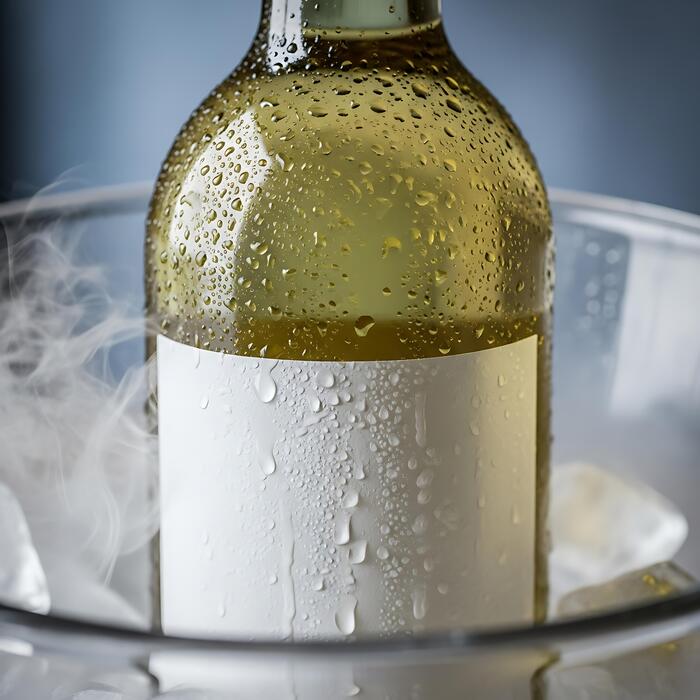
Best Temperature For White Wine Refrigerator
Finding the best temperature for white wine refrigerator is crucial for preserving its delicate flavors and aromas. The ideal range typically falls between 45-55°F (7-13°C), varying slightly by varietal. Storing white wine incorrectly—too warm or too cold—can drastically impact its quality, leading to premature aging or muted characteristics. If you’re wondering how to properly safeguard your collection and ensure every glass is perfect, you’ve landed on the ultimate guide to achieving optimal storage conditions.
Why White Wine Temperature Matters
The Impact of Temperature on Flavor
Serving white wine at its optimal temperature, typically between 45-55°F (7-13°C), is crucial for preserving and enhancing its intended flavor profile. When white wines are too warm, their alcohol notes become pronounced, often overshadowing delicate fruit and floral characteristics, leading to a flabby, unbalanced taste.
This can completely diminish the refreshing qualities and crispness that many white wines are celebrated for. Conversely, if chilled excessively, below 45°F (7°C), the cold can numb the palate and suppress the wine’s complex flavors and aromas, making it taste thin and muted, effectively masking its nuances.
A dedicated white wine refrigerator set within this ideal range ensures that each sip reveals the wine’s true character, highlighting its acidity, minerality, and fruit nuances as the winemaker intended.
This precise temperature control is vital for enjoying the full spectrum of a white wine’s inherent qualities, from crisp Sauvignon Blanc to rich Chardonnay, ensuring a consistently pleasant experience.
How Chilling Affects Aroma and Texture
Beyond flavor, temperature significantly impacts a white wine’s aroma and texture. An optimal white wine refrigerator temperature, usually around 45-50°F (7-10°C) for lighter, aromatic wines like Sauvignon Blanc or Pinot Grigio, allows their vibrant bouquets to unfold gracefully.
Too cold, and the wine’s aromatic compounds become less volatile, meaning you miss out on those delightful floral, citrus, or herbaceous notes. The wine’s texture can also be compromised; over-chilling can make even a full-bodied Chardonnay feel thin and austere, stripping away its creamy mouthfeel.
For richer, oaked Chardonnays, a slightly warmer temperature of 50-55°F (10-13°C) is often preferred to enhance their complex nutty and buttery characteristics and preserve their fuller body.
Maintaining the correct chilling temperature ensures the wine’s aromas are expressive and its texture is perceived as smooth and harmonious, reflecting its true quality and allowing its unique characteristics to shine.
Consequences of Incorrect Wine Temperatures
Ignoring the best temperature for your white wine refrigerator can lead to several undesirable consequences, detracting significantly from your tasting experience. Serving white wine too warm, above 55°F (13°C), results in a flabby, overly alcoholic profile where the subtle complexities are lost, making even high-quality wines taste ordinary.
Conversely, serving it too cold, below 45°F (7°C), completely shuts down the wine’s aromatic expression and can make it seem aggressively acidic or thin, causing you to miss the very essence of the varietal.
Beyond immediate enjoyment, storing wines long-term outside their optimal temperature range can accelerate spoilage, prematurely aging the wine and diminishing its cellar potential.
Investing in a wine refrigerator that maintains a consistent 45-55°F (7-13°C) not only ensures perfect serving conditions but also protects your investment, preserving the wine’s integrity and longevity for future enjoyment.
Recommended Temperatures for Different White Wine Styles
Crisp, Light-Bodied Whites (e.g., Sauvignon Blanc, Pinot Grigio)
For crisp, light-bodied white wines like Sauvignon Blanc, Pinot Grigio, and Albariño, the ideal serving temperature is 45-50°F (7-10°C). Storing these in your white wine refrigerator at this range ensures their vibrant acidity and refreshing fruit notes are perfectly showcased.
Too warm, and they can taste flabby; too cold, and their subtle aromas can be muted. If your wine refrigerator has zones, dedicate one to this cooler range.
For a standard refrigerator, which typically runs colder, remove the bottle about 15-20 minutes before serving to allow it to warm slightly from a 38-40°F (3-4°C) storage temperature to its optimal drinking window. This precise chilling enhances their zesty character and palate-cleansing finish, making every sip truly invigorating.
Medium-Bodied Aromatic Whites (e.g., Riesling, Gewürztraminer)
Medium-bodied aromatic whites, including Riesling, Gewürztraminer, and most Chenin Blancs, benefit from a slightly warmer serving temperature to express their complex aromatics. Aim for 48-54°F (9-12°C) in your white wine refrigerator.
This range allows their floral, spicy, or stone fruit characteristics to unfurl without being overwhelmed by excessive cold, while still maintaining a refreshing crispness. A dedicated wine fridge offers the best control for this nuanced range.
If you’re using a standard kitchen refrigerator, which is usually colder, plan to take the bottle out 20-30 minutes before serving. This gradual warming will help unlock their intricate bouquet and textured palate, providing a more satisfying and aromatic experience that highlights their unique varietal expressions.
Full-Bodied, Oaked Whites (e.g., Chardonnay, Viognier)
Full-bodied and oaked white wines such as Chardonnay (especially Burgundy or California Chardonnay) and Viognier require a warmer temperature to fully reveal their rich textures and complex flavors. The optimal range is 50-55°F (10-13°C).
Chilling these wines too much can suppress their creamy mouthfeel, nutty notes, and integrated oak characteristics, making them taste thin and astringent. Your white wine refrigerator should be set to this upper end for white wines.
If you store them in a colder general-purpose refrigerator, it’s crucial to remove them at least 30-45 minutes before serving, allowing ample time to warm up. This ensures the wine’s depth, complexity, and luscious finish are properly appreciated, offering a truly indulgent and harmonious tasting experience.
Sparkling Wines (e.g., Champagne, Prosecco)
Sparkling wines, including Champagne, Prosecco, Cava, and Cremant, are best enjoyed well-chilled to preserve their effervescence and crispness. The ideal temperature range is 42-48°F (6-9°C). This slightly colder setting in your white wine refrigerator helps maintain the delicate bubbles and vibrant acidity that define these wines.
Avoid over-chilling, as extremely low temperatures can mute the wine’s aromatic nuances. A dedicated sparkling wine zone in a multi-zone wine fridge is perfect, or a consistent setting within this range. If using a standard refrigerator, store them in the coldest section and serve immediately upon removal.
For rapid chilling, an ice bucket with a mix of ice and water works wonders, bringing a bottle to optimal temperature in about 20-30 minutes, ensuring a refreshing and lively pour.
Setting Your White Wine Refrigerator Correctly
Understanding Your Fridge’s Controls
To set your white wine refrigerator correctly, begin by familiarizing yourself with its temperature controls. Most modern wine fridges feature digital displays allowing precise adjustments, while older models might use a rotary dial. For most white wines, the optimal serving and storage temperature range is between 45-55°F (7-13°C).
Lighter, crisp white wines like Sauvignon Blanc or Pinot Grigio benefit from the cooler end of this spectrum, around 45-50°F (7-10°C), to highlight their acidity and freshness.
Richer, fuller-bodied whites such as Chardonnay or Viognier are best enjoyed slightly warmer, typically 50-55°F (10-13°C), to allow their complex aromas and textures to fully develop.
Consult your owner’s manual for specific instructions on how to operate your unit’s controls effectively, ensuring you can accurately dial in the desired temperature for your specific wine collection.
Calibrating for Accurate Temperature Readings
Even with precise digital controls, it’s crucial to verify your refrigerator’s internal temperature for optimal white wine storage. The display might not always reflect the actual temperature inside, especially after initial setup or significant changes in ambient conditions.
To calibrate, place an accurate, standalone thermometer (preferably one designed for refrigerators or freezers) inside the wine fridge. Position it in the middle shelf, away from the door and coils, and wait at least 12-24 hours for the temperature to stabilize. Compare this reading to your fridge’s display.
If there’s a discrepancy, adjust your fridge’s settings accordingly until the external thermometer consistently reads within your desired 45-55°F (7-13°C) range. This ensures your white wines are consistently stored at their ideal temperature, preventing premature aging or loss of flavor.
Factors Affecting Internal Temperature Stability
Maintaining a stable internal temperature in your white wine refrigerator goes beyond just setting the dial. Several external and internal factors can influence consistency. Frequent door openings allow warm air to enter, causing fluctuations, so try to minimize these.
The ambient room temperature where the fridge is located also plays a significant role; extreme heat will make the unit work harder and potentially struggle to maintain its set point. Ensure the fridge has adequate ventilation around its coils, as restricted airflow can lead to overheating.
Additionally, a properly loaded fridge (not over-packed or too empty) can help stabilize temperatures, as the bottles themselves act as thermal mass. Regularly check door seals for any gaps that might let cold air escape, ensuring maximum efficiency and consistent cooling for your valuable white wine collection.
The Science Behind Wine Temperature and Taste
How Cold Affects Wine Chemistry
The precise temperature at which a white wine is served significantly influences its chemical expression. When a white wine is over-chilled, typically below 45°F (7°C), the cold temperature constricts the volatile aromatic compounds, effectively ‘shutting down’ the wine’s bouquet.
This means the delicate esters, phenols, and other complex molecules responsible for its unique scents and flavors become less perceptible. The wine can taste muted, thin, or even harsh, as its inherent acidity and any residual tannins become more pronounced without the balancing presence of fruit and floral notes.
Conversely, serving white wine too warm, above 55°F (13°C), can make it appear flabby, emphasize its alcohol content, and diminish its refreshing qualities.
A dedicated white wine refrigerator aims to maintain a stable, optimal temperature range to allow these chemical components to express themselves harmoniously, ensuring a balanced and enjoyable sensory experience for the drinker.
The Role of Acidity and Sweetness at Different Temperatures
Temperature plays a crucial role in how we perceive the fundamental characteristics of white wine: its acidity and sweetness. When a wine is served too cold, its acidity becomes significantly more pronounced, often to the point of tasting sharp or austere.
This can be desirable for some very crisp, dry white wines like Muscadet or Pinot Grigio, which benefit from a chilling that highlights their mineral notes and zesty finish, typically around 45-50°F (7-10°C).
However, for a richer Chardonnay or a slightly off-dry Riesling, excessive cold will suppress their fruit and body, making them taste overly acidic and one-dimensional. Conversely, warmer temperatures tend to soften acidity and amplify the perception of sweetness and alcohol.
A very sweet dessert wine, for instance, might be served slightly warmer, around 50-55°F (10-13°C), to allow its sugary richness to shine without feeling cloying. The optimal white wine refrigerator setting, therefore, often depends on the specific style, balancing these elements to achieve harmony.
Preserving Wine’s Delicate Aromatics
The nuanced bouquet of a white wine, comprising its delicate floral, fruit, and mineral aromas, is incredibly sensitive to temperature fluctuations. These volatile aromatic compounds are the very essence of a wine’s character and complexity.
When a white wine is stored or served at an inappropriately low temperature, these precious aromatics become locked down, preventing them from volatilizing and reaching our olfactory senses. The wine then presents as largely odorless and flavorless, diminishing the entire tasting experience.
Conversely, excessive warmth can cause these delicate compounds to dissipate too quickly or even alter their chemical structure, leading to a dull or cooked aroma profile.
A dedicated wine refrigerator provides the stable and consistent environment—typically between 48-52°F (9-11°C) for most quality whites—that allows these aromatics to gradually unfold as the wine slightly warms in the glass.
This controlled approach ensures that every sip reveals the full spectrum of scents and flavors the winemaker intended, preserving the wine’s integrity and enhancing appreciation.
Common Mistakes When Chilling White Wine
Over-Chilling: Losing Flavor and Aroma
A common mistake is chilling white wine too aggressively, often in a standard refrigerator set far too cold. While a crisp, refreshing chill is desirable, over-chilling mutes the delicate aromas and flavors, causing the wine to taste bland, overly acidic, or simply unexpressive.
You lose the nuance that makes white wines so enjoyable. For most light-bodied whites like Sauvignon Blanc or Pinot Grigio, the ideal serving temperature is 45-50°F (7-10°C).
Fuller-bodied whites, such as oaked Chardonnay or Viognier, benefit from a slightly warmer 50-55°F (10-13°C) to allow their complexity and texture to truly shine. Always aim for the specific varietal’s sweet spot to unlock its full potential.
Under-Chilling: Highlighting Alcohol and Bitterness
Conversely, serving white wine that is not adequately chilled is another frequent error. When a white wine is too warm, its refreshing qualities diminish significantly. Instead, the heat can exaggerate the perception of alcohol, making the wine taste hot or flabby, and can also accentuate any inherent bitterness or harshness.
This is particularly true for wines with higher alcohol content or pronounced acidity. To avoid this, ensure your wine reaches the recommended 45-55°F (7-13°C) range before pouring.
If you’re in a hurry, an ice bucket filled with half ice and half water will chill a bottle much faster than just ice, typically in 15-20 minutes, allowing the wine’s true character to emerge.
Using a Regular Fridge for Long-Term Storage
While a standard kitchen refrigerator is perfectly fine for chilling a bottle before serving, it is not suitable for long-term white wine storage (more than a few weeks).
These fridges are typically set too cold, often below 40°F (4°C), which can dry out natural corks over time, leading to premature oxidation and spoilage. Furthermore, kitchen refrigerators are prone to vibrations from the compressor and lack the necessary humidity control, both of which are detrimental to wine quality.
For any white wine you plan to keep for an extended period, investing in a dedicated wine refrigerator or cooler is crucial for maintaining a stable temperature, ideally 50-55°F (10-13°C), and proper humidity.
Frequent Temperature Fluctuations
One of the most damaging conditions for any wine, white or red, is exposure to frequent and significant temperature fluctuations. Storing wine in environments where temperatures swing wildly, such as near a window, oven, or in an uninsulated garage, causes the wine to repeatedly expand and contract.
This process can push the cork in and out, allowing small amounts of oxygen to seep into the bottle. This accelerated oxidation can rapidly age and spoil the wine, stripping it of its freshness, fruit, and vibrancy. A stable storage environment is paramount.
A dedicated wine refrigerator provides this consistency, maintaining your white wines at a steady, cool temperature, ideally 50-55°F (10-13°C), which is crucial for their long-term preservation and enjoyment.
Serving White Wine at Its Best
Bringing Wine to Perfect Serving Temperature
For white wines, the optimal serving temperature significantly enhances their flavor and aroma profile. While a standard refrigerator typically chills to around 2-4°C (35-40°F), most white wines benefit from being served slightly warmer.
Crisp, light-bodied whites like Sauvignon Blanc or Pinot Grigio are best at 7-10°C (45-50°F), allowing their vibrant acidity and fruit notes to shine without being dulled by excessive cold. Fuller-bodied white wines, such as oaked Chardonnay or Viognier, reveal their complex textures and nutty undertones more effectively at 10-13°C (50-55°F).
A dedicated wine cooler or wine refrigerator is ideal for maintaining these precise temperatures, offering a more controlled environment than a general-purpose fridge.
If using a regular refrigerator, remove the bottle 15-30 minutes before serving to allow it to warm up slightly to its ideal range, preventing it from being unpleasantly cold.
Using a Wine Thermometer for Precision
Achieving the perfect serving temperature for your white wine is greatly simplified with a wine thermometer. Relying solely on touch or intuition can often lead to serving wine either too cold, masking its delicate nuances, or too warm, making it feel flabby.
A digital thermometer with an instant-read feature, or a simple probe thermometer that can be inserted into the bottle (or into a small taste sample), provides accurate measurement. This precision ensures you consistently present your wine at its best. Some thermometers can even wrap around the bottle without opening it.
Utilizing this tool is a small but impactful step towards becoming a more discerning wine enthusiast, guaranteeing that each glass offers the intended sensory experience and consistent quality.
Tips for Maintaining Temperature During Serving
Once your white wine has reached its optimal serving temperature, keeping it there throughout the consumption period is crucial. An ice bucket filled with a mixture of ice and water is a classic and effective method, providing a controlled environment that prevents rapid warming.
Alternatively, a pre-chilled chilling sleeve slipped over the bottle offers a less messy solution, ideal for al fresco dining. For wines served over an extended period, an insulated carafe or decanter can also help maintain a stable temperature.
Avoid placing bottles directly on ice for prolonged periods, as this can over-chill the wine. The goal is a slow warming process, ensuring the wine’s character evolves gracefully in the glass, rather than experiencing drastic temperature shifts.
The Importance of Appropriate Glassware
The choice of glassware plays a surprisingly significant role in serving white wine at its best, directly influencing both temperature retention and aroma concentration. A proper stemmed glass allows you to hold the wine without transferring heat from your hand to the bowl, thus preserving its chill.
The glass shape itself is critical; narrower bowls with a slightly smaller opening are ideal for crisp whites, directing their delicate aromas to the nose. For fuller-bodied whites, a wider bowl can help aerate the wine and allow more complex aromas to develop.
Always opt for glasses with a thin rim for a more refined tasting experience. Correct glassware ensures the wine’s temperature is maintained longer and its aromatic profile is optimally presented, enhancing every sip.
Long-Term Storage vs. Short-Term Serving Temperatures
Optimal Conditions for Aging White Wines
For long-term storage of white wines intended for aging, the ideal temperature in a dedicated wine refrigerator is consistently between 50-55°F (10-13°C).
This specific range is crucial because it significantly slows down the chemical reactions that lead to premature aging, allowing the wine’s complex flavors and aromas to develop gracefully over time. A stable temperature is paramount; fluctuations are more damaging than a slightly higher but consistent temperature.
Beyond temperature, a good wine refrigerator also maintains appropriate humidity levels (around 60-75%) to prevent corks from drying out and allowing air ingress, which can spoil the wine. Furthermore, look for features that ensure darkness to protect against UV light degradation and vibration-free operation to keep sediment undisturbed.
Investing in a quality wine refrigerator for aging purposes ensures your valuable white wines reach their peak potential, preserving their intended character and structure for years.
Quick Chilling Methods for Immediate Enjoyment
When preparing white wine for immediate serving, the desired temperature range shifts significantly from long-term storage, focusing on enhancing its specific characteristics. Lighter, aromatic whites like Sauvignon Blanc or Pinot Grigio are best enjoyed at 45-50°F (7-10°C), which accentuates their crisp acidity and vibrant fruit notes.
Fuller-bodied whites, such as Oaked Chardonnay or Viognier, benefit from a slightly warmer 50-55°F (10-13°C), allowing their richer textures and complex flavors to emerge without being dulled by excessive cold.
For rapid chilling, an ice bucket filled with equal parts ice and water is highly effective, chilling a bottle in about 15-20 minutes. Alternatively, placing the bottle in the freezer for 20-30 minutes, with a timer set, can work in a pinch, but never longer to avoid freezing.
Avoid over-chilling, as it can mask subtle nuances and aromas.
Adjusting Temperatures for Different Occasions
Successfully navigating the world of white wine temperatures involves understanding how to transition your bottles from storage to optimal serving conditions and adapting to the occasion.
While your wine refrigerator maintains an ideal long-term storage temperature, consider moving bottles to a regular refrigerator for 2-3 hours before serving to reach desired chilling. For very particular preferences or warmer environments, an insulated wine cooler or sleeve can help maintain the perfect temperature at the table.
Observe the wine as you drink; if it seems muted, let it warm slightly, or if it feels flabby, chill it further. The type of white wine dictates the ideal range, but ultimately, personal preference plays a significant role.
Don’t be afraid to experiment to find your sweet spot, ensuring every sip is as enjoyable as intended, whether it’s a casual evening or a formal dinner.
Frequently Asked Questions
What is the ideal serving temperature for most white wines?
Most white wines are best served chilled, typically between 45°F and 52°F (7°C and 11°C). This temperature range allows the wine’s delicate aromas and refreshing acidity to shine without being masked by excessive cold. Lighter, fruitier whites tend to prefer the lower end, while fuller-bodied whites benefit from slightly warmer temperatures.
What temperature should I set my wine refrigerator for long-term white wine storage?
For long-term storage of white wines, a consistent temperature of around 50°F to 55°F (10°C to 13°C) is ideal. This stable environment helps prevent premature aging and preserves the wine’s quality, even if it’s slightly warmer than serving temperature. A dedicated wine refrigerator provides the necessary stability to protect your collection.
Why is the specific temperature important for white wine’s flavor?
Temperature significantly impacts how a white wine’s flavors and aromas are perceived. When served too cold, the wine’s nuances can be dulled, making it taste austere and flavorless. Conversely, if served too warm, the alcohol can become dominant, and the wine might seem flabby or lose its crispness.
Do different types of white wine require different serving temperatures?
Yes, indeed. Lighter, crisp white wines like Sauvignon Blanc or Pinot Grigio are best at the cooler end, around 45°F-48°F (7°C-9°C). Fuller-bodied, oaked whites such as Chardonnay often benefit from being served a bit warmer, typically 50°F-54°F (10°C-12°C), to allow their complex textures and flavors to emerge.
What are the consequences of serving white wine too cold or too warm?
Serving white wine too cold can mute its delicate aromas and flavors, making it taste bland or overly acidic. If served too warm, the wine’s freshness can be lost, and the alcohol might become more pronounced, resulting in a less enjoyable, flabby experience. Proper temperature ensures the wine expresses its intended characteristics.
Can I store both red and white wines in the same wine refrigerator?
Yes, if your wine refrigerator has dual temperature zones, you can store both red and white wines simultaneously. Set the white wine zone to approximately 45°F-55°F (7°C-13°C) and the red wine zone to 55°F-65°F (13°C-18°C). If it’s a single-zone unit, a compromise temperature around 55°F (13°C) is often recommended for long-term storage of both, then chill whites further before serving.
How quickly does white wine chill to its optimal serving temperature?
The chilling time depends on the wine’s starting temperature and the method used. In a standard refrigerator, a bottle of white wine can take 2-3 hours to reach optimal serving temperature. In an ice bucket with water and ice, it can chill much faster, often within 20-30 minutes.
Conclusion
Achieving the perfect white wine temperature enhances every sip. Remember, while 45-55°F is ideal for storage, serving temperatures vary: 40-45°F for sparkling/sweet, 45-50°F for light-bodied, and 50-55°F for full-bodied whites. Utilize your refrigerator’s settings to fine-tune. Experiment with these guidelines to discover your ideal pour, ensuring each bottle delivers its intended delight. Cheers to perfectly chilled wine!