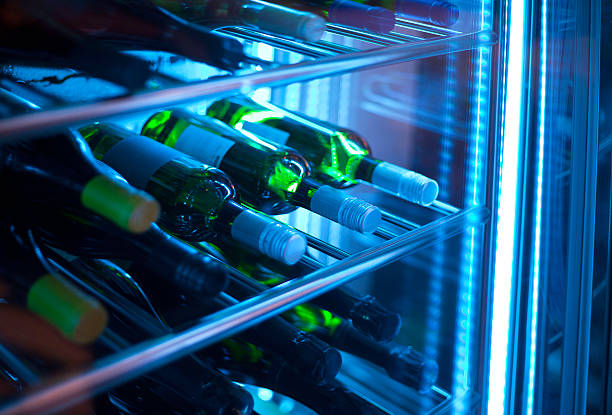
Best Temp For Wine Cooler
Finding the best temp for wine cooler is crucial for preserving your collection, and it’s not a one-size-fits-all answer. Different wines, from robust reds to crisp whites and delicate sparkling varieties, demand specific conditions to mature gracefully or stay ready for immediate enjoyment. If you’re wondering how to optimize your wine storage for peak flavor and longevity, you’ve come to the right place. We’ll guide you through the ideal temperature ranges, ensuring every bottle reaches its full potential.
The Ideal Temperature for Wine Storage
Why Consistent Temperature is Key for Wine Preservation
Maintaining a consistent temperature is paramount for preserving the integrity and longevity of wine. Even minor deviations can accelerate unwanted chemical reactions within the bottle, leading to premature aging or even spoilage.
A stable environment prevents the wine from suffering thermal shock, which can negatively impact its delicate structure and flavor profile. Inconsistent temperatures can lead to the wine expanding and contracting, potentially pushing the cork out or, more commonly, allowing tiny amounts of air to seep in.
This air exposure causes oxidation, turning the wine flat, vinegary, and ultimately ruining its intended characteristics. Stability ensures the wine ages gracefully, developing complex aromas and flavors rather than degrading.
The Universal Cellar Temperature: 55°F (13°C)
The universally accepted ideal temperature for long-term wine storage, often referred to as ‘cellar temperature,’ is 55°F (13°C). This specific temperature range is cool enough to slow down the aging process significantly, allowing the wine to develop its full potential over years or decades without stagnating.
At 55°F, wines can achieve optimal development, enhancing their complexity, bouquet, and mouthfeel.
While some argue that a range between 50°F (10°C) and 57°F (14°C) is acceptable, 55°F is the sweet spot that ensures the wine’s delicate balance of fruit, acidity, and tannins remains intact, preventing rapid maturation or the development of unpleasant characteristics.
How Temperature Fluctuations Harm Wine Quality
Sudden or frequent temperature fluctuations are highly detrimental to wine quality, often causing more damage than a consistently slightly warmer (but stable) environment. When temperatures rise and fall, the wine inside the bottle expands and contracts.
This movement can force the cork to expand and contract as well, breaking the seal and allowing air to penetrate the bottle. This ingress of oxygen leads directly to oxidative damage, manifesting as flat, nutty, or sherry-like flavors that were not intended.
Furthermore, extreme heat spikes can literally ‘cook’ the wine, resulting in stewed or jammy flavors and a loss of freshness, essentially destroying its nuanced characteristics and rendering it undrinkable.
Long-Term vs. Short-Term Wine Storage Needs
While the ideal 55°F (13°C) cellar conditions are crucial for wines intended for long-term aging, different considerations apply to bottles meant for short-term consumption.
For wines you plan to drink within a few months, a dedicated wine cooler set to cellar temperature is still beneficial, but less critical than for investment bottles. Everyday wines can tolerate slightly warmer, stable conditions (e.g., 60-65°F or 15-18°C) without significant harm over a few weeks or months.
However, for immediate serving, wines are best stored at their optimal serving temperature (e.g., reds at 60-65°F, whites at 45-50°F). Dual-zone wine coolers are excellent for accommodating both long-term storage and short-term serving preparation.
Specific Temperature Guidelines for Wine Types
Best Storage Temperatures for Red Wines
For red wines, maintaining a consistent temperature in your wine cooler is crucial for preserving their character and ensuring graceful aging. The ideal storage temperature for most red wines is around 55°F (13°C).
This temperature range is cool enough to slow down the aging process, allowing complex flavors and aromas to develop over time, but not so cold that it causes the cork to dry out or the wine to contract excessively.
Fluctuations in temperature are more damaging than a slightly off but stable temperature. Avoid storing reds above 65°F (18°C), as this can accelerate aging, leading to “cooked” flavors and a loss of vibrancy.
A dedicated wine cooler set to this precise temperature ensures your red wines are always in optimal condition, ready to be enjoyed when mature.
Optimal Storage Temperatures for White and Rosé Wines
White and rosé wines generally benefit from cooler storage temperatures than their red counterparts to maintain their crisp acidity, delicate aromatics, and fresh fruit characteristics. The optimal storage temperature for most white and rosé wines falls between 45-50°F (7-10°C).
Storing them within this range prevents premature oxidation and helps preserve their vibrant profiles. While they can be served colder, this temperature is ideal for long-term preservation, ensuring that when you’re ready to chill them further for serving, their intrinsic qualities are intact.
Avoid temperatures below 40°F (4°C) for extended periods, as this can mute their subtle flavors and aromas. A dual-zone wine cooler is excellent for accommodating both white and red wine storage needs simultaneously.
Storing Sparkling Wines and Champagne Properly
Sparkling wines and Champagne require specific storage conditions to preserve their effervescence and delicate flavor profiles. The best temperature for storing sparkling wines is typically between 40-45°F (4-7°C).
This cooler range is critical because it helps to maintain the dissolved carbon dioxide responsible for the bubbles, preventing it from escaping prematurely. It also ensures the cork remains moist and pliable, forming a tight seal against the bottle’s neck.
Consistent temperature is paramount; extreme fluctuations can cause the cork to expand and contract, leading to leakage or oxidation. While they are often served colder, this storage temperature is perfect for long-term cellaring, ensuring that when you pop the cork, the wine is bright, bubbly, and delicious.
Special Considerations for Dessert and Fortified Wines
Dessert and fortified wines, such as Port, Sherry, Sauternes, and Ice Wine, often have higher alcohol content or sugar levels, which can influence their ideal storage temperatures. For many robust fortified wines like Port, a temperature similar to red wines, around 55°F (13°C), is often suitable for long-term storage.
This allows their complex flavors to develop without excessive aging. Lighter dessert wines, however, might benefit from slightly cooler temperatures, closer to the white wine range, around 50°F (10°C), to preserve their freshness.
Consistency and protection from light are key for all these styles, preventing oxidation and maintaining their unique characteristics. A stable wine cooler environment is essential to ensure these special bottles mature beautifully.
Serving Temperatures vs. Storage Temperatures
Why Serving Temperature Greatly Impacts Wine Flavor
Serving wine at its optimal temperature is crucial for unlocking its full aromatic potential and ensuring a balanced tasting experience. When wine is too warm, the alcohol becomes more volatile, leading to an overpowering, “hot” sensation that can mask delicate fruit and floral notes.
This also amplifies perceived sweetness and can make the wine feel flabby or less structured. Conversely, if wine is served too cold, its aromas become muted, and its flavors can appear austere or excessively tannic, particularly for red wines.
The cold constricts the palate, hindering the full expression of the wine’s complexity. A wine cooler, therefore, is essential not just for long-term storage but also for bringing bottles to their perfect serving temperature, allowing the wine’s inherent characteristics, such as fruit, acidity, and tannins, to shine in harmony.
This attention to detail significantly elevates the enjoyment of every glass.
Recommended Serving Temperatures for Red Wines
Dispelling the myth of “room temperature” is critical for enjoying red wines at their best, as most modern homes are warmer than ideal. For lighter-bodied red wines like Pinot Noir, Beaujolais, or certain Grenaches, a serving temperature between 55-60°F (13-16°C) is recommended.
This slight chill enhances their vibrant fruit flavors and delicate aromas, preventing them from appearing jammy or overly alcoholic. Medium to full-bodied red wines, such as Cabernet Sauvignon, Merlot, Syrah, or Zinfandel, generally benefit from being served a bit warmer, typically between 60-65°F (16-18°C).
This range allows their complex structure, tannins, and deeper fruit notes to fully integrate and express themselves without becoming stewed or overly alcoholic. A wine cooler with adjustable zones can be ideal for ensuring different red varietals are ready at their respective optimal points, making for a truly enjoyable experience.
Ideal Serving Temperatures for White, Rosé, and Sparkling Wines
For white, rosé, and sparkling wines, serving at the correct cool temperature is paramount to preserving their refreshing qualities and expressive aromatics. Sparkling wines, including Champagne and Prosecco, are best served well-chilled, typically between 45-50°F (7-10°C).
This temperature range helps maintain their effervescence, accentuates their crisp acidity, and highlights delicate floral and citrus notes. Serving them too warm can make them seem flat and dull.
Similarly, lighter, crisp white wines like Sauvignon Blanc, Pinot Grigio, and dry Rieslings shine when served between 48-52°F (9-11°C), emphasizing their vibrant acidity and fresh fruit characteristics. Fuller-bodied white wines, such as oaked Chardonnay or Viognier, benefit from being slightly less chilled, around 50-55°F (10-13°C).
This allows their richer textures and more complex, nutty or creamy notes to emerge without being dulled by excessive cold. Rosé wines generally fall into the lighter white wine category, ideally served around 48-52°F (9-11°C), for maximum refreshment. A dedicated wine cooler is invaluable for consistently achieving these precise temperatures.
Choosing the Right Wine Cooler for Temperature Control
Single Zone vs. Dual Zone Wine Coolers Explained
Choosing between single and dual-zone wine coolers directly impacts your ability to maintain the “best temp” for your collection.
A single-zone cooler provides one consistent temperature throughout, typically ideal for long-term aging of a uniform collection, often set around 55°F (13°C), which is widely considered optimal for most red and white wines during storage. This option offers simplicity and is often more cost-effective.
However, if you plan to store different wine types that require varying serving temperatures—for example, reds at 60-65°F and whites/sparkling at 45-50°F—a dual-zone cooler is indispensable. It features two distinct compartments, each with independent temperature controls, allowing you to simultaneously maintain optimal storage and serving temperatures for diverse varietals.
This versatility ensures every bottle is ready to be enjoyed at its peak, directly addressing the need for varied “best temps” within a single unit.
Thermoelectric vs. Compressor-Based Cooling Systems
The type of cooling system in your wine cooler significantly affects its ability to maintain the “best temp” reliably. Thermoelectric coolers operate using the Peltier effect, offering vibration-free operation, which is crucial for wine aging as vibrations can disturb sediment and accelerate chemical reactions.
They are also quieter and more energy-efficient for smaller units. However, their cooling power is limited, making them less effective in warmer ambient environments and offering less precise temperature stability under fluctuating external conditions.
In contrast, compressor-based coolers function like standard refrigerators, providing powerful and consistent cooling regardless of room temperature. They offer superior temperature control and stability, making them ideal for larger collections or challenging environments.
While they may generate slight vibrations and more noise, modern designs minimize these issues, ensuring your wine is consistently held at its “best temp” with greater accuracy and dependability.
Key Features to Look for in a Temperature-Stable Cooler
To ensure your wine cooler consistently maintains the “best temp,” several key features are paramount. Look for precise digital controls that allow you to set exact temperatures and monitor them effortlessly, often with LED displays.
Excellent insulation is critical to prevent external temperature fluctuations from affecting the internal environment, helping to maintain desired stability. A high-quality cooler will also feature UV-protected, double-pane glass doors to shield wines from harmful light, which can degrade quality even at the correct temperature.
Furthermore, an anti-vibration system is essential to protect delicate wines from movement that can prematurely age them.
Lastly, consider models with humidity control capabilities to prevent corks from drying out, and ideally, an audible alarm system that alerts you to significant temperature deviations, safeguarding your investment by ensuring constant optimal conditions.
Factors Beyond Temperature for Wine Preservation
Managing Humidity Levels Inside Your Wine Cooler
Maintaining optimal humidity levels is crucial for long-term wine preservation, preventing cork drying and subsequent oxidation. While wine coolers primarily control temperature, a relative humidity between 50% and 70% is ideal to keep natural corks supple and tightly sealed, minimizing the risk of air ingress.
Insufficient humidity can cause corks to shrink, leading to premature aging and spoilage, while excessively high humidity might promote mold growth on labels or corks.
Many high-quality wine coolers feature built-in humidity control systems; for others, regularly monitoring with a hygrometer and adding a small dish of water or a humidity pack can help maintain the perfect environment.
Ensure your cooler is not placed in an overly dry or damp area to assist in natural regulation.
Protecting Wine from Light and UV Rays
Beyond temperature, shielding your wine from light exposure, especially UV rays, is paramount for its longevity and quality. Light, particularly ultraviolet and fluorescent light, can trigger chemical reactions within the wine, leading to light strike – a fault that imparts unpleasant flavors and aromas.
This damage can occur even through tinted glass. Opt for wine coolers with solid doors or UV-filtered, double-paned glass to provide maximum protection. Position your cooler away from windows or direct sunlight and avoid storing wine in rooms with bright, unfiltered artificial lighting for extended periods.
Darker bottles offer some inherent protection, but a dedicated cooler remains the best defense against light-induced spoilage.
Vibration Control: Keeping Wine Still for Aging
Minimizing vibration is another critical, often overlooked, factor in preserving and aging wine gracefully. Constant vibrations, even subtle ones, can disrupt the sediment in older wines and accelerate undesirable chemical reactions, negatively impacting the wine’s delicate structure and flavor profile. This can lead to a fatigued or ‘muddled’ taste.
High-quality wine coolers are designed with anti-vibration technology, often utilizing isolated compressors or thermoelectric cooling (which has no moving parts) to keep bottles perfectly still.
Avoid placing your wine cooler near noisy appliances like washing machines, stereos, or high-traffic areas, as external vibrations can be just as detrimental as internal ones. Stable placement ensures your wine ages undisturbed.
Proper Bottle Positioning for Cork Health
The way you store your wine bottles significantly impacts the health of the cork, which is vital for preventing oxidation. For wines sealed with traditional natural corks, it is essential to store them horizontally or at a slight downward angle.
This ensures the wine remains in constant contact with the cork, keeping it moist and expanded, maintaining a tight seal against air. If a cork dries out, it can shrink, allowing oxygen to seep into the bottle and prematurely age or spoil the wine.
While screw caps and synthetic corks do not require horizontal storage, always check the seal. For long-term storage, prioritize horizontal placement for any bottle with a natural cork to preserve its integrity.
Common Wine Cooler Temperature Problems and Solutions
Why Your Wine Cooler Isn’t Holding Temperature
A common reason your wine cooler struggles to maintain its set temperature, ideally around 55°F (13°C) for long-term storage, is often related to basic operational factors.
First, inspect the door seal for any cracks or gaps; a compromised seal allows warm air to seep in, forcing the compressor to work harder. Secondly, ensure proper ventilation around the unit; condenser coils need adequate airflow to dissipate heat efficiently.
Overloading the cooler can also restrict internal air circulation, preventing even temperature distribution. Finally, dirty condenser coils significantly reduce cooling efficiency. Regular cleaning of these coils and ensuring the cooler isn’t placed in an area with extreme ambient temperatures will greatly improve its ability to hold a consistent temperature.
Dealing with Frost Buildup and Excess Moisture
Excessive frost or moisture inside your wine cooler indicates a problem that impacts its ability to maintain a steady 55°F (13°C). Frequent door openings introduce warm, humid air, leading to condensation and eventually frost.
A damaged or improperly sealed door gasket is another primary culprit, allowing external humidity to enter continuously. To resolve this, check your door seal thoroughly for any tears or gaps and replace it if necessary.
If frost is already significant, manually defrost the unit by unplugging it and leaving the door ajar until all ice melts, then clean the interior. Also, ensure the drainage hole is clear to prevent water pooling, which contributes to moisture issues. Minimizing door openings helps maintain stable conditions.
When to Adjust Your Cooler’s Settings
Adjusting your wine cooler’s temperature settings should be done strategically, not as a quick fix for performance issues. The ideal long-term storage temperature for most wines is 55°F (13°C).
You might adjust settings if you have a multi-zone cooler and wish to keep whites at a cooler 45-50°F (7-10°C) and reds at 60-65°F (15-18°C) for serving. Always make incremental adjustments, 1-2 degrees at a time, and allow the unit several hours to stabilize before making further changes.
Avoid frequent or drastic temperature shifts, as these can stress the cooling system and are detrimental to wine quality. Only adjust if your storage or serving needs genuinely change.
Troubleshooting Temperature Sensor Issues
A faulty temperature sensor can lead to wildly inaccurate readings or prevent your wine cooler from maintaining its desired 55°F (13°C). Symptoms include the compressor running constantly without achieving the set temperature, or conversely, not running at all despite high internal temperatures.
First, ensure the sensor isn’t obstructed by bottles or debris. Sometimes, a simple reset by unplugging the unit for a few minutes can resolve minor glitches. If the problem persists, the sensor itself might be defective.
This often requires professional diagnosis and replacement, as sensors are critical components and improper handling can cause further damage. Avoid attempting complex electrical repairs yourself, as it could void warranties or be unsafe.
Tips for Maintaining Your Wine Cooler’s Performance
Regular Cleaning for Optimal Function and Airflow
Maintaining your wine cooler’s internal temperature, ideally 50-59°F (10-15°C) for long-term storage, heavily relies on regular cleaning. Dust and debris accumulation on condenser coils, typically located at the back or bottom, force the compressor to work harder, consuming more energy and struggling to reach or hold the set temperature.
Annually, vacuum these coils gently to ensure efficient heat dissipation. Furthermore, clean interior surfaces with a mild, unscented cleaner to prevent mold and odors, which can affect wine quality. Ensure airflow vents inside and outside the unit are unobstructed.
This diligence directly supports the cooler’s ability to provide a stable, consistent temperature environment, crucial for preserving your wine collection and preventing premature aging or spoilage caused by temperature fluctuations.
Checking Door Seals for Air Leaks and Efficiency
The integrity of your wine cooler’s door seals is critical for maintaining its efficiency and, most importantly, a stable internal temperature. Leaky seals allow warm air to infiltrate the cooler, forcing the compressor to run more frequently and consume excess energy to counteract the temperature rise.
Regularly inspect the rubber gaskets around the door for cracks, tears, or hardening. A simple test involves closing the door on a piece of paper; if you can easily pull it out, the seal might be compromised.
Clean seals with warm soapy water to remove grime that can reduce their effectiveness. Replacing worn or damaged seals is a cost-effective way to prevent temperature fluctuations, ensuring your wine is consistently kept at its optimal storage or serving temperature without overworking the appliance.
Placement Tips for Efficient Cooling and Longevity
Optimal placement significantly impacts your wine cooler’s ability to maintain its ideal internal temperature, which for most wines is 50-59°F (10-15°C) for storage, or specific serving temperatures. Always position the cooler in a cool, dry, and well-ventilated location, away from direct sunlight, heating vents, ovens, or other heat-generating appliances.
Ensure adequate clearance around the sides and back—typically 2-5 inches—to allow for proper heat dissipation from the condenser coils. Placing the unit on a level surface is also crucial for the compressor to operate efficiently and quietly.
Improper placement forces the cooling system to work harder, leading to temperature instability, increased energy consumption, and a shortened lifespan for the appliance. Thoughtful positioning is fundamental for consistent temperature control.
When to Consider Professional Servicing for Your Cooler
While regular maintenance can prevent many issues, certain problems warrant professional attention to ensure your wine cooler continues to provide the best temperature for your wine.
If your unit consistently struggles to maintain its set temperature despite cleaning and seal checks, or if you observe significant temperature swings (e.g., more than 5°F), it could indicate a failing thermostat, compressor, or refrigerant leak.
Other warning signs include unusual noises (grinding, loud humming), excessive frost buildup not resolved by defrosting, or the unit running constantly. These issues directly compromise the cooler’s ability to preserve your wine at its optimal conditions.
Prompt professional servicing can diagnose and rectify complex mechanical or electrical faults, preventing further damage and protecting your valuable collection from temperature-related spoilage.
Frequently Asked Questions
What is the best overall temperature for long-term wine storage in a cooler?
For optimal long-term storage of all wine types, a stable temperature range of 53-57°F (12-14°C) is ideal. This consistent cool environment allows wine to age gracefully and protects its quality over time without being too cold or too warm.
Should red wines and white wines be stored at different temperatures in a cooler?
For long-term storage, both red and white wines benefit from the same stable temperature of 53-57°F (12-14°C). If using a dual-zone cooler, you might designate one zone for long-term storage and the other for bringing specific wines to their ideal serving temperature.
What is the optimal serving temperature for red wine from a cooler?
Most red wines are best served slightly cooler than typical room temperature, ideally between 60-65°F (15-18°C). Serving reds too warm can make them taste flabby or overly alcoholic, while too cold can mute their complex aromas and flavors.
What is the optimal serving temperature for white and rosé wine from a cooler?
White and rosé wines are generally best served chilled, with an ideal range of 45-50°F (7-10°C). This temperature helps to highlight their crisp acidity and delicate fruit flavors, making them refreshing without being overly cold.
What is the ideal serving temperature for sparkling wine and champagne?
Sparkling wines and champagne should be served very well chilled, typically between 40-45°F (4-7°C). This low temperature preserves their effervescence and enhances their crisp, refreshing qualities, which are essential to their enjoyment.
How does temperature stability impact wine in a cooler?
Temperature stability is crucial for wine preservation; frequent fluctuations can prematurely age wine or cause the cork to expand and contract, leading to oxidation. A good wine cooler maintains a consistent temperature, protecting the wine from these damaging changes.
What happens if wine is stored too warm or too cold in a cooler?
Storing wine too warm can ‘cook’ it, resulting in dull, stewed flavors and accelerated spoilage. Conversely, storing it too cold can cause the wine to expand, potentially pushing out the cork or cracking the bottle, and damaging its delicate structure and flavor profile.
Conclusion
Achieving the perfect wine cooler temperature is crucial for preserving quality and enhancing enjoyment. Remember, around 55°F (13°C) is ideal for long-term storage, while specific serving temperatures elevate reds, whites, and sparkling wines. Fine-tuning your cooler ensures each bottle reaches its peak potential. Embrace these guidelines to savor every pour and make the most of your cherished wine collection. Cheers to perfectly chilled wine!