Comparison: Best Chopping Board Japanese (Updated | Jul 29th)
When it comes to kitchen essentials, a great chopping board can make all the difference—and Japanese craftsmanship has long set the gold standard. From sleek, minimalist designs to ultra-durable materials like hinoki and end-grain wood, Japanese chopping boards blend beauty, function, and tradition. But with so many options out there, how do you choose the best one for your kitchen? We’ve tested and compared top picks to help you find the perfect balance of performance, longevity, and style—because every home chef deserves a board they can truly rely on.
- Best for large hinoki surface: Shun Cutlery Large Hinoki Cutting Board
- Best for extra‑large juice groove: Shun Cutlery Extra Large Hinoki Cutting Board
- Best for medium hinoki classic: YAMASAN KYOTO UJI Japanese Hinoki Cutting Board – Medium- Natural Cypress Wood Cutting Board
- Best for compact hinoki choice: YAMASAN KYOTO UJI Japanese Hinoki Cutting Board – Small – Natural Cypress Wood Cutting Board
- Best for edge‑preserving plastic: Yoshihiro Hi Soft High Performance Professional Grade Cutting Board Japanese Sashimi Chef’s Tool Made in Japan (Large)
- Best for petite hinoki board: Shun Cutlery Small Hinoki Cutting Board
- Best for durable rubber surface: Asahi Cookin Cut Rubber Cutting Board
- Best for reversible hinoki gift: Hinoki Cypress Reversible Wood Cutting Board
- Best for titanium knife‑friendly: HIBINO Titanium Cutting Board | 99.5% Pure Japanese Titanium | Non-Toxic | Lightweight & Dishwasher Safe | S Size | Made in Japan | With Non-Slip Mat | For Kitchen & Camping Use
- Best for lightweight hinoki large: Hinoki Japanese Cypress Wood Cutting Board
Product Comparison: Best Chopping Board Japanese
Shun Cutlery Large Hinoki Cutting Board, 17.75″ x 11.75″ Large Wooden Japanese Chopping Board for Kitchen, Medium-Soft Wood Preserves Knife Edges, Forest Stewardship Council Certified

The Shun Cutlery Large Hinoki Cutting Board is a classic choice for anyone who has invested in high-end Japanese steel. What really makes this board stand out is the medium-soft wood density. Hinoki is legendary for having a “give” that feels almost like a cushion under the blade, which is exactly what you want to prevent your expensive edges from rolling or chipping during prep. It also smells incredible—that signature cypress fragrance is a nice sensory bonus when you’re working in the kitchen.
I’d recommend this specific 17.75-inch size for the serious home cook who needs enough real estate to chop a pile of vegetables without constantly clearing the board. It’s also handsome enough to double as a charcuterie or serving board for guests. The FSC certification is a great touch for those who care about sustainable sourcing.
The trade-off here is the maintenance. Hinoki is a soft wood, meaning it can scar and stain more easily than hard maple or plastic. You absolutely have to wet it before use to create a moisture barrier, and if you aren’t diligent about hand-washing and air-drying it properly, it can warp or develop spots. It’s a high-performance tool that requires high-performance care.
Shun Cutlery Extra Large Hinoki Cutting Board, 20″ x 14″ XL Wooden Japanese Chopping Board for Kitchen, Medium-Soft Wood Preserves Knife Edges, Forest Stewardship Council Certified

If you find yourself constantly frustrated by ingredients rolling off the edges of your workspace, the Shun Cutlery Extra Large Hinoki Cutting Board is the answer. At 20 by 14 inches, this is a massive slab of Japanese cypress that offers a professional-grade workspace. What sets this version apart from its smaller siblings is the integrated juice groove. While many traditional Japanese boards are flat, this addition makes it much more practical for the Western kitchen where you might be slicing juicy fruits or rested meats.
This is the definitive choice for the “big batch” cook or anyone who frequently uses a long 10-inch chef’s knife or a sujihiki slicer. You need the extra width to facilitate those long, sweeping strokes. Because it is double-sided, you can flip it over to avoid cross-contamination during a long prep session.
However, the sheer size is its own hurdle. You need to make sure your sink is actually big enough to wash this thing comfortably. Because Hinoki is susceptible to warping if it doesn’t dry evenly, trying to maneuver an XL board in a cramped double-sink can be a real headache. It’s a commitment in terms of both counter space and cleaning effort.
YAMASAN KYOTO UJI Japanese Hinoki Cutting Board – Medium- Natural Cypress Wood Cutting Board, Kitchen Chopping Board, High Durability, Made in Japan (15.35×8.66×0.59 inch) (Medium)

The YAMASAN KYOTO UJI Japanese Hinoki Cutting Board in the medium size offers a very authentic, “no-frills” experience of Japanese craftsmanship. It stands out because of its Made in Japan pedigree and the use of pure cypress wood that provides that essential protection for delicate knife edges. It’s a thinner board at about 0.59 inches, which makes it remarkably lightweight and easy to pull out of a cabinet for quick tasks.
This is a great entry point for someone who wants a traditional Hinoki board without the premium “brand name” markup. Its 15.35-inch length makes it a versatile daily driver for standard meal prep, like dicing onions or slicing proteins. It’s perfect for someone with a smaller kitchen who still wants the tactile benefits of high-quality wood.
The main trade-off is the thickness. At just over half an inch, this board is much more prone to warping than thicker, heavier blocks. If you leave it sitting in water or dry it flat on the counter rather than propped up, it can lose its shape relatively quickly. You have to be meticulous about drying it on all sides to keep it flat and functional.
YAMASAN KYOTO UJI Japanese Hinoki Cutting Board – Small – Natural Cypress Wood Cutting Board, Kitchen Chopping Board, High Durability, Made in Japan (14.17×8.66×0.59 inch) (Small)
The Small YAMASAN KYOTO UJI Hinoki Board is essentially the “utility player” of the kitchen. While it’s made from the same natural cypress wood as the larger versions, its compact 14.17-inch footprint makes it feel much more approachable for fast, incidental tasks. It stands out because it brings that premium, knife-friendly surface to a size that doesn’t dominate your entire countertop.
I think this is the best buy for a single person or a couple living in an apartment, or even as a secondary board dedicated specifically to aromatics like garlic and ginger. If you’re someone who finds heavy wooden boards cumbersome to wash, this lightweight Hinoki option removes that barrier to entry while still treating your blades with respect.
The downside is that the limited surface area can feel restrictive. If you’re trying to chop a head of cabbage or several bell peppers, you’ll likely find yourself running out of room and pushing food off the sides. It’s an excellent specialty tool, but it might struggle to serve as your only cutting board if you do a lot of heavy-duty cooking.
Yoshihiro Hi Soft High Performance Professional Grade Cutting Board Japanese Sashimi Chef’s Tool Made in Japan (Large)

Stepping away from wood, the Yoshihiro Hi Soft High Performance Cutting Board is a favorite in professional sushi dens for a reason. It stands out because it uses a specialized synthetic material that mimics the softness of wood but offers the hygiene of plastic. It is specifically engineered to be the best surface for high-carbon steel, absorbing the impact of the blade to prevent the edge from dulling prematurely.
This is the “pro’s choice.” If you own expensive Japanese knives and find the maintenance of wood too tedious, this is who should buy it. It’s odor-resistant and won’t harbor bacteria as easily as wood, making it ideal for raw fish or meats. The Large 19.6-inch size gives you a massive, stable platform for precision slicing.
The honest trade-off here is the aesthetic and the price. It looks like a basic utility board—it lacks the natural beauty and pleasant scent of Hinoki. It’s a functional, clinical tool rather than a kitchen centerpiece. Also, it’s a significant investment for a synthetic board, so you really have to value edge retention to justify the cost.
Shun Cutlery Small Hinoki Cutting Board, 10.75″ x 8.25″ Small Wooden Japanese Chopping Board for Kitchen, Medium-Soft Wood Preserves Knife Edges, Forest Stewardship Council Certified
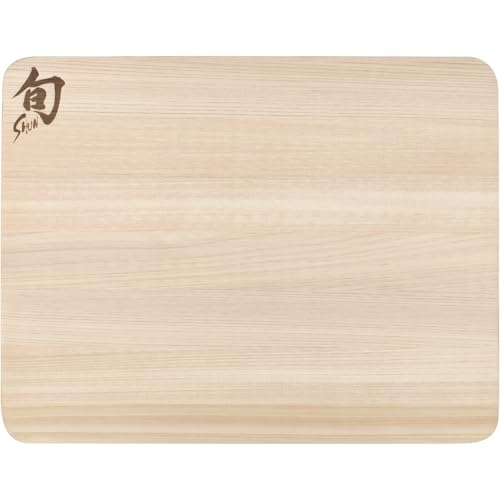
The Shun Cutlery Small Hinoki Cutting Board is a pint-sized powerhouse. Measuring just 10.75 by 8.25 inches, it stands out for its portability and ease of use. Despite its small stature, it still features the same FSC-certified Hinoki wood as the larger Shun boards, offering that medium-soft “give” that keeps your paring knives and utility blades razor-sharp.
This is the perfect board for small-scale prep: slicing a lemon for a cocktail, dicing an apple, or mincing a few cloves of garlic. It’s also an ideal choice for minimalist kitchens or even for those who like to bring a quality cutting surface along while camping or traveling. It stores easily in almost any drawer.
However, the trade-off is that it’s too small for most main tasks. You can’t realistically use a standard 8-inch chef’s knife on this without feeling cramped. It’s also so lightweight that it can slide around on the counter if you don’t place a damp paper towel underneath it. It’s a fantastic accessory, but it’s definitely a “sidekick” board, not a “hero” board.
Asahi Cookin Cut Rubber Cutting Board, NE05103, Home Use, Made in Japan LL 16.5 x 9.8 x 0.5 inches (42cm x 25cm x 1.3cm)

The Asahi Cookin Cut Rubber Cutting Board is a bit of a cult favorite among kitchen enthusiasts. What makes it stand out in real life is its unique rubber composition. Unlike hard plastic boards that feel “clacky” and harsh, the Asahi has a dense, slightly tacky feel that grips the counter and provides a very consistent, dampened response when the knife hits the surface. It’s famously gentle on blades while being much more durable than wood.
This is for the practical cook who wants the performance of a high-end Japanese board without the “diva” requirements of Hinoki. It doesn’t need to be oiled, it won’t crack, and it’s highly resistant to bacteria. The 16.5-inch size is a great “sweet spot” for most home kitchens, providing plenty of room for daily chopping.
The catch? It’s heavy. For a board that’s only 0.5 inches thick, the rubber is surprisingly dense, which might make it feel a bit cumbersome to move around for some. It also has a very industrial look—it’s a tan, utilitarian slab that won’t win any beauty contests, and it can sometimes retain a slight rubbery smell when it’s brand new.
Hinoki Cypress Reversible Wood Cutting Board, 17.2″ x 8″ x1.2″, Chopping Board, Bread and Cheese Board, Serving Board, Solid Single Piece, No Joint, No Glue
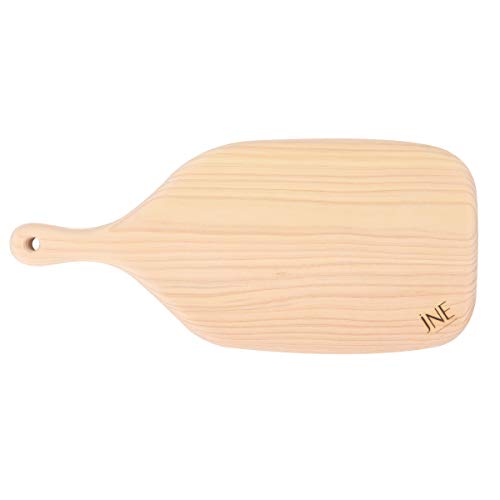
The Hinoki Cypress Reversible Wood Cutting Board stands out because it is a solid single piece of wood. Most cutting boards are made of multiple strips glued together, but this one has no joints and no glue. This is a huge deal for longevity and safety, as there are no adhesives to fail or leach over time. At 1.2 inches thick, it’s also much more substantial than many other Japanese cypress boards on the market.
I would recommend this to the purist who wants a beautiful, natural object in their kitchen. Because it’s a single slab, the grain pattern is continuous and stunning, making it a perfect serving board for bread or cheese. It’s for the person who values the organic feel of wood and wants a board that feels like a handcrafted heirloom.
The trade-off is the risk of splitting. Solid wood slabs are more reactive to humidity changes than laminated boards. If you don’t keep this board properly seasoned or if you live in a very dry climate, a single-piece board is more likely to develop a crack along the grain compared to a multi-piece construction. It requires a bit of a “green thumb” for wood care.
HIBINO Titanium Cutting Board | 99.5% Pure Japanese Titanium | Non-Toxic | Lightweight & Dishwasher Safe | S Size | Made in Japan | With Non-Slip Mat | For Kitchen & Camping Use

The HIBINO Titanium Cutting Board is a complete departure from tradition. What makes it stand out is its 99.5% pure Japanese titanium construction. It is incredibly thin (only 0.04 inches) and virtually indestructible. Unlike wood or plastic, it is completely non-porous, meaning it won’t absorb smells from onions or fish, and it’s dishwasher safe, which is a rarity in the world of high-end Japanese kitchenware.
This is the ultimate choice for the backpacker, camper, or hygiene-conscious cook. If you are worried about cross-contamination or want a board that will literally last a lifetime without ever warping or molding, this is it. It’s also feather-light at just 9.2 ounces, making it perfect for small kitchens where every inch of storage matters.
The massive trade-off here is the impact on your knife. While titanium is softer than some other metals, it is still a metal surface. Cutting on a metal board will dull your knives faster than wood, rubber, or soft synthetic boards. It’s also quite loud—expect a “tink-tink” sound with every chop rather than the satisfying “thud” of wood.
Hinoki Japanese Cypress Wood Cutting Board, Large

This Hinoki Japanese Cypress Wood Cutting Board is a great example of why ultra-lightweight design can be a benefit. It stands out because of its 1-inch thickness combined with the naturally low density of cypress, making it a sturdy but manageable board. It provides that signature soft landing for your knife, which is essential for preventing the micro-chipping that often happens on bamboo or glass surfaces.
I’d suggest this for the home cook who wants a thick “butcher block” look without the actual weight of a heavy maple block. It’s large enough (15.7 inches) for most tasks but won’t strain your wrists when you’re carrying it to the sink. It’s a very knife-friendly option for someone transitioning from basic plastic boards to something more professional.
The downside is that this board is very high-maintenance. Because Hinoki is so soft and lightweight, it is particularly prone to staining. If you chop berries or beets without thoroughly soaking the board first, the color will sink into the grain almost instantly. You have to be okay with the board developing a “patina” of use, as it won’t stay pristine forever.
Product prices and availability are accurate as of the date/time indicated and are subject to change. Any price and availability information displayed on Amazon.com at the time of purchase will apply to the purchase of this product.
Buying Guide
FAQs
What are the key differences between Hinoki wood boards and synthetic boards like the Yoshihiro Hi Soft?
Hinoki boards are made from Japanese cypress, offering a natural fragrance, gentle feel, and a slightly softer surface that protects high‑carbon steel blades. Synthetic boards such as the Hi Soft are engineered to be ultra‑light, odor‑resistant, and provide consistent hardness, which can give even edge retention but lack the aesthetic appeal of wood. Both types are knife‑friendly, but wood may need more regular oiling while synthetic boards are typically dishwasher safe.
How does board size impact functionality and storage in a typical kitchen?
Larger boards like the Shun Extra Large (20″ x 14″) give ample space for big roasts, multiple ingredients, and can double as a serving platter, but they require more countertop or cabinet room. Medium and small boards (e.g., Shun Small at 10.75″ x 8.25″ or Yamasan Small) are easier to store and ideal for everyday prep of fruits, herbs, and small cuts. Choose a size that matches your most common tasks while keeping storage constraints in mind.
Which cutting board offers the best value for preserving knife edges while staying affordable?
The Shun Large Hinoki board balances price, size, and the wood’s natural give, making it gentle on blades and reasonably priced for most home cooks. For a budget‑friendly yet effective option, the generic Hinoki Large board (15.7″ x 10.6″) provides similar wood benefits at a lower cost. Synthetic boards like the Yoshihiro Hi Soft may cost more but offer durability and low maintenance, which can be worth it for heavy‑use kitchens.
What are the care and maintenance differences between wood, rubber, and titanium boards?
Wooden Hinoki boards should be dampened before use, cleaned with mild detergent, towel‑dried, and air‑dried away from sunlight; occasional lemon rubs help remove stains. Rubber boards such as the Asahi Cookin Cut are usually rinsed and can tolerate harsher cleaning, but they should not be exposed to extreme heat. Titanium boards like the HIBINO model are dishwasher safe, rust‑proof, and require only a quick rinse and dry, making them the lowest‑maintenance choice.
Is the Shun Extra Large Hinoki board worth the extra cost compared to the Shun Large board?
If you frequently prepare large meals, whole poultry, or need a built‑in juice groove, the extra‑large board’s added surface and convenience justify the higher price. For most home cooks who mainly chop vegetables and meats in moderate quantities, the Shun Large board provides ample space and the same premium wood at a lower cost. Consider your typical prep volume before deciding.
What advantages does the titanium cutting board have over traditional wood boards?
Titanium boards are ultra‑light, non‑porous, and completely odor‑free, which eliminates bacterial growth and staining concerns. They are also dishwasher safe and virtually indestructible, unlike wood that can warp or crack over time. However, they lack the natural aesthetic and fragrance of Hinoki, and some users prefer the tactile feel of wood for certain tasks.
Are reversible (double‑sided) boards more versatile than single‑sided boards?
Reversible boards, such as the Shun Large and Extra Large models, let you dedicate one side to raw proteins and the other to vegetables, reducing cross‑contamination risk. They also extend the board’s lifespan by allowing each side to rest while the other is in use. Single‑sided boards can still be effective but may require more frequent cleaning or separate boards for different food groups.
How does the Yoshihiro Hi Soft synthetic board compare to Hinoki boards for professional use?
The Hi Soft board is designed to minimize stress on high‑carbon steel knives, offering consistent hardness and excellent edge retention, which many professionals appreciate for its reliability. Hinoki boards provide a softer surface that can be gentler on delicate blades and add a premium look to a kitchen, but they need regular oiling and careful cleaning. For chefs who prioritize durability and low maintenance, the Hi Soft may be the better choice, while those valuing tradition and aesthetics might prefer Hinoki.