Beer Tap And Cooler
Looking for the perfect beer tap and cooler combo to keep your brews cold and flowing smoothly? Whether you’re upgrading your home bar or setting up a commercial space, the right system makes all the difference. We’ll break down top options, key features to consider, and how to choose the best setup for your needs—fast and easy. Let’s get your ideal pour started.
How to Choose the Right Beer Tap for Your Setup
Types of Beer Taps: Faucet Styles and Functions
Choosing the right beer tap faucet starts with understanding the common styles: standard shank tap, tower mount, and spear tap. The standard shank is ideal for kegerators and home bars, offering reliable flow with a simple pull-down handle.
Tower-mounted taps are best for draft towers on refrigerated units, providing direct beer line connections with minimal resistance. Spear taps, often used in commercial coolers, integrate directly into the cooler wall and dispense beer efficiently. Key considerations include compatibility with your draft system, ease of cleaning, and desired pour speed.
Stainless steel models offer durability and sanitation, while plastic parts may wear faster. Match the thread size and shank length to your setup to ensure a leak-free connection and smooth operation.
Differences Between Manual, Electric, and CO2-Driven Taps
Understanding the dispensing mechanism is crucial when pairing a beer tap with a cooler. Manual pumps, like party pumps, require hand operation and are best for short-term, non-pressurized use—ideal for small gatherings but not for long-term storage.
Electric taps use a motorized system to draw beer, often used in commercial coolers with integrated refrigeration, offering consistent flow and temperature control. CO2-driven taps rely on pressurized gas to push beer through the lines, delivering a smooth, bar-quality pour and are standard in kegerators.
CO2 systems preserve carbonation and allow for longer beer lines, while electric models offer convenience without gas tanks. Choose based on usage frequency, setup permanence, and desired pour quality to match your cooler and serving needs effectively.
How Beer Tap Materials Affect Performance and Maintenance
The material of your beer tap directly influences longevity, taste, and cleaning ease. Stainless steel taps are the gold standard—resistant to corrosion, easy to sanitize, and maintain beer flavor integrity. They’re ideal for both home and commercial setups connected to coolers.
Brass taps with chrome plating are cost-effective but may corrode over time, especially with frequent cleaning or acidic cleaners, risking contamination. Plastic or zinc alloy taps are lightweight and inexpensive but prone to cracking and bacterial buildup.
For optimal hygiene and performance, choose food-grade stainless steel with smooth internal surfaces to reduce residue. Regular disassembly and cleaning are easier with durable materials, ensuring your tap and cooler system deliver fresh-tasting beer every time without off-flavors or clogs.
Tips for Matching a Tap to Your Kegerator or Counter System
To seamlessly integrate a beer tap with your kegerator or counter-mounted cooler, start by checking draft tower height and shank compatibility. Ensure the tap’s thread type (e.g., 55/60 or 3/8-inch) matches your shank and beer line.
For kegerators, dual or triple taps allow multiple beer selections but require adequate CO2 pressure and space. Counter systems often use low-profile or swan-neck faucets to save space and improve ergonomics.
Verify that the cooling capacity of your unit supports the tap’s draft lines—longer lines need consistent refrigeration to prevent foaming. Finally, use flexible couplers and disconnects for easy maintenance. A well-matched tap and cooler combo ensures smooth dispensing, optimal temperature, and minimal waste.
What Is a Beer Cooler and How Does It Work
Components of a Beer Cooler: Compressor, Coils, and Insulation
A beer cooler relies on three core components to maintain optimal serving temperatures: the compressor, evaporator and condenser coils, and high-density insulation. The compressor pressurizes refrigerant, initiating the cooling cycle. This refrigerant flows through coils—absorbing heat inside via evaporator coils and releasing it outside through condenser coils.
Surrounding these parts, thick insulation minimizes temperature fluctuations and improves energy efficiency by reducing external heat transfer. Together, these elements create a stable cold environment essential for preserving beer quality. Regular maintenance, like cleaning coils and checking compressor function, ensures long-term performance.
Understanding these parts helps in selecting a durable cooler and diagnosing cooling issues quickly, especially in commercial setups with constant beer tap use.
How Temperature Regulation Keeps Beer Fresh
Precise temperature regulation is critical for maintaining beer flavor, carbonation, and shelf life. Most beers taste best between 38°F and 42°F (3°C–6°C), a range effectively maintained by the cooler’s thermostat and sensor system. Too warm, and beer becomes flat and spoiled; too cold, and flavors are muted.
Modern coolers use digital thermostats for accurate control, ensuring consistency even during frequent door openings. This stability prevents thermal shock, which can degrade beer quality over time. Consistent cooling also supports proper draft beer flow from the tap, reducing foaming and ensuring smooth pours.
By maintaining a narrow temperature band, beer coolers protect investment in craft and kegged beer, delivering a fresh, enjoyable experience with every pour.
Top vs. Bottom Mount Coolers: Pros and Cons
When choosing a beer cooler, the mounting position—top or bottom—impacts performance and usability. Top-mount coolers place the compressor and condenser on top, making them easier to service and often more affordable. However, they may struggle with heat dissipation in tight spaces and can be noisier near ear level.
In contrast, bottom-mount coolers offer quieter operation and better heat management, as warm air rises and exits efficiently. They also provide more internal storage space and improved airflow. Though typically more expensive, bottom mounts are preferred in commercial bars with high beer tap turnover.
Your choice should balance space constraints, budget, and usage frequency to ensure reliable cooling and ease of access for keg changes and maintenance.
Common Cooling Technologies in Modern Beer Coolers
Modern beer coolers use several advanced cooling technologies to enhance efficiency and reliability. The most common is compressor-based cooling, ideal for long-term, consistent temperature control in both home and commercial units.
Thermoelectric coolers, while quieter and vibration-free, are better suited for mild climates and smaller applications due to limited cooling power. Some high-end models feature dual-zone cooling, allowing separate temperatures for different beer types. Forced-air circulation systems ensure even cooling throughout the cabinet, preventing hot spots.
Additionally, energy-efficient compressors and eco-friendly refrigerants reduce environmental impact. Choosing the right technology depends on your environment, beer volume, and whether you’re serving from a single tap or multi-tap draft system, ensuring optimal taste and performance.
Setting Up a Beer Tap and Cooler System at Home
Step-by-Step Guide to Installing a Home Draft System
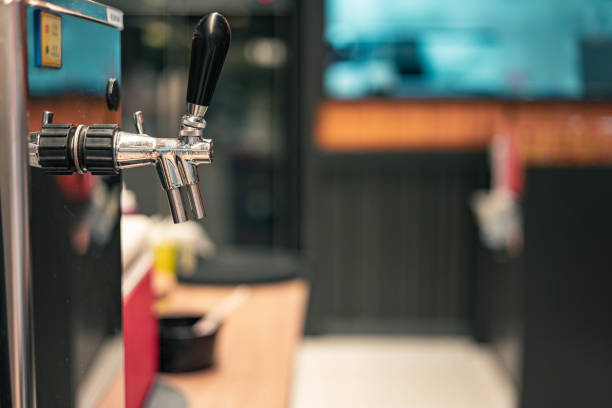
Start by choosing the right location for your beer tap and cooler, ensuring it’s level, well-ventilated, and near a power source. Place the keg inside the cooler, making sure it’s properly seated.
Install the mounting collar on the top of the keg and attach the sanke coupler by twisting it clockwise until snug—this creates a secure connection. Run the beer line from the coupler up through the tower and to the faucet.
Connect the CO2 tank to the regulator and attach the gas line to the keg’s inlet. Check all connections for leaks using soapy water. Finally, set the regulator pressure according to your beer type, typically 10–12 PSI for most ales and lagers.
Connecting the Tap to the Cooler and CO2 Tank
To connect your tap system, first ensure the beer lines are clean and properly cut to avoid contamination and kinks. Attach one end of the beer line to the coupler and the other to the draft tower shank inside the cooler lid.
For gas, connect the CO2 regulator to the tank and secure the gas line to the keg’s inlet post using a hose clamp. Use food-grade tubing and double-check for tight fittings to prevent gas leaks. Turn on the CO2 tank slowly and adjust the regulator to maintain consistent pressure.
This balanced setup ensures smooth dispensing and prevents over-carbonation. Always store the CO2 tank upright and in a cool, dry place for safety and efficiency.
Best Practices for Line Length and Beer Flow
Proper beer line length is critical for balanced dispensing pressure and minimizing foam. As a rule, longer lines increase resistance, which counteracts CO2 pressure. For a standard 12 PSI system, use 3/16-inch inner diameter tubing and aim for 5 to 8 feet of line, depending on elevation changes.
Too short a line causes excessive foam; too long restricts flow and causes slow pours. Maintain consistent temperatures in the cooler (38°F is ideal) to stabilize carbonation. Use insulated lines if running through warmer areas.
Regularly clean lines every 2–4 weeks to prevent buildup that can affect flow and taste, ensuring every pour is smooth and flavorful.
How to Avoid Foam and Maintain Proper Pressure
Foam issues usually stem from incorrect pressure, temperature fluctuations, or poor line setup. Keep your cooler at a steady 38°F and ensure the CO2 pressure matches your beer’s carbonation level—typically 10–12 PSI. Balance your system by adjusting line length and diameter to resist excess pressure.
Avoid rapid tapping or jerky faucet movements; pour slowly at a 45-degree angle, then straighten the glass. Purge air from lines during initial setup and inspect for leaks regularly. Replace worn O-rings and clean faucet parts monthly. If foam persists, check for temperature swings or an agitated keg.
A stable, well-maintained system delivers smooth, foam-controlled pours every time.
Maintenance Tips for Beer Taps and Coolers
How to Clean a Beer Tap Line to Prevent Contamination
To prevent contamination and ensure fresh-tasting beer, clean your beer tap lines every two weeks using a food-grade cleaning solution. Begin by disconnecting the keg and attaching the cleaning kit to the gas line.
Circulate the solution through the lines for at least 15 minutes to break down biofilm, yeast buildup, and bacteria. Follow with a thorough rinse using cold water to remove any residue. Never skip rinsing, as leftover cleaner can affect beer flavor and safety.
Use dedicated brushes for faucets and couplers, and disassemble all components for a deep clean. Regular line cleaning preserves draft quality and extends equipment life, ensuring every pour meets customer expectations.
Recommended Frequency for Cooler Coil Cleaning
For optimal performance, clean cooler condenser coils every three to six months, depending on usage and environment. Dust and debris buildup on coils reduces cooling efficiency and forces the compressor to work harder, increasing energy costs and risk of failure.
Turn off the unit before cleaning, and use a coil brush or compressed air to gently remove dirt. In high-traffic or dusty areas, monthly inspection and cleaning may be necessary. Clean coils help maintain consistent beer temperature, crucial for taste and foam stability.
Pair coil maintenance with regular filter checks and fan inspections to keep your draft cooler running smoothly. A well-maintained cooling system extends equipment lifespan and prevents costly breakdowns during peak service times.
Signs Your Beer Tap Needs Repair or Replacement
Watch for slow pours, excessive foaming, or inconsistent flow, as these often signal a damaged or worn beer tap. Dripping faucets or difficulty turning handles indicate internal wear or seal failure and should be addressed immediately to avoid waste and contamination.
Inspect for visible corrosion, cracks, or mineral buildup, especially in older systems. If cleaning doesn’t restore performance, replace the faucet or coupler. Also, check for loose connections or leaks at the shank. Regular inspection prevents sudden failures during service.
Replacing faulty components promptly ensures clean, consistent pours and protects the integrity of your draft system, maintaining customer satisfaction and reducing long-term repair costs.
Preventing Mold and Odors in Your Draft System
To prevent mold and unpleasant odors, maintain a strict cleaning schedule for all draft components, including lines, kegs, and dispensers. Moist, dark environments in beer lines encourage microbial growth, leading to off-flavors. Use sanitized, airtight connections and ensure no standing water remains after cleaning.
Replace old or cracked hoses where bacteria can hide. Store kegs and parts in clean, dry areas. After each keg change, rinse lines with sanitizer to eliminate residual beer. Periodically inspect rubber gaskets and seals for mold. Implementing consistent hygiene practices protects beer quality and customer health.
A fresh-smelling draft system reflects professionalism and ensures every pour tastes as intended.
Best Beer Tap and Cooler Combos for Different Uses
Top Systems for Home Bars and Entertainment
For home bars and entertaining guests, reliable draft performance and easy installation are key. Look for beer tap and cooler combos that include a single or dual-tap tower with a built-in CO2 tank, ensuring smooth pours without excessive foam.
Self-contained kegerator units like the Kegco HK32 are ideal—they combine a spacious cooler with a stainless steel draft tower and digital temperature control. These models support standard 1/2 barrel kegs and are designed for quiet operation, making them perfect for basements or living areas.
User-friendly features such as removable drip trays and lockable doors add convenience. With precise cooling between 32°F and 55°F, these systems keep your craft beer or lager at perfect serving temperature, enhancing flavor and presentation during gatherings.
Commercial-Grade Units for Bars and Restaurants
Bars and restaurants need durable, high-capacity beer tap and cooler systems that can handle heavy demand. Commercial units like the True TUC-50 or Turbo Air MBF-48 offer stainless steel construction, forced-air refrigeration, and support for multiple tap configurations—up to six or more.
These coolers maintain consistent temperatures even during peak hours, ensuring every pour meets quality standards. Quick recovery time after door openings and heavy-duty casters for mobility add to their practicality. Pair them with professional draft towers and CO2 regulators for seamless integration.
NSF certification guarantees food safety compliance, while large interior capacities accommodate several kegs at once, minimizing service interruptions. These systems deliver reliability, scalability, and professional performance essential for thriving hospitality environments.
Compact Coolers and Taps for Small Spaces
When space is limited, compact beer tap and cooler combos offer smart solutions without sacrificing functionality. Countertop models like the EdgeStar 16-inch dual-tap kegerator fit under cabinets or on bars, making them ideal for apartments, offices, or small cafes.
These units support Pony or 1/6 barrel kegs, conserving space while still delivering fresh draft beer. Front-venting designs allow flush installation, and adjustable shelves maximize interior flexibility. Despite their size, they include digital temperature controls and quiet compressors for consistent cooling between 36°F and 60°F.
Easy assembly and tool-free cleaning simplify maintenance. For microbrew lovers in tight quarters, these compact systems provide convenience, style, and dependable draft service in a footprint smaller than a mini-fridge.
Energy-Efficient Models for Long-Term Use
For eco-conscious users and long-term savings, energy-efficient beer tap and cooler combos are essential. Models with Energy Star certification, like the Kegco HCRW Series, feature high-efficiency compressors and insulated cabinets that reduce power consumption by up to 20%.
Digital thermostats maintain precise temperatures with minimal cycling, while UV-protected glass doors prevent heat gain without sacrificing visibility. These units often include eco-mode settings and LED lighting to further cut energy use. Durable components mean fewer repairs and longer lifespans, lowering total cost of ownership.
Whether used at home or in a low-volume business, energy-smart coolers deliver consistent performance, lower utility bills, and reduced environmental impact, making them the smartest long-term investment for draft beer enthusiasts.
Troubleshooting Common Beer Tap and Cooler Problems
Why Your Beer Is Too Foamy or Flat
Foamy or flat beer is often due to incorrect temperature, improper line length, or unbalanced pressure. Ensure the beer is stored between 36–38°F (2–3°C), as warmer temperatures increase CO2 release, causing foam.
Check the balance between line length and serving pressure—too much pressure or too short a line leads to over-pouring and foam. For draft systems, use longer lines or restrictors to balance resistance. Conversely, flat beer may result from low CO2 pressure or leaks in the gas line.
Verify the regulator setting matches your beer’s required PSI (typically 10–14 PSI for most ales and lagers). Clean lines also help maintain proper flow and carbonation. Regular maintenance and system calibration prevent these issues and ensure consistent pour quality.
What to Do When the Cooler Isn’t Cooling Properly
If your beer cooler isn’t maintaining proper temperature, first check the thermostat setting and ambient room temperature—coolers need adequate airflow and a cool environment to function efficiently. Clean the condenser coils regularly, as dust buildup reduces cooling performance.
Ensure the door seals tightly and isn’t damaged, which can let warm air in. Verify the evaporator fan is running and that beer lines aren’t blocking airflow inside the unit. Check for refrigerant leaks or compressor issues if the unit runs but doesn’t cool—this may require professional service.
Avoid overloading the cooler, as it restricts cold air circulation. Monitor temperatures daily with an external thermometer to catch issues early and maintain beer quality.
Fixing Leaks in Beer Lines or Tap Valves
Leaks in beer lines or tap valves waste product and affect pour quality. Start by inspecting all connections, couplers, and shanks for drips or moisture. Tighten fittings with a wrench, but avoid over-tightening, which can damage seals. Replace worn O-rings, washers, or gaskets—common sources of small leaks.
For beer line cracks, cut out the damaged section and reconnect using fresh tubing and clamps. Use food-grade line sealant on threaded connections if needed. Flush the system after repairs to ensure cleanliness. Regularly inspect lines every 2–4 weeks, especially at junctions and under the bar.
Prompt leak repair prevents contamination, maintains pressure, and ensures consistent dispense performance and beer freshness.
Diagnosing CO2 Pressure and Regulator Issues
Inconsistent beer flow or carbonation often stems from CO2 pressure or regulator problems. First, check the tank level—ensure it’s not empty or nearly depleted. Verify the regulator is set to the correct PSI for your beer type and system setup (usually 10–14 PSI).
If pressure fluctuates, the regulator may be faulty or contaminated. Inspect for CO2 leaks using soapy water on connections—bubbling indicates a leak. Replace damaged hoses or seals immediately. A dual-gauge regulator helps monitor tank and output pressure. If the regulator fails to hold pressure, replace it with a commercial-grade unit.
Keep a spare regulator on hand for quick swaps during service hours to minimize downtime.
Buying Guide: Where and How to Purchase Beer Tap and Cooler Units
Online Retailers vs. Local Distributors: Which Is Better
When purchasing a beer tap and cooler unit, consider convenience versus hands-on support. Online retailers like Amazon, Beverage Factory, or KegWorks offer wide selection, competitive pricing, and customer reviews, making it easy to compare models from home.
However, shipping large units can be costly and risky, and you may miss out on immediate troubleshooting. Local distributors or restaurant supply stores provide expert advice, in-person inspections, and faster local service. They often carry commercial-grade equipment and can assist with compliance and installation.
For DIY home users, online may suffice; for commercial setups, local support is invaluable. Weigh your need for immediacy, technical help, and delivery logistics before deciding.
Key Features to Compare Before Buying
Before selecting a beer tap and cooler unit, evaluate capacity, cooling type, dispense system, and build quality. Determine how many kegs you need to store and serve—single, double, or multi-tap models vary significantly. Forced-air cooling is standard, but ensure it maintains 38–40°F consistently.
Check if the unit includes a CO2 tank, regulator, and beer lines, or if they’re sold separately. Stainless steel construction ensures durability and easier cleaning. Look for NSF certification for commercial use, and verify faucet type (e.g., shank-mounted) and compatibility with standard keg sizes.
Energy efficiency and noise level matter for home bars. Prioritize units with easy-access components for cleaning and maintenance to ensure long-term performance and sanitation.
Budget vs. Premium Models: What You Get for the Price
Budget beer tap and cooler units offer basic functionality at lower costs, ideal for occasional home use. These models may have smaller capacities, plastic interiors, and less precise temperature control. Premium units, while more expensive, deliver superior insulation, stainless steel construction, advanced cooling systems, and quieter operation.
They often include commercial-grade components like heavy-duty compressors and dual-zone cooling, allowing simultaneous storage and dispensing. Higher-end models also tend to have better energy efficiency and longer lifespans, reducing long-term costs. For businesses or serious enthusiasts, the investment pays off in reliability, performance, and compliance with health standards.
Assess your usage frequency, environment, and longevity needs to determine the right balance between cost and quality.
Warranty, Support, and Installation Services to Look For
Always check the warranty length and coverage—a minimum 1-year parts and labor warranty is standard, but premium brands offer 3–5 years. Look for on-site service options and accessible customer support to minimize downtime. Some manufacturers include free installation or setup guidance, especially for commercial units.
Verify whether the warranty requires professional installation to remain valid. Reputable distributors often provide phone, chat, or email support for troubleshooting dispensing issues or temperature problems. For complex systems, extended service plans or maintenance packages can be worthwhile.
Choosing a vendor with local technicians and quick response times ensures your beer tap and cooler stays operational. Don’t overlook post-purchase support—it’s crucial for long-term satisfaction and performance.
Frequently Asked Questions
What is a beer tap and cooler system?
A beer tap and cooler system is a combined unit that dispenses draft beer from a tap while keeping the beer cold in an integrated refrigerated compartment. These systems are commonly used in homes, bars, and restaurants to serve chilled beer on demand.
How does a beer tap and cooler work?
The cooler chills the beer keg or lines using a refrigeration unit, while the tap, connected to the keg via a coupler and tubing, allows controlled dispensing. CO2 pressure forces the beer from the keg through the line and out the tap when the handle is pulled.
Can I install a beer tap and cooler at home?
Yes, many compact beer tap and cooler units are designed specifically for home use, requiring minimal space and standard electrical outlets. Installation typically involves placing the keg inside the cooler, connecting the tap and CO2 system, and setting the desired temperature.
What size cooler do I need for a standard beer keg?
A full-size keg (1/2 barrel) holds 15.5 gallons and requires a cooler with at least 16-inch width and 25-inch height. Always check the cooler’s capacity specifications to ensure it fits your keg size.
How do I clean a beer tap and cooler system?
Clean the beer lines and tap every 2-4 weeks using a food-grade cleaning solution to prevent buildup and off-flavors. Wipe down the cooler interior regularly and sanitize all dispensing components to maintain beer quality.
What temperature should a beer cooler be set to?
Most beer coolers should be set between 36°F and 38°F (2°C to 3°C) to keep beer properly chilled without freezing. This range preserves carbonation and enhances flavor when served.
Do beer tap and coolers use a lot of electricity?
Most residential beer coolers are energy efficient, using about the same electricity as a small refrigerator. Energy consumption varies by model, size, and usage, but average units consume 100–200 kWh per year.
Conclusion
A beer tap and cooler combination enhances any space by preserving beer quality and simplifying serving. Key benefits include consistent temperature control, reduced waste, and a professional pour every time. Whether for home use or commercial settings, this system elevates the drinking experience. Investing in a reliable tap and cooler setup ensures freshness and convenience.


