How to Store Potatoes and Onions for Maximum Freshness
Storing potatoes and onions correctly is the secret to extending their shelf life and preventing premature spoilage. You should always keep these two pantry staples in separate locations to ensure they stay fresh for months. When stored together, the gases released by onions can cause potatoes to sprout or rot much faster than normal.
While these versatile vegetables are kitchen essentials, they have specific environmental needs that often conflict. Potatoes require cool, dark, and humid conditions to remain firm, whereas onions thrive in a dry, well-ventilated space. Understanding these fundamental differences is the key to reducing food waste and maintaining the quality of your home-grown harvest.
This guide explains exactly why you must keep these items apart and how to create the ideal storage conditions in your home. We will cover the best containers to use, optimal temperature ranges, and simple troubleshooting tips for common issues. Follow these practical steps to master your pantry management and keep your produce fresh.
Why Potatoes and Onions Should Never Be Stored Together
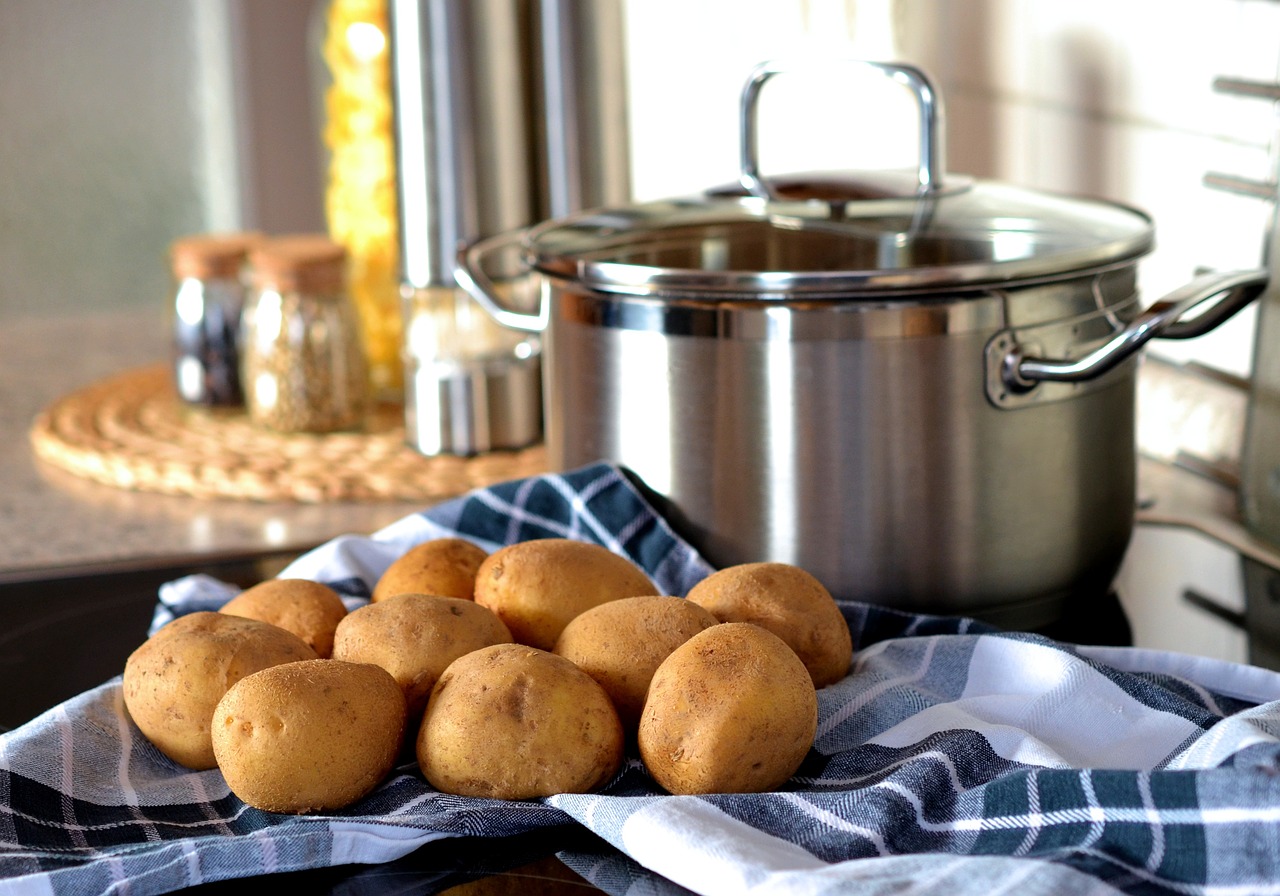
If you want your pantry staples to last, the most important rule is to keep potatoes and onions physically separated. While they are often sold near each other in grocery stores, storing them together in your home will significantly shorten their shelf life.
The primary issue is chemistry. Onions naturally release ethylene gas, a ripening agent that acts as a catalyst for other produce. When potatoes are exposed to this gas, it triggers premature sprouting, turning your firm tubers soft and unusable much faster than they would otherwise.
Conversely, potatoes pose a risk to your onions. Potatoes have a high moisture content. If stored in a confined space, that moisture can transfer to the onions, causing them to develop mold, soften, or rot from the outside in. By keeping them apart, you eliminate these cross-contamination issues.
To maximize the longevity of your produce, follow these storage guidelines:
- Designate separate areas: Choose two distinct spots in your kitchen or pantry. Ideally, pick cool, dark, and well-ventilated locations for both.
- Use breathable containers: Never store these vegetables in sealed plastic bags. Use mesh bags, wicker baskets, or wooden crates that allow air to circulate freely.
- Monitor conditions: Both vegetables thrive in temperatures between 45°F and 55°F. Avoid storing them under the sink or near heat-producing appliances like ovens or dishwashers.
- Inspect regularly: Even when stored separately, check your stash every few weeks. Remove any individual potato or onion that shows signs of soft spots or decay immediately to prevent the rest of the batch from spoiling.
By creating a dedicated “zone” for each, you stop the cycle of premature sprouting and rot. This simple organizational change ensures your potatoes stay firm and your onions remain crisp for months, helping you reduce food waste and save money on your grocery bill.
Optimal Storage Conditions for Potatoes
To keep potatoes fresh and firm for months, you must replicate the conditions of a root cellar. Potatoes are living tubers that require a cool, dark, and well-ventilated environment to remain dormant. If exposed to light, they will turn green and develop solanine, a bitter compound that can be toxic if consumed in large quantities.
The ideal temperature range for potato storage is between 45 and 50 degrees Fahrenheit. A basement, unheated garage, or a cool, insulated pantry are usually the best locations in a typical home. While it might seem intuitive to use a refrigerator, you should avoid it. The cold temperature inside a fridge converts the potato’s natural starches into sugars, which negatively alters both the flavor and the texture once cooked.
Proper airflow is equally important to prevent sprouting and decay. Never store potatoes in sealed plastic bags, as these trap moisture, leading to rot and mold growth. Instead, use containers that allow the tubers to breathe.
Follow these guidelines to ensure your harvest lasts:
- Use breathable containers: Choose burlap sacks, wire baskets, or wooden crates with slats to encourage maximum air circulation.
- Keep them dark: If your container has open sides, cover the top with a piece of cardboard or a dark cloth to block out ambient light.
- Check for damage: Inspect your potatoes before storage. Use any bruised or cut potatoes immediately, as they will spoil faster and can cause healthy potatoes to rot prematurely.
- Maintain separation: Never store potatoes in the same bin or immediate vicinity as onions. Onions release ethylene gas, which causes potatoes to sprout much faster than they would on their own.
By keeping your potatoes in a cool, dark, and airy space, you can significantly extend their shelf life and maintain their quality. Check your stash every few weeks to remove any individual potatoes that show signs of softening, ensuring the rest of your supply stays fresh for your next meal.
Best Practices for Storing Onions
Onions require a specific environment to maintain their quality and prevent premature spoilage. Unlike potatoes, which tolerate slightly higher humidity, onions are highly susceptible to moisture. Exposure to damp conditions will quickly lead to rot and mold, so prioritizing a cool, dry, and dark location is essential for long-term storage.
Airflow is the most critical factor in keeping onions firm. Never store them in sealed plastic bags or airtight containers, as these trap moisture and accelerate decay. Instead, use storage methods that promote maximum ventilation:
- Mesh bags: These allow air to circulate freely around every bulb.
- Wire baskets: Excellent for keeping onions elevated and ventilated.
- Perforated containers: If using bins, ensure they have plenty of holes to prevent stagnant air.
Keep your onions away from direct sunlight. Exposure to light can trigger photosynthesis, leading to greening and encouraging the bulbs to sprout, which ruins their texture and flavor. A dark pantry, basement, or cellar is ideal.
If you have harvested onions from your garden and need to trim the tops before storage, safety is paramount. Always work on a stable, flat cutting board to ensure the onion does not slip. Keep your fingers curled away from the blade path at all times, and use a sharp knife to make clean, controlled cuts. Never attempt to trim them while holding the bulb in your hand.
Finally, inspect your storage supply regularly. Even with perfect conditions, one decaying onion can release moisture and gases that spoil the surrounding bulbs. Remove any onions that feel soft, show signs of dark spots, or emit a strong, pungent odor immediately. By keeping the remaining bulbs dry and well-ventilated, you can significantly extend their shelf life and reduce household food waste.
Safety and Maintenance Tips for Your Storage Area
When setting up your potato and onion storage, safety is as important as the environment itself. Because root vegetables are dense, a full harvest can quickly become heavy. Always anchor your shelving units directly to the wall studs to prevent tipping, which could cause injury or damage your produce.
If you are constructing custom wooden crates or storage racks, prioritize personal safety during the build:
- Wear impact-resistant safety glasses to shield your eyes from flying sawdust and wood chips.
- Use power tools strictly according to the manufacturer’s guidelines, ensuring all guards are in place.
- Work in a well-ventilated area to avoid inhaling dust particles.
- Sand down rough edges on your crates to prevent splinters when you reach for your vegetables.
Once your storage system is installed, maintenance is the key to keeping your harvest fresh. A clean environment is the most effective way to prevent pests from nesting near your food supply. Regularly inspect the area for signs of rot, such as soft spots or dampness, which can attract fruit flies or rodents. Remove any debris, stray dirt, or decaying plant matter immediately, as these provide an ideal breeding ground for unwanted visitors.
Check the structural integrity of your shelving every few months. Over time, the weight of your produce may cause fasteners to loosen. Tightening screws or checking brackets ensures that your storage remains stable throughout the season. By maintaining a clean, secure, and organized space, you protect both your hard-earned harvest and your home.
Finally, keep cleaning supplies separate from your produce. If you need to sanitize a shelf, use a mild, food-safe cleaner and ensure the wood or plastic is completely dry before returning your potatoes or onions to the bin. Moisture is the enemy of long-term storage; by keeping your space dry and debris-free, you significantly extend the shelf life of your crops while maintaining a safe environment in your home.
Troubleshooting and Frequently Asked Questions
Even with the best storage practices, produce can occasionally spoil. Make it a habit to inspect your onions and potatoes at least once a week. Check for soft spots, dampness, mold, or strong, unpleasant odors. If you find a compromised vegetable, remove it from the container immediately. One rotting potato or onion can quickly cause neighboring items to decay, ruining your entire supply.
Pay close attention to the color of your potatoes. If you notice a green tint on the skin, this indicates the presence of solanine. This compound develops due to light exposure and can be toxic if consumed in large quantities. Do not attempt to “cut around” significant green areas; it is safer to discard the entire potato.
Living in a small apartment without a cool cellar or root basement presents unique challenges. You can still successfully store your produce by focusing on these three environmental factors:
- Darkness: Light exposure triggers sprouting and solanine production. Store your vegetables in opaque bins, heavy paper bags, or cardboard boxes to block all light.
- Temperature: Keep your storage containers in the coolest part of your home. Avoid placing them near heat-generating appliances like ovens, dishwashers, or refrigerators, as the ambient heat will drastically shorten the shelf life of your produce.
- Airflow: Never store potatoes and onions in sealed plastic bags. They require consistent air circulation to prevent moisture buildup, which leads to mold and rot. Use mesh bags or ventilated baskets instead.
If you notice your onions are sprouting, it is usually a sign that the storage area is too warm or humid. While sprouted onions are generally safe to eat, they will lose their texture and flavor quickly. Use them as soon as possible. By staying vigilant and adjusting your storage spot based on these signs, you can minimize waste and keep your pantry staples fresh for much longer.

