How to Store Onions and Potatoes Properly for Longer Freshness
You should store onions and potatoes separately in a cool, dark, and well-ventilated area to maximize their shelf life. Keeping them together causes both vegetables to spoil much faster due to the moisture and ethylene gas they release. Proper separation is the most critical step in preventing premature rotting in your home pantry.
Many home gardeners mistakenly believe these staples thrive in the same bin, but this common error often leads to wasted produce. Potatoes require high humidity to prevent shriveling, while onions need dry air to stay firm and avoid mold. Understanding these distinct environmental requirements is essential for maintaining the quality of your harvested crops.
This guide explains the ideal environmental conditions, effective separation techniques, and best practices to keep your harvest fresh for months. By following these simple storage strategies, you can easily extend the longevity of your vegetables and reduce food waste. Learn how to create the perfect storage setup to ensure your kitchen remains fully stocked.
Why You Must Store Onions and Potatoes Separately
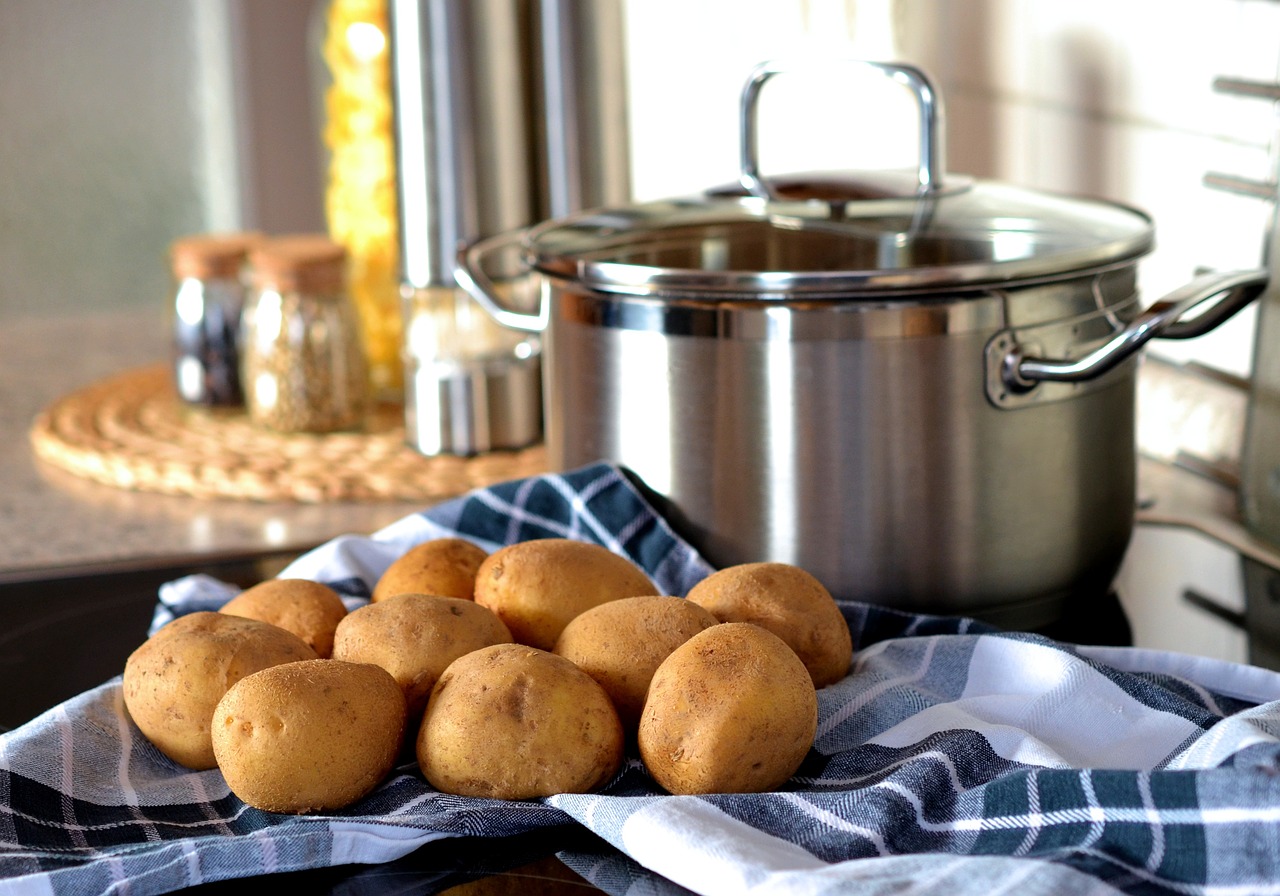
If you want your pantry staples to last for months rather than weeks, the most critical rule of vegetable storage is simple: never store onions and potatoes together. While they are often grouped in recipes, keeping them in the same bin or drawer creates a chemical reaction that ruins both vegetables prematurely.
The issue stems from the natural gases and moisture levels these two crops produce:
- Onions release ethylene gas: Onions act as a ripening agent. When stored near potatoes, the ethylene gas they emit signals the potatoes to begin the sprouting process. This causes your potatoes to develop eyes and soft spots much faster than they would on their own.
- Potatoes release moisture: Potatoes have a high water content. As they “breathe,” they release humidity into their environment. Because onions are porous and require a dry, airy environment to stay firm, this excess moisture causes them to soften, mold, and rot rapidly.
When you store these items in the same container, you create a feedback loop of decay. The onions force the potatoes to sprout, and the potatoes force the onions to rot. This interaction significantly shortens the shelf life of your entire supply.
To maximize longevity, you must physically separate them. Ideally, store your potatoes in a cool, dark, and well-ventilated area, such as a basement or a dedicated pantry bin. Onions, conversely, prefer a dry, dark spot with excellent airflow—think a mesh bag or a wire basket kept away from the dampness of the potato bin.
If you have limited space, ensure there is at least a solid barrier between them, such as a shelf or a separate cupboard. However, for the best results, keep them in different rooms entirely. By breaking up this “bad pairing,” you will notice an immediate improvement in the freshness and quality of your produce, saving you money and reducing unnecessary food waste in your kitchen.
Ideal Storage Conditions for Your Harvest
To keep your onions and potatoes fresh for months, you must replicate the conditions of a traditional root cellar. While it is tempting to clear space in your refrigerator, cooling units are generally unsuitable for these crops. The high humidity inside a fridge can cause onions to soften and rot, while the cold temperatures trigger a chemical reaction in potatoes that converts their natural starches into sugars, resulting in a gritty texture and an unappealing, sweet taste when cooked.
Instead, prioritize a location that is cool, dark, and consistently dry. A temperature range between 45°F and 55°F is ideal. Excellent air circulation is also critical to prevent mold growth and moisture buildup. Consider these optimal storage locations:
- Unheated basements: These provide the most stable, cool environment away from direct sunlight.
- Pantries: Ensure your pantry is located on an interior wall, away from heat-generating appliances like ovens or dishwashers.
- Unheated garages: These work well in cooler climates, provided the space does not drop below freezing during the winter.
Storage containers play a vital role in maintaining these conditions. Never store onions and potatoes together in the same bin. Onions release ethylene gas, a natural ripening agent that will cause your potatoes to sprout prematurely. Furthermore, onions absorb the moisture released by potatoes, which accelerates decay.
Use breathable containers such as wire baskets, mesh bags, or wooden crates with slats. Avoid plastic bags or sealed containers at all costs, as these trap moisture and lead to rapid spoilage. If you are using a basement or garage, elevate your containers off the floor using bricks or wooden pallets to encourage airflow underneath the produce. Finally, keep them in total darkness to prevent potatoes from turning green and developing solanine, a bitter compound that can be toxic if consumed in large quantities. By controlling these environmental factors, you can enjoy your harvest well into the winter months.
Choosing the Right Containers for Airflow
The secret to extending the shelf life of your harvested onions and potatoes lies in how you manage their environment. Both crops require consistent airflow to remain dormant and firm. If you seal them in plastic bags or airtight bins, you trap natural moisture, which creates a humid microclimate that accelerates rot, mold, and sprouting.
Instead, prioritize containers that allow air to circulate freely around every side of the produce. Breathable storage options prevent moisture buildup and keep your harvest dry. Consider using the following containers:
- Mesh bags: Ideal for onions, these allow maximum airflow and are easy to hang in a cool, dark pantry.
- Wire baskets: These provide excellent ventilation and allow you to easily inspect your produce for any signs of decay.
- Wooden crates: The gaps between slats promote steady air movement while keeping your potatoes shielded from light.
If you prefer to repurpose cardboard boxes, you can create your own ventilation system by cutting small holes into the sides. However, always prioritize safety when modifying storage materials. Use a sharp utility knife or box cutter with caution:
- Always cut away from your body to prevent accidental slips.
- Wear cut-resistant gloves to protect your hands from blade mishaps.
- Ensure your work surface is stable before applying pressure to the cardboard.
Avoid stacking your produce too deeply within these containers. Even with breathable materials, excessive weight can bruise the bottom layers of potatoes or onions, creating soft spots that lead to premature spoilage. By maintaining a loose, airy arrangement, you ensure that your home-grown harvest stays fresh for months rather than weeks. Finally, remember that onions and potatoes should never be stored together; onions release ethylene gas, which causes potatoes to sprout faster. Keep them in separate containers to maximize the longevity of both crops.
Preparing Your Produce for Long-Term Storage
Proper preparation is the foundation of a successful harvest. Before you move your onions and potatoes into long-term storage, they must go through a curing process to toughen their skins and seal off entry points for rot.
For onions, spread them in a single layer in a warm, dry, and well-ventilated area out of direct sunlight. Let them cure for two to three weeks until the outer skins are papery and the necks are completely dry and shriveled. Potatoes require a similar curing period, though they prefer a cooler, dark environment with high humidity for about ten days to heal any minor nicks or cuts sustained during digging.
Once cured, follow these essential handling guidelines to ensure your produce remains shelf-stable:
- Remove dirt gently: Use your hands or a soft-bristled brush to knock off excess soil. Never wash your onions or potatoes with water. Any residual moisture creates a breeding ground for mold and bacteria, which will cause your harvest to decay rapidly.
- Sort before storage: Inspect every single item carefully. If you find a vegetable with soft spots, deep cuts, or signs of bruising, set it aside to eat immediately. One compromised potato or onion can release moisture and pathogens that quickly spoil the entire batch.
- Check regularly: Even after they are tucked away, perform a quick spot check every few weeks. If you notice a sprout or a soft texture, remove the affected item immediately to protect the rest of your supply.
By taking the time to cure and clean your harvest properly, you significantly extend the lifespan of your produce. Remember that onions and potatoes have different environmental needs, so store them in separate containers or areas if possible. Onions prefer dry air to prevent sprouting, while potatoes thrive in cool, dark conditions to prevent greening. Keeping these two apart prevents the moisture from the potatoes from softening the onions, ensuring your hard work in the garden pays off throughout the winter months.
Common Questions and Troubleshooting Spoilage
Even with optimal storage, produce occasionally shows signs of distress. Understanding when to salvage and when to discard is essential for food safety and preventing cross-contamination in your pantry.
Dealing with Sprouting and Softness
If a potato begins to sprout, it is often still safe to eat, provided the tuber remains firm. Simply cut away the sprouts and any surrounding “eyes” before cooking. However, if the potato has become shriveled, soft, or spongy, it is past its prime and should be composted. Similarly, if an onion becomes soft to the touch, it has lost its structural integrity and likely begun to decay from the inside out; it is best to discard it.
Identifying Signs of Decay
Spoilage is often easy to spot if you know what to look for. Use these indicators to determine if your vegetables belong in the compost bin:
- Unpleasant Odors: A sharp, musty, or rotting smell is a definitive sign of bacterial or fungal breakdown. If your storage bin smells foul, remove all produce immediately to find the source.
- Mushy Spots: Any area that feels soft, wet, or indented indicates rot. Do not attempt to “cut around” large mushy areas, as bacteria can permeate the surrounding flesh.
- Discoloration: Large dark patches or slimy surfaces on the skin of an onion or potato are clear indicators of spoilage.
- Mold Growth: Visible fuzzy mold, whether white, green, or black, suggests the produce is compromised.
When to Compost
If you discover a spoiled item, remove it from the storage area immediately. One rotting onion can release moisture and gases that accelerate the decay of neighboring vegetables. If the produce shows significant signs of rot, mold, or a persistent foul odor, do not attempt to salvage it. Composting is the safest route, as attempting to cook compromised produce can result in poor flavor and potential foodborne illness. When in doubt, throw it out.


