How Should Potatoes and Onions Be Stored for Maximum Freshness
Storing potatoes and onions correctly is essential to preventing premature sprouting, rotting, and flavor degradation. You should never store these two staples together, as the gases released by onions cause potatoes to sprout and spoil much faster. Keeping them in separate, cool, and dark locations is the secret to maximizing their shelf life.
While both are essential pantry items, they have very different environmental needs that can cause significant issues if kept in the same bin. Potatoes require high humidity to prevent shriveling, whereas onions need plenty of airflow to stay dry and firm. Understanding these distinct biological requirements is key to reducing food waste.
This guide explains the best practices for keeping your harvest or grocery haul fresh for months. We will cover ideal temperature ranges, the importance of proper ventilation, and how to spot early signs of decay. Follow these practical tips to ensure your vegetables remain flavorful, nutritious, and ready for your next home-cooked meal.
Why You Should Never Store Potatoes and Onions Together
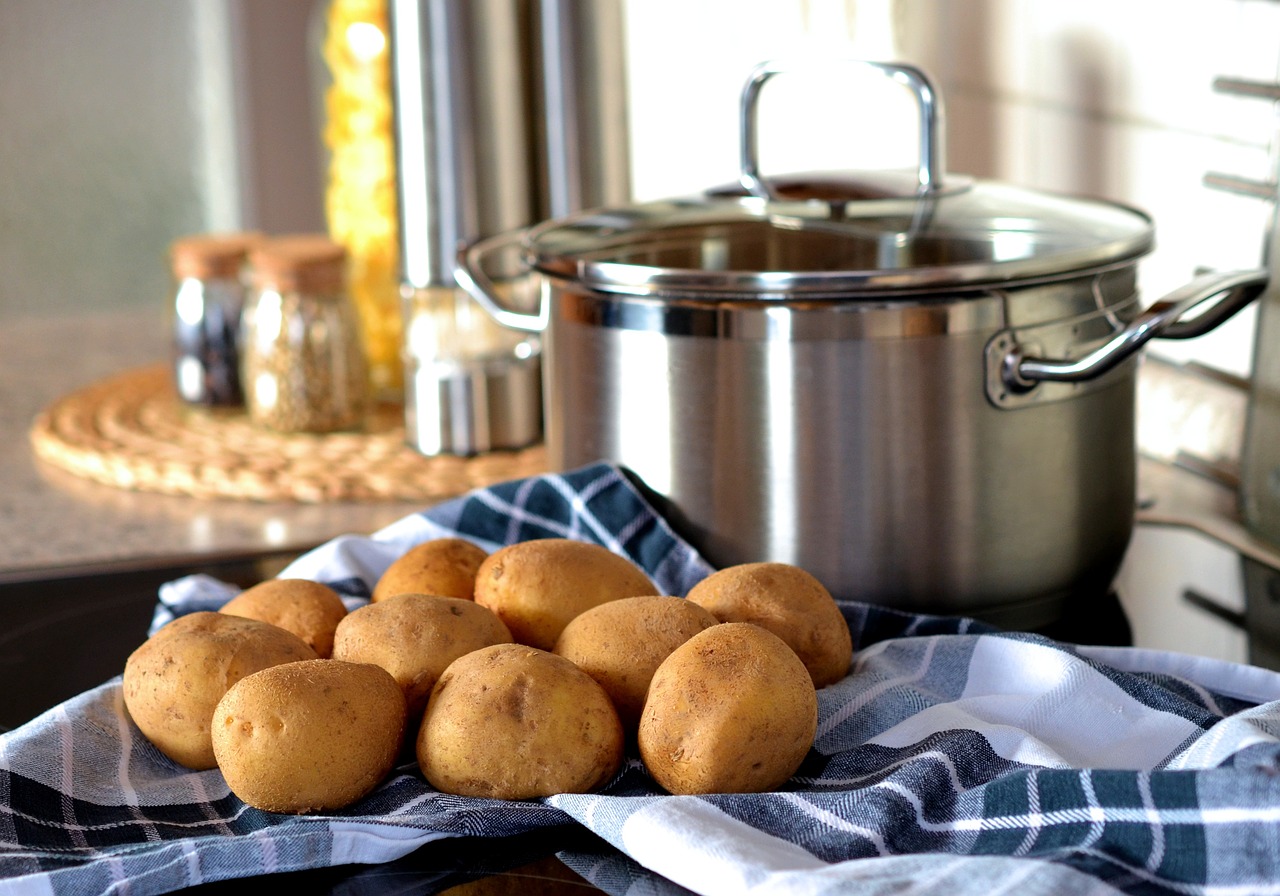
If you want to maximize the shelf life of your pantry staples, the most important rule is to keep potatoes and onions physically separated. While it may be tempting to group these root vegetables together in a single bin, doing so will cause both to spoil significantly faster.
The primary culprit is ethylene gas. Onions naturally release this odorless, colorless gas, which acts as a potent ripening agent. When potatoes are exposed to ethylene gas, they begin to sprout prematurely. Once a potato starts sprouting, its texture changes, its starch converts to sugar, and it quickly loses its structural integrity.
Conversely, potatoes have a high moisture content. When stored in close proximity to onions, the potatoes release humidity that the onions absorb. This excess moisture creates a damp environment, causing the onions to soften, mold, and rot within days. By housing them together, you essentially create a cycle of decay that ruins both crops.
To keep your produce fresh for as long as possible, follow these storage best practices:
- Designate separate zones: Use different baskets, bins, or shelves. If you have limited pantry space, place them on opposite sides of the room to ensure proper airflow.
- Prioritize ventilation: Both vegetables require air circulation. Store them in mesh bags, wicker baskets, or crates with slats. Never keep them in sealed plastic bags, as this traps moisture and accelerates spoilage.
- Check for damage: Periodically inspect your supply. If you find a single onion that has started to soften or a potato that is showing signs of rot, remove it immediately. One bad vegetable can quickly compromise the quality of the rest of your stash.
By simply keeping these two items apart, you can extend the shelf life of your potatoes and onions by weeks. Proper storage is the easiest way to reduce food waste and ensure your ingredients remain firm and flavorful until you are ready to cook with them.
The Ideal Storage Conditions for Potatoes
To keep your potatoes fresh and flavorful for months, you must replicate the conditions of a traditional root cellar. Potatoes are living tubers that require a cool, dark, and well-ventilated environment to remain dormant. If exposed to light, they will turn green and develop solanine, a bitter compound that can be toxic. If the temperature is too high, they will sprout prematurely.
The ideal temperature range for potato storage is between 45 and 50 degrees Fahrenheit. While this may seem chilly, avoid the refrigerator at all costs. Storing potatoes in a fridge causes the starch to convert into sugar, which results in an unappealing, gritty texture and a sweet, off-putting flavor when cooked.
Proper airflow is just as critical as temperature control. Moisture is the enemy of long-term storage, as it encourages rot and fungal growth. Follow these guidelines to ensure your harvest stays dry and firm:
- Choose breathable containers: Use burlap sacks, wire baskets, or wooden crates with slats. These allow air to circulate freely around the tubers.
- Avoid plastic: Never store potatoes in sealed plastic bags, as these trap humidity and accelerate spoilage.
- Keep them dark: Store your containers in a pantry, a basement corner, or a cupboard away from direct sunlight.
- Check for rot: Inspect your supply regularly. If you find a single potato that has started to soften or decay, remove it immediately to prevent the rot from spreading to the rest of the batch.
Finally, remember to keep your potatoes separated from your onions. Onions release ethylene gas, a natural ripening agent that will cause your potatoes to sprout much faster than they would on their own. By maintaining these specific conditions—cool, dark, and airy—you can significantly extend the shelf life of your potatoes and ensure they remain delicious for your next meal.
Best Practices for Storing Onions
To keep onions fresh for months, you must replicate the conditions of a root cellar. Onions require a cool, dry, and dark environment with consistent airflow. When stored correctly, they remain dormant and firm, preventing premature sprouting or softening.
Moisture is the primary enemy of onion storage. Never store onions in plastic bags or airtight containers, as these materials trap humidity and encourage mold growth and decay. Instead, prioritize breathability to ensure the bulbs stay dry.
Use these storage methods to maximize shelf life:
- Mesh bags: These allow air to circulate freely around every bulb.
- Wire baskets: These keep onions elevated and prevent them from sitting in stagnant air.
- Woven baskets: An excellent choice as long as they are kept in a well-ventilated area.
If you need to trim the roots or tops before storing your harvest, prioritize safety to avoid kitchen accidents. Always work on a stable, flat surface to prevent the onion from rolling while you cut. Keep your fingers tucked in a “claw” position, ensuring they are well away from the blade path at all times. Use a sharp, clean knife to make precise cuts, which reduces the amount of force needed and minimizes the risk of the blade slipping.
Once trimmed, ensure the onions are completely cured—meaning the outer skins are papery and dry—before placing them in their final storage container. If you notice any onions that feel soft or show signs of sprouting, remove them from the batch immediately. A single decaying onion can release moisture and gases that cause the surrounding bulbs to spoil rapidly.
Finally, keep your onions away from potatoes. Potatoes release moisture and ethylene gas, which can cause onions to sprout and rot much faster than they would on their own. By keeping these two garden staples in separate, cool, and dark locations, you will significantly extend the usable life of your home-grown produce.
Safety and Preparation Tips for Your Storage Area
Before you begin storing your potato and onion harvest, the environment must be properly prepared. A clean, debris-free space is the first line of defense against rot and decay. Take the time to sweep and sanitize your storage area thoroughly to eliminate mold spores or lingering soil particles that could compromise your produce.
If you are building custom shelving or assembling wooden crates, prioritize your personal safety. Always wear impact-resistant safety goggles to shield your eyes from flying wood dust and sharp splinters. When operating power tools, follow these essential safety protocols:
- Keep your workspace well-lit and organized to avoid tripping hazards.
- Always disconnect power tools from their energy source before changing blades, bits, or performing maintenance.
- Ensure all guards and safety features are properly attached before starting any cut.
- Wear appropriate protective gear, including gloves and a dust mask, if you are working with treated or sanded wood.
Once your storage structures are complete, focus on placement. Never store your vegetables directly on the floor. Concrete and basement floors can transfer moisture and cold, which accelerates spoilage. Furthermore, keeping your bins or crates elevated allows for critical air circulation, which helps cure the skins of onions and keeps potatoes firm for months.
Elevated storage also acts as a deterrent for common household pests. By lifting your harvest at least six inches off the ground, you make it significantly more difficult for rodents and insects to access your stash. If you are using wooden crates, ensure the slats are spaced widely enough to promote airflow but narrow enough to prevent smaller pests from entering.
Finally, check your storage area for any signs of dampness or standing water. If the space feels humid, consider using a small fan or a dehumidifier to maintain the dry, cool conditions that both potatoes and onions require to remain dormant and fresh throughout the winter season. Consistent maintenance of your storage environment is the most effective way to protect your hard-earned garden yield.

Troubleshooting Common Storage Issues
Even with optimal storage conditions, produce can occasionally spoil. Make it a habit to inspect your stash weekly. Catching a single rotting vegetable early can save the rest of your harvest from premature decay.
When inspecting your potatoes, look for signs of firmness. If you discover a sprout, it is generally safe to remove it and consume the potato, provided the tuber remains firm and wrinkle-free. However, prioritize safety with these specific indicators:
- Green skin: If a potato has turned green, it contains solanine, a compound that can cause illness. Discard these immediately.
- Softness or shriveling: A soft or mushy potato has lost its structural integrity and should be composted.
- Strong odors: Any foul or musty smell suggests internal decay. Do not attempt to salvage these.
Onions require a different approach. Because they have a higher moisture content, they can spoil rapidly if compromised. If an onion feels mushy to the touch or develops a sharp, unpleasant odor, remove it from the storage area immediately. One rotting onion will quickly release moisture and bacteria that can cause nearby healthy bulbs to soften and spoil.
If you are storing large quantities and notice persistent mold, your environment likely needs adjustment. Mold thrives in stagnant, humid air. To rectify this:
- Improve airflow: Move your containers away from walls or use crates with gaps to allow air to circulate freely around the produce.
- Lower the temperature: Ensure your storage space remains cool. High temperatures accelerate the respiration rate of vegetables, which increases moisture and encourages fungal growth.
- Check for moisture: If you notice condensation on storage containers, move them to a drier location. Even a slight increase in humidity can lead to rapid spoilage in stored root vegetables.
By staying vigilant and reacting quickly to these signs, you can significantly extend the shelf life of your home-grown harvest.