How Far Apart to Store Potatoes and Onions for Longer Freshness
You should store potatoes and onions at least several feet apart to prevent premature spoilage. While many home gardeners keep these staples together, their chemical interactions significantly shorten shelf life. This guide explains why these two essential crops must be separated and the ideal distance to maintain for maximum freshness in your pantry.
Achieving a long-lasting harvest requires more than just a cool, dark space. Onions release ethylene gas, which triggers potatoes to sprout rapidly, while the moisture from potatoes can cause onions to rot. Understanding these biological reactions is the secret to keeping your produce crisp, firm, and edible for many months after harvesting.
In the following sections, we will explore the science behind this storage conflict and provide practical tips for organizing your kitchen or root cellar. You will learn how to optimize your storage environment, identify the best containers, and implement simple techniques to ensure your garden bounty remains healthy and delicious all year long.
The Science Behind the Separation
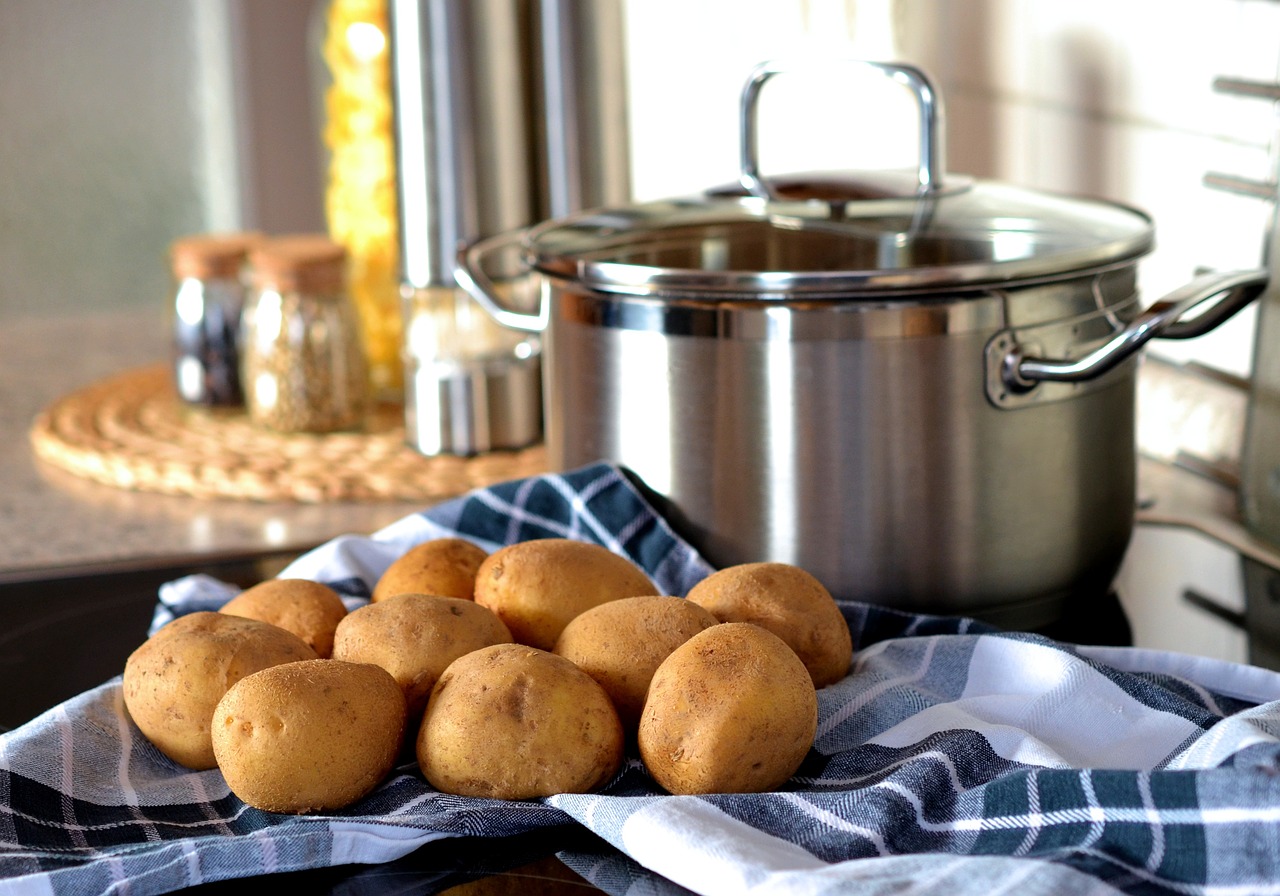
To keep your harvest fresh, you must understand the chemical relationship between potatoes and onions. While they are both staple pantry items, they are biologically incompatible storage partners. Storing them in the same bin or close proximity creates a cycle of decay that will significantly shorten the shelf life of both crops.
The primary issue stems from the natural gases these vegetables release as they age:
- Onions and Ethylene: Onions emit ethylene gas, a natural ripening agent. When potatoes are exposed to this gas, it triggers an accelerated sprouting process, causing your potatoes to develop eyes and soften prematurely.
- Potatoes and Moisture: Potatoes have a high water content and naturally release moisture into the air. Onions are highly sensitive to humidity; when they absorb this released moisture, they become soft, develop mold, and begin to rot rapidly.
When you store them together, the onion’s gas makes the potato sprout, while the potato’s moisture makes the onion rot. This interaction creates an environment where spoilage spreads from one vegetable to the other, often ruining an entire batch within days.
For the best results, treat these two crops as completely separate entities in your kitchen:
- Designate different zones: Keep potatoes in a cool, dark, and well-ventilated area, such as a pantry or a dedicated vegetable drawer.
- Prioritize airflow: Onions require dry, airy conditions to stay firm. Keep them in a mesh bag or a basket with plenty of circulation, away from any source of humidity.
- Avoid the “mixed bin”: Even if you have a large storage container, do not divide it with a simple partition. The gases will still circulate within the same immediate space.
By keeping these two staples in separate locations, you interrupt this cycle of decay. This simple adjustment in your storage habits will extend the longevity of your produce, reduce food waste, and ensure your ingredients remain firm and flavorful until you are ready to use them.
Recommended Storage Distance
To maximize the shelf life of your harvest, you must keep potatoes and onions physically separated. The ideal storage distance is at least 3 to 5 feet apart. If your pantry or kitchen layout is limited, placing them on opposite ends of a shelf or using separate, well-ventilated bins is sufficient to prevent rapid spoilage.
The primary reason for this distance is the chemical interaction between the two vegetables. Potatoes have a high moisture content and are sensitive to ethylene gas, a natural ripening agent released by onions. When stored in close proximity, the following occurs:
- Accelerated Sprouting: The ethylene gas emitted by onions triggers potatoes to sprout prematurely, significantly shortening their usable life.
- Increased Moisture Absorption: Onions are highly absorbent. When placed near damp potatoes, they soak up excess moisture, which leads to soft spots, mold, and rot.
- Flavor Transfer: Onions can absorb the earthy scent of potatoes, while potatoes may take on a pungent, onion-like odor, negatively affecting the quality of your meals.
For optimal results, prioritize airflow in your storage area. Potatoes prefer cool, dark, and dry environments, while onions thrive in cool, dry, and well-ventilated conditions. By maintaining this physical buffer, you prevent the “cross-contamination” of gases that causes both vegetables to break down weeks faster than they would if stored individually.
If you lack a large pantry, consider using vertical storage solutions. A tiered wire rack can provide the necessary distance if the bins are positioned far enough apart to allow for proper air circulation. Avoid storing either vegetable in airtight plastic bags, as this traps moisture and accelerates decay regardless of the distance between them. Always inspect your stored produce weekly; removing a single rotting potato or onion immediately prevents the spread of decay to the rest of your supply, further extending the freshness of your home-grown harvest.
Ideal Environmental Conditions
While spacing is critical to prevent cross-contamination and airflow obstruction, the environment in which you store your harvest is equally vital. Even if potatoes and onions are kept at the correct distance, they will spoil prematurely if the storage conditions are improper.
Potatoes thrive in a cool, dark, and well-ventilated location. Exposure to light triggers the production of solanine, which turns the skin green and can make the vegetable bitter or toxic. Furthermore, heat and light encourage premature sprouting. Ideal temperatures for long-term potato storage range between 45°F and 50°F.
Onions require a slightly different approach. They prefer a cool, dry, and exceptionally airy environment. Excess humidity is the primary enemy of onions, often leading to soft spots and rot. To maintain peak quality, follow these environmental best practices:
- Prioritize Airflow: Use mesh bags, wire baskets, or wooden crates with slats. Never store produce in sealed plastic bags, as these trap moisture and create a breeding ground for mold and bacteria.
- Control Humidity: Keep storage areas away from damp basements or laundry rooms. High humidity levels will cause both potatoes and onions to deteriorate rapidly.
- Maintain Darkness: Keep both crops away from direct sunlight. A dark pantry, cellar, or insulated garage cabinet is usually sufficient.
- Check Regularly: Even with perfect conditions, inspect your stash weekly. Remove any individual potato or onion that shows signs of softening or sprouting immediately; one decaying vegetable can quickly compromise the rest of the batch by releasing ethylene gas.
By mimicking these environmental conditions, you can significantly extend the shelf life of your harvest. Remember that while potatoes and onions share a need for cool, ventilated air, their specific moisture requirements differ slightly. If you have limited space, prioritize the driest spot for your onions and the darkest, coolest corner for your potatoes to ensure both crops remain firm and flavorful for months to come.
Safety and Tool Usage During Storage Setup
Building a custom storage system for your harvest requires both precision and a commitment to safety. Whether you are constructing wooden crates or installing heavy-duty shelving, your physical well-being must remain the top priority throughout the assembly process.
If your project involves power tools, such as circular saws or electric drills, always wear impact-resistant safety glasses. These protect your eyes from fine sawdust, wood chips, and potential debris. Before starting, clear your workspace of clutter to ensure you have stable footing and adequate room to maneuver materials safely.
When modifying existing containers, such as cutting ventilation holes into cardboard boxes, use sharp utility knives with caution. Always follow these standard safety protocols to prevent accidental injury:
- Always cut away from your body and keep your free hand behind the blade’s path.
- Use a self-healing cutting mat or a sacrificial piece of scrap wood underneath your work surface.
- Keep blades sharp; a dull blade requires more force, which increases the likelihood of slipping.
- Retract or cover the blade immediately after finishing your cuts.
Once your storage units are assembled, structural integrity is paramount. Root vegetables like potatoes and onions can become surprisingly heavy when stored in bulk. To prevent accidents, ensure all shelving units are securely anchored to wall studs using appropriate hardware, such as L-brackets or heavy-duty anchors. A tipping shelf not only risks damaging your hard-earned produce but can also cause significant injury.
Finally, test the stability of your setup before loading it to capacity. Gently push against the shelving to ensure there is no wobbling or shifting. By taking these precautions during the setup phase, you create a reliable environment that protects both your harvest and your workspace. Proper preparation allows you to focus on the long-term goal: keeping your potatoes and onions fresh and well-ventilated throughout the winter months.
Common Storage Questions and Maintenance
Even with the perfect storage setup, your work isn’t finished once the harvest is tucked away. Regular maintenance is essential to ensure your produce lasts through the winter months without spoiling.
Make it a habit to inspect your potatoes and onions at least once every two weeks. During these checks, look specifically for:
- Soft spots or decay: If you find a potato that has turned mushy or is leaking fluid, remove it immediately. One rotting potato can quickly spread bacteria and moisture to the surrounding vegetables, leading to a chain reaction of spoilage.
- Sprouting: While minor sprouts can be trimmed, significant sprouting indicates that the storage area is too warm or humid. Eat these vegetables first.
- Musty odors: If you detect a damp or moldy smell in your pantry or basement, act quickly. Clean the storage containers and the surrounding area with a mild vinegar solution to eliminate residual mold spores that could compromise your remaining stock.
If you find that your harvest is simply too large for your available storage space, do not force them into suboptimal conditions. Storing vegetables in a space that is too warm or lacks proper airflow will cause them to degrade rapidly. Instead, consider these preservation methods:
Freezing Onions: You can chop onions and freeze them raw in freezer-safe bags. While they will lose their crunch, they remain perfect for soups, stews, and stir-fries.
Canning Potatoes: If you have an abundance of potatoes, pressure canning is a safe, effective way to store them for long-term use. Canned potatoes are shelf-stable for a year or more and are ready to use for quick weeknight meals.
By staying vigilant and knowing when to transition from fresh storage to preservation, you minimize food waste and maximize the utility of your hard-earned garden harvest. Always prioritize cool, dark, and well-ventilated conditions to keep your produce in its best possible state.
