How to Clean a Cooktop Stove Safely and Effectively
To clean a cooktop stove effectively, use a mixture of baking soda and vinegar to break down stubborn grease and grime. This simple, natural approach restores your appliance’s shine without the need for harsh chemicals or expensive cleaners. A clean cooktop not only looks better but also functions more efficiently and lasts longer.
Achieving a pristine surface requires patience and the right technique, especially when dealing with burnt-on food. While deep stains may take several applications to lift completely, regular maintenance prevents buildup from becoming permanent. Understanding your specific stove type is essential to ensure you use safe, non-abrasive tools that protect your appliance’s finish.
This comprehensive guide covers the best methods for cleaning glass, electric, and gas cooktops using common household items and proper techniques to avoid damage. We will walk you through step-by-step instructions for scrubbing safely and polishing your stovetop to a streak-free finish. Follow these practical tips to keep your kitchen looking brand new.

Essential Safety Precautions Before You Begin
Before you begin cleaning your cooktop, your primary priority must be safety. Cleaning a stove involves chemical agents and heat-sensitive surfaces, so taking a few moments to prepare correctly prevents injury and protects your appliance from permanent damage.
First, ensure the cooktop is completely cool to the touch. Applying liquid cleaners or water to a hot glass surface can cause thermal shock, which may lead to cracks or shattering. If you have recently finished cooking, wait at least 30 to 60 minutes for the residual heat to dissipate entirely.
For electric stoves, you must eliminate the risk of accidental activation. Follow these steps to secure the appliance:
- Turn all control knobs to the “off” position and verify they are locked if your model features a safety lock setting.
- If your stove has a plug accessible behind the unit, unplug it to ensure no power reaches the heating elements.
- If the stove is hardwired, consider flipping the corresponding circuit breaker in your home’s electrical panel to the “off” position for total peace of mind.
Protecting your physical health is just as important as protecting the equipment. Most effective degreasers and abrasive cleaners contain chemicals that can irritate or burn the skin. Always wear heavy-duty rubber gloves during the process. These provide a necessary barrier against harsh surfactants and prevent direct contact with stubborn grease or burnt-on food residue that may harbor bacteria.
Finally, ensure your kitchen is well-ventilated. Open a nearby window or turn on your range hood exhaust fan before applying any chemical cleaners. Proper airflow prevents the inhalation of concentrated fumes, allowing you to clean effectively without compromising your respiratory health. By following these precautions, you create a controlled, safe environment that allows you to focus on achieving a streak-free shine without unnecessary risks. Once you have confirmed the surface is cool, the power is disconnected, and your hands are protected, you are ready to begin the cleaning process.
Cleaning Glass and Induction Cooktops
Glass and induction cooktops offer a sleek appearance, but their surfaces are notoriously prone to scratches and streaks. To maintain the integrity of the glass, avoid using abrasive scrubbers like steel wool or harsh scouring pads, as these will cause permanent surface damage.
For routine maintenance, a gentle approach is most effective. Follow these steps to clean your cooktop safely:
- Mix a solution of equal parts white vinegar and water, or opt for a specialized cooktop cleaning cream.
- Apply the solution directly to the surface and allow it to sit for several minutes. This dwell time is essential to soften grease and loosened grime.
- Wipe the surface clean using a soft microfiber cloth, moving in gentle, circular motions to lift away residue without scratching the glass.
If you encounter stubborn, burnt-on food, do not attempt to scrub it off with force. Instead, use a specialized cooktop scraper designed specifically for glass surfaces. When using a scraper, hold the blade at a very shallow angle—nearly flat against the glass—to glide under the debris. Applying too much pressure or holding the tool at a steep angle can gouge or chip the cooktop surface.
After scraping, wipe the area with a damp cloth to remove any remaining particles. Always ensure the cooktop is completely cool to the touch before applying any cleaning agents or tools. Cleaning a hot surface can cause the glass to crack due to thermal shock and may cause your cleaning solution to evaporate too quickly, leaving behind stubborn streaks.
By prioritizing soft materials and proper technique, you can keep your glass or induction stove looking brand new for years. Regular, light cleaning sessions are significantly more effective than attempting to remove layers of baked-on food, so try to wipe down the surface after every use once the unit has cooled down.

Maintaining Electric Coil Stoves
Maintaining electric coil stoves requires regular attention to prevent grease buildup that can become a fire hazard. By cleaning the removable components properly, you ensure your appliance operates efficiently and stays looking like new.
First, ensure the coils are completely cool before you begin. Gently pull the coil element away from the electrical receptacle—do not force it—and lift it out. Once removed, you can safely clean the metal drip pans located underneath.
Follow these steps for a deep clean:
- Soak the pans: Place the metal drip pans in a sink filled with hot, soapy water. Let them soak for at least 15 to 20 minutes to loosen stubborn, baked-on food.
- Tackle tough stains: If the pans remain stained, create a thick paste using two parts baking soda and one part water. Apply the paste to the affected areas, let it sit for another 15 minutes, and scrub gently with a non-abrasive sponge.
- Wipe the coils: While the pans soak, take a damp cloth and wipe down the actual heating coils. Avoid using harsh chemicals or excessive water. Never submerge the electrical plug end in liquid, as this can damage the internal wiring.
After scrubbing the drip pans, rinse them thoroughly with warm water to remove all soap residue. This is a crucial step, as leftover soap can smoke or burn when the burner is turned on again. Use a microfiber towel to dry the pans completely; any residual moisture can lead to rust or cause a short circuit when reconnected.
Once everything is bone-dry, align the coil prongs with the receptacle and push them back into place until they sit level. Always double-check that the coil is seated flat and secure before turning the burner back on. Regular maintenance—ideally every few weeks—prevents grease from hardening, making your kitchen chores significantly faster and safer in the long run.
Deep Cleaning Gas Stove Grates and Burners
Over time, gas stove grates and burner heads accumulate stubborn grease and carbon buildup that regular wiping cannot remove. To restore them, start by removing the iron grates and soaking them in a basin filled with hot water and a generous squirt of grease-cutting dish soap. Let them sit for at least 30 minutes to soften the residue.
Once soaked, use a soft-bristled brush to scrub away the loosened carbon. Avoid using steel wool or harsh abrasive pads, as these can scratch the enamel finish and lead to future rust. If stubborn spots remain, a paste made of baking soda and water can provide extra scouring power without damaging the metal.
The burner heads require more delicate attention to ensure your stove ignites safely and burns evenly. Inspect the small gas ports around the perimeter of each head. If they appear clogged with food debris or burnt-on grease, follow these steps:
- Use a non-metallic pin or a thin needle to gently clear any blockages from the ports.
- Never use wooden toothpicks for this task, as they can easily snap off and become permanently lodged inside the burner, which may cause uneven flames or ignition failure.
- Use a soft brush to sweep away any loose particles from the surface of the burner head.
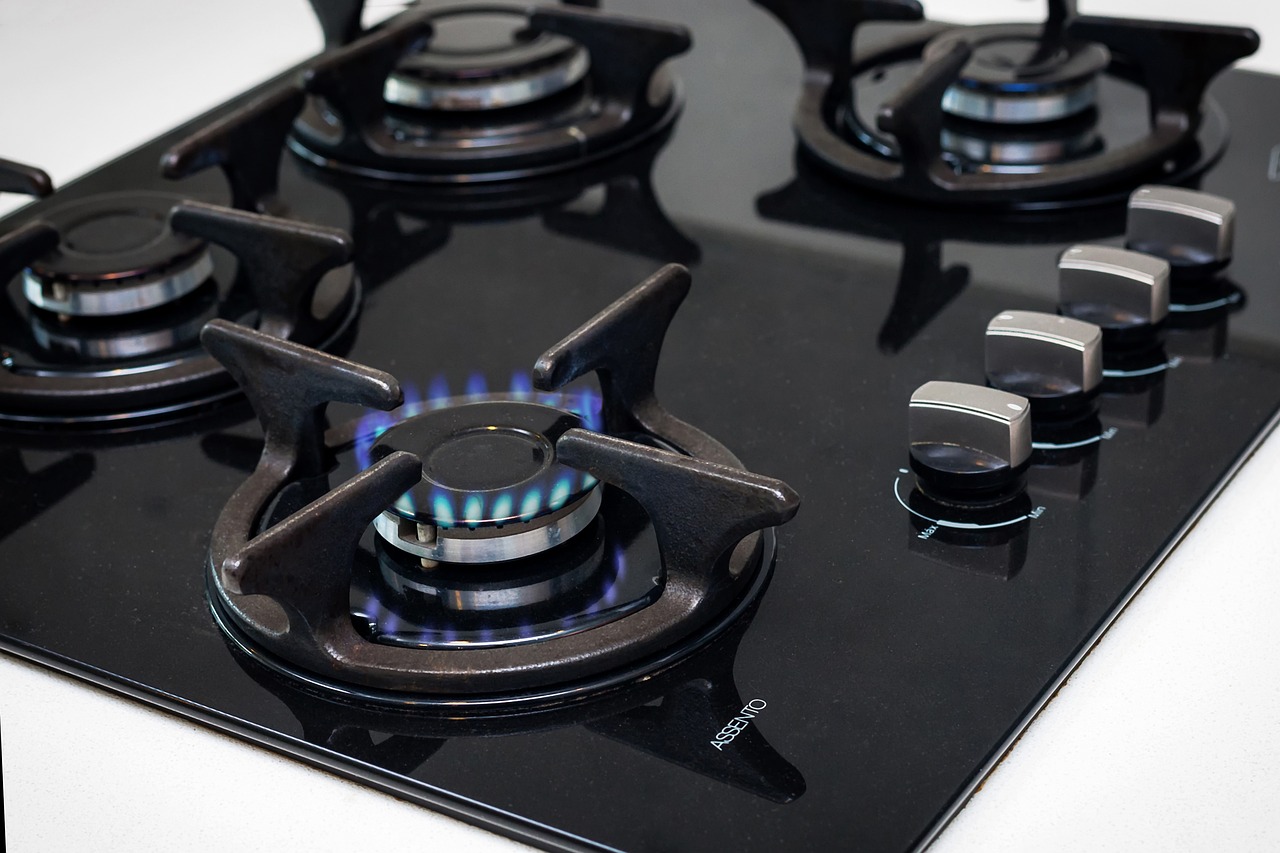
After cleaning, the most critical step is moisture control. Use a clean, dry microfiber cloth to wipe down every component thoroughly. Moisture is the primary enemy of cast iron and burner components, as it can cause rapid oxidation and rust. Ensure the parts are completely air-dried before reassembling the stove. Placing damp grates or burners back onto the cooktop can trap water against the stove surface, potentially leading to corrosion. Once everything is bone-dry, carefully align the burner heads and grates back into their original positions. Test each burner briefly to confirm that the flames burn blue and steady, indicating that the ports are clear and the system is functioning correctly.
Preventative Care and Common Maintenance Questions
Maintaining a pristine cooktop is easier when you adopt a proactive approach to daily use. The most effective way to prevent stubborn, baked-on stains is to address spills immediately. Once the surface has cooled to the touch, wipe away liquids or food debris using a soft, damp microfiber cloth. Allowing spills to remain on the glass or metal surface subjects them to repeated heating cycles, which carbonizes the residue and makes future removal significantly more difficult.
Your choice of cookware also plays a vital role in surface longevity. To prevent unsightly scratches and permanent abrasions on glass-top stoves, avoid dragging heavy cast iron pans across the surface. Always lift your cookware when moving it to a different burner. Furthermore, ensure the bottoms of your pots and pans are clean and dry before placing them on the heat; residual grease on the underside of a pan will transfer to the cooktop and burn instantly, creating a localized stain that is tough to remove.
Routine cleaning is about more than just aesthetics; it is a critical safety practice. Accumulated grease and food particles can become a fire hazard if left to build up over time. Aim to perform a thorough cleaning of your cooktop at least once a week using a non-abrasive cleaner designed specifically for your appliance type.
If you encounter any of the following issues, discontinue use of the cooktop immediately and contact a qualified professional technician:
- Persistent odors of gas lingering near the unit.
- Uneven or flickering flames on gas burners.
- Visible electrical sparking or clicking sounds when the unit is turned off.
- Cracks or deep gouges in glass-ceramic surfaces.
By staying observant and addressing minor messes as they occur, you extend the lifespan of your appliance and ensure a safer cooking environment for your household. Never attempt to disassemble internal components yourself, as this can void your warranty and pose significant safety risks.