How to Deep Clean Your Samsung Dishwasher for Optimal Performance
To deep clean your Samsung dishwasher, start by removing and scrubbing the filter, then run a hot cycle with white vinegar to eliminate buildup. This simple process effectively removes stubborn food particles, mineral deposits, and unpleasant odors, ensuring your appliance operates at peak efficiency while keeping your kitchenware sparkling clean every single time.
Maintaining a dishwasher requires consistency, as hard water and leftover debris can quickly compromise performance. While modern appliances are designed for convenience, they are not self-cleaning machines. By dedicating time to routine maintenance, you prevent long-term mechanical issues, extend the lifespan of your unit, and guarantee consistently hygienic results for your family.
This guide provides a clear, step-by-step approach to deep cleaning your Samsung dishwasher with common household items. We will walk you through inspecting the spray arms, clearing the drainage system, and sanitizing the interior surfaces. Follow these practical tips to restore your machine’s power and achieve the spotless, streak-free dishes you deserve.

Essential Safety and Preparation
Before you begin deep cleaning your Samsung dishwasher, safety must be your top priority. Start by turning off the dishwasher completely. For maximum protection, unplug the unit from the wall outlet. If your dishwasher is hard-wired, locate your home’s electrical panel and flip the corresponding circuit breaker to the “off” position. This prevents the machine from accidentally activating while you are working inside the drum.
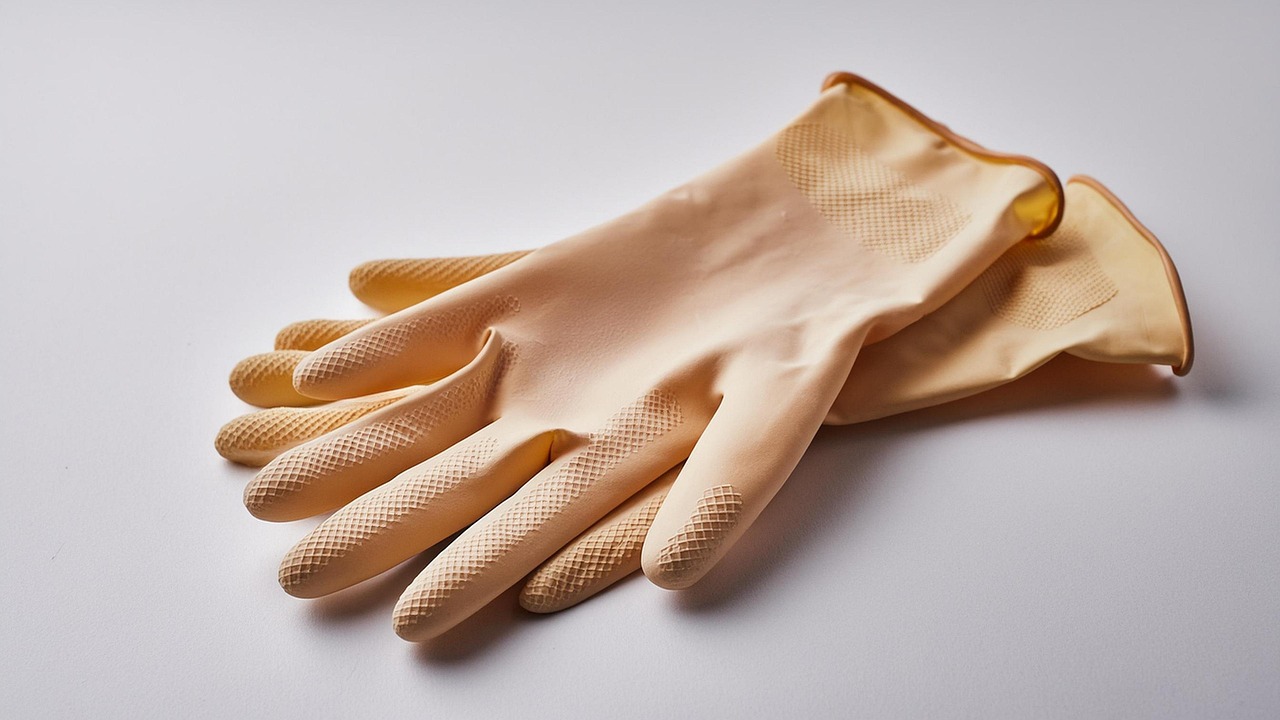
Protect your skin by wearing heavy-duty rubber gloves. Dishwasher interiors often harbor sharp debris, such as broken glass or metal fragments trapped in the filter, and residual hot water can cause irritation. Gloves provide a necessary barrier against these hazards and the harsh cleaning agents you will be using.
Efficiency relies on having the right tools ready before you start. Gather the following supplies to ensure you can complete the cleaning process without interruption:
- White vinegar: A natural disinfectant and descaler for mineral deposits.
- Baking soda: Excellent for neutralizing odors and scrubbing away stubborn grime.
- Soft-bristle brush: Ideal for cleaning the filter and tight corners without scratching plastic or stainless steel components.
- Toothpick: A precise tool for clearing debris from spray arm nozzles.
- Microfiber cloth: Perfect for wiping down seals and exterior surfaces without leaving lint behind.
Once you have gathered these items, clear the area around the dishwasher. Having a clean, well-lit workspace allows you to maneuver easily while handling internal components. If you are also a home gardener, remember that the vinegar and baking soda solution used for your dishwasher should not be disposed of in your garden beds. While these items are household staples, the concentrated acidity of vinegar can alter soil pH levels, and excessive sodium from baking soda can be detrimental to plant health. Always pour your cleaning rinse water down a standard household drain rather than onto your lawn or into your garden soil to keep your plants thriving and safe from chemical runoff.
Cleaning the Filter and Drain
The filter is the most common culprit behind persistent odors and poor drainage in your Samsung dishwasher. Over time, food particles, grease, and mineral deposits accumulate here, which can degrade cleaning performance and harbor bacteria. Regular maintenance of this component is essential for a hygienic kitchen environment.
To begin, locate the filter assembly at the bottom of the dishwasher tub. You will typically see a cylindrical unit. Firmly grasp the handle, twist it counter-clockwise to unlock the mechanism, and lift it straight out of the housing.
Once removed, follow these steps to restore its efficiency:
- Scrub the mesh: Rinse the filter under hot running water to dislodge loose debris. Use a soft-bristled brush or an old toothbrush dipped in warm, soapy water to gently scrub the fine mesh screen. Avoid using harsh metal brushes or scouring pads, as these can tear the delicate mesh.
- Clear the drain area: Peer into the open cavity where the filter was seated. Use a flashlight to inspect the bottom of the drain for trapped food, glass shards, or plastic bits.
- Extract debris: If you spot stubborn items, use a toothpick or a pair of tweezers to carefully lift them out. Never force a sharp metal object into the drain, as this can damage the internal seals or the delicate components of the pump.
After cleaning, inspect the filter assembly for any signs of physical damage or cracks. If the mesh is torn, it will fail to trap food, potentially clogging your drain hose or damaging the pump. If it appears intact, slide the filter back into its original position and twist it clockwise until you feel a firm click. Ensuring the filter is properly locked into place is vital; if it is loose, dirty water will bypass the filtration system and recirculate onto your dishes, leaving behind unsightly residue.

Refreshing the Interior and Spray Arms
Over time, food particles and mineral deposits accumulate inside your Samsung dishwasher, leading to unpleasant odors and reduced cleaning efficiency. A deep clean starts with the interior surfaces. Using a soft, damp cloth, wipe down the walls, floor, and door seals. Pay special attention to the rubber gasket around the door, as mold and debris often hide in these crevices. If you notice persistent grime, a mild solution of soap and water is safe to use, but avoid harsh chemicals that could damage the finish.
Next, inspect the spray arms. These components are essential for water distribution, but their small nozzles frequently become clogged with hard water scale or food debris. To check them, gently rotate the arms to ensure they spin freely. If you spot a blockage, use a thin wire, a paperclip, or a wooden toothpick to carefully dislodge the debris. Avoid using anything too sharp that might enlarge or damage the plastic nozzles.
Once the interior is clear of loose debris, perform a two-step deep clean to sanitize the system:
- Vinegar Cycle: Place a dishwasher-safe bowl filled with one cup of white vinegar on the top rack. Run a hot water cycle without any detergent. The vinegar acts as a natural descaler, effectively breaking down mineral buildup and cutting through grease.
- Baking Soda Refresh: After the vinegar cycle finishes, sprinkle a cup of baking soda across the bottom of the dishwasher floor. Run a short, hot rinse cycle. This step neutralizes lingering odors and leaves the interior smelling fresh and clean.
By performing this maintenance routine every few months, you ensure your dishwasher operates at peak performance while preventing the buildup of bacteria and mold. Always check your owner’s manual for specific cleaning recommendations unique to your Samsung model, as some newer units have delicate sensors that require specific care during the cleaning process.
Exterior Maintenance and Door Seals
Maintaining the exterior of your Samsung dishwasher not only keeps your kitchen looking pristine but also prevents the buildup of grime that can damage the finish over time. For stainless steel models, use a dedicated stainless steel cleaner or a soft, damp microfiber cloth. Always wipe in the direction of the metal’s grain to avoid unsightly streaks and smudges. Avoid using abrasive sponges or harsh chemicals like bleach, as these can permanently scratch or discolor the surface.
The rubber door gasket is the most critical area for hygiene, as it frequently traps food particles, moisture, and soap residue. If left unchecked, this environment becomes a breeding ground for mold and mildew, which can lead to unpleasant odors and poor sealing performance. To maintain the gasket effectively, follow these steps:
- Gently pull back the folds of the rubber seal to inspect the hidden crevices for debris or discoloration.
- Prepare a mild cleaning solution by mixing a few drops of gentle dish soap with warm water.
- Dip a soft cloth or a clean, soft-bristled toothbrush into the solution and scrub the gasket thoroughly, paying close attention to the inner folds.
- Wipe the area down with a fresh, damp cloth to remove any remaining soap residue.
- Dry the seal completely with a clean towel. Moisture left behind is the primary cause of recurring mold, so ensure the surface is bone-dry before closing the door.
If you notice persistent mold or stubborn stains, you can use a solution of one part white vinegar to three parts water. Avoid using pure bleach on the rubber, as it can cause the material to become brittle and crack over time, which compromises the dishwasher’s ability to seal properly. By incorporating this quick inspection into your routine cleaning schedule, you protect your appliance’s integrity and ensure a fresh, sanitary kitchen environment. Consistent care prevents long-term damage and keeps your Samsung dishwasher running efficiently for years to come.
Troubleshooting and Long-Term Care
Maintaining your Samsung dishwasher requires a blend of consistent habits and gentle care to ensure peak performance. The most effective way to prevent clogs and odors is to scrape all excess food scraps into the trash or compost bin before loading your dishes. While modern machines are powerful, they are not designed to handle large solid food particles, which can quickly obstruct the drain filter and spray arms.
To keep the interior hygienic and the mechanical components running smoothly, perform a deep cleaning cycle at least once a month. Use a specialized dishwasher cleaner or a simple mixture of white vinegar and baking soda to dissolve mineral deposits and grease buildup. When cleaning, always follow these safety guidelines:
- Avoid harsh chemicals like bleach, which can corrode stainless steel interiors and damage delicate rubber seals.
- Use only soft cloths or non-abrasive sponges to wipe down the door gaskets and interior walls. Abrasive pads can create microscopic scratches that harbor bacteria and compromise the seal’s integrity.
- Check the spray arms regularly for debris; if the holes are blocked, use a toothpick to gently clear them.
Even with diligent maintenance, mechanical issues can arise over time. If you notice persistent leaks, recurring error codes on the display panel, or unusual grinding noises after you have completed a thorough cleaning, it is time to call a professional technician. Attempting to disassemble internal pumps or electronic control boards without proper training can void your warranty and lead to costly repairs.
Finally, remember that the quality of your wash is directly tied to the health of your machine. By avoiding heavy-duty scouring agents and keeping the filter clear of debris, you protect the internal sensors and mechanical parts from premature wear. Consistent, gentle care is the best strategy to extend the lifespan of your appliance and ensure your dishes come out spotless every time.
