How to Deep Clean Your Dishwasher Filter for Better Performance
A dirty dishwasher filter is the most common cause of poor cleaning results and unpleasant odors. This guide explains how to safely remove, clean, and reinstall your filter to keep your appliance running efficiently. Regularly maintaining this component prevents food buildup from clogging your system and ensures your dishes come out sparkling clean every cycle.
While many homeowners overlook this task, cleaning your filter is a simple process that takes less than ten minutes. You do not need expensive chemicals or professional tools to get the job done effectively. Most filters can be easily accessed at the bottom of the tub, requiring only warm water and soap.
In the following sections, we will walk you through the step-by-step removal process for various dishwasher models. You will learn how to scrub away stubborn debris without damaging the delicate mesh screen. Follow these practical tips to restore your machine’s performance and maintain a fresh, hygienic kitchen environment for your entire family.

Preparation and Safety Precautions
Before you begin the cleaning process, safety must be your top priority. Dishwashers contain sharp components and heating elements that can cause injury if handled improperly. Taking a few minutes to prepare your workspace ensures a smooth, hazard-free experience.
First, disconnect the power supply. Locate your dishwasher’s plug and unplug it from the wall outlet. If your unit is hardwired, switch off the corresponding circuit breaker in your home’s electrical panel. This step is essential to prevent the machine from accidentally activating while your hands are inside the filter assembly.
Next, allow the appliance to cool. If you have recently run a cycle, the interior components and any trapped water may be hot. Wait at least 30 minutes after the cycle finishes before attempting to remove the filter. This prevents accidental burns from steam or heated metal parts.
Finally, protect your skin. The filter assembly often traps sharp debris, such as broken glass, jagged plastic fragments, or hard food particles. To stay safe, follow these steps:
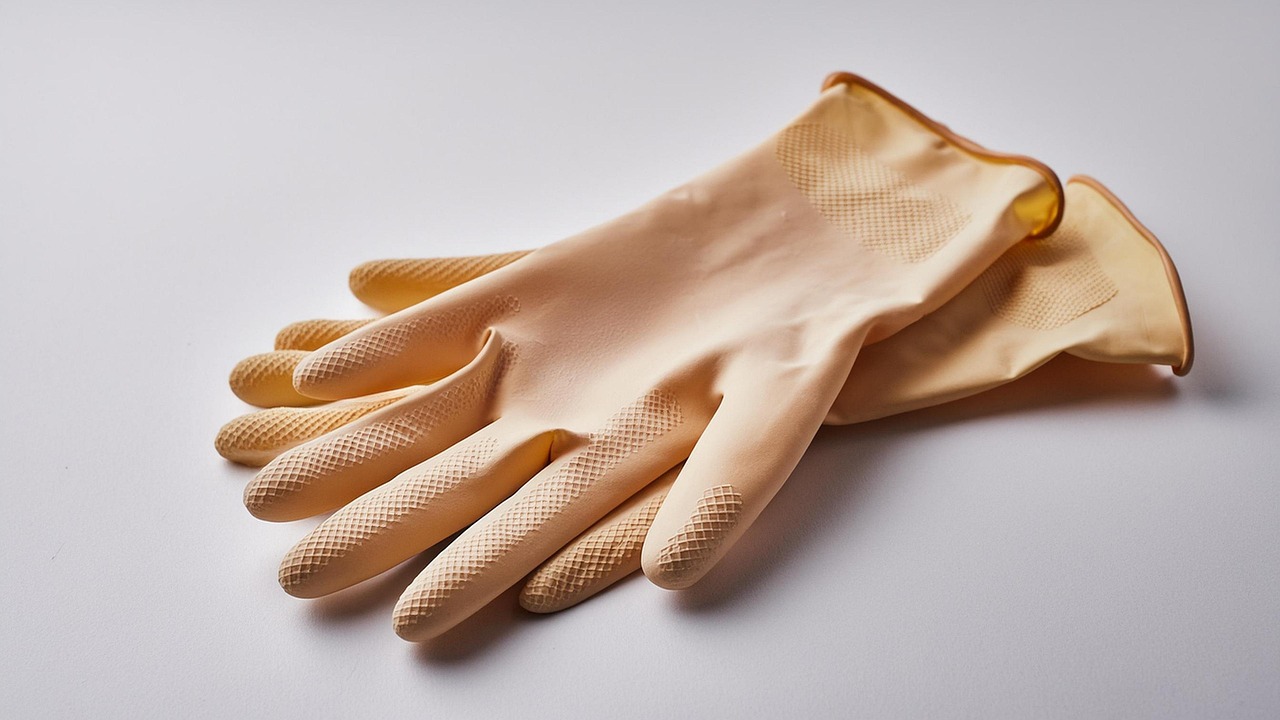
- Wear thick, puncture-resistant rubber gloves. These provide a better grip and protect your hands from both sharp objects and harsh cleaning chemicals.
- Clear the bottom rack of the dishwasher completely to provide yourself with ample working space.
- Place a towel on the floor in front of the dishwasher to catch any water that may spill during the removal process.
- Keep a small bowl or container nearby to hold the filter and any loose debris you remove, preventing them from falling back into the drain or onto your floor.
By taking these precautions, you minimize the risk of injury and ensure you can focus entirely on the task of restoring your dishwasher’s efficiency. Never attempt to force the filter out if it seems stuck; check your owner’s manual for the specific release mechanism to avoid damaging the internal plastic housing.
Locating and Removing the Filter
To begin the cleaning process, start by pulling out the bottom rack of your dishwasher. This provides clear access to the floor of the unit, where the filter assembly is housed. In most modern dishwashers, you will find a cylindrical filter located at the very base of the machine, typically near the spray arm.
Once you have located the unit, follow these steps to remove it safely:
- Grip the filter cap firmly with your hand.
- Rotate the cap counter-clockwise to unlock the mechanism.
- Gently lift the entire filter assembly straight up and out of the housing.
It is important to exercise caution during this step. If the filter feels stuck or does not turn easily, do not force it. The components are often made of durable but brittle plastic that can crack under excessive pressure. If you encounter resistance, check for any large debris, such as a stray piece of silverware or a broken glass shard, that might be wedged against the base of the filter. Use a pair of tongs to carefully remove any obstructions before attempting to twist the filter again.
If the filter remains difficult to move, consult your appliance’s user manual. Some specific models feature a secondary locking tab or a different release mechanism that requires a specific technique. Once the filter is removed, set it aside on a paper towel to prevent any trapped grease or food particles from staining your countertop.
Keeping the filter clear is vital for the longevity of your dishwasher. A clogged filter forces the pump to work harder, which can lead to premature mechanical failure. By removing and cleaning this component regularly—ideally once a month—you ensure that your dishes come out sparkling clean while protecting your appliance from unnecessary wear and tear. Always handle the assembly with care to maintain the integrity of the plastic seals and locking tabs, ensuring a secure fit when you are ready to reinstall the unit.

Step-by-Step Cleaning Process
Begin the cleaning process by removing the filter from the base of your dishwasher. Once extracted, hold it directly under hot running water. The heat helps soften stubborn residue, allowing you to rinse away loose food particles and debris that have accumulated during recent cycles. Use a steady stream to clear the mesh thoroughly before moving to the next stage.
For persistent grease and mineral buildup, you will need a gentle mechanical touch. Apply a small amount of mild dish soap to a soft-bristled brush or a clean, repurposed toothbrush. Gently scrub the mesh screen in a circular motion, ensuring you reach into the crevices where calcification often hides. This method effectively breaks down grime without compromising the integrity of the filter components.
To ensure the longevity of your appliance, adhere to these safety precautions:
- Avoid metal tools: Never use steel wool, wire brushes, or sharp metal scrapers. These can easily tear or puncture the delicate mesh, allowing large debris to enter the pump assembly.
- Skip abrasive pads: Harsh scouring pads can scratch the plastic housing or fray the filter screen, leading to premature failure.
- Check for damage: While scrubbing, inspect the frame for any cracks or loose seals. A damaged filter cannot effectively protect your dishwasher’s internal drainage system.
Once the filter appears clean and the mesh is clear of obstructions, give it one final rinse under hot water to remove any remaining soap suds. Shake off the excess moisture before reinstalling it into the dishwasher. Properly seating the filter is critical; ensure it locks firmly into place according to your manufacturer’s instructions. A clean filter not only improves drainage efficiency but also prevents unpleasant odors from circulating in your kitchen. By performing this simple maintenance task every few weeks, you protect your appliance from costly repairs and ensure your dishes emerge spotless after every wash cycle.
Reinstalling the Filter and Maintenance
Before reinstalling your dishwasher filter, take a moment to inspect the empty housing area. Even after removing the filter, small food particles, glass shards, or mineral deposits often hide in the crevices at the bottom of the tub. Use a damp paper towel or an old toothbrush to gently wipe away any lingering debris. Clearing this space ensures that water flows freely and prevents your newly cleaned filter from becoming immediately obstructed.
To reinstall the filter, slide it back into the housing, ensuring it sits flush with the base of the dishwasher. Align the locking tabs carefully; they should glide into position without force. Once seated, twist the filter clockwise until you feel a firm, audible click. This locking mechanism is essential to prevent the filter from shifting during the high-pressure wash cycle, which could lead to poor cleaning performance or potential damage to the pump.
Establishing a consistent maintenance routine is the most effective way to prevent future clogs and extend the lifespan of your appliance. By adopting these simple habits, you can significantly reduce the frequency of deep cleaning sessions:
- Scrape, don’t rinse: Remove large food scraps and bones from plates before loading them. Rinsing is unnecessary, but solid debris is the primary cause of filter blockages.
- Monthly vinegar cycle: Once a month, place a dishwasher-safe bowl filled with one cup of white vinegar on the top rack. Run a hot water cycle without any other dishes. This helps dissolve mineral buildup and cuts through hidden grease inside the spray arms and filter housing.
- Check the drain: Periodically inspect the air gap or drain hose connection under your sink to ensure there are no obstructions preventing water from exiting the machine.
By keeping the filter housing clear and maintaining a regular cleaning schedule, you ensure your dishwasher operates efficiently, uses less water, and consistently delivers spotless results for every load.
Common Questions and When to Seek Help
Even after a thorough filter cleaning, you may encounter lingering issues. If you notice persistent foul odors or water pooling at the bottom of the tub, the problem likely lies beyond the filter. A blocked or kinked drain hose often prevents proper water evacuation. Check the hose connection under your sink for obstructions or debris before assuming the pump has failed.
Inspect the filter mesh and housing closely during every cleaning. If you observe any of the following, do not attempt a repair; replace the component immediately to avoid costly pump damage:
- Visible cracks, tears, or holes in the mesh screen.
- Warped plastic frames that prevent the filter from seating flush.
- A locking mechanism that feels loose, stripped, or fails to click securely into place.
Operating your dishwasher with a compromised filter allows food particles and sediment to bypass the protective barrier. This grit can score the pump impeller or clog the internal spray arms, leading to much more expensive mechanical failures over time.
Always consult your manufacturer’s manual to identify the exact part number for your specific dishwasher model. Using generic or ill-fitting filters can bypass safety seals and lead to leaks or poor cleaning performance.
If you have cleared the filter, verified the drain hose is unobstructed, and ensured the replacement part is installed correctly, but the dishwasher still fails to drain or produces error codes, it is time to seek professional help. Persistent malfunctions often indicate a failing drain pump, a faulty check valve, or an electrical issue within the control board. Contact a certified appliance technician to diagnose these internal components safely.
Attempting to disassemble the pump housing or electrical components without proper training can void your warranty and pose significant safety risks. When in doubt, prioritize professional service to protect your appliance and your home from potential water damage.
