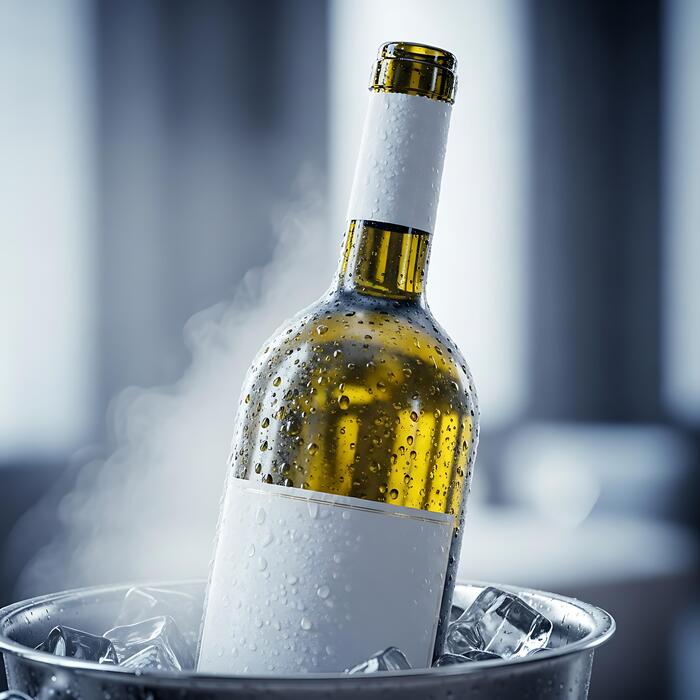
Best Temperature For Wine Chiller
The best temperature for wine chiller isn’t a single, universal number, but rather a range that depends on the wine type. Many wine enthusiasts struggle with this, often storing all wines at one setting, which compromises flavor and longevity. You’re here because you want to ensure your collection is perfectly preserved and ready to be enjoyed at its peak. This guide will clarify optimal temperatures for reds, whites, sparkling wines, and even long-term storage, helping you master your chiller settings for every bottle.
Why Wine Temperature Matters
How Temperature Changes Wine Taste
The temperature at which wine is stored and served dramatically influences its taste profile and aromatic expression. When wine is too warm, its alcohol can become volatile and overpowering, masking delicate fruit flavors and making the wine taste flabby and disjointed.
Conversely, wine served too cold can cause its aromas to become muted, tannins to feel harsher, and acidity to appear sharper, effectively dulling the wine’s complexity and reducing the overall enjoyment.
A wine chiller is crucial for maintaining the optimal temperature range that allows the wine’s inherent characteristics—such as its fruit, acidity, tannins, and body—to be perceived in perfect balance.
This precise control ensures that the wine’s intricate flavors and fragrant bouquet are fully expressed, providing the intended sensory experience rather than an impaired one. Therefore, the best temperature for a wine chiller is one that aligns with the wine’s ideal serving condition.
Serving Wine Too Warm or Too Cold
Serving wine at the wrong temperature can significantly detract from its quality. If a red wine is too warm, typically above 65°F (18°C), it will taste soupy, alcoholic, and lack freshness, losing its structural integrity.
Conversely, if white or sparkling wine is too warm, usually above 55°F (13°C), it will taste flat, lack crispness, and its refreshing qualities will be lost.
On the other hand, serving reds too cold (below 55°F/13°C) can make their tannins harsh and flavors astringent, while whites and sparkling wines served too cold (below 45°F/7°C) will have their delicate aromas and flavors completely suppressed.
A wine chiller provides the solution by allowing you to store wines at their ideal ready-to-serve temperatures. For most reds, this is typically 60-65°F (15-18°C), while whites and rosés benefit from 45-55°F (7-13°C), and sparkling wines are best at 40-50°F (4-10°C).
Setting your chiller to these specific zones ensures every pour is perfect.
Protecting Your Wine Investment
Beyond immediate serving pleasure, proper temperature control provided by a wine chiller is vital for preserving the long-term quality and value of your wine collection. Extreme or fluctuating temperatures are among the biggest enemies of wine, causing premature aging, spoilage, and irreversible damage.
Heat can ‘cook’ the wine, leading to a dull, stewed flavor and aroma, while rapid temperature changes can cause the cork to expand and contract, allowing oxygen to seep in and oxidize the wine.
A wine chiller maintains a consistent, cool temperature, ideally between 50-59°F (10-15°C) for long-term storage across most wine types, along with appropriate humidity levels. This stable environment slows down the aging process gracefully, allowing the wine to develop complexity and character as intended by the winemaker.
By investing in a reliable wine chiller, you are actively protecting your bottles from spoilage and ensuring that your wine investment matures beautifully, ready to be enjoyed at its peak.
Ideal Serving Temperatures for Different Wines
Best Temperatures for Red Wines
Red wines, especially full-bodied ones like Cabernet Sauvignon or Syrah, benefit from being served slightly below “room temperature,” typically between 60-65°F (15-18°C). Lighter reds, such as Pinot Noir or Beaujolais, are best enjoyed a bit cooler, around 55-60°F (13-15°C).
Storing red wines in a chiller at their ideal serving temperature ensures their complex aromas and flavors are not masked by excessive warmth. Avoid chilling reds too much, as this can make them taste overly tannic and astringent, muting their fruit characteristics.
A dedicated wine chiller allows for precise temperature control, preventing the common mistake of serving reds too warm. Set your wine chiller to the higher end of the red wine spectrum if you primarily store full-bodied reds, or slightly lower for lighter styles, aiming for consistency.
Best Temperatures for White and Rosé Wines
White and rosé wines generally shine when served chilled, but not excessively cold. The ideal range for most white wines, including Chardonnay (unoaked), Sauvignon Blanc, and Pinot Grigio, is typically between 45-50°F (7-10°C).
Fuller-bodied, oaked Chardonnays can benefit from being served a touch warmer, around 50-55°F (10-13°C), to allow their complexities to emerge. Rosé wines are best enjoyed similarly, between 45-50°F (7-10°C), to highlight their crispness and fruit.
Storing these in your wine chiller at these temperatures prevents them from becoming too cold, which can dull their delicate aromatics and flavors. An overly cold white or rosé will taste flat and lose its nuanced profile.
Adjust your chiller to maintain this crisp, yet not freezing, range for optimal enjoyment.
Best Temperatures for Sparkling Wines
Sparkling wines, including Champagne, Prosecco, and Cava, are best served well-chilled to preserve their effervescence and accentuate their refreshing qualities. The optimal serving temperature for most sparkling wines is quite cold, ranging from 40-45°F (4-7°C).
This colder temperature helps to maintain the delicate bubbles and crisp acidity that are hallmarks of these wines. If your wine chiller has a specific zone for sparkling wines, or if you can adjust it to this lower range, it’s highly recommended.
Serving sparkling wine too warm can result in a quick loss of bubbles and a flabby, less enjoyable taste. Ensure your chiller is set to provide a brisk, invigorating chill that enhances the celebratory nature of these wines, making every sip bright and lively.
Best Temperatures for Dessert and Fortified Wines
Dessert and fortified wines, such as Port, Sherry, Sauternes, and Ice Wine, have more varied ideal serving temperatures depending on their style. Lighter, sweeter dessert wines like Sauternes or Moscato d’Asti are best served chilled, around 45-50°F (7-10°C), similar to white wines, to balance their sweetness with refreshing acidity.
Fortified wines like Tawny Port or Madeira can be enjoyed slightly cooler than red wines, typically between 55-60°F (13-15°C), allowing their rich, complex flavors to fully develop without being dulled by excessive cold.
A wine chiller provides the flexibility to store these diverse styles at their respective optimal temperatures, ensuring their unique characteristics are presented beautifully. Set your chiller to accommodate these specific, nuanced temperature requirements for an exceptional tasting experience.
Long-Term Wine Storage Temperatures
The Golden Rule for Wine Storage
For optimal long-term wine preservation, the best temperature for a wine chiller is consistently around 55°F (12.8°C). While a slight range between 45°F and 65°F (7°C-18°C) is often cited as acceptable for general storage, the 55°F mark is widely regarded as the universal sweet spot by sommeliers and collectors alike.
This specific temperature range is ideal because it slows down the wine’s aging process without completely halting its evolution, allowing it to mature gracefully and develop complex flavors over time.
A dedicated wine chiller is designed to maintain this precise environment, actively protecting your investment from the detrimental effects of warmer temperatures. It ensures that the delicate balance of acids, tannins, and fruit characteristics remains intact, preserving the wine’s intended profile until it’s ready to be enjoyed.
Why Consistent Temperature is Key
Beyond merely hitting the ideal 55°F, consistency is paramount when considering the best temperature for your wine chiller. Frequent or drastic temperature fluctuations are far more damaging to wine than a slightly warmer, yet stable, environment.
When temperatures rise and fall, the wine inside the bottle expands and contracts, causing the cork to repeatedly swell and shrink. This movement can compromise the cork’s seal, allowing microscopic amounts of air to seep into the bottle and leading to premature oxidation.
Oxidation can strip wine of its vibrant fruit flavors, introducing undesirable nutty or sherry-like notes, effectively spoiling it. A high-quality wine chiller maintains a stable internal temperature, minimizing these harmful fluctuations and ensuring the integrity of the cork and the wine within, thus protecting its longevity and quality.
Preventing Wine Spoilage
Maintaining the optimal temperature in your wine chiller is a critical preventative measure against various forms of wine spoilage.
Temperatures significantly above 65°F (18°C) can accelerate the aging process dramatically, causing the wine to ‘cook’ or taste ‘baked.’ This results in a loss of freshness, dulling its flavors and aromas, and essentially rendering it lifeless.
Conversely, while less harmful, very low temperatures (below 45°F/7°C) can cause tartrate crystals to precipitate out of the wine, forming harmless but aesthetically unappealing ‘wine diamonds.’ By precisely controlling the temperature, your wine chiller actively prevents these environmental stressors from degrading your collection.
It safeguards the wine’s delicate chemical composition, ensuring that each bottle reaches its full potential and preserves the quality and value of your cherished vintages for years to come.
Choosing the Right Wine Chiller Type
Single Zone Wine Chillers Explained
Single zone wine chillers maintain one consistent temperature throughout the entire unit, making them ideal for individuals with a collection predominantly consisting of either red or white wines, or for those primarily focused on long-term storage.
For long-term storage of any wine type, the universally recommended temperature is around 55°F (13°C), which helps slow down the aging process without freezing or cooking the wine. If you mostly consume red wines, setting the chiller to 60-65°F (15-18°C) is perfect for serving.
Conversely, if your collection leans heavily towards white and sparkling wines, a setting of 45-50°F (7-10°C) will ensure they are perfectly chilled for immediate enjoyment.
The key is to choose a temperature that best suits the majority of your collection’s needs, prioritizing either optimal serving or consistent long-term preservation for a specific wine type.
Benefits of Dual Zone Wine Chillers
Dual zone wine chillers are the perfect solution for wine enthusiasts who enjoy both red and white wines and require them to be stored and served at their respective ideal temperatures. These units feature two distinct temperature compartments, allowing for precise control over different sections of your collection.
You can set one zone to the optimal red wine serving temperature, typically 60-65°F (15-18°C), while simultaneously setting the other zone for white and sparkling wines at 45-50°F (7-10°C). This eliminates the need to constantly adjust temperatures or use multiple cooling methods.
The primary benefit is convenience and proper wine care, ensuring that every bottle, whether a delicate Chardonnay or a robust Cabernet Sauvignon, is always ready to be enjoyed at its peak, preserving its unique flavor profile and aroma for the best possible tasting experience.
When to Consider Multi-Zone Chillers
Multi-zone wine chillers, offering three or more distinct temperature zones, are designed for serious collectors with an exceptionally diverse range of wines or specific aging requirements.
These advanced units allow for highly specialized storage conditions, accommodating everything from delicate vintage whites needing a cooler, stable environment, to full-bodied reds that benefit from slightly warmer, consistent aging temperatures, and even a third zone for dessert wines or specific serving temperatures.
If your collection includes rare vintages, a wide array of varietals, and bottles intended for extended aging, a multi-zone chiller provides the ultimate in precision temperature management.
This ensures each wine, regardless of its type or intended consumption date, is stored under its exact optimal conditions, maximizing its potential for development and guaranteeing an unparalleled drinking experience when the time is right for uncorking.
Setting and Monitoring Your Chiller Temperature
How to Set Your Chiller’s Temperature
Setting your wine chiller to the ideal temperature is crucial for preserving the quality and enhancing the taste of your wines. For long-term storage of all wine types, a consistent temperature of 55°F (12.8°C) is widely recommended, as it allows for graceful aging without premature oxidation or sluggish development.
If you primarily store red wines, a serving temperature range of 60-65°F (15-18°C) is often preferred, though 55-60°F is better for storage. White and rosé wines benefit from a cooler serving temperature of 48-52°F (9-11°C), while sparkling wines are best served chilled to 40-45°F (4-7°C).
To adjust your chiller, locate the digital control panel or thermostat within the unit, typically on the front display or inside near the top. Refer to your chiller’s user manual for precise instructions on how to navigate the settings and select your desired temperature.
Verify the temperature reading on the display after making adjustments to ensure it registers correctly. For mixed collections, consider a dual-zone chiller to accommodate different temperature requirements simultaneously, optimizing conditions for each wine type.
Checking Chiller Temperature Accuracy
Ensuring your wine chiller maintains the set temperature accurately is paramount for protecting your valuable collection. While most chillers feature a digital display, these can sometimes be inaccurate by a few degrees. To verify the actual temperature inside your unit, you should use an independent, calibrated thermometer.
A simple, accurate digital thermometer is ideal. For the most precise reading of the wine’s actual temperature, place the thermometer in a small glass of water or a bottle of wine inside the chiller. This method accounts for air temperature fluctuations and provides a more stable measurement.
Leave the thermometer inside for at least 4-6 hours, or ideally overnight, to allow it to stabilize and provide a true reading.
If the reading on your external thermometer consistently differs from your chiller’s display by more than 2-3°F (1-2°C), you may need to adjust your chiller’s settings accordingly or consider professional servicing. Regularly performing this check, perhaps quarterly, helps ensure optimal storage conditions are consistently met.
Tips for Maintaining Stable Temperatures
Maintaining a stable temperature within your wine chiller is as critical as setting the correct one, preventing thermal shock that can degrade wine quality. Firstly, choose an appropriate location for your chiller, away from direct sunlight, heat-emitting appliances like ovens or radiators, and areas prone to significant room temperature fluctuations.
Ensure the chiller has adequate ventilation around its sides and back; blocked vents can cause the unit to overwork and struggle to maintain temperature. Secondly, minimize door openings; each time the door is opened, warm air enters, forcing the unit to work harder to return to the set temperature.
Inspect the door seals regularly for any tears or gaps and clean them to ensure a tight, energy-efficient seal. A fuller chiller tends to maintain temperature more consistently than an empty one, as the bottles act as thermal mass.
If your collection is small, consider filling empty spaces with water bottles. Lastly, periodically clean the condenser coils (typically found at the back or bottom of the unit) to remove dust and debris, which can hinder cooling efficiency and lead to temperature instability.
Common Mistakes with Wine Chiller Temperatures
Overfilling Your Wine Chiller
A common but critical mistake is overfilling your wine chiller, which directly impacts its ability to maintain a consistent and optimal temperature for your wine. When bottles are packed too tightly, they obstruct proper air circulation, creating hot and cold spots within the unit.
This uneven cooling can stress your wine, accelerating its aging process or spoiling its delicate flavors. To ensure your chiller effectively maintains the ideal storage temperature (around 55°F for reds and 45-50°F for whites, for instance), always leave ample space around each bottle.
Proper air circulation is paramount for the chiller’s thermostat to accurately read the internal temperature and for the cooling system to distribute cold air evenly.
Avoid stacking bottles where they weren’t designed to be, and always prioritize space over quantity to safeguard your investment and preserve the quality of every bottle at its intended ideal temperature.
Placing Chillers in Hot Areas
One significant error homeowners make is positioning their wine chiller in an unsuitable environment, specifically in areas prone to heat.
Placing your chiller near direct sunlight, next to a heat-producing appliance like an oven or dishwasher, or even in a poorly insulated garage can severely compromise its performance and its ability to hold the best temperature for wine.
High ambient temperatures force the compressor to work continuously and harder than intended, leading to increased energy consumption, premature wear and tear on the unit, and most importantly, temperature fluctuations inside.
For consistent and reliable temperature control, which is crucial for wine longevity, always locate your chiller in a cool, dry place with good ventilation.
This allows the unit to maintain its set point more efficiently, ensuring your reds stay around 55°F and whites between 45-50°F without undue strain, thus preserving their quality over time at their perfect serving or aging temperature.
Frequent Door Opening Issues
Frequent or prolonged opening of your wine chiller’s door is a subtle yet damaging mistake that directly impacts its temperature stability. Each time the door is opened, warmer ambient air rushes in, causing the internal temperature to spike.
The chiller then has to expend significant energy to re-cool the interior back to your desired optimal temperature, such as 55°F for long-term cellaring or 48°F for serving white wine.
This constant fluctuation and the subsequent rapid cooling cycles put stress on the compressor and can negatively affect the wine’s aging process by exposing it to inconsistent conditions. To maintain a stable internal climate, which is key for preserving delicate aromas and flavors, try to minimize door openings.
Plan your wine selections in advance, retrieve bottles quickly, and ensure the door seals properly after each use. Temperature stability is a cornerstone of proper wine storage, directly contributing to the wine’s longevity and enjoyment at its best possible temperature.
More Than Just Temperature: Other Chiller Factors
The Importance of Humidity Control
While the ideal wine serving temperature is crucial (typically 45-65°F depending on the wine type), an often-overlooked factor for long-term storage is humidity control. A wine chiller should ideally maintain relative humidity between 50-80%.
Too low humidity, below 50%, can cause corks to dry out and shrink, leading to oxidation as air seeps into the bottle. This prematurely ages the wine and can spoil its flavor and aroma.
Conversely, excessively high humidity, above 80%, promotes mold growth on labels and corks, which, while not directly affecting the wine inside, can degrade the bottle’s appearance and storage integrity.
Many quality wine chillers include humidity control features, sometimes passive (like a water tray) or active (humidifiers), to ensure this delicate balance. Maintaining proper humidity, alongside consistent temperature, is paramount for preserving the wine’s quality and ensuring it ages gracefully.
This ensures your collection remains in pristine condition, regardless of the precise temperature setting.
Protecting Wine from Light and Vibration
Beyond maintaining the optimal storage temperature for your wines, protection from external stressors like light and vibration is equally critical for long-term preservation. UV light is a significant enemy of wine, capable of instigating chemical reactions that lead to “light strike,” producing unpleasant aromas and flavors, especially in lighter-bodied wines.
Therefore, wine chillers should feature UV-resistant or tinted glass doors to block harmful rays. Furthermore, vibration can disturb the wine’s delicate sediment and accelerate undesirable chemical reactions, prematurely aging the wine and diminishing its complexity.
High-quality chillers incorporate vibration-dampening technology, such as silent compressors and sturdy, anti-vibration shelving, often made of wood.
Even if your chiller holds a perfect 55°F for reds or 45°F for whites, constant exposure to light or subtle tremors can still compromise its integrity, making these protective features indispensable for serious collectors.
Air Circulation Inside Your Chiller
While setting the correct temperature is foundational for wine storage, effective air circulation within your chiller is vital for ensuring that temperature is uniform throughout and for preventing unwanted odors.
A good chiller employs internal fans to circulate air evenly, eliminating hot or cold spots that could otherwise stress your wines or cause inconsistent aging. Without proper circulation, bottles on the top shelf might be warmer than those at the bottom, or vice-versa, negating the benefit of a set temperature.
Moreover, poor air circulation can lead to stagnant air, allowing any ambient odors – from food in a dual-zone fridge to internal plastic smells – to permeate corks and taint the wine.
Many advanced wine chillers also include charcoal filters to purify the circulating air, ensuring that only clean, odor-free air surrounds your precious bottles. This comprehensive approach to internal environment management, alongside precise temperature control, safeguards your wine’s delicate balance.
Frequently Asked Questions
What is the best temperature for long-term wine storage?
For optimal long-term storage of all wine types, a consistent temperature between 50-57°F (10-14°C) is generally recommended. This range allows wine to age gracefully without developing off-flavors or premature aging. Consistency is key, as fluctuations can be detrimental to the wine’s quality over time.
What is the ideal serving temperature for red wines?
Most red wines are best served slightly below room temperature, typically between 60-68°F (15-20°C). Lighter reds like Pinot Noir benefit from the cooler end, while full-bodied reds like Cabernet Sauvignon can be served a bit warmer. Serving reds too warm can make them taste flabby or overtly alcoholic.
What is the ideal serving temperature for white and sparkling wines?
White and sparkling wines generally shine when served chilled, with an ideal range of 45-50°F (7-10°C). Lighter, crisper whites and most sparkling wines prefer the cooler end of this spectrum to highlight their acidity and freshness. Richer whites like oaked Chardonnay can be served a few degrees warmer.
Why is a consistent temperature important for wine storage?
Consistent temperature is crucial because fluctuations cause the cork to expand and contract, potentially allowing oxygen to enter the bottle and spoil the wine. Extreme temperature changes can also ‘cook’ the wine or lead to premature aging. A stable environment preserves the wine’s delicate balance and intended flavors.
Should I use a single-zone or dual-zone wine chiller for different temperatures?
If you primarily store one type of wine or plan to serve all wines at a similar temperature, a single-zone chiller is sufficient. However, for enthusiasts who store a variety of red, white, and sparkling wines, a dual-zone chiller is ideal as it allows you to maintain separate, optimal temperatures for each category simultaneously.
What are the consequences of storing wine at incorrect temperatures?
Storing wine too warm can cause it to ‘cook,’ leading to premature aging, a dull taste, and loss of freshness. Conversely, storing wine too cold for extended periods can dry out the cork, allowing oxygen in, or inhibit the development of complex flavors. Both extremes can significantly degrade the wine’s quality.
How quickly should wine be brought to its ideal serving temperature?
Ideally, wine should be brought to its serving temperature gradually to avoid thermal shock, which can affect its structure. For a bottle coming from cellar temperature (55°F), allow 30-60 minutes for reds to warm up slightly and 15-30 minutes for whites to chill further in a cooler environment. Avoid rapid changes like putting a warm bottle directly into an ice bath for extended periods if you plan to age it.
Conclusion
Mastering wine chiller temperatures significantly elevates your wine experience. Remember, reds prefer slightly warmer, whites and sparkling colder, and dessert wines have unique needs. Consistency is paramount for preserving flavor and aroma. Investing in a quality chiller and understanding ideal ranges ensures every bottle reaches its full potential. Apply these insights to unlock richer, more nuanced sips from your collection. Enjoy exploring the perfect serving temperatures!