Best Temperature For White Wine Fridge
The best temperature for white wine fridge is generally between 45-55°F (7-13°C), crucial for preserving its delicate aromas and flavors. Many wine enthusiasts wonder about the exact sweet spot, concerned about ruining their prized bottles with improper storage. You’re in the right place to banish that uncertainty. We’ll guide you through ideal temperatures for various white varietals, explaining why precision matters and how to set your fridge for perfect enjoyment every time.
Ideal Temperature Range for White Wine Storage
Why Temperature Matters for White Wine Quality
Maintaining the correct temperature is paramount for preserving the delicate characteristics of white wine during storage.
If the storage environment is too warm, exceeding around 55°F (13°C), the wine can suffer from accelerated aging, often described as ‘cooked,’ leading to a loss of its vibrant acidity, fresh fruit flavors, and aromatic complexity.
This can result in a flat, dull, or even oxidized taste, making the wine far less enjoyable than intended.
Conversely, storing white wine too cold, especially below 40°F (4°C) for extended periods, can stunt its natural development and mute its subtle aromas and flavors, preventing it from expressing its full potential when eventually served.
The solution lies in providing a stable and consistent temperature that protects the wine from these detrimental fluctuations, ensuring its integrity and allowing it to evolve gracefully or retain its youthful zest.
The Perfect Temperature for Most White Wines
For most still white wines, including popular varietals like Chardonnay, Sauvignon Blanc, Pinot Grigio, and dry Rieslings, the ideal long-term storage temperature falls within a narrow and precise range: 45-52°F (7-11°C).
This specific temperature window is crucial because it effectively slows down the chemical reactions responsible for aging without completely halting them, allowing the wine to mature gently if it’s designed for aging, or simply retain its fresh, crisp qualities if it’s meant for earlier consumption.
Maintaining this consistent coolness helps to preserve the wine’s intrinsic acidity, vibrant fruit notes, and complex aromatics, ensuring that when you finally uncork the bottle, it delivers the tasting experience the winemaker intended. A dedicated wine fridge provides the stability needed to meet this requirement.
Slightly Colder for Sparkling Wines
Sparkling wines, such as Champagne, Prosecco, Cava, and other effervescent varieties, require a slightly cooler storage temperature than their still white counterparts to maintain their unique characteristics. The optimal long-term storage range for sparkling wines is typically 40-45°F (4-7°C).
This lower temperature is essential for several reasons: it helps to preserve the wine’s delicate bubbles and effervescence, ensuring a lively and crisp mouthfeel; it prevents premature aging and the development of off-flavors; and crucially, it helps to keep the cork moist and expanded, preventing it from drying out and allowing precious CO2 to escape.
Storing sparkling wine within this colder band ensures that its celebratory sparkle and refreshing qualities are perfectly intact when it’s time to pop the cork and enjoy.
How Temperature Changes White Wine Flavor
What Happens When White Wine is Too Cold
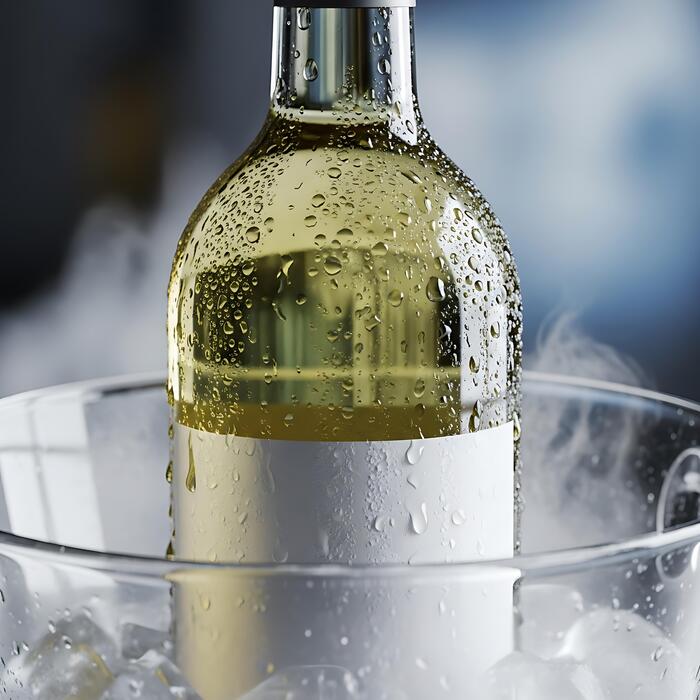
When white wine is served or stored at excessively low temperatures, its delicate aromatic compounds and complex flavor profiles become significantly muted and suppressed. The chill effectively numbs your palate, preventing you from fully appreciating the wine’s intended nuances, such as its vibrant fruit notes, floral bouquets, or mineral undertones.
Instead, you might perceive an overly harsh acidity and a thin, unexpressive character, making even high-quality wines taste dull and uninspired. This over-chilling can also make the wine feel less integrated, with individual components failing to harmonize.
For instance, a crisp Sauvignon Blanc loses its refreshing zest, and a rich Chardonnay becomes flat and uninteresting. Aiming for a slightly warmer chill allows the wine to gradually open up, revealing its true character and complexity as it approaches its optimal serving temperature.
Risks of Storing White Wine Too Warm
Storing white wine at temperatures that are too high or, worse, fluctuating, poses significant risks to its quality and longevity. Elevated temperatures accelerate the aging process, causing the wine to lose its freshness and vibrancy prematurely.
You’ll often find wines stored too warm developing unpleasant “cooked” or stewed fruit flavors, along with noticeable oxidized notes that manifest as nutty or sherry-like characteristics, stripping away the wine’s intended crispness and aromatic integrity.
Consistent warmth can also cause the cork to expand and contract, potentially allowing oxygen to seep in and further degrade the wine. This leads to a rapid deterioration of its delicate aromas and flavors, turning what should be a refreshing experience into a disappointing one.
A stable, cool environment is paramount to preserve the wine’s intended profile and ensure it ages gracefully, rather than prematurely spoiling.
Storage Temperature vs. Serving Temperature
Understanding the difference between ideal storage and serving temperatures is crucial for enjoying white wine. For long-term storage, whether in a dedicated wine fridge or a cellar, the optimal temperature range is consistently between 50-57°F (10-14°C).
This stable, cool environment prevents premature aging and protects the wine’s delicate structure, ensuring it evolves gracefully over time without developing faults. This temperature range is a compromise that works well for most wines, both red and white. In contrast, serving temperature is about optimizing immediate enjoyment.
Crisp, light-bodied whites like Sauvignon Blanc or Pinot Grigio shine at 45-50°F (7-10°C), while fuller-bodied whites such as Chardonnay or Viognier are best at 50-55°F (10-13°C) to allow their complexity to emerge.
Your white wine fridge should primarily be set for storage, and then you can briefly chill bottles further in a regular refrigerator or ice bucket just before serving to reach their perfect drinking temperature.
Setting Up Your White Wine Fridge Correctly

Single Zone vs. Dual Zone Wine Coolers
Choosing the right white wine fridge often begins with understanding its zoning capabilities.
A single zone wine cooler maintains one consistent temperature throughout, making it ideal if your collection primarily consists of white wines that require similar chilling, or if you plan to store them all at their optimal serving temperature.
For example, if you mostly enjoy crisp Sauvignon Blancs, setting the entire unit to 48°F (9°C) is straightforward. In contrast, a dual zone wine cooler offers two distinct temperature compartments, providing greater versatility.
This is particularly beneficial if you store both whites and reds, or if you have a diverse white wine collection that includes sparkling wines needing colder temperatures alongside more full-bodied Chardonnays that prefer slightly warmer conditions.
The ability to set independent temperature zones ensures every bottle is stored optimally, preventing premature aging or loss of character due to inappropriate temperatures. Evaluate your collection to determine which setup best suits your needs for dedicated white wine storage.
Recommended Settings for Different White Wine Styles
To truly appreciate your white wines, understanding their ideal temperature is crucial. For crisp, light-bodied whites like Sauvignon Blanc, Pinot Grigio, and dry Rieslings, a temperature range of 45-50°F (7-10°C) is perfect. This chill preserves their vibrant acidity and fresh aromatics.
Full-bodied white wines, such as oaked Chardonnay, Viognier, or Gewürztraminer, benefit from a slightly warmer setting, typically 50-55°F (10-13°C). This allows their complex flavors and creamy textures to shine without becoming muted.
For sparkling wines like Champagne, Prosecco, or Cava, the coldest setting is preferred, ideally 40-45°F (4-7°C), to maintain their effervescence and crispness. Remember, these are serving temperatures for optimal enjoyment, which often align with ideal short-term storage.
For long-term aging of age-worthy whites, a consistent 50-55°F (10-13°C) is generally recommended, regardless of style, to slow down maturation and preserve quality.
Checking Your Fridge’s Thermometer Accuracy
Even the best wine fridges can have slight discrepancies between their display temperature and the actual internal temperature. To ensure your white wines are consistently stored at their optimal conditions, it’s essential to verify your fridge’s thermometer accuracy.
Place a reliable external thermometer (digital is best) inside a glass of water, then position it on a middle shelf in your wine fridge. Allow it to sit for at least 24 hours to stabilize. Compare this reading to your fridge’s internal display.
If there’s a significant difference (more than 2-3 degrees Fahrenheit or 1-2 degrees Celsius), you’ll need to adjust your fridge’s setting to compensate. For example, if your fridge reads 50°F but the external thermometer shows 47°F, you might need to set your fridge to 53°F to achieve the desired 50°F.
Regularly checking and calibrating ensures consistent temperature control, safeguarding your valuable white wine collection from temperature fluctuations that could compromise its quality.
Common Mistakes in White Wine Storage
Storing White Wine Too Cold for Too Long
While chilling white wine is essential before serving, storing it long-term at temperatures below its ideal range can be detrimental. A standard kitchen refrigerator typically operates at 35-40°F (1-4°C), which is too cold for prolonged white wine storage.
Extended exposure to such low temperatures can stunt flavor development and prevent the wine from properly evolving. It can also cause the cork to dry out and shrink, compromising cork integrity and potentially allowing air to seep in, leading to oxidation.
Moreover, extremely cold temperatures can dull the wine’s delicate aromas and intricate flavors, resulting in a less expressive and enjoyable drinking experience. The best temperature for a white wine fridge for long-term storage is generally between 45-55°F (7-13°C), allowing the wine to mature gracefully without being overly chilled.
Leaving White Wine in a Warm Environment
Exposing white wine to warm conditions is one of the quickest ways to ruin its quality. Temperatures consistently above 55°F (13°C) can accelerate the wine’s aging process, leading to premature aging and a loss of freshness.
Heat can cause the delicate compounds in white wine to break down rapidly, resulting in a flat or “cooked” taste, often described as having cooked flavors or a sherry-like oxidation.
Direct sunlight is particularly damaging due to its UV rays, which can degrade the wine’s organic compounds and pigments, significantly impacting its aroma and flavor profile. Always store white wine away from windows, heating vents, and kitchen appliances.
For optimal preservation, aim for a consistent storage temperature, ideally within the 45-55°F (7-13°C) range, to maintain its crispness and vibrant characteristics.
Frequent Temperature Swings and Their Impact
Consistency is paramount for proper wine storage. Frequent or drastic temperature swings are incredibly harmful, even more so than a consistently slightly warm or cool temperature. When wine heats up, the liquid inside expands, pushing on the cork.
As it cools, the liquid contracts, creating a vacuum that can draw oxygen into the bottle. This repeated expansion and contraction can compromise the cork’s seal, leading to air ingress and rapid oxidation.
Such instability can quickly spoil the wine, stripping it of its subtle nuances and leading to a dull, lifeless, or vinegary taste.
A dedicated white wine fridge or cellar maintains a stable temperature, preventing these damaging fluctuations and ensuring the wine ages gracefully and safely, preserving its intended characteristics for enjoyment.
Why a Kitchen Refrigerator Isn’t Ideal
While convenient for chilling a bottle before serving, a standard kitchen refrigerator is unsuitable for long-term white wine storage. Firstly, its operating temperature is typically too low, around 35-40°F (1-4°C), which, as mentioned, can hinder flavor development and dry out corks.
Secondly, kitchen fridges lack proper humidity control, leading to excessively dry air that can cause corks to shrink and allow oxygen in. Thirdly, the constant opening and closing, along with the compressor’s operation, creates frequent vibrations and temperature fluctuations that are detrimental to wine.
Lastly, the presence of various foods can lead to odor absorption by the wine through the cork, imparting unpleasant flavors. For dedicated white wine storage, a specialized wine fridge is essential, providing the stable temperature, humidity, and vibration-free environment needed.
Specific White Wine Types and Their Temperature Needs

Crisp, Light-Bodied Whites (e.g., Sauvignon Blanc, Pinot Grigio)
For crisp, aromatic white wines like Sauvignon Blanc, Pinot Grigio, Grüner Veltliner, or dry Riesling, an ideal serving temperature in your wine fridge is between 45-50°F (7-10°C). Storing them at this cooler range ensures their vibrant acidity, fresh fruit flavors, and delicate floral notes are accentuated, providing a refreshing experience.
If your fridge has multiple zones, dedicate a colder section for these. Avoid chilling them to an icy extreme, as this can numb the palate and mute their subtle complexities.
A quick 30-minute chill before serving from a slightly warmer cellar temperature can also work wonders, ensuring they are perfectly invigorating.
Rich, Full-Bodied Whites (e.g., Oaked Chardonnay, Viognier)
Rich, full-bodied white wines such as Oaked Chardonnay, Viognier, or White Burgundy benefit from a slightly warmer serving temperature to truly express their complexity. Aim for a wine fridge setting of 50-55°F (10-13°C) for these styles.
This temperature allows the creamy textures, buttery notes, vanilla, and nutty nuances (often from oak aging) to shine, preventing them from feeling tight or overly acidic. If served too cold, their intricate aromas and flavors can become subdued and unapproachable.
Allowing them to warm up for 10-15 minutes after taking them out of a standard refrigeration unit will also help them reach their optimal expression, revealing their true character.
Sweet and Dessert White Wines (e.g., Riesling, Sauternes)
Sweet and dessert white wines, including late-harvest Rieslings, Sauternes, Ice Wine, or Moscato d’Asti, are best enjoyed well-chilled but not frozen, typically at 45-50°F (7-10°C). This temperature range is crucial for balancing their intense sweetness with their often vibrant acidity, preventing them from tasting cloying.
Chilling them properly also enhances their delicate aromatic profiles, showcasing notes of honey, apricot, and botrytis character without dulling their vibrancy.
Storing them in a dedicated wine fridge zone at this temperature ensures they are always ready to serve as a perfect end to a meal or with a suitable dessert, offering a delightful and refreshing sweetness.
Sparkling Wines (e.g., Champagne, Prosecco)
For all sparkling wines, including Champagne, Prosecco, Cava, and Franciacorta, the ideal wine fridge temperature is quite cold, specifically between 40-45°F (4-7°C).
This colder temperature is essential for several reasons: it preserves the delicate effervescence, enhances the crispness and acidity, and ensures the wine doesn’t gush out upon opening due to excessive pressure. If served too warm, sparkling wines can lose their bubbles quickly and taste flabby.
While a standard refrigerator will get them cold enough, maintaining them in a wine fridge at this precise range ensures consistent chilling without over-stressing the cork, guaranteeing a perfect, lively pour every time.
Other Key Factors for White Wine Preservation
Humidity Levels and Cork Health
Beyond maintaining the best temperature for a white wine fridge (ideally 45-55°F or 7-13°C), managing humidity is crucial for long-term preservation. Corks need a consistent humidity level, typically between 50-75%, to remain supple and create an airtight seal.
If the environment is too dry, corks can shrink, allowing air to seep into the bottle and oxidize the wine, diminishing its delicate aromas and flavors.
Conversely, excessively high humidity can encourage mold growth, which, while usually harmless to the wine itself, can damage labels and compromise the cork’s integrity over time.
High-quality white wine fridges are often equipped with features to regulate internal humidity, either through a passive system that leverages the unit’s cooling cycle or active humidifiers.
This stable environment, combined with the ideal temperature, ensures the corks stay moist and effective, preventing premature spoilage and safeguarding the wine’s quality for optimal enjoyment.
Protecting Wine from Light Exposure
While ensuring the best temperature for a white wine fridge (45-55°F) is paramount, protecting bottles from light exposure is an equally vital, yet often overlooked, preservation factor.
Both natural sunlight and artificial light, especially fluorescent bulbs, emit UV rays and visible light that can trigger undesirable chemical reactions within the wine. This process, known as ‘light strike,’ can lead to off-flavors and aromas, often described as ‘cabbage’ or ‘wet wool,’ irrevocably damaging the wine’s delicate profile.
For this reason, many white wine fridges feature solid doors or, if glass, incorporate UV-filtering technology. Storing wines in their original dark bottles further reduces light penetration.
Prioritizing a wine fridge that offers robust light protection alongside precise temperature control is essential for safeguarding the wine’s integrity and ensuring its intended sensory experience is preserved.
Minimizing Vibration for Stable Storage
Maintaining a vibration-free environment is a critical aspect of wine preservation, complementing the best temperature for a white wine fridge (45-55°F or 7-13°C). Constant or even intermittent vibrations, whether from nearby appliances, foot traffic, or an inefficient compressor, can agitate the wine.
This agitation can disturb the natural sedimentation process in aging wines, preventing solids from settling properly, which can lead to a cloudy appearance. More significantly, vibrations can accelerate the wine’s chemical reactions, effectively ‘prematurely aging’ it and causing it to lose its freshness, complexity, and delicate nuances.
High-quality wine fridges are specifically designed with vibration-dampening compressors and sturdy shelving to isolate bottles from external movements. Choosing a unit that prioritizes quiet operation and minimizes mechanical vibrations is crucial for ensuring the wine matures gracefully and retains its intended character over time.
Maintaining Your Wine Fridge for Optimal Performance
Tips for Regular Cleaning and Care
Regularly clean the interior with a mild, unscented cleaner and a soft cloth to prevent mold and odors, which can affect wine taste. Wipe down shelves and check for spills promptly. Don’t forget to clean the exterior vents and condenser coils at least twice a year.
Dust and debris on coils reduce efficiency, making the fridge work harder and potentially causing temperature fluctuations. For white wines, maintaining a consistent temperature between 45-55°F (7-13°C) is paramount. Fluctuations can prematurely age or damage the wine.
Ensure the door seal is clean and intact; a compromised seal leads to air leaks, increased energy consumption, and unstable internal temperatures, directly impacting the quality of your stored white wines. Defrosting as per manufacturer guidelines is also essential to prevent ice buildup affecting performance.
When to Consider Replacing Your Wine Fridge
Evaluate your wine fridge for replacement if you notice frequent temperature inconsistencies that even recalibration can’t fix, especially critical for delicate white wines requiring precise conditions.
A fridge that struggles to hold its set temperature, for instance, failing to consistently maintain the ideal 45-55°F for white varietals, is a clear warning sign. Excessive noise, particularly loud humming or rattling, might indicate a failing compressor, which is often uneconomical to repair.
Visible rust or a deteriorating door seal that can’t be easily replaced also compromises efficiency and sanitation. If your energy bills are unexpectedly rising, the fridge might be working overtime due to inefficiency.
Consider the cost of repairs versus replacement; sometimes, investing in a newer, more energy-efficient model with better temperature control and features is a more sensible long-term solution for protecting your valuable wine collection.
Energy Efficiency for Long-Term Storage
Achieving optimal energy efficiency is key to maintaining stable temperatures for your wine, especially for white wines that thrive at a precise 45-55°F (7-13°C). Ensure your fridge is placed in a cool, well-ventilated area, away from direct sunlight or heat sources like ovens, which force it to work harder.
Avoid overpacking the fridge, as this obstructs airflow and makes it less efficient. Conversely, keeping it reasonably full can help maintain stable temperatures, as the bottles themselves act as thermal mass. Regularly check and clean the condenser coils to remove dust and debris; dirty coils significantly increase energy consumption.
A tight-sealing door gasket is crucial to prevent cold air from escaping. Periodically test the seal by closing the door on a piece of paper; if it slides out easily, the seal needs attention.
These practices not only reduce your electricity bill but also ensure the consistent, stable environment essential for preserving your white wines’ quality over time.
Frequently Asked Questions
What is the best temperature range for storing white wine in a wine fridge long-term?
For long-term storage of most white wines, an ideal temperature range is between 45°F and 55°F (7°C to 13°C). This stable, cool environment helps preserve the wine’s delicate flavors and aromas, preventing premature aging and ensuring it develops gracefully.
What temperature should I set my wine fridge for serving white wine?
The optimal serving temperature for white wines is generally cooler than storage temperature. Most light-bodied white wines are best served between 45-50°F (7-10°C), while fuller-bodied whites benefit from slightly warmer temperatures, around 50-55°F (10-13°C), to allow their complex aromas to open up.
Why is maintaining the correct temperature crucial for white wine?
Proper temperature control is vital because it significantly impacts the wine’s quality. Too warm temperatures can cause premature aging, cooked flavors, and loss of freshness, while excessively cold temperatures can mute aromas and flavors, making the wine taste dull and unexpressive.
Do different types of white wine require different storage temperatures?
While a general range works for most, some white wines have specific needs. Sparkling wines, for instance, are often stored slightly cooler, around 40-45°F (4-7°C), to maintain their effervescence. Fuller-bodied oaked Chardonnays might tolerate the higher end of the 50-55°F (10-13°C) storage range better than lighter, aromatic wines.
Can I store red and white wines together in the same wine fridge?
Yes, you can store both red and white wines in a single-zone wine fridge if you set it to the ideal long-term storage temperature of around 55°F (13°C). While this is slightly warm for serving white wines and slightly cool for serving reds, it’s an excellent compromise for long-term preservation of both.
What happens if white wine is stored at temperatures that are too warm?
Storing white wine at consistently high temperatures accelerates its aging process, leading to a loss of freshness, vibrant fruit flavors, and crisp acidity. The wine can develop undesirable ‘cooked’ or oxidized notes, significantly diminishing its quality and enjoyment over time.
How quickly does temperature fluctuation impact white wine?
Frequent and significant temperature fluctuations are more damaging than a stable, slightly suboptimal temperature. Rapid changes cause the wine to expand and contract, potentially compromising the cork’s seal and allowing oxygen ingress, which leads to oxidation and spoilage much faster than steady storage.
Conclusion
Ultimately, the ideal white wine fridge temperature balances storage and serving needs. Aim for a consistent 50-55°F (10-13°C) for long-term storage, but chill closer to 45-55°F (7-13°C) just before serving to unlock optimal flavors. Understanding these nuances ensures every glass is enjoyed at its peak. Experiment to find your personal preference and elevate your wine experience. Cheers to perfectly chilled white wine!