Best Wine Storage Temperature
Finding the best wine storage temperature is essential to protecting your collection’s integrity and flavor profile. Whether you are aging fine vintages or storing everyday bottles, improper heat can cause oxidation and irreversible spoilage. Most experts agree that a consistent environment between 50°F and 59°F (10°C–15°C) is ideal for long-term preservation. You have come to the right place to learn how to maintain these precise conditions and ensure your wine stays perfectly drinkable for years to come.
The Ideal Temperature Range for Wine Storage
Why 55 degrees Fahrenheit is the gold standard
For wine collectors and enthusiasts alike, maintaining the ideal storage temperature of 55 degrees Fahrenheit (13 degrees Celsius) is essential for preserving the integrity of a bottle. This specific temperature acts as a delicate middle ground, effectively slowing down the aging process without halting it entirely.
When wine is kept at this precise point, the chemical reactions that evolve the flavor profile occur at a graceful, predictable pace, allowing tannins to soften and complex aromatic compounds to develop over many years.
If the environment becomes significantly warmer, the wine will age prematurely, potentially leading to cooked or flat flavors that destroy the winemaker’s original intent. Conversely, colder temperatures can stall the maturation process and cause dry corks if humidity is not properly managed.
By committing to this gold standard temperature, you ensure that your investment remains protected and that every bottle reaches its full potential, providing an optimal drinking experience whenever you decide to finally pull the cork on your most prized vintage.
The impact of temperature fluctuations on wine chemistry
Consistency is far more critical to wine longevity than achieving the perfect number on the thermometer. Rapid or frequent temperature fluctuations are the primary enemies of long-term storage because they create a dangerous cycle of expansion and contraction within the bottle.
As heat causes the wine and the air inside to expand, internal pressure forces liquid against the cork, which can compromise the seal or even cause seepage. When the temperature drops again, the contraction creates a vacuum that may draw oxygen into the bottle, leading to premature oxidation.
This chemical instability ruins the balance of delicate fruit flavors and acidity, effectively turning a fine wine into vinegar or dull, lifeless juice before its time. To safeguard your collection, you must prioritize a stable climate-controlled environment that avoids the swings found in kitchen pantries or attics.
Eliminating these thermal shocks is the most effective way to maintain the structural harmony and complex chemistry that define high-quality, age-worthy wines.
Differentiating between short-term and long-term storage needs
Understanding the difference between storage for current consumption and long-term cellaring is vital for any wine enthusiast.
If you plan to drink a bottle within a few weeks, storing it in a cool, dark place away from direct sunlight is usually sufficient, as the impact of minor environmental variations is negligible over a short window.
However, for long-term storage spanning years or decades, you must utilize a dedicated wine cooler or cellar that strictly maintains 55 degrees Fahrenheit and consistent humidity levels. Neglecting these requirements for long-term cellaring will almost certainly result in irreversible damage to the wine’s character.
By assessing your specific storage timeline, you can avoid over-investing in high-end climate control for casual daily drinkers while ensuring that your rare, collectible bottles are shielded from the environmental hazards that cause decay.
Tailoring your approach based on the intended duration of storage is the smartest way to manage your inventory while maximizing the enjoyment of every single bottle.
How Temperature Affects Wine Aging
Chemical reactions during the maturation process
Wine is a living, evolving entity that undergoes complex chemical transformations as it ages. The most favorable environment for these reactions is a consistent temperature range between 50°F and 59°F (10°C to 15°C).
At this optimal cool range, the interaction between tannins, acids, and polyphenols occurs at a slow, steady pace, which is essential for developing secondary and tertiary bouquet profiles. When temperatures remain stable, these compounds integrate harmoniously, allowing the wine to shed its youthful harshness and gain complexity.
Conversely, if storage temperatures fluctuate significantly, the maturation process is disrupted, potentially stalling the development of desirable notes like earth, leather, or truffle. By maintaining a steady cool climate, you effectively manage the kinetic energy within the bottle, ensuring that the biochemical breakdown happens predictably over years rather than months.
Investing in climate-controlled storage is the best way to safeguard your collection’s long-term potential, as it provides the perfect physiological equilibrium needed for graceful aging.
The link between heat and premature oxidation
Heat is the primary enemy of long-term wine preservation because it drastically accelerates chemical degradation. When storage temperatures exceed 70°F (21°C), the rate of oxidation increases exponentially, causing the wine to age prematurely.
Heat causes the liquid inside the bottle to expand, which creates internal pressure that can push the cork outward or compromise the seal, leading to oxygen ingress.
Once excessive oxygen enters the bottle, it reacts quickly with the wine’s delicate compounds, stripping away vibrant fruit characteristics and replacing them with flat, dull flavors. Furthermore, high heat can cause “cooked” or “jammy” aromas, which are irreversible flaws that ruin the intended balance of the winemaker.
To prevent this, always prioritize a location that is naturally cool and insulated from external heat sources like kitchen appliances or direct sunlight. Consistent, cool storage acts as a thermal buffer, shielding your wine from the rapid, destructive chemical shifts that define heat-induced spoilage and loss of structural integrity.
Signs of heat damage in bottled wine
Identifying heat damage early can save you from serving compromised bottles at your next event. One of the most common visual indicators is a pushed or protruding cork, which suggests that the wine has expanded due to excessive heat and potentially leaked.
You might also notice a sticky or dried residue around the foil, indicating that wine has seeped out during a temperature spike. Upon opening the bottle, look for a color that appears prematurely browned or brick-colored, especially in white wines that should be pale gold.
If the wine tastes overtly like stewed fruit, raisins, or nutty sherry despite being a young vintage, it has likely suffered from heat exposure. The texture might also feel thin or hollow, lacking the expected mid-palate weight.
If you suspect heat damage, trust your palate; if the wine lacks freshness and exhibits these off-flavors, it is unfortunately a sign that the delicate chemical profile has been permanently altered by unfavorable storage conditions.
Best Ways to Maintain Consistent Storage Conditions
Choosing the right location in your home
To maintain the ideal wine storage temperature, which consistently falls between 50°F and 59°F (10°C–15°C), you must select an environment that avoids external thermal fluctuations. Avoid placing your wine collection in areas prone to heat spikes, such as kitchens, laundry rooms, or near windows with direct sunlight.
Instead, prioritize choosing a cool, dark, and vibration-free location like a basement or an interior closet. Consistency is significantly more important than achieving a perfect degree; rapid temperature shifts can cause the wine to expand and contract, potentially damaging the cork and allowing oxygen to spoil the liquid.
By finding a stable, isolated space away from appliances that emit heat or create vibrations, you effectively protect the delicate chemical composition of your bottles.
Monitoring these areas with a digital thermometer ensures you stay within the safe range, providing the long-term stability necessary for proper maturation and preserving the complex flavor profiles of your favorite vintages for years to come.
Benefits of dedicated wine cooling units
When natural home environments cannot provide the necessary climate stability, investing in a dedicated wine refrigerator becomes the most reliable solution.
Unlike standard kitchen refrigerators, which are designed for food preservation and operate at temperatures too low for wine, a specialized wine cooler is engineered to maintain a precise, constant temperature range ideal for aging.
These units offer advanced features such as vibration-dampening technology, which prevents sediment agitation, and UV-resistant glass doors that shield your collection from light-induced degradation. By utilizing a dedicated cooling system, you eliminate the guesswork associated with ambient temperature changes caused by seasonal shifts or household activity.
This investment provides a controlled micro-environment that replicates professional cellar conditions in a compact footprint.
For serious collectors, the ability to set and forget the cooling parameters ensures that each bottle remains at its peak storage temperature, effectively mitigating the risk of premature oxidation and ensuring that every glass served maintains its intended structural integrity and quality.
Managing humidity levels alongside temperature
While maintaining the best wine storage temperature is critical, managing humidity is equally vital for the long-term health of your collection. Ideally, you should aim for humidity levels between 50% and 70% to ensure that corks remain moist and pliable.
If the environment is too dry, corks can shrink and crack, leading to oxygen infiltration and ruined wine; if it is too damp, you risk mold growth on labels and packaging. To achieve this balance, consider using a hygrometer to monitor moisture levels regularly within your storage area.
If your space is too dry, placing a small container of water or using a humidifier can help stabilize the air. Conversely, using silica gel packs or an active dehumidifier can prevent excess moisture in humid climates.
By regulating humidity in tandem with temperature, you create an optimized storage ecosystem that prevents structural damage to the closure, thereby preserving the seal and ensuring the wine evolves gracefully over time.
Common Mistakes to Avoid When Storing Wine
Why the kitchen is a poor storage environment
Many wine enthusiasts mistakenly assume the kitchen is a convenient place to store their favorite bottles, but it is actually one of the worst environments for long-term preservation. The primary reason is that kitchens suffer from extreme temperature fluctuations, which are the enemy of fine wine.
As you cook, bake, or use the dishwasher, the ambient temperature in your kitchen spikes and dips rapidly. This constant thermal movement causes the wine to expand and contract inside the bottle, which can force the cork to push out slightly or draw air in, leading to premature oxidation.
Additionally, kitchens are often far warmer than the ideal best wine storage temperature of 55°F (13°C). Storing wine in this environment will cause it to age too quickly, destroying delicate aromas and complex flavor profiles.
For optimal results, you must move your collection to a climate-controlled area where the environment remains stable and cool, far away from the daily chaos of your home cooking workspace.
Risks of storing wine near appliances and heat sources
Placing wine racks near ovens, radiators, or refrigerators is a critical error that significantly compromises the quality of your vintage collection. Large appliances generate substantial internal heat and vibrations that can be detrimental to the delicate chemical structure of wine over time.
When wine is exposed to consistent heat, the liquid undergoes a process called ‘cooking,’ which results in flat, jammy, and unappealing flavors that mask the intended character of the grapes. Furthermore, the best wine storage temperature requires a vibration-free environment to allow the sediments to settle naturally.
The constant hum and physical movement from nearby motors or cooling fans can disturb these sediments, preventing the wine from aging gracefully. To protect your investment, ensure that your storage unit is positioned well away from any heat-emitting machines.
By maintaining a steady, cool, and motionless environment, you preserve the integrity of the wine, ensuring that every glass poured offers the exact experience the winemaker intended to provide.
Avoiding direct sunlight and UV exposure
Beyond maintaining the best wine storage temperature, protecting your bottles from light is essential for long-term preservation. Direct sunlight and even strong artificial light sources emit ultraviolet (UV) rays that are highly damaging to wine.
These rays penetrate the glass and interact with the phenolic compounds, causing the wine to become ‘light-struck.’ This chemical reaction creates unpleasant, sulfurous aromas often compared to wet cardboard or rotten eggs, which can ruin even the most expensive bottles.
Dark-colored glass provides some protection, but it is not a foolproof shield against prolonged exposure. Therefore, you must store your wine in a dark, enclosed space such as a specialized cellar, a dedicated wine fridge, or a climate-controlled cabinet away from windows.
By shielding your bottles from both heat and light, you create a stable sanctuary that prevents degradation. Remember that consistency is key; keeping wine in the dark ensures that its complex bouquet remains vibrant and intact until the very moment you choose to open it.
Serving Temperatures vs Storage Temperatures
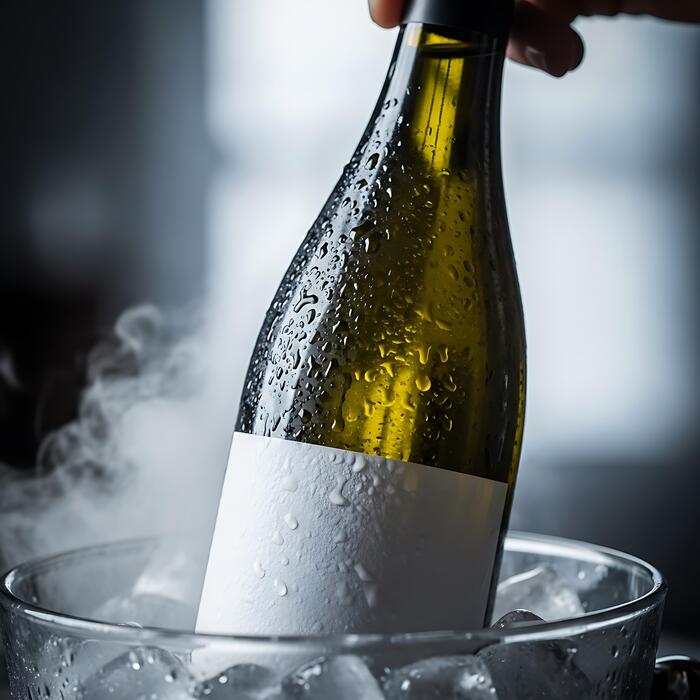
The difference between serving and aging temperatures
Understanding the distinction between long-term storage and immediate service is vital for preserving wine quality. For long-term storage, the ideal temperature is a consistent 55°F (13°C). This specific range allows the wine to mature gracefully, protecting the cork from drying out while preventing oxidation or premature aging caused by heat.
Conversely, serving temperatures are significantly more dynamic and depend on the style of the wine. If you drink a wine directly from a 55°F cellar, it may taste too cold, masking delicate aromatics, while red wines served at room temperature often taste overly alcoholic or flabby.
The golden rule is to store at cellar temperature and adjust just before consumption. By maintaining a stable environment for your collection, you ensure the structural integrity of the wine remains intact.
Remember that fluctuations in temperature are far more damaging than being a few degrees off target, so prioritize a location that offers constant thermal stability above all else.
How to bring wine to the perfect serving temperature
Once you have retrieved a bottle from your cellar, you may need to adjust its temperature to hit the flavor “sweet spot.” If a red wine feels too cold, simply let it sit on the counter for twenty to thirty minutes; this allows the wine to breathe and rise to a gentle cellar temperature, unlocking complex bouquets.
For white or sparkling wines that require chilling, avoid the freezer, which can shock the liquid and mute subtle notes. Instead, use an ice bath with salt for a rapid ten-minute cool down or place the bottle in the refrigerator for two hours prior to serving.
Investing in a digital infrared thermometer can provide precision if you are unsure of the liquid’s temperature.
Always remember that wine warms up quickly once poured into a glass, so it is usually safer to serve a bottle slightly cooler than intended, allowing the ambient room temperature to bring it to perfection during the meal.
Temperature guidelines for red, white, and sparkling wines
To maximize the tasting experience, follow these general temperature brackets tailored to specific wine profiles. Sparkling wines and light whites such as Sauvignon Blanc shine best between 40°F and 50°F (4°C–10°C), as this crispness highlights their acidity and zest.
Fuller-bodied whites like oaked Chardonnay and aromatic varieties such as Viognier benefit from a slightly warmer range of 50°F to 55°F (10°C–13°C), which allows their rich texture and complex aromatics to fully express themselves.
For red wines, avoid the mistake of serving them at standard room temperature, which is often too warm. Light-bodied reds like Pinot Noir should be served around 55°F to 60°F (13°C–15°C), while bolder, tannic reds like Cabernet Sauvignon or Syrah reach their peak potential at 60°F to 65°F (15°C–18°C).
Keeping within these specific serving windows ensures that the structural balance between fruit, acidity, and tannins remains harmonious, providing the most pleasant experience for your palate and guests alike.
Selecting the Right Wine Fridge or Cellar
Key features to look for in a wine refrigerator
When selecting the ideal wine refrigerator, the primary goal is maintaining the best wine storage temperature, which is consistently between 50°F and 59°F for long-term aging. You should prioritize models that feature precision digital thermostats, as temperature fluctuations can rapidly degrade the quality of your vintage.
Look for units equipped with vibration-dampening technology to protect delicate sediments from being disturbed, ensuring your wine matures correctly. Additionally, ensure the fridge includes a UV-resistant glass door to prevent light exposure, which can cause chemical imbalances and premature aging.
A high-quality internal humidity control system is also essential, keeping levels between 50% and 70% to prevent corks from drying out and air from entering the bottle.
By focusing on these specific technical requirements, you create a stable micro-environment that replicates the conditions of a traditional underground cellar, ultimately providing the peace of mind that your investment remains perfectly preserved for future enjoyment, regardless of external ambient room conditions.
Passive vs active cooling systems for cellars
Deciding between passive and active cooling for a custom cellar depends heavily on your location and structural insulation. A passive cooling system relies on natural subterranean temperatures and high-quality thermal barriers to maintain the best wine storage temperature without electricity.
This approach is sustainable but requires a naturally cool, earth-sheltered location to remain effective year-round. In contrast, an active cooling system utilizes specialized HVAC units designed specifically for wine storage, providing precise control over temperature and humidity regardless of outside weather patterns.
These systems are essential for above-ground cellars or regions with extreme temperature swings. When installing an active system, you must ensure the room is vapor-sealed and insulated to prevent condensation, which can lead to mold growth and label damage.
Ultimately, while passive designs offer a classic, low-maintenance aesthetic, active systems deliver the consistent, reliable environment necessary for serious collectors who need total control over their collection’s aging process in any climate.
Sizing your storage to fit your collection
Sizing your wine storage correctly is a common pitfall for new collectors; it is always wise to choose a capacity slightly larger than your current inventory.
When calculating space, consider that the best wine storage temperature is only achievable if the unit is not overcrowded, as proper airflow is necessary for consistent cooling across all shelves.
You should look for adjustable racking systems that accommodate various bottle sizes, from standard Bordeaux shapes to wider Champagne or Pinot Noir bottles. If your collection is rapidly growing, a modular cellar design allows you to add cooling capacity or shelving over time without replacing your entire unit.
Remember to account for the physical footprint of the fridge, ensuring there is adequate clearance for door swings and ventilation gaps to prevent the compressor from overheating.
By planning for at least 20% more space than you currently occupy, you ensure organized storage and optimal circulation, preventing the cramped conditions that often lead to damaged labels or broken bottles.
Tips for Storing Wine Without a Cellar
Using cool, dark closets for temporary storage
Finding the best wine storage temperature often begins with identifying the coolest, most stable environment in your home. A closet located against an interior wall, ideally on the lowest floor, acts as a natural buffer against external temperature fluctuations.
To maximize this, ensure the area is completely dark, as ultraviolet light can rapidly degrade delicate compounds within the wine, leading to premature aging and unpleasant flavor shifts. You should avoid areas near laundry rooms, heaters, or kitchen appliances that generate ambient warmth.
Keep your bottles in their original cardboard cases or wooden crates to provide an extra layer of thermal insulation and light protection. By keeping the bottles resting on their sides, you ensure the cork remains moist, preventing it from drying out and letting oxygen spoil the contents.
This simple, cost-effective method is perfect for short-term storage, providing a consistent environment that keeps your favorite bottles safe until you are ready to enjoy them during a dinner or special celebration.
Insulating storage areas effectively
If you lack a dedicated cellar, you must focus on maintaining a stable climate to protect your collection from thermal shock. The ideal temperature range for wine is consistently between 50 and 59 degrees Fahrenheit.
To achieve this in a non-cellar environment, you can use specialized insulated storage cabinets or high-quality thermal curtains to shield your storage area from room-temperature air. Adding heavy-duty foam boards or reflective insulation panels to the walls of a small nook can significantly stabilize the microclimate.
Always use a digital thermometer to monitor fluctuations; even small daily shifts in temperature can cause the liquid inside the bottle to expand and contract, potentially pushing the cork out or drawing air in.
Investing in a small, portable wine cooling unit for a closet can also bridge the gap between room temperature and the cellar-like conditions your wine requires to age gracefully, ensuring your investment remains protected from the common dangers of domestic temperature instability.
When to prioritize professional off-site storage
While DIY solutions work for casual collections, professional off-site storage becomes essential when you are handling fine, age-worthy vintages or building a long-term investment portfolio.
If your living space experiences extreme seasonal temperature swings or lacks the humidity control necessary to prevent cork degradation, professional facilities offer the gold standard of protection. These specialized warehouses maintain a strict, year-round climate of approximately 55 degrees Fahrenheit with optimal humidity levels near 70 percent.
Beyond temperature control, these facilities provide robust security, comprehensive insurance, and vibration-free environments, which are critical for the delicate maturation process of expensive bottles.
Deciding to move your collection to a professional facility removes the constant stress of monitoring home conditions and ensures that your wine retains its maximum market value.
When you have high-end bottles that you intend to cellar for five, ten, or even twenty years, the peace of mind provided by professional, climate-controlled storage is undoubtedly worth the recurring monthly expense.
Frequently Asked Questions
What is the ideal temperature for storing wine long-term?
The ideal temperature for long-term wine storage is between 50°F and 59°F (10°C to 15°C). Maintaining a consistent temperature within this range prevents the wine from aging prematurely or suffering heat damage.
Does the ideal storage temperature differ for red and white wines?
No, both red and white wines should be stored at the same consistent temperature of 50°F to 59°F. While they are served at different temperatures, their storage requirements for aging remain identical.
Why is temperature consistency more important than an exact degree?
Frequent temperature fluctuations cause wine to expand and contract, which can push the cork out or pull air into the bottle. A stable environment is crucial to preventing oxidation and ensuring the wine matures gracefully.
What happens if wine is stored at temperatures above 70°F?
Storing wine above 70°F (21°C) accelerates the aging process significantly and can cause ‘cooked’ flavors. This heat exposure often results in a flat, dull taste and can permanently ruin the wine’s chemical structure.
Is a standard kitchen refrigerator safe for long-term wine storage?
A standard kitchen refrigerator is generally too cold for long-term storage, as it is typically set below 40°F. Additionally, the constant vibration and frequent door opening make it unsuitable for preserving wine over many months or years.
Can I store my wine in a basement if the temperature fluctuates slightly by season?
A basement is often a great storage location provided the seasonal shift is gradual rather than sudden. As long as the temperature stays within a reasonable range and avoids extreme heat spikes, a basement can provide the stable, dark environment wine requires.
Conclusion
Maintaining the ideal wine storage temperature, typically between 45 and 65 degrees Fahrenheit, is essential to preserving the integrity and flavor profile of your collection. By avoiding extreme fluctuations and keeping your bottles away from direct heat or light, you ensure every glass remains at its peak quality. Whether you are a casual enthusiast or a serious collector, investing in proper climate control will reward you with a perfect pour every time. Cheers to better wine!