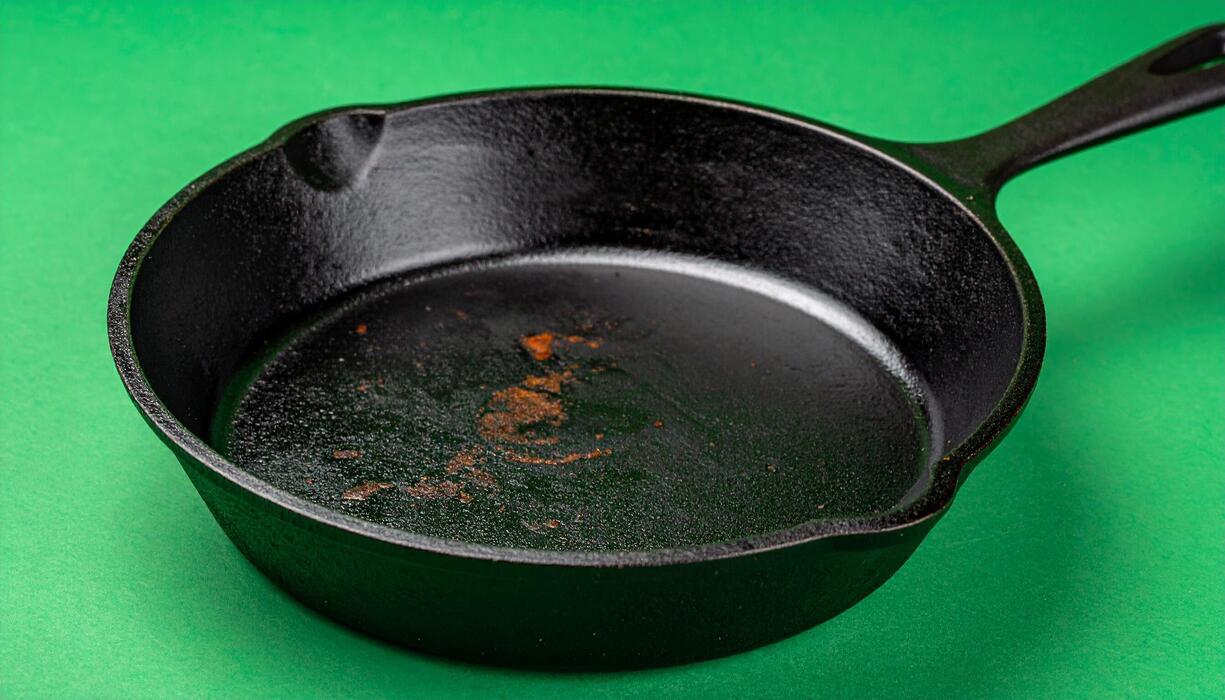
How Get Rust Off Cast Iron Skillet
how get rust off cast iron skillet is easier than most people think, and the right method can restore your pan without ruining its seasoning potential. If your skillet has surface rust, stubborn spots, or has been neglected for a while, you are in the right place. The fix usually involves scrubbing, drying thoroughly, and re-seasoning correctly so the iron is protected again.
Why Cast Iron Skillets Rust and When It Matters
What causes rust on a cast iron skillet
Rust forms when bare iron meets water and oxygen for too long, which is why cast iron skillets rust after being left wet, air-dried poorly, or stored in damp places.
The protective seasoning layer is what normally blocks moisture, so when that layer gets stripped by soaking the pan, using harsh detergents repeatedly, scrubbing aggressively, or cooking acidic foods for long periods, the metal underneath becomes exposed.
Even a small missed step after washing can start the process: if you rinse the skillet and do not heat it dry, moisture can sit in tiny pores and create orange spots.
Storing the pan with a lid on, stacking it while still damp, or keeping it in a humid cabinet can also speed rust.
To prevent repeat problems after you get rust off a cast iron skillet, dry it completely, warm it on the stove, and apply a very thin coat of oil before putting it away.
How to tell light surface rust from deep rust damage
The easiest way to judge rust is to look at color, texture, and how much metal seems affected. Light surface rust usually appears as thin orange or reddish-brown patches, speckles, or a dusty film that sits on top of the skillet.
When you scrub it with steel wool, kosher salt, or a scouring pad, it often comes off without much effort, leaving mostly smooth metal behind.
Deep rust damage is different: the surface may look dark, flaky, rough, pitted, or uneven, and scrubbing can reveal small craters where metal has actually been eaten away. Run your fingers carefully across the dry pan; if it feels mostly smooth, restoration is usually straightforward.
If it feels heavily scarred, layered, or brittle around the base or walls, the rust has gone beyond cosmetic. Also check for warping, cracks, or thinning metal, because those issues matter more than rust color alone when deciding whether the skillet can be safely used again.
When a rusty skillet is still safe to restore
A rusty cast iron skillet is usually still safe to restore if the damage is limited to surface rust and the pan remains structurally solid. In most cases, you can scrub off the rust, rinse, dry immediately, and reseason the skillet with thin layers of oil baked onto the metal.
Orange spotting, patchy discoloration, and shallow roughness are common and rarely mean the pan is ruined. What matters is whether the skillet still has stable walls, a flat cooking surface, and no cracks or serious pitting.
If you can remove the rust and the iron underneath feels strong, restoration is worth it. However, if the pan has deep holes, flaking sections, sharp weak spots, or a crack running through the body or handle, it may no longer heat evenly or safely.
For most people searching how get rust off cast iron skillet, the good news is simple: ugly rust usually looks worse than it is, and many pans can be brought back.
What You Need to Remove Rust From Cast Iron

Best tools and supplies for rust removal
To get rust off a cast iron skillet, gather a few simple, skillet-safe supplies before you start. The most useful tools are a stiff brush, non-metal scrub pad, dish soap, paper towels or a clean cloth, and a plastic scraper for stuck-on rust or food.
For heavier rust, keep steel wool on hand, but use it only as needed because it strips seasoning fast. You will also need a drying method you can do immediately, such as a stovetop burner or warm oven, since cast iron rusts quickly if left damp.
After cleaning, have high-smoke-point oil ready, like canola, grapeseed, or vegetable oil, so you can re-season the pan right away. If the rust is widespread, a full re-seasoning may be necessary after scrubbing.
The main goal is to remove rust thoroughly, dry the skillet completely, and rebuild a thin protective oil layer so the surface is ready to cook on again.
When to use salt, baking soda, or vinegar
Salt, baking soda, and vinegar each work best in different rust-removal situations. Use coarse salt when the skillet has light rust or stuck residue and you want a gentle abrasive that will not be too harsh.
Add a little oil or water, then scrub with a cloth or cut potato for extra grip. Choose baking soda when you need a mild cleaning paste for small rusty spots or grime, especially if you want something less aggressive than steel wool.
Mix it with water and scrub until the surface loosens. Use vinegar only for more serious rust, because it can strip both rust and seasoning quickly.
A short soak in a half vinegar, half water solution can help, but check the skillet often and remove it as soon as the rust lifts. After any of these methods, always rinse, dry completely, and oil the pan immediately to prevent flash rust and restore protection.
What not to use on a cast iron skillet
Avoid anything that can damage the iron, remove too much metal, or leave harmful residue behind. Do not use harsh oven cleaners, bleach, or strong industrial chemicals unless you are intentionally stripping the skillet and know the full restoration process. These products can be overly aggressive for routine rust removal.
Skip metal blades or power tools unless the skillet has severe rust and you are restoring it carefully, because they can gouge the cooking surface. It is also best not to leave cast iron soaking in water for long periods, since that makes rust worse fast.
Even a vinegar soak should be short and monitored closely. Avoid putting the skillet away air-damp or unoiled, because bare cast iron can develop flash rust in a short time. Finally, do not assume the pan is ready once the rust is gone.
The last essential step is to dry thoroughly and re-season so the skillet regains its nonstick protection and stays rust-free.
How to Get Rust Off a Cast Iron Skillet Step by Step
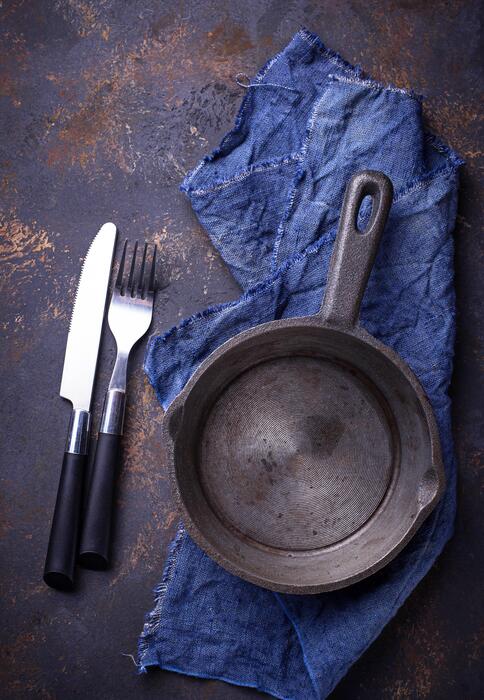
How to scrub off loose rust by hand
Start by placing the skillet in the sink and using hot water, dish soap, and a non-metal scrub pad or stiff brush to remove loose surface rust. For older buildup, sprinkle on coarse salt or baking soda and scrub in small circles to add gentle abrasion without damaging the iron.
Focus on rusty patches, the sides, and the handle, but avoid using excessive force that could gouge the surface. If the rust is light, this step may remove most of it without any soaking. Rinse often so you can see your progress clearly.
The goal is to get rid of flaky rust and residue first, which makes later steps more effective. Once the loose rust is gone, inspect the pan under bright light before moving on.
How to soak a skillet in vinegar the right way
If hand scrubbing does not remove all the rust, use a short vinegar soak to loosen what remains. Mix equal parts white vinegar and water in a sink, bucket, or container large enough to hold the skillet.
Submerge the pan fully, but check it every 15 to 30 minutes because vinegar can start eating into bare cast iron if left too long. Most skillets need only one to two hours, though severe rust may need slightly longer with close monitoring.
As rust softens, take the pan out and scrub again with a brush or steel wool. Do not soak it overnight. The key is controlled soaking, not long soaking. Once the rust lifts easily, remove the skillet immediately and move to rinsing and drying.
How to rinse, dry, and check for remaining rust
After soaking or scrubbing, rinse the skillet thoroughly with clean water to remove vinegar, rust particles, and loosened debris. Dry it right away with a towel, then place it on the stove over low heat for several minutes to evaporate hidden moisture.
This step is important because cast iron can flash rust within minutes if left damp. Once dry, inspect the entire surface, including the rim, handle, and bottom, for any orange spots, dark rough patches, or pitting that still looks rusty.
Rub the surface with a clean paper towel; if you still see reddish residue, repeat the scrubbing process on those areas. When the pan feels mostly smooth and the rust is gone, it is ready for oiling and reseasoning to protect the bare iron.
How to handle heavy rust spots and stubborn buildup
For deep rust or stubborn crust, step up to fine steel wool, a metal scrubber, or a chainmail scrubber and work directly on the problem areas. Use firm, even pressure and keep checking your progress so you remove the rust without creating unnecessary wear.
If one vinegar soak is not enough, repeat a short soak-and-scrub cycle rather than leaving the skillet submerged for too long. Very heavy rust may reveal pitting, which is usually cosmetic and still safe once the rust is removed.
In extreme cases, a self-cleaning oven cycle or electrolysis can strip the pan completely, but those methods are only for restoration projects. Once the surface is clean, do not stop there—apply a thin coat of oil and reseason the skillet right away to prevent new rust from forming.
How to Reseason a Cast Iron Skillet After Rust Removal
Why seasoning is needed after removing rust
After you get rust off a cast iron skillet, the pan is left with bare, unprotected iron. That exposed surface can begin to rust again quickly, sometimes within hours if any moisture remains.
Reseasoning solves this by baking a thin layer of oil onto the metal until it polymerizes into a protective coating. This layer helps block water, reduces sticking, and restores the skillet’s dark finish.
Before seasoning, make sure the pan is completely dry by heating it briefly on the stove or in a warm oven. If you skip this step, trapped moisture can undermine the new coating.
Think of seasoning as the final repair step after rust removal: it protects the skillet now and makes future cooking and cleanup much easier.
Best oil to use for reseasoning cast iron
For reseasoning cast iron, choose an oil that forms a durable, even coating when heated. Good options include grapeseed oil, canola oil, vegetable oil, or flaxseed oil, though many home cooks prefer grapeseed or canola because they are reliable and less prone to creating a brittle finish.
The most important rule is to apply very little oil. Too much leaves sticky patches instead of a smooth seasoning layer. Rub oil over the entire skillet, including the handle, bottom, and outer sides, then wipe it off until the pan looks almost dry.
That thin film is exactly what you want. Avoid strongly flavored oils or butter for the initial reseasoning, since they can smoke heavily or create uneven results when you are rebuilding protection after rust removal.
How to season your skillet in the oven
To season your skillet in the oven, start with a pan that is clean, rust-free, and fully dry. Preheat the oven to 450-500°F, depending on your oil’s smoke point. Warm the skillet for a few minutes, then rub on a small amount of oil over every surface.
Wipe thoroughly so only a thin sheen remains. Place the skillet upside down on the oven rack and put foil or a baking sheet below to catch drips. Bake for one hour, then turn off the oven and let the skillet cool inside.
This slow cooling helps the coating set evenly. If the surface feels sticky afterward, too much oil was used; simply wipe it down and repeat with a thinner layer. Proper oven seasoning creates a harder, more protective finish than stovetop oiling alone.
How many seasoning layers you may need
The number of layers you need depends on how much rust you removed and how bare the skillet became. After light rust cleanup, one to two oven seasoning rounds may be enough to restore protection.
If the pan was heavily rusted or stripped to raw gray metal, plan on three to four thin layers for a stronger base. Focus on building seasoning gradually rather than trying to fix everything with one heavy coat.
A properly seasoned skillet should look dark, dry, and smooth, not greasy or blotchy. Even after the oven treatment, regular cooking with a little oil, especially foods like cornbread or sautéed vegetables, will continue improving the finish over time.
If you notice dull spots or orange discoloration returning, add another thin seasoning cycle before rust has a chance to spread.
Common Mistakes to Avoid When Cleaning Rusty Cast Iron

Why soaking too long in vinegar can damage the pan
Vinegar can help loosen rust, but leaving a cast iron skillet in vinegar too long can strip the iron itself, not just the rust.
A short soak in a mix of equal parts water and vinegar is usually enough, and you should check the pan every 15 to 30 minutes instead of walking away for hours.
If you notice the surface turning dull gray or feeling rougher, remove it immediately and start scrubbing with steel wool or a stiff brush. The goal is to soften rust, not bathe the skillet indefinitely.
Deep pitting can happen when acid keeps working after the rust is gone, which makes restoring and seasoning harder. After the soak, rinse well, dry completely, and apply a thin layer of oil before reheating.
If the rust is light, skip the soak entirely and try dry scrubbing first to avoid unnecessary damage.
How moisture causes flash rust after cleaning
One of the most common mistakes when figuring out how get rust off cast iron skillet surfaces is removing the rust successfully, then letting the pan stay damp. Cast iron can develop flash rust within minutes after rinsing because bare iron reacts quickly with moisture and air.
After scrubbing, dry the skillet right away with a towel, then place it on the stove over low heat for several minutes to drive out hidden water from the pores and handle joints. Do not leave it in the sink, on a drying rack, or under a damp towel.
Once fully dry, rub on a very thin coat of cooking oil and wipe off any excess so the surface is protected, not sticky. This step is essential because cleaned cast iron is especially vulnerable before seasoning is rebuilt.
If orange spots appear almost immediately, that usually means the skillet was not dried and oiled fast enough.
Why dishwashers and harsh cleaners are a bad idea
A dishwasher is one of the worst places for a rusty cast iron skillet because long exposure to water, detergent, and humid heat speeds up rust and strips seasoning.
Harsh cleaners such as oven spray, bleach-based products, and heavy-duty degreasers can also damage the surface or leave residues you do not want on cookware.
When removing rust, use simple, targeted methods like a vinegar solution for a short soak, coarse salt, baking soda, or steel wool, depending on how severe the rust is. The aim is to clean the pan without creating more problems.
Dishwashers also cause repeated wet-dry cycles that can worsen existing rust spots and undo your restoration work. After cleaning, rebuild protection by drying thoroughly and applying oil before heating the skillet.
If the pan has stuck-on food along with rust, avoid aggressive chemicals and instead loosen debris with hot water and gentle scraping, then move on to rust removal and reseasoning.
Tips for Keeping Rust Off Your Cast Iron Skillet
How to clean cast iron after everyday cooking
After each use, clean your skillet while it is still slightly warm so food releases more easily. Skip long soaking, because standing water is one of the fastest ways to invite rust.
Instead, rinse with hot water and use a soft brush, sponge, or coarse salt to scrub away stuck bits. If needed, use a small drop of mild soap; modern cast iron care does not require avoiding soap completely, as long as you do not strip the pan with harsh cleaners.
For stubborn residue, simmer a little water in the skillet for a minute, then scrape gently with a wooden spatula. Once clean, wipe the surface dry right away rather than leaving it in the sink.
Making this routine consistent helps stop the moisture buildup that leads people to search for how to get rust off a cast iron skillet later. Quick cleaning, gentle scrubbing, and no soaking are the habits that protect the seasoning and the iron underneath.
Best ways to dry and oil your skillet after washing
The most important step after washing is to remove every trace of moisture. Towel-dry the skillet first, then place it over low heat on the stove for a few minutes so hidden water evaporates from the cooking surface, rim, handle, and pour spouts.
This extra heating step is especially helpful because cast iron can hold moisture in tiny pores, which encourages rust spots. Once the pan is fully dry and just warm, rub in a very thin layer of neutral oil such as canola, grapeseed, or vegetable oil.
Use a paper towel or cloth to spread it over the inside, outside, and handle, then buff away the excess until the skillet looks almost dry. Too much oil can turn sticky, so aim for a light protective coating, not a glossy pool.
This simple dry-then-oil routine keeps oxygen and moisture off the metal, strengthens seasoning over time, and greatly reduces the chance of future rust.
How to store cast iron to prevent rust
Proper storage matters just as much as cleaning. Always put your skillet away only after it is completely dry, lightly oiled, and fully cooled. Store it in a low-humidity spot, not under a damp sink or in a cabinet where moisture gets trapped.
If you stack pans, place a paper towel, coffee filter, or clean cloth between them to absorb any lingering humidity and prevent scratches to the seasoning.
Leave the lid off if your cast iron has one, or store the lid separately so air can circulate and condensation does not build up inside. If you live in a humid climate, check the skillet regularly and refresh the light oil coating when needed.
Avoid storing food in cast iron, since leftover moisture and acidity can damage the finish and encourage rust. Dry airflow, separation between pans, and routine checks are the easiest long-term habits for preventing rust and keeping your skillet ready to use.
FAQs About Removing Rust From a Cast Iron Skillet
Can you save a severely rusted cast iron skillet
Yes, most severely rusted cast iron skillets can be restored if the metal is still structurally sound. Start by checking for deep pitting, cracks, warping, or holes. Surface rust, orange staining, and even heavy flaky buildup are usually fixable.
To remove the rust, scrub the pan with steel wool, a stiff brush, or fine-grit sandpaper using warm water and a small amount of dish soap.
For stubborn rust, soak briefly in a 1:1 vinegar and water solution for 30 minutes at a time, checking often so the acid does not damage the iron. Once the rust is gone, dry the skillet immediately and completely.
Then apply a very thin coat of neutral oil inside and out, wipe off excess, and bake it upside down at about 450°F for 1 hour. Repeat the seasoning cycle if needed. Patience and thin seasoning layers are the keys to bringing a neglected pan back to life.
How long does it take to remove rust and reseason
The total time depends on how much rust is on the skillet and whether you are doing a light cleanup or a full restoration. For minor rust spots, you may need only 10 to 20 minutes of scrubbing, followed by drying and one seasoning cycle.
Heavier rust can take 30 to 90 minutes of repeated scrubbing, short vinegar soaks, rinsing, and checking progress. After the rust is removed, plan on another 1.5 to 2 hours for drying, oiling, baking, and cooling during reseasoning.
If the pan is badly stripped or patchy, doing 2 to 3 seasoning rounds may give better results, which can turn the project into an afternoon job.
The fastest way to avoid setbacks is to fully dry the skillet right away after cleaning, even heating it on the stove for a few minutes before oiling. Rushing the drying or using too much oil often causes sticky seasoning instead of a smooth finish.
What to do if rust keeps coming back
If rust keeps returning, the problem is usually moisture, incomplete seasoning, or improper storage rather than the pan itself. First, make sure you are drying the skillet thoroughly after every wash. Use a towel, then place it on low heat for a few minutes so hidden moisture evaporates completely.
Next, maintain the seasoning by rubbing on a very light coat of oil after drying and buffing off any excess. A thick oily layer can turn gummy instead of protective. Store the skillet in a dry, well-ventilated place, not trapped under a lid or stacked while damp.
If you live in a humid area, place a paper towel inside the pan to absorb moisture. Also avoid leaving acidic foods or water in the skillet for long periods. If rust spots still appear, scrub them off promptly and apply another seasoning layer.
Consistent drying, thin oiling, and dry storage are the best long-term fixes for recurring rust.
Frequently Asked Questions
What is the best way to remove rust from a cast iron skillet?
Scrub the rusted areas with steel wool, a scouring pad, or coarse salt until the orange-brown rust is gone. Rinse quickly, dry the skillet completely, and then apply a thin layer of oil before re-seasoning it in the oven.
Can I use soap and water on a rusty cast iron skillet?
Yes, when dealing with rust, using a little soap and water is fine because the pan needs a thorough cleanup. Just avoid soaking it too long, and dry it immediately and completely to prevent more rust from forming.
How do I re-season a cast iron skillet after removing rust?
After the skillet is clean and fully dry, rub on a very thin coat of neutral oil such as vegetable, canola, or grapeseed oil. Bake it upside down in a hot oven for about an hour, then let it cool and repeat if needed for a stronger seasoning layer.
Is it safe to cook in a cast iron skillet that has rust?
Light surface rust is usually not dangerous, but it can affect flavor and indicates the seasoning has failed. It is best to remove the rust and re-season the skillet before cooking with it again.
Can vinegar help remove rust from cast iron?
Yes, a short soak in a mixture of equal parts white vinegar and water can help loosen stubborn rust. Do not leave the skillet in too long, because vinegar can start damaging the iron, so check it often and scrub as soon as the rust lifts.
What should I do if my cast iron skillet has heavy rust all over it?
For severe rust, use steel wool or a vinegar solution to strip the rust down to bare metal. Once the rust is removed, dry the pan thoroughly and complete a full re-seasoning process with one or more layers of oil baked onto the surface.
How can I keep my cast iron skillet from rusting again?
Always dry the skillet completely after washing, preferably with heat on the stove for a minute or two. Finish by wiping on a very light coat of oil and store it in a dry place to protect the surface.
Conclusion
Regular care, like drying thoroughly and seasoning often, helps prevent future rust and keeps your skillet in great shape. With a little effort, you can bring old cast iron back to life and enjoy cooking with it for years.