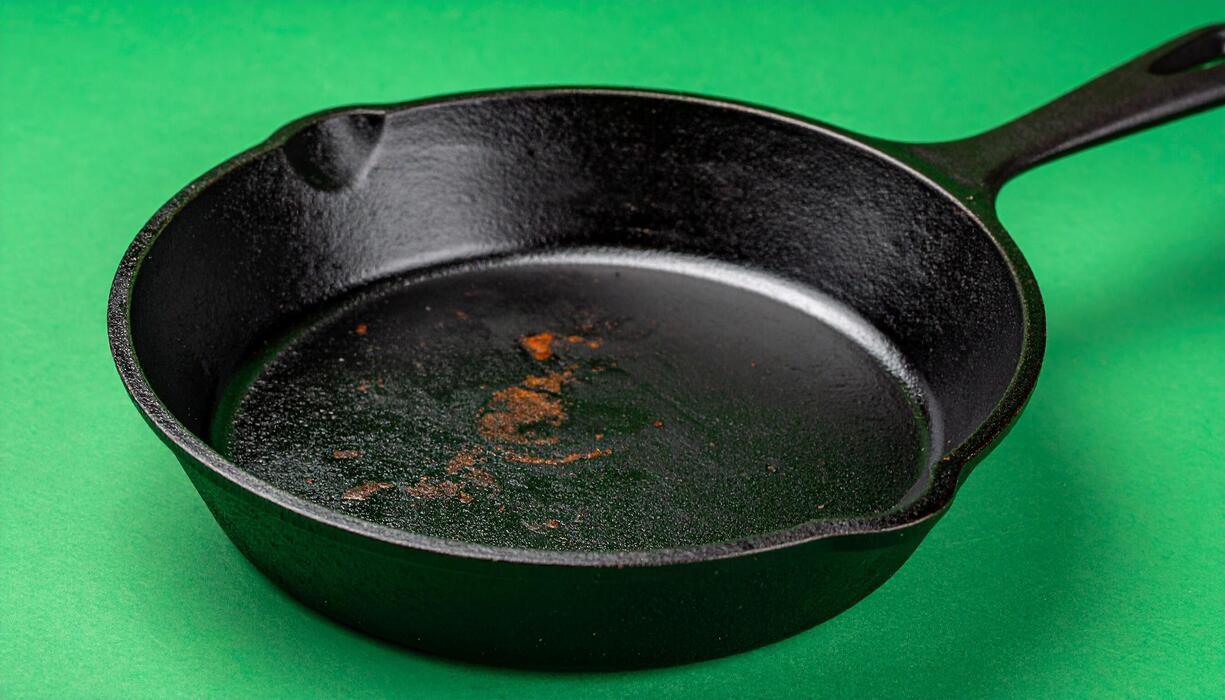
How To Season A Rusty Cast Iron Skillet
If you’re searching for how to season a rusty cast iron skillet, the fix is simpler than it looks: remove the rust, dry the pan completely, then coat it with a thin layer of oil and bake it to build a durable nonstick finish. This guide shows you how to restore a neglected skillet, prevent future rust, and season it properly so it cooks better and lasts for years with better seasoning and easier cleanup every time.
Why a rusty cast iron skillet can still be saved
How rust forms on cast iron
Rust appears when bare cast iron is exposed to moisture, oxygen, and time. If a skillet is washed and left wet, stored in a damp cabinet, or stripped of its seasoning by harsh scrubbing, the protective oil layer disappears and oxidation starts quickly.
The good news is that surface rust usually does not mean the pan is ruined. In many cases, the metal underneath is still solid and fully usable once the rust is removed and the skillet is re-seasoned.
To assess it, look for orange or brown patches, a rough dry texture, and any flaking seasoning. If the pan is still structurally sound, you can save it by cleaning away the rust, drying it completely, and rebuilding the oil layer in thin coats.
The key is to stop moisture from lingering and to protect the metal before it oxidizes again.
When to season instead of replace
You should usually season instead of replace when the skillet has surface rust, dull seasoning, or a sticky, patchy finish but no major structural damage.
If the cooking surface is pitted but still flat, or if rust wipes away without revealing deep cracks, the skillet is often a good candidate for restoration. Start by scrubbing off loose rust, then dry the pan thoroughly over low heat so no hidden moisture remains.
After that, apply a very thin layer of oil all over the pan, including the handle and exterior, and bake it to form a new protective coating. Repeat as needed rather than using a heavy coat, which can turn gummy.
Replacement is only worth considering if the skillet is cracked, badly warped, or rusted through in a way that affects safety or function. For most rusty skillets, seasoning is the practical and cost-effective fix.
What a good restoration result looks like
A successful restoration does not have to look brand-new. A properly saved skillet may still show dark discoloration, minor pitting, or old character marks, but the surface should feel dry, smooth enough for cooking, and free of active rust.
After seasoning, the pan should develop a deep brown or black sheen that gets better with use. Water should bead lightly on the surface instead of soaking in, and food should release more easily over time.
If the skillet still feels tacky, greasy, or orange after treatment, it likely needs more drying, lighter oil application, or additional seasoning rounds. The goal is a stable, protected cooking surface, not a perfect cosmetic finish.
Once restored, keep the skillet dry, store it with airflow, and wipe on a thin coat of oil after cleaning. That maintenance is what keeps the rust from returning.
What you need to season a rusty cast iron skillet
Basic cleaning supplies
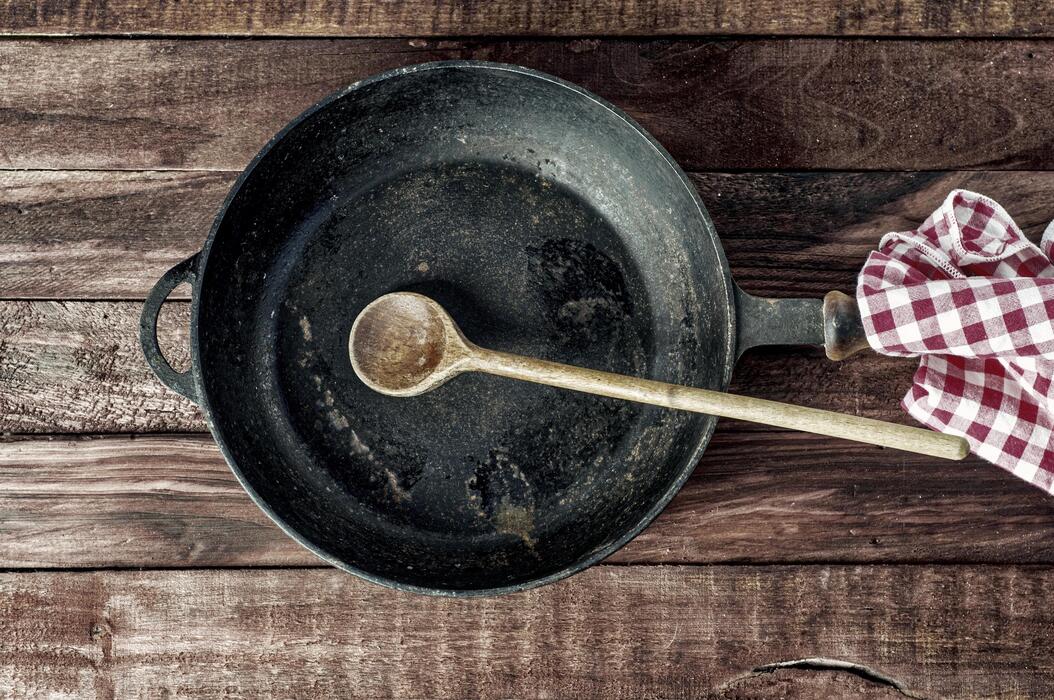
To season a rusty cast iron skillet, start with a few basic cleaning supplies that remove rust and old debris without damaging the metal. You’ll need warm water, dish soap, a stiff scrub brush or non-scratch scouring pad, paper towels or clean cloths, and a dry towel for drying.
For heavier rust, keep steel wool or a chainmail scrubber on hand, plus baking soda for extra scrubbing help. If the rust is stubborn, white vinegar mixed with water can loosen it before scrubbing, but don’t soak the pan too long.
The goal is to get the skillet back to bare, clean cast iron so the seasoning can bond properly. After washing, dry the skillet immediately and thoroughly, then heat it briefly on the stove or in the oven to drive off hidden moisture.
Any leftover water can cause new rust, so drying supplies matter just as much as the scrub tools.
Best oils and fats for seasoning
The best seasoning starts with an oil or fat that spreads thinly and handles heat well. Good choices include flaxseed oil, canola oil, vegetable oil, grapeseed oil, and sunflower oil. These work because they create a hard protective layer when heated.
Flaxseed oil is often praised for forming a durable finish, but it can be more temperamental, so apply it very sparingly. More forgiving everyday options like canola or vegetable oil are easier for beginners and still produce solid results. Some cooks also use shortening or lard for a traditional finish.
Whatever you choose, the key is to use very little oil—too much leaves the skillet sticky instead of smooth. Wipe the pan until it looks almost dry, then bake it so the thin coating polymerizes into seasoning.
If you are restoring a badly rusty skillet, having a bottle of your chosen oil ready is essential before you begin heating.
Optional tools that make the job easier
A few optional tools can make restoring a rusty cast iron skillet faster and less messy. A plastic scraper helps lift stuck-on residue without gouging the surface, and a chainmail scrubber is excellent for removing rust while protecting the pan.
Oven mitts are useful because seasoning requires handling a very hot skillet, and a baking sheet or foil-lined oven rack catches any drips during the bake. A stove or oven thermometer can also help you keep the heat steady, which improves seasoning results.
For extra protection, use a ventilated kitchen fan or open a window, since oil can smoke while it cures. Some people like a lint-free cloth or microfiber towel for applying a thin oil coat evenly.
These tools are not required, but they reduce frustration and help you get a smoother, more even finish. If you are learning how to season a rusty cast iron skillet, having the right accessories can make the process much easier to repeat successfully.
How to remove rust from a cast iron skillet

Scrub off loose rust and old residue
Start by removing any loose rust, flaky seasoning, and stuck-on grime so the skillet has a clean surface for re-seasoning. Use hot water, a stiff brush, or steel wool to scrub the pan firmly, focusing on the rusted areas and the cooking surface.
If needed, add a small amount of mild dish soap; a quick wash will not ruin cast iron when you are restoring it. Rinse thoroughly, then inspect the skillet for orange spots or rough patches and scrub again until the metal looks dull but clean.
Avoid soaking the pan, because standing water can create more rust. Once the surface is clear, dry it right away with a towel so you can move directly into the seasoning step.
A well-scrubbed skillet helps the oil bond evenly, which is the key to getting a smooth, protective finish after rust removal.
Use vinegar safely for stubborn rust
If rust remains after scrubbing, use white vinegar carefully to loosen it. Mix equal parts vinegar and water in a basin or sink, then place the skillet in the solution only long enough to soften the rust—usually no more than 1 to 3 hours, checking it often.
Vinegar is acidic, so leaving cast iron in it too long can damage the metal and make the surface too rough. For stubborn spots, you can also dip a cloth in the solution and rub the affected areas instead of fully submerging the pan.
After the rust loosens, scrub again with steel wool or a scouring pad, then rinse the skillet well to stop the acid from working. When the rust is gone, dry immediately and proceed to seasoning right away.
This method is especially helpful when you want to restore a rusty cast iron skillet without using harsh chemicals, while still preparing a clean base for oil and heat.
Dry the skillet completely after cleaning
Drying the skillet completely is essential before you season a rusty cast iron skillet, because any leftover moisture can trigger new rust almost immediately.
First, wipe the pan with a clean towel, then place it over low heat on the stove for several minutes to evaporate hidden water from the handle, rim, and cooking surface. You can also warm it in a low oven if you prefer.
Once the skillet feels fully dry, let it cool just enough to handle safely, then apply a very thin layer of oil such as vegetable oil, canola oil, or flaxseed oil. Rub it on with a lint-free cloth, then wipe off excess so the pan looks almost dry.
Bake the skillet upside down in a hot oven to build the seasoning layer. If you see any orange spots later, repeat the cleaning and drying steps before oiling again. Proper drying gives your seasoning the best chance to bond and last.
How to prep the skillet before seasoning
Wash away leftover grime and dust
Start by removing every trace of loose rust, soot, and old residue so the seasoning can bond evenly. Scrub the skillet with hot water, a small amount of dish soap, and a stiff brush or non-scratch scouring pad.
For heavy rust, add coarse salt or a paste of baking soda and water and work it into the surface until the rough, flaky areas lift away. Focus on the inside, outside, handle, and rim, since seasoning will protect all exposed iron.
Rinse thoroughly, then inspect the pan under good light. If you still see orange dust or dark grime, scrub again before moving on. The goal is not a perfect finish yet; it is to create a clean, bare, even surface that oil can cling to.
Once the skillet looks clean, dry it immediately with a towel so rust does not start forming again while it sits wet.
Heat the pan to remove hidden moisture
After washing, place the skillet over low to medium heat on the stovetop or in a warm oven for several minutes. Cast iron can hold moisture in tiny pores and around the handle, and any leftover water can interfere with seasoning or cause fresh rust.
Heat the pan until it is completely dry to the touch and you no longer see steam, damp patches, or water spots. If you washed away a lot of rust, this step is especially important because the bare metal can flash-rust quickly.
Use oven mitts and handle the skillet carefully, then let it cool just enough to safely apply oil without smoking it off immediately. A slightly warm pan spreads oil more evenly than a cold one, which helps you build a thin, smooth base layer.
If you are working in a humid kitchen, keep the drying time a little longer and do not skip this step.
Apply a thin coat of oil the right way
Once the skillet is dry and warm, add a small amount of high-smoke-point oil such as flaxseed, canola, grapeseed, or vegetable oil. The key is to use very little oil; too much leaves a sticky surface instead of a hard protective layer.
Pour a few drops into the pan, then use a clean paper towel or lint-free cloth to rub it over the entire skillet, including the outside, handle, and edges.
Wipe again with a fresh towel until the pan looks almost dry, as if you removed the oil instead of added it. That ultra-thin film is what seasons best.
Check for pooling in the corners, around the handle base, and near the rim, because excess oil there can bake into tacky spots. If the pan still looks shiny or wet, keep wiping.
A well-prepped skillet should look barely glossy, not greasy, before it goes into the oven for the seasoning bake.
How to season a rusty cast iron skillet in the oven
Set the oven temperature for seasoning
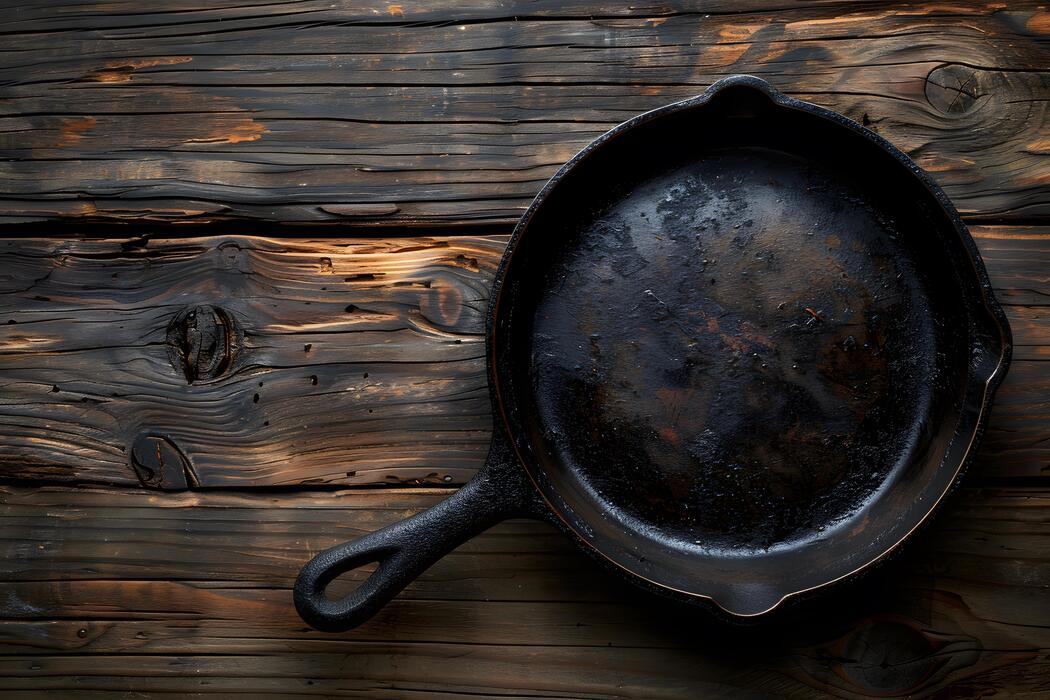
Start by scrubbing away loose rust with steel wool, a scouring pad, or a stiff brush until the surface feels clean and even. Then wash the skillet with warm water and a small amount of soap, rinse well, and dry it completely.
To remove the last bit of moisture, place it on the stovetop over low heat for a few minutes. Once dry, rub a very thin layer of oil all over the pan, inside and out, using a paper towel or lint-free cloth.
Flaxseed, grapeseed, canola, or vegetable oil all work well. Wipe off any excess so the skillet looks almost dry, because too much oil can turn sticky. Preheat the oven to 450°F to 500°F, depending on your oven and the oil you choose.
This high heat helps the oil bond to the iron and rebuild a protective seasoning layer.
Bake the skillet upside down
Place a sheet of foil or a lined baking tray on the lower oven rack to catch any drips from the oil. Put the skillet on the middle rack upside down so excess oil cannot pool in the cooking surface.
This is important because pooled oil can leave uneven, tacky spots instead of a smooth seasoning coat. Bake the skillet for one hour at the chosen temperature, then turn off the oven and let the pan cool inside.
Slow cooling helps the seasoning set more evenly and reduces the chance of thermal shock. If your skillet was heavily rusted, the first coat may look dull or patchy, and that is normal.
The goal is to create a thin, hard layer that protects the iron from moisture and future rust, not a shiny finish after one bake.
Repeat for a stronger nonstick finish
For the best results, repeat the oil-and-bake process 2 to 4 times. Each cycle builds a stronger, darker seasoning layer that improves both rust resistance and nonstick performance. After each round, let the skillet cool, then apply another ultra-thin coat of oil and wipe away the excess again.
If the surface feels rough, you can lightly buff it between coats, but avoid scrubbing off the developing finish. When the final round is done, use the skillet regularly and dry it thoroughly after every wash to keep the seasoning intact.
You can also rub in a tiny amount of oil after cleaning to maintain the finish. Over time, repeated cooking with fats and proper care will create a smooth, reliable nonstick surface that helps prevent rust from returning.
How to season a rusty cast iron skillet on the stovetop
Choose a stovetop method for quick fixes
If your skillet has light rust, a stovetop seasoning can be a fast repair. Start by scrubbing off all rust and loose debris with steel wool or a stiff brush, then wash, rinse, and dry thoroughly.
Set the skillet over low to medium heat for a few minutes to drive out hidden moisture. Next, rub on a very thin layer of high-smoke-point oil such as canola, grapeseed, or flaxseed oil.
Use a paper towel to wipe away almost all of it; the pan should look nearly dry, not glossy. Heat the skillet upside down or handle-side supported on the burner for 20 to 30 minutes, then remove it and let it cool slightly.
For better protection, repeat the oil-and-heat step 2 to 3 times. This method works best for a quick re-seasoning after rust removal, especially when you want to restore cooking performance without using the oven.
Control heat to avoid sticky buildup
The biggest mistake when seasoning a rusty cast iron skillet is using too much oil or too much heat too fast. Keep the burner at steady low-to-medium heat so the oil bonds gradually instead of pooling and turning gummy.
If you see smoke, that is normal in moderation, but heavy smoke means the skillet is too hot. Thin layers are better than one thick coat; excess oil creates a sticky film instead of a hard seasoning layer.
Rotate the pan if your burner heats unevenly, and watch the surface closely during the first few minutes. If it starts to feel tacky, continue heating a little longer so the oil can fully polymerize. After each round, wipe the surface with a clean paper towel to check for residue.
For rusty pans, this careful heat control helps rebuild a smooth, protective finish while reducing the chance of patchy seasoning, burnt spots, or a sticky, uneven surface.
Cool and wipe the skillet correctly
Once the skillet has heated long enough, turn off the burner and let it cool gradually on the stove. Do not rinse a hot cast iron pan with water, because sudden temperature changes can warp the metal and invite more rust.
When it is warm but safe to handle, wipe the surface with a clean, dry paper towel or lint-free cloth to remove any excess oil or loose residue. Pay attention to the cooking surface, handle, rim, and underside, since moisture can hide in those areas.
If the skillet still looks dull or slightly rough, repeat a thin oil coat and another short heating cycle. After cooling completely, store it in a dry place with good airflow. You can place a paper towel inside the skillet to absorb humidity.
For ongoing care, always dry it immediately after washing and add a light oil rub when needed. Proper cooling and wiping help lock in the new seasoning and prevent rust from returning.
How to care for a seasoned cast iron skillet
Clean after every use without stripping seasoning
Wash the skillet soon after cooking while it is still warm, using hot water, a soft sponge, or a non-abrasive brush. For stuck-on food, add a little water and simmer it for a minute, then scrape gently with a wooden or silicone spatula.
Avoid soaking the pan, using harsh detergents, or scrubbing with steel wool unless you are intentionally removing rust for a full re-seasoning. If you need a touch of soap, use only a small amount of mild dish soap and rinse promptly.
Dry the skillet completely with a towel, then place it over low heat for a few minutes to evaporate hidden moisture from the pores and handle. This routine helps preserve the protective seasoning layer while preventing flash rust.
If the surface starts to look dull, rub in a few drops of oil after drying and wipe out the excess so the skillet stays slick, not greasy.
Store the skillet to prevent new rust
Store your cast iron only when it is fully dry. After drying and warming it on the stove, apply a very thin coat of neutral oil such as canola, grapeseed, or vegetable oil, then buff off any visible residue with a clean paper towel.
Too much oil can turn sticky and attract dust, so aim for a barely-there sheen. Keep the skillet in a dry cabinet or open shelf if possible, and avoid sealing it inside damp ovens or crowded drawers where moisture lingers.
If you stack pans, place a paper towel, cloth, or pan protector between them to reduce abrasion and trap less humidity. In humid climates, a small desiccant packet nearby can help.
Never put a cast iron skillet away with food residue, because leftover salt, moisture, and acids can quickly lead to rust. Good storage habits are one of the easiest ways to protect a seasoned skillet and reduce future repair work.
Fix small rust spots before they spread
If you notice orange specks or a rough patch, act quickly before the rust grows. Start by scrubbing the affected area with fine steel wool, a scrub pad, or a paste of coarse salt and oil until the rust is gone and the surface feels smooth.
Rinse briefly, then dry the skillet immediately and heat it on the stove to remove all moisture. Next, wipe on a thin layer of oil and buff away the excess. If the spot was minor, you may only need to repeat this process once or twice.
For larger rusty areas, wash the whole pan, dry it thoroughly, and re-season it in the oven so the repaired section blends with the rest of the cookware. To prevent the problem from returning, keep the skillet dry after each use and store it in a low-humidity place.
Catching small rust spots early is the fastest way to keep a cast iron skillet strong, smooth, and ready for cooking.
Frequently Asked Questions
How do I season a rusty cast iron skillet?
First, remove the rust by scrubbing the skillet with steel wool or a stiff brush and warm water until the surface feels smooth. Dry it completely, then apply a very thin layer of oil all over, including the handle and outside, and bake it upside down in a hot oven to build a protective seasoning layer.
Do I need to remove all the rust before seasoning?
Yes, you should remove as much rust as possible before seasoning so the oil can bond to clean metal. A little discoloration is usually fine, but flaky rust should be scrubbed off first for the best results.
What oil is best for seasoning a rusty cast iron skillet?
Use a neutral oil with a relatively high smoke point, such as canola, vegetable, grapeseed, or flaxseed oil. The key is to apply only a very thin coat, since too much oil can leave a sticky finish instead of a hard seasoning.
How many times should I season a rusty cast iron skillet?
For a skillet that was rusty, 2 to 4 seasoning rounds is often a good start. Each layer should be thinly applied and baked until it forms a dark, dry finish, which helps rebuild protection and improve nonstick performance.
What temperature should I use to season cast iron?
A common seasoning temperature is around 450 to 500°F (232 to 260°C), depending on the oil you use. Bake the skillet for about an hour, then let it cool in the oven or at room temperature before applying another coat if needed.
Can I season a rusty cast iron skillet after washing it with soap?
Yes, soap is not a problem as long as you rinse it well and dry it completely afterward. In fact, if the skillet is rusty or dirty, a thorough wash can help prepare it for rust removal and reseasoning.
How do I keep a cast iron skillet from rusting again?
After each use, dry the skillet thoroughly and rub a very light coat of oil on the cooking surface. Store it in a dry place, and avoid leaving it soaking in water or putting it away while damp.
Conclusion
Seasoning a rusty cast iron skillet is a simple process that restores its durability and cooking performance. By removing rust, thoroughly drying the pan, applying a thin layer of oil, and baking it to create a protective coating, you can bring old cookware back to life. With regular care and proper storage, your skillet will continue improving over time. Don’t give up on rusty cast iron—it’s often easier to save than replace.