How Clean Rusty Cast Iron Skillet
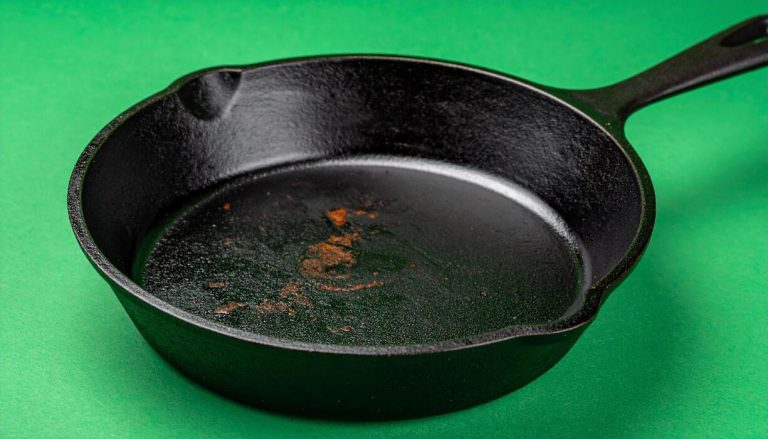
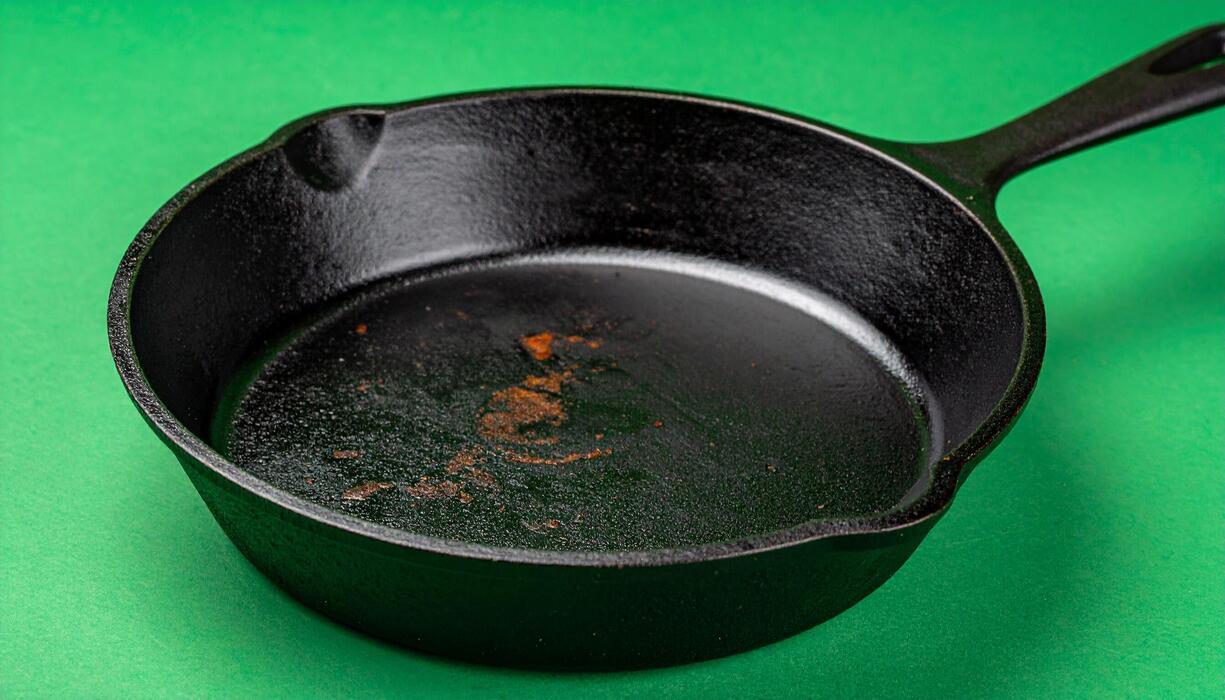
If you’re searching for how clean rusty cast iron skillet, you’re likely dealing with flaky buildup, dull seasoning, or surface corrosion that makes the pan look ruined. The good news is that most rust can be removed safely without damaging the skillet, and the pan can often be restored to a smooth, nonstick finish. In this guide, you’ll learn the fastest, safest way to clean rust, re-season the pan, and keep it from coming back again.
What Causes Rust on a Cast Iron Skillet
Common reasons cast iron rusts
Rust usually appears when the skillet’s protective seasoning layer is damaged or missing. Seasoning is the baked-on oil coating that helps block air and moisture from reaching the iron.
If you scrub with harsh abrasives, use the wrong cleaner, or cook acidic foods too often without re-seasoning, that barrier can wear thin. Rust can also develop if the pan is put away while still damp, or if it is washed and then air-dried slowly.
Even a small amount of trapped water can start orange-brown spots. If your skillet is already rusty, don’t panic—most surface rust can be cleaned off at home with steel wool, a stiff brush, mild soap, warm water, and thorough drying, followed by a fresh coat of oil and heat.
The key is to remove the rust completely, then rebuild the seasoning so the problem does not return.
How moisture and storage affect rust
Moisture is the biggest reason cast iron rusts, especially in humid kitchens or poorly ventilated cabinets. A skillet can look dry on the outside yet still hold hidden water in the handle, rim, or cooking surface, which is enough to cause corrosion.
Storing cast iron with a lid on, stacking it while warm, or leaving it in a sink or dishwasher area also traps dampness and speeds rusting.
To prevent this, dry the pan immediately after washing, then place it on a low burner or in a warm oven for a few minutes to evaporate every drop. After that, rub on a thin layer of neutral oil and wipe away any excess so it does not feel sticky.
Store the skillet in a dry place with airflow, and if you stack pans, add a paper towel between them. Good storage habits matter just as much as cleaning when it comes to stopping rust.
When rust can still be fixed at home
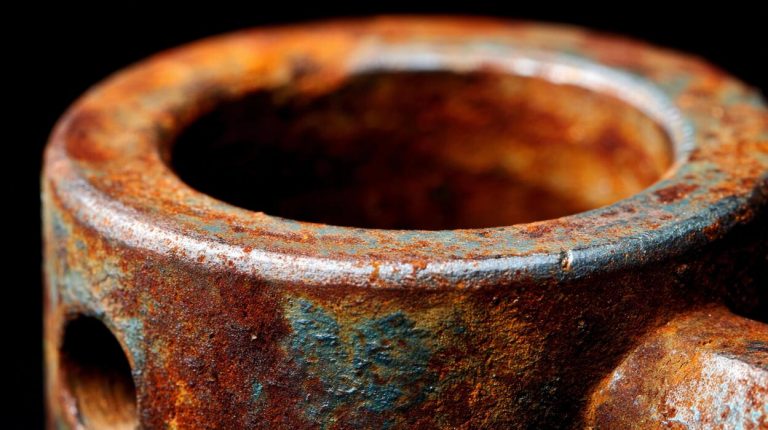
Most rusty cast iron skillets can be saved at home if the rust is surface-level and the metal is still solid. Light rust usually comes off with warm water, a little soap, and scrubbing using steel wool, a scouring pad, or coarse salt plus oil.
For heavier rust, soak the affected area briefly, scrub until the orange color disappears, rinse, and dry immediately. Then re-season the skillet by applying a very thin coat of oil and baking it upside down in a hot oven so the coating bonds to the iron.
If the pan has deep pitting, flaking metal, or rust that keeps returning after cleaning, it may need several rounds of scrubbing and re-seasoning, but it is often still fixable.
The important point is to act quickly: the sooner you remove the rust and restore the seasoning, the easier it is to bring the skillet back to a safe, nonstick cooking surface.
Tools and Supplies to Clean a Rusty Cast Iron Skillet
Best scrubbing tools to use
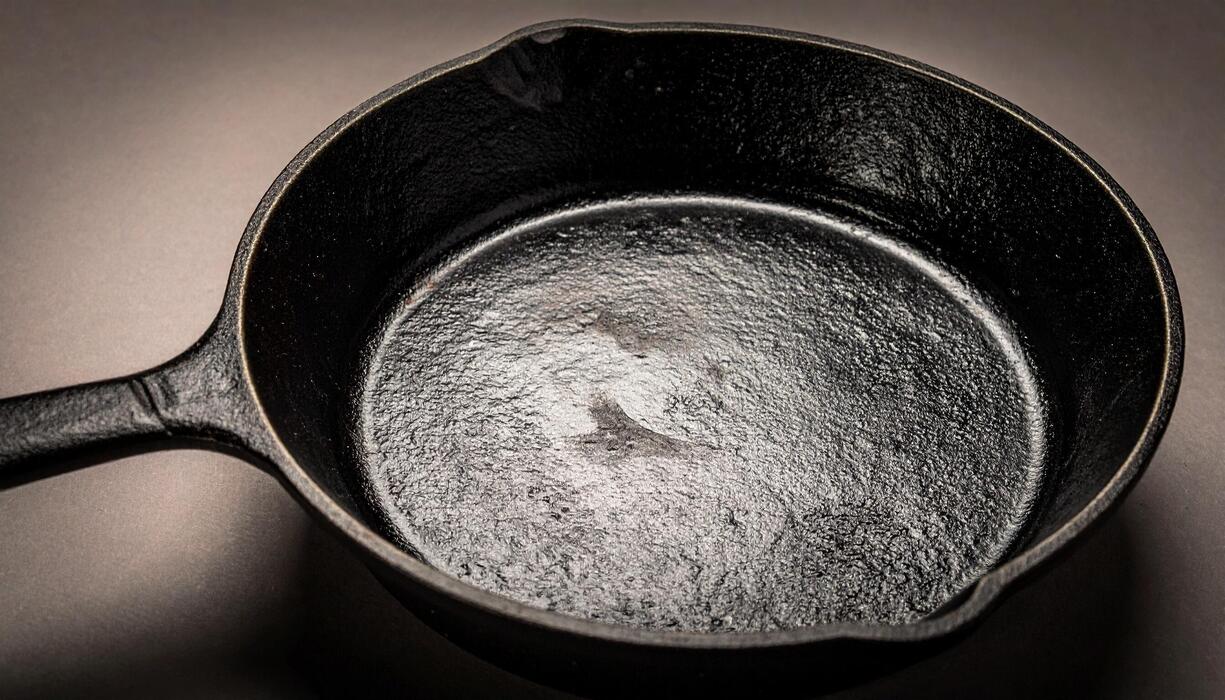
For a rusty cast iron skillet, start with non-metal scrubbing tools that remove rust without gouging the seasoning you want to preserve. A stiff nylon brush is a great first choice because it provides strong friction while staying gentle on the surface.
If the rust is stubborn, use fine steel wool or a chainmail scrubber with controlled pressure; both can lift oxidation effectively, but they should be used only when you plan to re-season afterward.
A plastic scraper or dull spatula can help dislodge stuck-on rust flakes and old food residue before scrubbing. Keep a stack of paper towels or lint-free cloths nearby for wiping away debris as you go. For small crevices, an old toothbrush works well around the rim, handle, and pour spouts.
The goal is to use tools that are abrasive enough to remove rust but not so harsh they damage the pan.
Cleaning agents that work safely
The safest cleaning agents for restoring rusty cast iron are usually simple and non-reactive. Warm water and a small amount of mild dish soap can help loosen dirt, grease, and loose rust without harming the skillet when used briefly.
For deeper rust, make a baking soda paste by mixing baking soda with a little water; this creates a mild abrasive that helps scrub corrosion while remaining gentle on cast iron.
Another effective option is white vinegar diluted with water, but use it carefully and for a short time only, because vinegar is acidic and can strip good seasoning if left too long. After any acidic treatment, rinse promptly and dry immediately.
For the final wipe-down, a little cooking oil on a paper towel helps protect the bare metal from flash rust. The best cleaning agents are safe, controlled, and easy to rinse off so you can clean the skillet thoroughly without creating more damage.
What to avoid on cast iron
When cleaning a rusty cast iron skillet, avoid anything that can cause deep scratches, moisture retention, or chemical damage. Do not use harsh oven cleaners, bleach, or strong household chemicals, because they can corrode the metal and leave unsafe residues.
Skip metal scouring pads with sharp edges unless you are fully stripping and re-seasoning the pan, since aggressive abrasion can remove healthy seasoning along with the rust. Avoid soaking the skillet for long periods, because cast iron absorbs water at the surface and can rust even faster.
Never put a wet skillet away, and do not let it air-dry on its own; always dry it immediately and completely with a towel or low heat on the stove. Also avoid using the dishwasher, which is too harsh for cast iron and promotes rust.
The main rule is to keep the process gentle, brief, and dry so you remove rust without creating a bigger restoration job.
How to Clean Light Rust from Cast Iron
Step-by-step dry rust removal
Start by making sure the skillet is completely dry, then use a non-metal abrasive to remove loose rust. A scouring pad, stiff brush, or crumpled aluminum foil works well for light surface rust without cutting too deeply into the seasoning.
Scrub in small circles and focus on the orange spots first, then wipe away the dust so you can see what remains. If the rust is stubborn, add a little coarse salt as a gentle abrasive and keep working until the surface looks clean and gray rather than flaky.
Avoid soaking the pan during this step, since moisture can make rust spread. Once the rust is gone, wash the skillet quickly with warm water and a small amount of mild soap if needed, then move immediately to drying and re-seasoning.
The goal is to remove rust while keeping the iron smooth and ready for a fresh protective layer.
Using vinegar for small rust spots
For a few small rust patches, a short vinegar treatment can help lift oxidation fast. Mix equal parts white vinegar and water in a container large enough to cover only the rusty area, or apply the solution with a cloth if the spots are isolated.
Let the skillet sit for no more than 5 to 10 minutes at a time, because vinegar can eat into the iron if left too long. Check often and scrub lightly with a non-scratch pad or brush as the rust loosens. If needed, repeat briefly rather than extending the soak.
Once the spots are gone, rinse thoroughly and inspect the surface for any remaining discoloration. This method works best for light rust, not deep pitting. After treatment, move straight to drying and oiling so the exposed metal does not rust again.
Keeping the vinegar contact short is the key to cleaning effectively without damaging the pan.
Rinsing and drying the skillet properly
After removing the rust, rinsing and drying immediately is just as important as scrubbing. Rinse the skillet under warm running water to remove every trace of vinegar, salt, or rust particles, then dry it right away with a clean towel.
Do not let it air-dry, because even a few minutes of standing moisture can trigger fresh rust. For the best results, place the pan on a burner over low heat for a few minutes to evaporate hidden water from the handle, base, and cooking surface.
Once fully dry, rub on a very thin coat of cooking oil with a paper towel, then heat it briefly to help protect the metal. Wipe off any excess oil so the skillet does not feel sticky.
If the rust was light, this simple finish often restores the pan well enough for regular use. Proper drying and oiling are what keep cleaned cast iron from rusting again.
How to Remove Heavy Rust from Cast Iron
Soaking methods for stubborn rust
For a skillet with heavy rust, start with a controlled soak instead of aggressive scrubbing right away. Mix equal parts white vinegar and water in a tub or sink basin deep enough to cover the rusty areas, then submerge the pan for no more than 30 minutes at a time.
Check it often, because vinegar can remove rust and also begin to eat into the iron if left too long. If the rust is especially thick, lift the skillet out, scrub lightly, and return it for another short soak only as needed.
Another option is a baking soda paste for spot treatment: spread it over rusty patches, let it sit for 10 to 15 minutes, then rinse and test the area.
Always dry the skillet immediately after soaking with a towel and by warming it on the stove, because moisture left behind can cause new rust fast.
Scrubbing thick rust buildup
Once the rust has loosened, use the right tools to remove the remaining buildup without damaging the pan.
A non-scratch scrub pad, stiff nylon brush, or fine steel wool can work well on cast iron with heavy rust, especially if you pair it with a little dish soap or a paste of baking soda and water.
Scrub in firm circles, focusing on the orange or flaky spots, then rinse and inspect. For edges, corners, and the handle, use an old toothbrush or small nylon brush to reach tight areas.
If rust flakes are still clinging, repeat the soak briefly and scrub again rather than forcing it off in one pass. Avoid soaking with salt for long periods or using harsh cleaners meant for other metals.
The goal is to remove the rust layer while keeping the cast iron surface as smooth as possible before seasoning.
When to repeat the cleaning process
Repeat the cleaning process if the skillet still shows orange staining, rough patches, or flaky residue after the first round. Heavy rust often needs multiple short cycles of soaking, scrubbing, rinsing, and drying before the metal looks clean.
After each pass, wipe the skillet with a paper towel; if it comes away rusty, the pan needs another round. Do not leave cast iron wet between cycles.
Instead, dry it fully, warm it on the stovetop for a few minutes, and then apply a very thin coat of oil if you are finished cleaning for the day. If the rust is deep but the pan is otherwise solid, repeated gentle cleaning is safer than one aggressive attempt.
Once the surface is clean, season the skillet immediately in the oven or on the stovetop to protect it. If rust keeps returning quickly, the pan may need better drying habits or a more thorough seasoning restoration.
How to Re-season a Cast Iron Skillet After Rust Removal

Why seasoning is necessary
After rust removal, cast iron needs a fresh seasoning layer because bare iron oxidizes quickly and can start rusting again as soon as moisture reaches it.
Seasoning is not just about nonstick performance; it is a protective barrier that seals the skillet surface and helps it resist water, food acids, and everyday wear.
If you cleaned a rusty skillet with vinegar, steel wool, or a scrubber, you likely stripped away some of the old oil layer too, so the pan needs to be rebuilt from scratch.
Start by making sure the skillet is completely dry, then add a very thin coat of oil to every surface, including the handle, bottom, and rim. The goal is to create a hard, bonded layer—not a greasy finish.
Proper seasoning also improves cooking results over time, making the pan smoother, darker, and easier to maintain after each wash.
Best oils for seasoning cast iron
The best oils for seasoning are those with a high smoke point and a tendency to form a durable polymerized coating when heated. Common choices include flaxseed oil, grapeseed oil, canola oil, vegetable oil, and avocado oil.
Flaxseed oil can create a very hard finish, but it can also be finicky if applied too thickly, so use only a whisper-thin layer. Grapeseed and canola are popular because they are affordable, easy to find, and reliable for home use.
Avoid oils with strong flavors or very low smoke points, such as butter or extra-virgin olive oil, because they can leave sticky residue instead of a smooth surface.
No matter which oil you choose, the most important step is using very little oil and wiping off the excess until the skillet looks almost dry. Too much oil is the most common reason seasoning turns sticky, blotchy, or uneven.
Oven seasoning steps that work
To re-season a cast iron skillet after rust removal, preheat your oven to 450°F to 500°F and place a sheet of foil or a tray on the lower rack to catch drips.
First, rub a thin coat of oil over the entire skillet, then wipe it again with a clean cloth so only a barely visible layer remains. Set the skillet upside down on the middle rack so excess oil cannot pool inside.
Bake it for one hour, then turn off the oven and let the pan cool inside for at least 30 minutes, or until fully cool. This heat cycle helps the oil bond to the metal and form a protective coating.
For a stronger finish, repeat the process 2 to 3 times. After seasoning, avoid soaking the skillet and dry it right away after washing. If the surface looks dull or patchy at first, that is normal; repeated thin layers will build a stronger, smoother finish over time.
How to Restore a Rusty Cast Iron Skillet Safely
How to tell if the skillet is salvageable
Start by checking whether the rust is only on the surface or has caused deeper damage. A rusty cast iron skillet is usually salvageable if the metal is still solid, the pan has no cracks, and the cooking surface is mostly intact.
Look for flaking metal, deep pits, warped spots, or cracks around the handle and rim. Light orange rust and a rough feel are often fixable. If the skillet still has its original shape and does not wobble on a flat surface, it is a good candidate for restoration.
Before cleaning, remove loose debris with a dry paper towel or soft brush. Then scrub the rust with warm water, mild dish soap, and a non-metal scrubber or fine steel wool. Rinse quickly and dry immediately to prevent more rust.
If the pan starts showing shiny metal after scrubbing, that is normal and means you are removing the damaged layer.
Fixing pitted or rough surfaces
If the skillet feels rough or has small pits after the rust is removed, focus on smoothing the surface and rebuilding the seasoning. First, scrub away every trace of rust using steel wool, a scouring pad, or a paste made from baking soda and water.
Rinse, then dry the pan thoroughly over low heat for a few minutes so no moisture remains in the pores. For pitted areas, do not try to grind the metal smooth; instead, season the skillet several times to help fill and protect the surface.
Apply a very thin layer of high-smoke-point oil such as canola, grapeseed, or flaxseed, then wipe off excess so the pan looks almost dry. Bake it upside down at a high temperature for about an hour, with foil below to catch drips. Repeat this process 2 to 4 times.
The new seasoning layer will darken the pan, reduce roughness, and create a more nonstick cooking surface over time.
When to seek a replacement instead
Not every rusty cast iron skillet is worth saving. Consider replacing it if you see cracks, holes, severe warping, or metal that flakes away in layers when scrubbed. A skillet with deep structural damage may be unsafe because it can heat unevenly, crack further, or fail during cooking.
If rust has eaten through the cooking surface or the handle is unstable, restoration may not be practical. Also replace it if the pan has been exposed to unknown chemicals, paint, or nonfood-safe coatings that you cannot fully remove.
Very cheap, heavily damaged pans may cost more time and effort to restore than a new or used pan in better condition. If you are unsure, compare the skillet’s thickness, stability, and overall shape to a replacement cost.
When in doubt, choose safety and start with a pan that is easier to season and maintain. A sound skillet will clean up faster, hold seasoning better, and last for generations with regular care.
How to Prevent Rust on Cast Iron Skillets
Proper drying after every wash
The fastest way to prevent rust is to remove every trace of moisture right after washing. After cleaning a rusty cast iron skillet, rinse it well, then dry it immediately with a towel.
Next, place the skillet on a warm burner or in a low oven for a few minutes so water trapped in tiny pores can evaporate. Do not let it air-dry on the counter, because even a small amount of leftover moisture can trigger new rust spots.
Once fully dry, wipe on a very thin layer of oil with a paper towel to protect the surface. The pan should look lightly conditioned, not greasy. If you used soap or scrubbed away rust, this drying step matters even more.
Make it a habit every time you wash the skillet, and you will dramatically reduce the chance of corrosion returning.
Best storage habits for cast iron
How you store cast iron matters just as much as how you wash it. Keep your skillet in a dry, well-ventilated place instead of a damp sink cabinet or near a dishwasher.
If you stack pans, place a paper towel, cloth, or pan protector between them so trapped moisture does not sit on the surface. For lids or accessories, store them separately so condensation cannot drip back onto the skillet.
If your kitchen is humid, leave the pan slightly open to the air rather than sealed in a tight drawer. Before putting it away, make sure it is completely dry and lightly oiled.
If you just cleaned a rusty cast iron skillet, check it the next day for any dull spots or orange specks and wipe them away right away. Good storage habits keep the seasoning intact and help prevent rust from returning between uses.
Simple maintenance tips for long-term use
Regular maintenance keeps cast iron strong and rust-resistant. After each use, clean the skillet with hot water and a gentle scrub, then dry and oil it. Avoid soaking it, leaving it in the sink, or running it through the dishwasher, since prolonged water exposure strips protection fast.
If food is stuck, use coarse salt or a nonmetal scrubber instead of harsh chemicals. Re-season the pan whenever the surface starts to look dull, sticky, or patchy: rub on a thin coat of oil and bake it so the finish can rebuild.
If you notice a small rust spot, address it early by scrubbing it away, drying thoroughly, and re-oiling the area before it spreads. Also, cook with the skillet often.
Frequent use helps maintain seasoning naturally, which makes the surface more durable over time and reduces the need for major restoration later.
Frequently Asked Questions
How do I clean a rusty cast iron skillet?
Scrub the skillet with steel wool or a stiff brush, hot water, and a little dish soap if needed to remove rust and debris. Rinse well, dry it immediately, then apply a thin layer of oil and heat it to help restore the seasoning.
Can I use vinegar to remove rust from cast iron?
Yes, a short vinegar soak can help loosen rust, but it should be diluted and used carefully. Soak only for a limited time, then scrub, rinse thoroughly, dry completely, and re-season the skillet right away.
Should I use soap when cleaning a rusty cast iron skillet?
A small amount of soap is okay when removing rust, especially if the pan is very dirty or has old residue. Just avoid prolonged soaking, and always dry and oil the skillet after cleaning.
How do I dry cast iron after cleaning rust?
Dry it immediately with a towel, then place it on low heat for a few minutes to evaporate any remaining moisture. This step is important because leftover water can cause more rust.
How do I re-season a cast iron skillet after removing rust?
Rub a very thin layer of cooking oil over the entire skillet, including the handle and exterior, then bake it upside down in the oven. Repeat if needed to build a smooth, protective seasoning layer.
How can I prevent my cast iron skillet from rusting again?
Keep it dry, store it in a low-humidity place, and add a light coat of oil after each use. Avoid leaving it wet or soaking in water, since moisture is the main cause of rust.
Conclusion
Scrub away rust, wash thoroughly, dry completely, and season the pan to protect it from future damage. With regular care, your skillet can last for generations and cook better over time. Don’t be discouraged by rust—restoring cast iron is easy, rewarding, and well worth the effort.