How To Get Rust Off Cast Iron
If you’re searching for how to get rust off cast iron, the fix is usually simpler than it looks: remove the rust, clean the surface thoroughly, dry it completely, and re-season the pan so it’s protected again. Whether your skillet has light surface rust or heavier buildup, the right method can restore it without damaging the seasoning. You’re in the right place for a clear, practical solution that works every time, safely and effectively for best results.
How to Tell If Cast Iron Has Rust
Signs of surface rust vs deep rust
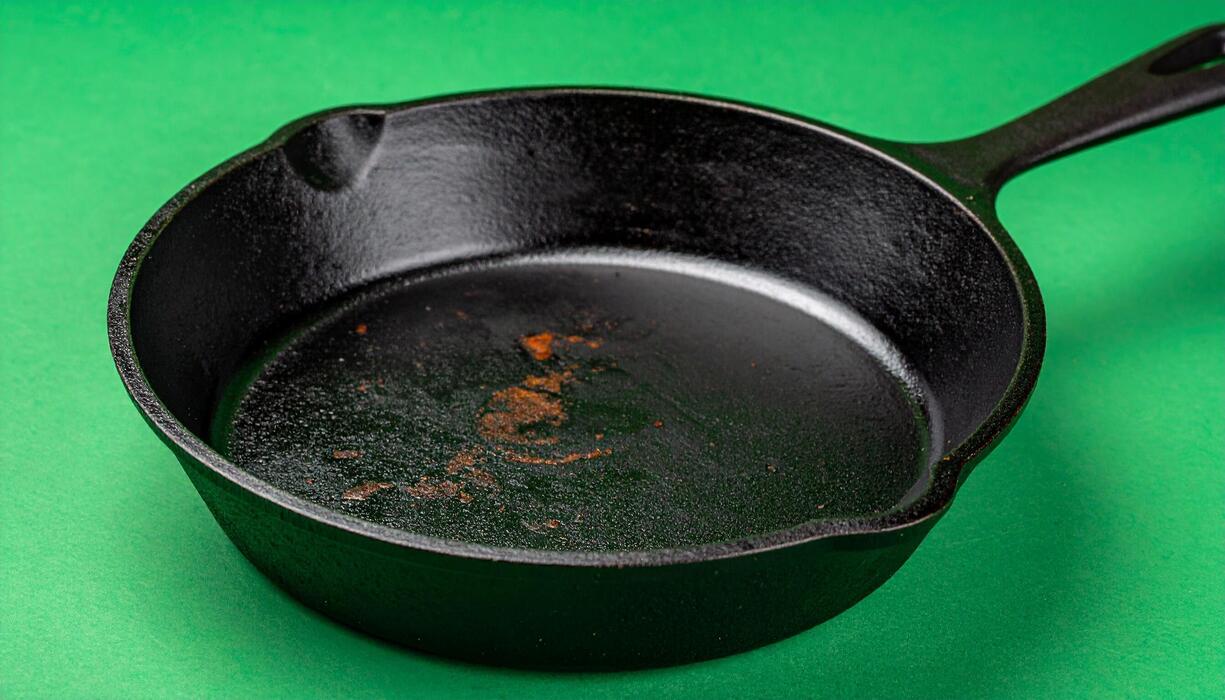
Start by looking for orange, reddish-brown patches on the cooking surface, rim, handle, or underside. Surface rust usually looks dry, dusty, and uneven, and it often wipes a little onto a paper towel or cloth. You may also feel a rough, gritty texture where the seasoning has worn away.
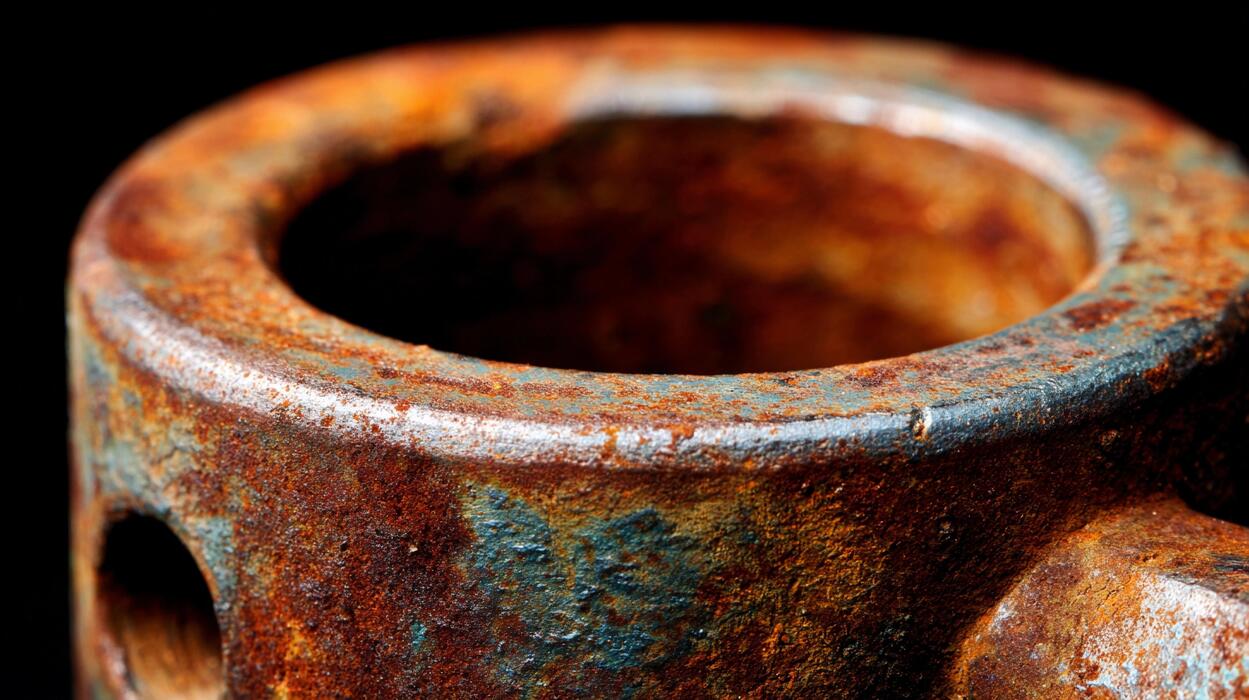
This type of rust is usually the easiest to remove, and it often comes off with scrubbing, vinegar, or a gentle abrasive after you identify it. Deep rust is more serious: it may appear darker, flaky, pitted, or layered, and the metal can look actively eroded rather than just discolored.
If the pan has rust only in a few spots but the rest feels smooth and solid, it is likely still salvageable. Check the entire pan, including the bottom and around the handle, because rust often starts where moisture sits after washing or storage.
When rust can be cleaned and when to replace the pan
Most cast iron pans with light to moderate rust can be restored, especially if the metal is still structurally sound. If the rust is mostly on the surface, the pan usually just needs thorough cleaning, drying, and re-seasoning after the rust is removed.
You should consider replacing the pan only if you see deep pitting, cracking, warping, or holes, because those problems can affect safety and cooking performance. A pan that rusts repeatedly after proper drying may also have lost too much seasoning or suffered damage that makes it harder to maintain.
Before deciding, scrub a small area: if the rusty layer lifts and the metal underneath looks intact, it is usually worth saving. If the rust keeps flaking away to reveal soft, uneven metal, or if the cooking surface is badly pitted, restoration may be possible but not always practical.
In many cases, cast iron is durable enough that even neglected pans can be brought back.
How rust affects cooking performance
Rust changes how cast iron cooks because it breaks down the seasoning layer that creates a smooth, nonstick surface. When seasoning is damaged, food is more likely to stick, brown unevenly, or pick up off flavors.
Rust can also make the pan heat less evenly in the areas where the surface has been roughened or pitted, which affects frying, searing, and baking results. If rust is left in place, moisture can keep spreading and make the surface worse over time.
That said, a little rust does not automatically ruin a pan. Once you remove the rust and re-season the skillet, it can usually return to normal performance. The key is to catch it early by inspecting after washing, drying the pan fully, and storing it in a dry place.
If you notice food sticking more than usual, discoloration, or orange spots after storage, those are strong clues that rust is starting and the pan needs attention.
Best Ways to Remove Rust from Cast Iron
Use vinegar and water for light rust
For light surface rust, start with a simple vinegar soak. Mix equal parts white vinegar and water in a container large enough to hold the rusted area, then soak the cast iron for no more than 30 minutes at a time.
Check often, because vinegar can remove rust quickly but may also start to damage the iron if left too long. After soaking, use a sponge or non-metal scrubber to lift the loosened rust. Rinse thoroughly with warm water, then dry the pan completely right away.
Finish by warming it on the stove for a few minutes and applying a thin layer of oil to prevent new rust from forming.
Scrub with baking soda and a stiff brush
If the rust is mild and stuck to the surface, make a thick paste of baking soda and water and apply it to the affected areas.
Let it sit for about 10 to 15 minutes so it can loosen the rust, then scrub using a stiff-bristled brush or a scrub pad that is safe for cast iron. Baking soda is a good option because it is abrasive enough to help remove rust without being too harsh.
Rinse well and repeat if needed. Once the rust is gone, dry the skillet completely and place it on low heat to remove hidden moisture. To protect the surface, wipe on a very light coat of oil after it cools.
Try salt and oil for stubborn spots
For stubborn rust spots, coarse salt and oil make a powerful but gentle scrubbing mix. Sprinkle kosher salt or coarse sea salt over the rusty area, then add a small amount of cooking oil to form a gritty paste.
Use a folded paper towel, cloth, or scrub pad to rub the mixture in small circles with firm pressure. The salt acts like a mild abrasive, while the oil helps lift debris and reduce scratching. Keep working until the rust breaks down, then wipe the surface clean.
Wash with warm water if needed, dry immediately, and re-season the pan with a thin coat of oil to restore protection.
When to use a scouring pad or steel wool
Use a scouring pad or fine steel wool only when rust is heavier and gentler methods are not enough. This is best for deeply rusted areas, flaky patches, or old cast iron that needs a stronger cleanup before re-seasoning.
Work with light to moderate pressure and scrub in short passes so you remove rust without digging into the metal. Avoid overly aggressive scrubbing, which can leave scratches or thin the seasoning more than necessary. Afterward, wash the pan, dry it completely, and heat it briefly to drive off moisture.
Then apply multiple thin coats of oil and bake or heat-season it to rebuild a protective finish.
How to Deep Clean a Rusty Cast Iron Pan
Step-by-step rust removal process
Start by washing the pan with warm water and a small amount of dish soap to remove grease and loose debris. Then scrub the rusty areas with fine steel wool, a scouring pad, or a stiff brush until the orange-brown rust lifts away.
If the rust is heavy, make a paste of baking soda and water and work it into the surface before scrubbing. For stubborn spots, a short vinegar soak can help, but do not leave the pan submerged too long.
Rinse thoroughly and check the surface; repeat the process if any rust remains. Once the rust is gone, dry the pan completely and move quickly to seasoning so the bare iron does not rust again.
Apply a thin layer of oil to all surfaces, including the handle and underside, then bake the pan upside down in a hot oven to restore protection.
How long to soak cast iron safely
If you need to soak a rusty cast iron pan, keep it brief and controlled. A safe rule is to use a diluted vinegar solution for no more than 5 to 10 minutes at a time.
Vinegar is acidic enough to loosen rust, but soaking cast iron too long can start to eat into the metal itself. Check the pan often, especially if the rust is light or only on the surface.
After each short soak, remove the pan, scrub away loosened rust, and rinse immediately with warm water. If the rust is still present, repeat in short intervals rather than leaving the pan in the solution continuously.
You can also use plain water for a short soak to loosen stuck food, but avoid long water exposure because cast iron rusts quickly. The goal is to soften the rust, not to marinate the pan. Always dry and oil it right after cleaning.
How to dry the pan completely after cleaning
Drying cast iron completely is just as important as removing the rust. First, wipe the pan with a clean, dry towel to remove all visible water.
Then place it on a low burner or in a warm oven for several minutes so moisture evaporates from the handle, rim, and cooking surface. Turn off the heat and inspect the pan for any remaining damp spots, especially around the edges and the underside.
If you see moisture, keep heating until the metal feels fully dry. As soon as the pan is dry, apply a very thin coat of oil with a paper towel or cloth, then buff off any excess so the surface looks nearly dry rather than greasy.
This final step helps prevent flash rust from forming. Never stack a wet cast iron pan with other cookware, and avoid air-drying it alone, since even a small amount of trapped moisture can bring rust back quickly.
How to Re-Season Cast Iron After Rust Removal
Why seasoning matters after cleaning
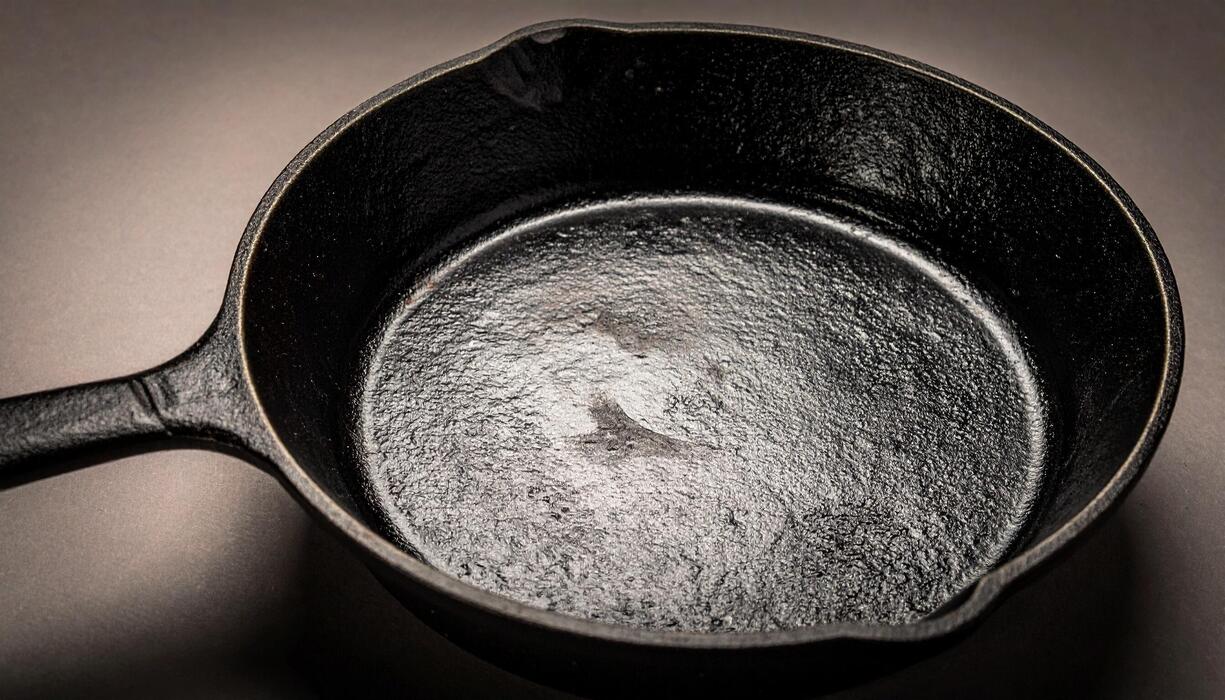
After you remove rust from cast iron, the surface is left exposed and vulnerable, so seasoning is the step that protects it again. Seasoning is a thin layer of polymerized oil that bonds to the iron and creates a natural nonstick finish.
Without it, moisture can quickly reach the bare metal and cause rust to return, sometimes within hours. Start by making sure the pan is completely dry after scrubbing off rust, then apply seasoning as soon as possible.
A light, even coat is better than a thick one because too much oil can turn sticky or create blotchy buildup. The goal is to rebuild a durable protective barrier that helps with cooking, cleanup, and long-term storage.
If the pan looked heavily rusted, you may need more than one round of seasoning to restore a smooth surface, but the process is straightforward and worth it for keeping cast iron functional for years.
Best oils for seasoning cast iron
The best oils for seasoning cast iron are oils with a high smoke point and a tendency to polymerize well under heat. Popular choices include flaxseed oil, grapeseed oil, canola oil, vegetable oil, and avocado oil.
Flaxseed oil is often praised for forming a hard finish, but it can be more prone to flaking if applied too thickly, so use only a very thin layer. Grapeseed and canola are reliable, affordable options that usually produce smooth, even seasoning.
Avocado oil is another strong choice because it tolerates high oven temperatures and leaves a durable coating. Avoid oils with low smoke points, strong flavors, or added butter solids, since they can smoke too quickly or create an uneven finish.
No matter which oil you choose, the key is thin application and repeated layers. A little goes a long way, and multiple light coats are far better than one greasy coat that never fully hardens.
Oven seasoning steps for a smooth finish
To re-season cast iron after rust removal, start by preheating your oven to 450–500°F. Wash the pan with warm water and mild soap if needed, then dry it thoroughly. You can place it on the stovetop for a few minutes to drive off hidden moisture.
Next, add a small amount of oil and rub it over the entire surface, including the outside, handle, and rim. Then wipe it again with a clean cloth until it looks almost dry; this prevents sticky buildup.
Place the pan upside down on the oven rack, with foil or a tray below it to catch drips. Bake for one hour, then turn off the oven and let the pan cool inside. For a stronger finish, repeat the process 2 to 4 times.
After seasoning, store the pan in a dry place and use it often. Regular cooking with oil helps the surface stay smooth and naturally protected.
How to Prevent Rust on Cast Iron
Drying cast iron right after washing
The fastest way to prevent rust is to remove every trace of water immediately after washing.
After rinsing the pan, dry it with a clean towel, then place it on a warm burner or in a low oven for a few minutes to drive off hidden moisture from the handle, rim, and cooking surface.
Pay close attention to seams, edges, and the underside, since rust often starts in spots that stay damp the longest. If you’re dealing with light rust now, drying thoroughly is also the first step before re-seasoning.
Never let cast iron air-dry, even for a short time, because a thin film of water can trigger oxidation quickly. Once the pan is fully dry, let it cool slightly before applying oil or storing it.
This simple habit is one of the most effective ways to keep cast iron looking dark, smooth, and rust-free.
Applying a thin layer of oil after use
After the pan is completely dry, add a very thin coat of oil to protect the surface from moisture and slow down rust formation.
Use a small amount of neutral oil, such as canola, vegetable, or grapeseed oil, and wipe it over the cooking surface with a paper towel or lint-free cloth. Then buff off the excess until the pan looks almost dry; too much oil can turn sticky and attract dust.
This light coating helps maintain the seasoning layer, which acts as a barrier between iron and water. If you recently removed rust, oiling is especially important because it helps support the renewed surface after cleaning.
Consistency matters more than quantity—a quick wipe after each use is better than heavy oiling once in a while. Regular, thin oiling keeps cast iron smoother, better protected, and less likely to corrode when stored between meals.
Storage tips to keep moisture away
Good storage habits are key to stopping rust before it starts. Keep cast iron in a dry, well-ventilated place rather than sealing it inside a damp cabinet or stacking it while still warm.
If you store pans inside each other, place a paper towel, dry cloth, or pan protector between them to absorb moisture and prevent scratches that can expose bare metal. Avoid lids resting tightly on the pan for long periods, because trapped humidity can create condensation.
In humid climates, consider storing cast iron near a dehumidifier or using a small moisture absorber in the cabinet. Check stored cookware periodically for any dampness, especially after washing or seasonal weather changes.
If you notice a musty smell, moisture spots, or orange flecks, dry the pan immediately and re-oil it. Smart storage reduces the chance of rust returning and makes your cast iron easier to maintain over time.
What Not to Do When Cleaning Rust Off Cast Iron
Avoid soaking cast iron too long
When figuring out how to get rust off cast iron, do not leave the pan soaking in water for long periods. Cast iron absorbs moisture quickly, and extended soaking can make rust spread deeper into the surface and even weaken the seasoning you want to save.
Instead, use short contact time: wet the rusty area only as long as needed to loosen debris, then scrub right away with a non-abrasive pad, brush, or a paste made from coarse salt and a little oil.
If the rust is stubborn, repeat the process in brief rounds rather than one long soak. Keep the pan out of the sink between steps, and never let it sit in standing water after cleaning.
The goal is to remove rust without creating more of it, so work efficiently, dry immediately, and move on to re-seasoning as soon as the metal looks clean.
Skip harsh dishwashers and strong detergents
Do not put cast iron in the dishwasher or use harsh detergents that strip away seasoning and leave the metal exposed. Dishwasher cycles combine high heat, long water exposure, and aggressive cleaning agents, which can remove the protective oil layer and make rust worse.
If you are learning how to get rust off cast iron, stick to gentle hand-cleaning instead. Use warm water, a mild amount of soap if needed, and a scrubber that will not gouge the surface.
For rust removal, choose safer abrasives such as kosher salt, a nylon brush, or a non-scratch pad rather than steel wool on every pass. After cleaning, inspect the pan for dull or orange spots, then dry and oil it promptly.
Strong chemicals may seem faster, but they often create a bigger maintenance problem. Protect the pan’s finish, because good seasoning is what helps prevent future rust.
Do not leave cast iron to air-dry
One of the biggest mistakes is letting cast iron air-dry after washing. Even a short wait can give moisture time to settle into the pores of the metal and trigger new rust, especially around the rim, handle, and cooking surface.
After you remove rust, dry the pan immediately with a clean towel or paper towel, making sure to wipe every crevice. For extra protection, place it on a warm burner or in a low oven for a few minutes to drive off hidden moisture.
Then apply a thin layer of oil while the pan is still slightly warm so the surface stays protected. Do not stack it away damp, and do not assume a few droplets will disappear on their own.
Fast drying is just as important as scrubbing, because rust returns quickly when cast iron stays wet. If you want lasting results, make drying and oiling your final, non-negotiable steps every time.
Tips for Keeping Cast Iron in Good Condition
How often to re-season cast iron
Re-season your pan whenever the surface starts looking dull, feels sticky, or shows small dull gray patches after cleaning. For most home cooks, a light re-seasoning every few months is enough, but pans used often for acidic foods, long simmering, or aggressive scrubbing may need it more often.
To help prevent rust from returning, wash the pan, dry it completely, then apply a very thin coat of oil all over the cooking surface, handle, and outer rim.
Wipe off the excess so it looks nearly dry, then heat it in the oven or on the stovetop until the oil bonds to the metal. Thin layers work better than thick ones, because heavy oil can turn tacky and trap moisture.
If you recently removed rust, plan on a full re-seasoning after cleaning so the protective coating is restored and the pan stays ready for regular use.
Best cleaning habits for daily use
Daily care is the easiest way to stop rust before it starts. After cooking, clean the pan while it is still warm with hot water and a non-abrasive brush or sponge.
For stuck-on bits, use coarse salt as a gentle scrub rather than harsh metal scouring pads that can strip seasoning. Avoid soaking cast iron, leaving it in the sink, or putting it in the dishwasher, since standing water is one of the fastest ways to create rust.
Once clean, dry the pan right away with a towel, then warm it briefly on the stove to evaporate hidden moisture from seams and rivets. Finish with a very light wipe of oil if the surface looks dry.
If food residue is left behind, remove it promptly instead of letting it sit overnight. These simple habits keep the seasoning intact and make rust much less likely to appear.
How to handle rust spots early
If you notice a small rust spot, deal with it immediately so it does not spread. Start by scrubbing the area with a little warm water and a mild abrasive such as salt, a nylon scrub pad, or fine steel wool if the rust is stubborn.
Remove only the rust, not the surrounding seasoning; stop as soon as the orange color is gone and the surface feels smooth. Rinse quickly, dry completely, and heat the pan for a few minutes to eliminate hidden moisture.
Then wipe on a thin layer of oil and re-season the affected area, or the entire pan if the spot is large. If rust keeps returning, check for storage problems such as damp cabinets, wet lids, or hanging the pan where steam collects.
Catching rust early saves time, protects the cooking surface, and helps your cast iron stay strong, dark, and nonstick.
Frequently Asked Questions
How do I get rust off cast iron safely?
Use a non-metal scrubber, steel wool, or a stiff brush with warm water and a little dish soap to remove surface rust. For heavier rust, make a paste of baking soda and water or use white vinegar briefly, then scrub, rinse, dry immediately, and re-season the pan.
Can I use vinegar to remove rust from cast iron?
Yes, white vinegar can help dissolve rust on cast iron, but it should be used carefully because leaving the pan in vinegar too long can damage the metal. Mix vinegar and water or soak only for a short time, then scrub, rinse thoroughly, and dry right away.
What should I do after removing rust from cast iron?
Dry the cast iron completely with a towel and heat it on the stove or in the oven to remove any remaining moisture. Then apply a thin layer of oil and season it in the oven to protect it from future rust.
Can I use sandpaper or a wire brush on rusty cast iron?
Yes, for stubborn rust you can use fine-grit sandpaper, steel wool, or a wire brush to strip the rust away. Be gentle enough to avoid scratching the cooking surface too aggressively, and always re-season the pan afterward.
How do I remove rust from a cast iron skillet with lots of buildup?
For heavy rust, soak the pan briefly in a vinegar-water solution, then scrub with steel wool or a brush until the rust lifts. If needed, repeat the process, then wash, dry thoroughly, and season the skillet to restore its protective coating.
How can I prevent cast iron from rusting again?
Keep cast iron dry, avoid soaking it for long periods, and always oil it lightly after cleaning. Store it in a dry place, and re-season it whenever the surface starts to look dull or feels rough.
Is rust on cast iron dangerous?
A small amount of rust on cast iron is usually not dangerous, but it should be removed before cooking for best results and food safety. Once cleaned and re-seasoned, the pan is generally safe to use again.
Conclusion
Removing rust from cast iron is simple when you use the right method and work patiently. Scrubbing with gentle abrasives, drying thoroughly, and reseasoning the pan will restore its protective surface and keep it cooking beautifully for years. With regular care, your cast iron can last a lifetime and even improve with use. Don’t be afraid to rescue rusty cookware—most pieces can be brought back with a little effort and consistency.
