
Why Does Cheese Go With Wine
Ever wonder why a simple slice of brie makes your glass of red taste so much better? It is not just tradition; there is actual science behind this perfect pair. Wine and cheese share a unique chemical relationship where fats and proteins balance out bitterness and acidity. In this guide, we will quickly break down the sensory magic that happens on your palate. You will learn exactly why they complement each other and how to master the art of pairing.
The Science Behind the Wine and Cheese Connection
How Fat and Tannins Balance Each Other
The fundamental reason wine and cheese complement each other lies in the chemical interaction between fat and tannins. Red wines are rich in tannins, which are biomolecules that can leave a dry or puckering sensation in the mouth.
When you consume a piece of high-fat cheese, the lipid molecules coat the tongue, creating a protective barrier. As you sip the wine, the tannins bind to the fats and proteins in the cheese rather than the proteins in your saliva.
This process effectively softens the wine’s astringency, making even the most robust Cabernet Sauvignon feel smoother and more approachable. To apply this at home, pair high-tannin reds with aged, hard cheeses like Cheddar or Parmigiano-Reggiano.
The dense fat content in these cheeses provides the necessary surface area to neutralize harsh polyphenols, resulting in a balanced flavor profile where neither the fruit nor the structure overwhelms the palate. This natural chemical synergy ensures a harmonious tasting experience every time.
The Role of Astringency and Lubrication
Astringency is often perceived as a ‘dry’ feeling, which occurs when wine tannins cause salivary proteins to clump together, reducing the mouth’s natural lubrication. Cheese acts as the perfect functional antidote by providing exogenous fats and oils that restore moisture to the oral cavity.
This creates a rhythmic ‘wipe-clean’ effect during a meal; the cheese provides a rich, creamy coating, while the acidity and tannins in the wine act as a palate cleanser to remove that fatty residue. To maximize this effect, try pairing acidic white wines like Sauvignon Blanc with creamy goat cheeses.
The high acidity cuts through the heavy creaminess, preventing the palate from becoming fatigued. By understanding this cycle of lubrication and cleansing, you can curate pairings that maintain a fresh sensation throughout an entire tasting session.
This functional relationship is why professional sommeliers often recommend balancing the ‘weight’ of the cheese with the structural intensity of the wine to ensure a continuous and pleasant sensory loop.
Chemical Reactions on the Palate
Beyond mere texture, there are complex aromatic and chemical reactions occurring on the palate that enhance the flavor of both components. Cheese contains various volatile compounds and fermentation byproducts that can amplify the fruity notes in a wine.
Specifically, the salt content in cheese acts as a universal flavor enhancer, suppressing bitterness while highlighting the wine’s hidden sweetness and floral aromas. Furthermore, the alkaline nature of certain cheeses can slightly alter the perceived acidity of the wine, making a sharp vintage taste more mellow and complex.
To leverage this science, look for blue cheeses to pair with sweet dessert wines; the saltiness of the mold triggers a reaction that heightens the wine’s honeyed characteristics while the sugar in the wine tames the cheese’s pungent funk.
By focusing on these molecular interactions, you can move beyond simple guesswork and use chemistry to create sophisticated pairings. This scientific approach ensures that every bite and sip work together to reveal nuances that would otherwise remain hidden.
How Acidity Cuts Through Creamy Textures
Why Sparkling Wines Suit Soft Cheeses
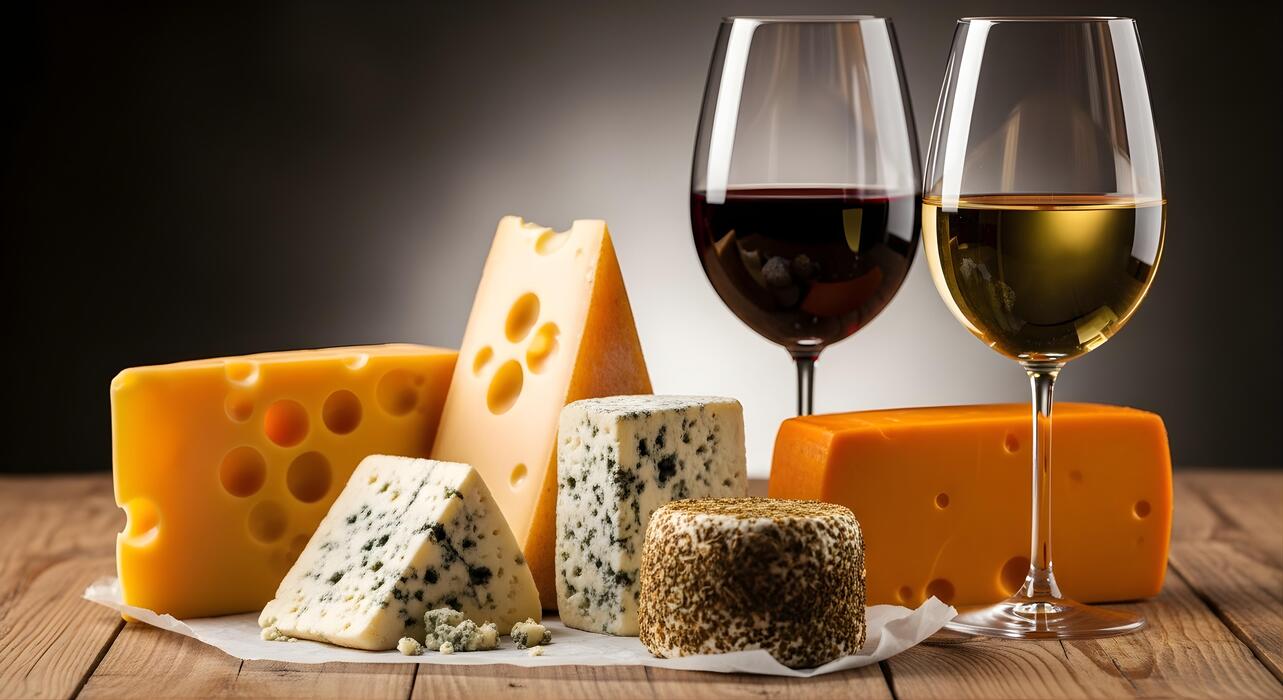
When you pair a glass of sparkling wine with creamy cheeses like Brie or Camembert, you are utilizing the power of carbonation and acidity to cleanse your palate.
The high fat content in these soft cheeses creates a thick coating on the tongue, which can eventually dull your sense of taste. The effervescence in sparkling wine acts as a physical scrubber, lifting the heavy lipids away from the taste buds.
Simultaneously, the inherent acidity of the wine cuts through the richness, preventing the cheese from feeling overly cloying or heavy. This interaction ensures that each bite feels as fresh and flavorful as the first.
To achieve the best results, look for traditional method sparklers that offer high acidity to pierce through the butterfat.
By balancing the velvety texture of the cheese with the sharp, refreshing bubbles of the wine, you create a dynamic sensory experience that highlights the delicate nuances of both the food and the beverage.
The Impact of High-Acid Whites on Goat Cheese
Goat cheese is celebrated for its distinctive tang and creamy yet crumbly texture, which requires a specific structural match in a wine. High-acid white wines, such as Sauvignon Blanc or Chenin Blanc, are the ideal solution because their acid profile mirrors the lactic tang found in the cheese.
This creates a bridge of flavor that allows the herbal and citrus notes of the wine to shine through the dairy. Without sufficient acidity, a wine would taste flat and uninspiring when faced with the sharp profile of goat milk.
The wine’s acidity effectively slices through the dense proteins, lightening the overall mouthfeel and preventing the palate from becoming saturated. When selecting a bottle, prioritize crispness to ensure the wine can stand up to the cheese’s intensity.
This pairing demonstrates how matching the intensity of acidity can transform a simple snack into a sophisticated culinary highlight, proving that structural balance is key to a successful and delicious tasting experience.
Maintaining Balance Between Sharpness and Richness
Achieving the perfect balance between the sharpness of a wine and the richness of a cheese is an exercise in structural harmony. The primary goal is to ensure that neither element overwhelms the other, allowing the acid to provide a necessary counterpoint to the fat.
When a wine has sufficient acidity, it provides a bright, mouth-watering sensation that encourages further eating and drinking. This is particularly important for aged cheeses that have developed a concentrated, savory profile.
The acidity helps to unmask hidden flavor complexities in the cheese, such as nuttiness or fruitiness, by stripping away the heavy film of cream. To master this at home, experiment with different levels of acidity to see how they interact with varying fat percentages.
A well-balanced pairing will feel seamless, where the wine provides a refreshing lift that punctuates the decadence of the cheese. Always remember that acidity is the structural backbone that prevents a rich pairing from becoming a singular, monotonous flavor profile.
Matching Flavor Intensity and Body
Pairing Bold Reds with Aged Hard Cheeses
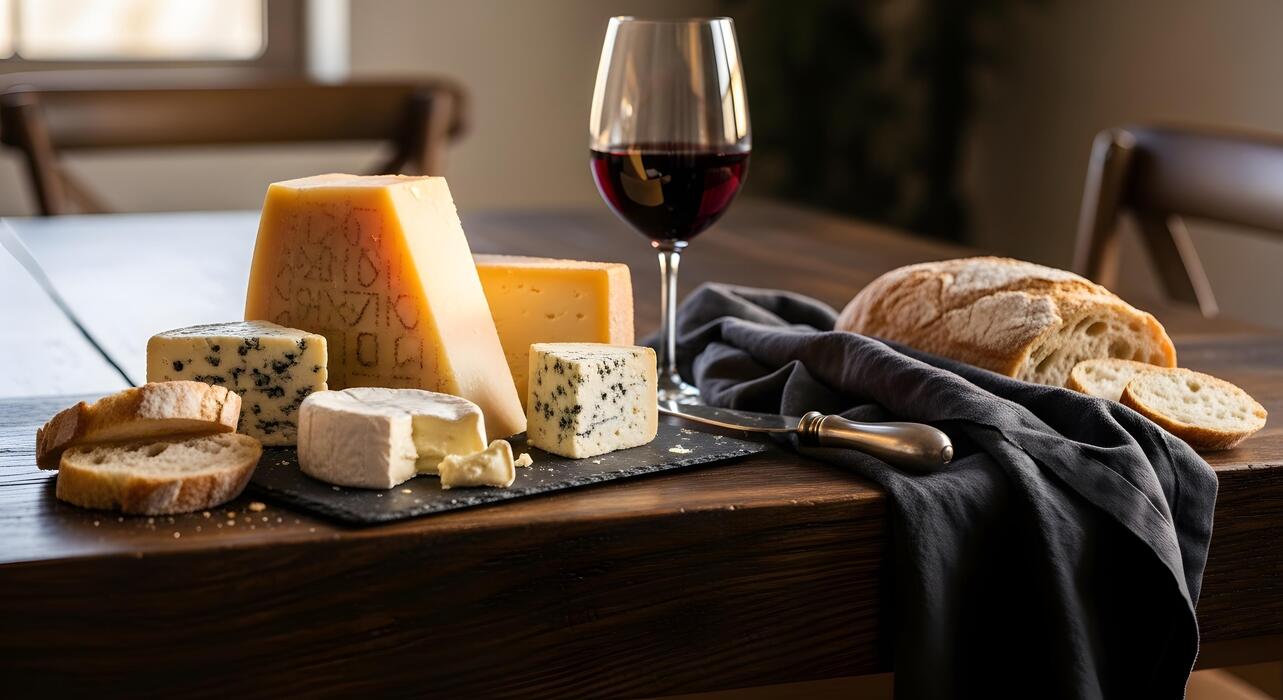
High-tannin red wines like Cabernet Sauvignon or Syrah require a structural partner that can stand up to their intense profile without being overwhelmed. Aged hard cheeses like Parmigiano-Reggiano or extra-sharp Cheddar are ideal because their concentrated proteins and fats effectively bind with the tannins in the wine.
This chemical interaction softens the astringency of the red wine on your palate, making the drink feel smoother and more approachable. Furthermore, as cheese ages, it loses moisture and gains a dense, crystalline texture and savory depth that mirrors the complexity of a full-bodied vintage.
To achieve a successful match, ensure the intensity of the cheese’s saltiness balances the wine’s fruit profile. This synergy prevents the wine from tasting overly metallic or thin.
By selecting a cheese with equal weight, you create a harmonious sensory experience where neither the bold fruit notes nor the savory dairy notes dominate the other, resulting in a perfectly balanced and lingering finish.
Why Delicate Whites Need Mild Cheeses
Light-bodied white wines, such as Pinot Grigio or Sauvignon Blanc, possess subtle floral and citrus notes that are easily eclipsed by pungent or heavy foods. To preserve these nuances, you must pair them with mild, creamy cheeses like fresh Mozzarella, Chèvre, or Ricotta.
These selections provide a gentle, milky backdrop that highlights the wine’s crisp acidity rather than fighting against it. The high moisture content in fresh cheeses acts as a palate cleanser, allowing the bright, zesty characteristics of the white wine to shine through with every sip.
If you choose a cheese that is too funky or strong, you risk masking the delicate aromatic compounds that define premium white varieties. Focus on matching the acidity levels; a tangy goat cheese often mirrors the tartness of a dry Riesling, creating a refreshing equilibrium.
This approach ensures that the light body of the wine feels substantial and vibrant, rather than watery, providing a sophisticated tasting experience that emphasizes freshness and clean flavors above all else.
Avoiding Overpowering Flavors
The most common mistake in pairing is allowing one element to dominate the palate, which negates the purpose of the combination. To avoid this, always evaluate the flavor persistence and weight of both the wine and the cheese before serving.
A pungent Blue cheese, for example, will completely wash out a light Rose, leaving you with a one-dimensional taste experience. Instead, utilize the principle of mirrored intensity to ensure that the lingering finish of the cheese matches the length of the wine.
When dealing with particularly aromatic or washed-rind cheeses, look for sweet or fortified wines like Port or Sauternes to provide a necessary counter-balance. The sugar and high alcohol content in these wines can cut through intense funk and high salt levels, creating a bridge between disparate profiles.
By carefully managing the volume of flavor, you prevent sensory overload and ensure that the unique characteristics of both products are celebrated. Always taste the wine first to gauge its body, then select a cheese that occupies the same space on the intensity spectrum.
The Logic of Regional Wine and Cheese Pairings
Historical Connections in French Gastronomy
The synergy between French wine and cheese is rooted in centuries of agricultural necessity and cultural evolution. Historically, farmers in regions like Burgundy or the Loire Valley produced both items on the same plot of land, leading to a natural flavor alignment known as bioregional compatibility.
This evolution was not accidental; rather, it was a practical solution for subsistence where local microclimates dictated the characteristics of both the grapes and the livestock forage.
When you pair a pungent Epoisses with a local Marc de Bourgogne, you are experiencing a profile that has been refined over generations to achieve gastronomic balance.
The acidity in the wine was traditionally used to cut through the heavy fats of the local creamery products, creating a palate-cleansing effect that made long, multi-course meals more digestible.
Understanding this history allows you to appreciate how traditional farming practices have essentially pre-selected these pairings for the modern consumer’s enjoyment.
Italian Traditions of Local Ingredients
Italian culinary philosophy is built on the concept of ‘campanilismo,’ or a fierce loyalty to the products of one’s own village. This mindset ensures that the sharp, salty profile of Pecorino Toscano is almost always served alongside a robust Sangiovese from the same hillsides.
The logic behind this is purely functional: the tannin structure of the red wine binds with the proteins in the sheep’s milk cheese, softening the mouthfeel of both components.
By focusing on indigenous grape varieties and heirloom livestock breeds, Italian producers have maintained a consistency in flavor profiles that spans centuries.
To replicate this success at home, look for cheeses and wines that share a geographic origin, as the shared mineral content in the soil often results in complementary aromatic compounds.
This regional strategy eliminates the guesswork of pairing, relying instead on the proven success of local ingredients that have shared the same dinner tables since the Roman era.
Why Terroir Matters for Both Products
The concept of terroir—the environmental factors like soil, climate, and topography—applies just as strictly to cheese as it does to wine. When cows or goats graze on specific grasses and wild herbs in an alpine meadow, those aromatic precursors are transferred directly into the milk and subsequent cheese.
Similarly, a vine absorbing minerals from the same limestone-rich earth will produce fruit with a specific acidity and mineral finish. This shared environmental DNA is why a crisp Sancerre pairs so exquisitely with a Crottin de Chavignol goat cheese; both products are expressions of the same flinty soil.
By matching items from the same terroir, you ensure that the flavor intensity of the food does not overwhelm the beverage.
This scientific approach to pairing focuses on chemical harmony, where the pH levels and fatty acid chains in the cheese are naturally calibrated to interact perfectly with the alcohol and residual sugars found in the regional vintage.
Salt and Sweetness: A Classic Contrast
Why Blue Cheese Works with Dessert Wine
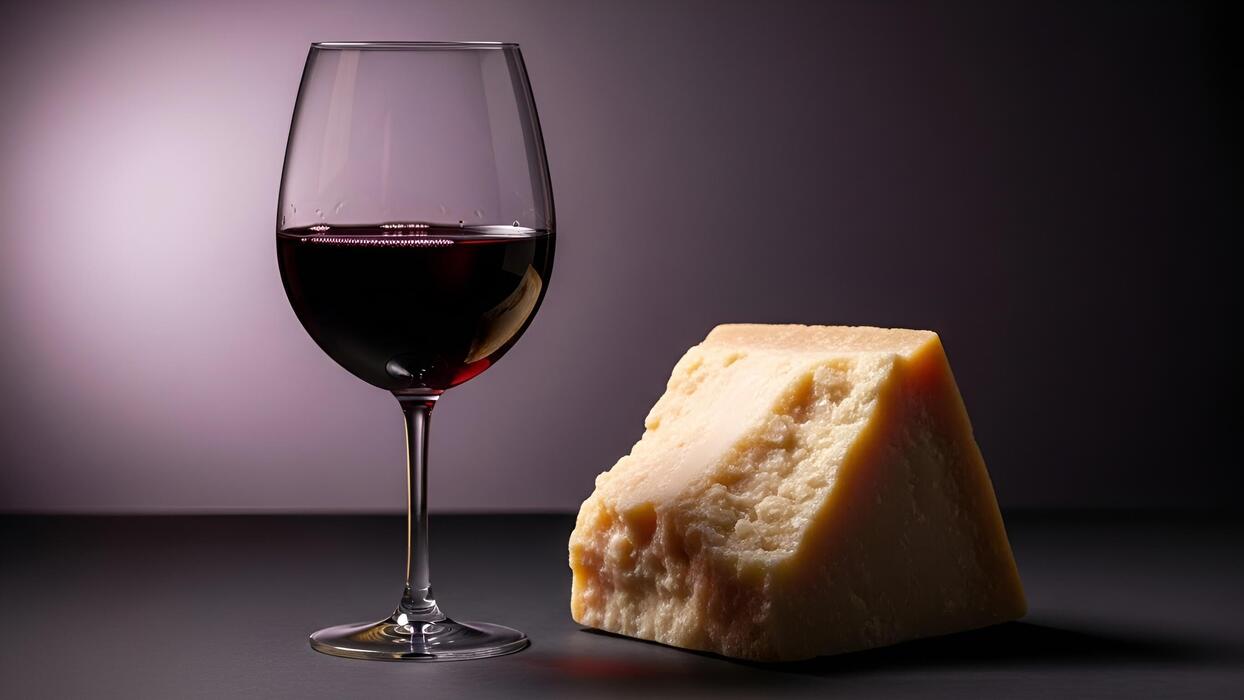
The partnership between pungent blue cheeses like Roquefort or Stilton and luscious dessert wines like Sauternes is a masterclass in culinary balance. The intense saltiness and creaminess of the cheese act as a direct counterpoint to the high sugar content and viscosity of the wine.
When you take a bite of salty blue cheese, it can often overwhelm the palate with its sharp, metallic tang; however, the residual sugar in a dessert wine cuts through this intensity, softening the blow and creating a harmonious blend of flavors.
This interaction is rooted in the way salt suppresses bitterness while enhancing the perception of body and sweetness in the wine. To apply this at home, ensure your wine is chilled to approximately 50°F to maintain its acidity, which helps cleanse the palate between rich bites.
By matching the weight of the cheese with the density of the wine, you create a balanced experience that prevents either element from dominating.
How Salt Enhances Fruit Notes in Wine
Salt is a powerful flavor modifier that significantly alters how we perceive the structural components of wine. When consuming salty cheeses like aged Gouda or Parmigiano-Reggiano, the salt interacts with your taste buds to reduce the perception of acidity and bitterness in the wine.
This chemical reaction allows the hidden fruit-forward characteristics and floral aromatics to shine through more prominently. For example, a high-acid sparkling wine or a crisp Sauvignon Blanc can taste overly sharp on its own, but when paired with a salty snack, the wine suddenly tastes smoother, rounder, and more vibrant.
To maximize this effect, focus on cheeses with visible salt crystals, as these provide the necessary sodium hit to soften harsh tannins in red wines or sharpen the sweetness in whites.
By strategically using salt, you effectively ‘season’ the wine, making the overall tasting experience more complex and enjoyable while highlighting the natural berry or citrus notes that might otherwise remain buried.
Best Sweet Wines for Salty Snacks
When selecting the ideal sweet wine to accompany salty snacks, look for options that offer a high degree of acidity to keep the pairing from feeling cloying.
Late-harvest Riesling is an excellent choice for salty nuts or popcorn because its bright acidity balances the fat while its sweetness complements the salt.
For heavier salty appetizers like bacon-wrapped dates or feta-stuffed peppers, a Ruby Port or Pedro Ximénez Sherry provides a rich, dark-fruit backbone that stands up to intense savory flavors. These fortified wines possess the structural integrity to handle high salt levels without being overshadowed.
Another sophisticated option is Moscato d’Asti, which provides a light effervescence that refreshes the mouth after consuming salty, oily foods. When building your pairing, remember the rule of thumb: the more salt present in the food, the more residual sugar you can afford in the wine.
This intentional contrast ensures that every sip acts as a refreshing reset, inviting you to enjoy the next salty bite with renewed flavor clarity.
Practical Tips for Creating Your Own Board
The Right Order of Tasting
To truly understand why cheese goes with wine, you must master the progression of your board to prevent palate fatigue. Start your tasting journey with the lightest pairings, such as a crisp Sauvignon Blanc matched with a fresh, tangy goat cheese.
This sequence allows the high acidity of the white wine to cut through the creamy fat of the cheese without overwhelming your senses. As you move forward, introduce medium-bodied selections before finishing with robust combinations like a bold Cabernet Sauvignon and aged cheddar.
Using progressive tasting order ensures that the delicate floral notes of lighter wines aren’t masked by the pungent aromas of stronger cheeses.
By following this structure, you create a sensory narrative where the tannins and fats interact in a balanced way, highlighting the chemical synergy that makes this duo so iconic.
Always remember to take a small sip of wine, then a bite of cheese, followed by another sip to observe how the flavor profiles evolve throughout the experience.
Temperature Guidelines for Best Flavor
Temperature plays a critical role in unlocking the volatile aromatic compounds that explain why cheese and wine are a perfect match. You should take your cheeses out of the refrigerator at least one hour before serving to reach room temperature.
Cold temperatures suppress the natural oils and intricate flavors of the cheese, making it feel waxy rather than creamy.
Simultaneously, ensure your wine is served at its ideal thermal point; whites should be chilled to enhance their acidity, while reds should be slightly below room temperature to keep the alcohol from overpowering the fruit.
When both elements are at the correct serving temperature, the fats in the cheese soften, allowing them to coat the tongue and create a barrier against the wine’s astringency. This thermal balance is essential for releasing the full bouquet of both components.
Achieving the optimal thermal environment ensures that the chemical bonds between the proteins and the polyphenols are most active, providing the rich, smooth mouthfeel that defines a successful pairing on your custom board.
Common Mistakes to Avoid
One of the most frequent errors when building a board is choosing wines with high tannins to pair with extremely salty or spicy cheeses. High levels of salt can make tannic red wines taste bitter and metallic, ruining the harmony of the pairing.
Instead, seek out complementary flavor bridges like a sweet dessert wine to balance a salty blue cheese. Another mistake is overcrowding the board with too many competing flavors, such as overly acidic pickles or pungent garlic crackers, which can distort the delicate relationship between the primary components.
Focus on simplicity and quality by selecting three to five distinct pairings rather than a chaotic variety. Avoid serving ice-cold red wine, as this emphasizes the bitterness of the grape skins and clashes with the richness of the dairy.
By avoiding these common pairing pitfalls, you ensure that the natural affinity between the acidity of the wine and the fat of the cheese remains the star of the show, providing a sophisticated and scientifically grounded culinary experience for your guests.
Best Wine and Cheese Combinations to Try
Classic Cabernet Sauvignon and Aged Cheddar
Aged cheddar stands out as the perfect partner for Cabernet Sauvignon because its high fat content and concentrated protein structure effectively neutralize the heavy tannins found in red wine. As these tannins bind to the fats on your palate, the wine begins to taste smoother and fruitier rather than astringent.
To maximize this effect, choose a cheddar aged for at least twelve months; the crystallization within the cheese provides a structural match for the wine’s complexity.
This interaction is the fundamental reason why cheese goes with wine, as the bold tannins cut through dairy fats while the salt enhances the dark fruit notes of the grape.
For the best tasting experience, serve the cheddar at room temperature to allow the oils to soften, ensuring a seamless integration of flavors between the glass and the plate. This classic duo demonstrates how chemical balance creates a superior sensory outcome for any evening gathering or formal dinner.
Sauvignon Blanc and Fresh Chèvre
The pairing of Sauvignon Blanc and fresh Chèvre is a masterclass in regional harmony and acidity management. Fresh goat cheese possesses a distinct tanginess and creamy texture that can overwhelm softer wines, but the high acidity of Sauvignon Blanc acts as a palate cleanser, refreshing the tongue after every bite.
This combination explains the science of why cheese goes with wine: the acid in the wine mirrors the lactic acidity of the cheese, preventing either from tasting flat or overly sour.
When selecting your bottle, look for versions with citrus or herbaceous notes to complement the earthy undertones of the Chèvre. You should spread the cheese on a neutral cracker to focus entirely on the vibrant contrast of textures and flavors.
This pairing proves that lighter styles of wine require a cheese with a similar weight and brightness to ensure that the delicate herbal nuances of the Sauvignon Blanc are highlighted rather than masked by the dairy components.
Port and Stilton Pairings
Port and Stilton represent the ultimate solution for those seeking a balance between intense sweetness and pungent saltiness. This pairing highlights a key principle of why cheese goes with wine: the ability of sugar to temper salt and funk.
The rich, fortified nature of Port provides a sturdy backbone that isn’t overshadowed by the bold, blue veins of a classic Stilton.
To execute this perfectly, look for a Vintage or Late Bottled Vintage Port, which offers the deep berry sweetness necessary to mellow the sharp, salty bite of the blue mold.
The creamy, buttery texture of the Stilton dissolves beautifully against the viscous mouthfeel of the wine, creating a luxurious finish on the palate. Always ensure you serve the Port slightly chilled to maintain its structure against the room-temperature cheese.
By matching the intensity of the wine’s sugar with the savory depth of the Stilton, you create a harmonious dessert course that showcases the sophisticated chemistry of traditional wine and cheese matching.
Frequently Asked Questions
Why is the combination of wine and cheese so popular?
The pairing is popular because wine and cheese have complementary chemical profiles that balance each other out. The acidity and tannins in wine cut through the high fat and protein content of cheese, creating a harmonious sensation on the palate.
How do tannins in wine interact with cheese?
Tannins, found primarily in red wines, can feel astringent or drying on their own. The fat and protein in cheese bind to these tannins, softening the wine’s mouthfeel and making it taste smoother and fruitier.
Why does white wine often pair better with cheese than red wine?
White wines generally have higher acidity and no tannins, which prevents them from clashing with the saltiness of many cheeses. The crispness of white wine acts as a palate cleanser, refreshing the mouth after eating rich, creamy cheeses.
What role does salt play in wine and cheese pairing?
Salt in cheese enhances the perception of fruitiness in wine and helps to balance the wine’s acidity. It can also help to mask any bitterness in certain wine varieties, making the overall tasting experience more pleasant.
How does the texture of cheese affect the choice of wine?
Texture is key; hard, aged cheeses often require bold wines with enough structure to match their intensity. Conversely, soft and creamy cheeses pair best with light, effervescent wines like Champagne or high-acid whites that can ‘cut’ through the coating of fat.
Does the ‘terroir’ theory apply to wine and cheese pairings?
Yes, many experts believe that wine and cheese produced in the same region naturally complement each other. This is because the local soil, climate, and traditional production methods often result in flavor profiles that have evolved to be enjoyed together.
Conclusion
The timeless pairing of wine and cheese is rooted in the perfect balance of fats, proteins, and acidity. By understanding how tannins cut through creaminess and how salt enhances fruity notes, you can transform any tasting into a gourmet experience. Don’t be afraid to experiment with bold contrasts or classic regional matches. Now that you know the science behind the flavor, grab a bottle and a wedge to start your own delicious discovery today.


