Why Shake Wine Glass
Ever noticed wine enthusiasts giving their glass a rhythmic swirl before taking a sip? It might look like a fancy ritual, but there is actually a scientific reason behind it. If you are wondering why shake wine glass containers, the answer lies in aeration. Swirling releases the wine’s hidden aromas and softens harsh tannins, instantly improving the flavor of your pour. This guide will quickly explain how this simple motion unlocks your wine’s full potential and enhances every sip.
The main reasons for swirling wine
Aeration and oxygen contact
When you gently shake or swirl a wine glass, you are primarily facilitating essential aeration and oxygen contact. This physical movement increases the surface area of the liquid exposed to the air, allowing oxygen to integrate with the wine’s chemical structure.
For many varietals, especially those that have been bottled for several years, the wine can become ‘closed’ or reductive.
By introducing oxygen, you trigger a series of chemical reactions that help the wine open up and breathe, transforming it from a muted state into a vibrant expression of its intended profile.
This process is particularly vital for young, bold reds that require a bit of agitation to show their full potential. To maximize this effect, ensure your glass is only filled to the widest part of the bowl, providing ample space for the wine to move without spilling.
Consistent swirling for just ten to fifteen seconds can significantly enhance the overall drinking experience by making the wine more accessible and balanced from the very first sip.
Releasing trapped aromas
The act of swirling is the most effective way of releasing trapped aromatic compounds that define a wine’s unique character. Wine contains hundreds of volatile organic compounds that contribute to its complex bouquet of fruits, spices, and floral notes.
When the liquid is still, these molecules remain settled; however, the centrifugal force of a swirl pushes the wine up the sides of the glass, creating a thin film.
As this film evaporates, it propels the scent molecules upward toward the rim of the glass, where your nose can easily detect them. This is why wine enthusiasts often ‘shake’ the glass before taking a sniff; it concentrates the vapors to provide a clearer olfactory picture.
By focusing on this technique, you can identify subtle nuances like oak, earth, or citrus that would otherwise remain hidden.
This sensory preparation is a crucial step in professional tasting, as it allows the taster to evaluate the wine’s complexity and quality through its aromatic intensity and clarity before the liquid even touches the palate.
Softening harsh tannins
One of the most practical reasons to swirl your glass is for softening harsh tannins found in many red wines. Tannins are naturally occurring polyphenols that provide structure and longevity but can often feel astringent, bitter, or ‘grippy’ on the tongue.
When you shake the wine glass, the accelerated oxidation process helps to mellow these aggressive compounds, making the texture feel smoother and more velvety. This is especially helpful when consuming high-tannin wines like Cabernet Sauvignon or Nebbiolo that may not have had years to age in a cellar.
The interaction with oxygen helps to break down the long-chain tannin molecules, reducing that dry, puckering sensation in the mouth.
By actively swirling, you are essentially performing a mini-decanting process in the glass, which helps to round out the wine’s finish and integrate the fruit flavors more harmoniously with the structural elements.
This simple movement can turn a sharp, difficult wine into a much more supple and enjoyable beverage, allowing the complex layers of the vintage to shine through without being overshadowed by bitterness.
How to swirl wine without spilling
The tabletop technique for beginners
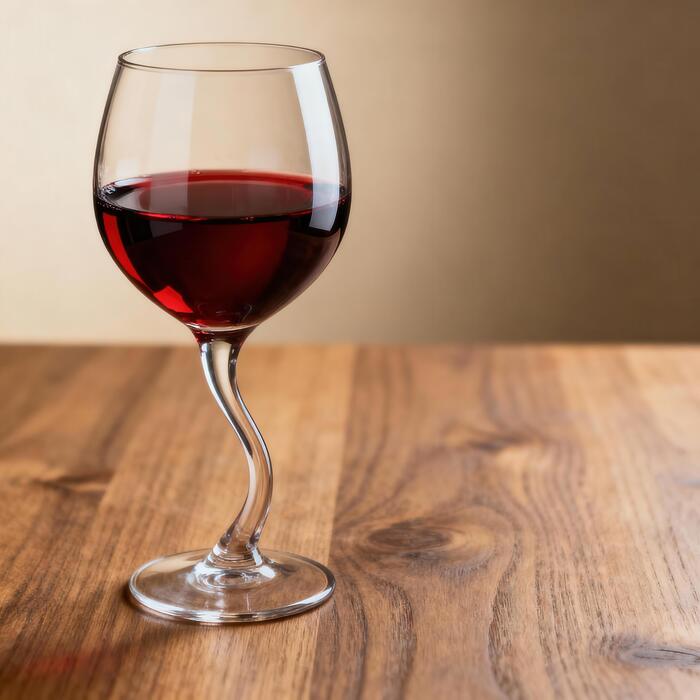
For those wondering why people shake wine glass stems, the primary goal is aeration, but doing so mid-air often leads to accidental splashes. The most effective solution for beginners is the tabletop technique, which provides maximum stability and control.
To start, place your wine glass on a flat, even surface like a dining table or bar counter. Instead of lifting the glass, firmly grasp the base of the stem between your thumb and index finger.
Apply gentle pressure and move the glass in small, concentric circles while keeping the base in constant contact with the table. This physical connection acts as a stabilizer, preventing the liquid from climbing too high up the sides.
By using the table as a guide, you can safely increase the surface area of the wine, allowing oxygen to integrate and release complex aromas. Practicing this grounded motion builds the muscle memory needed to eventually transition to more advanced handheld techniques without the risk of ruining your clothes.
The handheld flick for pros
Once you have mastered the tabletop method, you can progress to the handheld flick, which allows for more social flexibility. This technique answers the query of why shake wine glass movements are so common at tastings; it is about efficiency and elegance.
To execute this safely, hold the glass by the lower half of the stem rather than the bowl to avoid heating the wine with your hand. Use a subtle flick of the wrist rather than moving your entire arm.
The motion should be a fluid, elliptical rotation that coaxes the wine to climb the inner walls of the glass. The key to avoiding spills is to maintain a consistent rhythm; sudden jerks or changes in direction are what cause the wine to crest over the rim.
This professional maneuver ensures that the wine is properly aerated, breaking down tight tannins and highlighting the bouquet. Always keep your elbow tucked slightly toward your body to provide a secondary point of stability while you swirl the liquid with confidence.
Choosing the right fill level
Even the most skilled sommelier will struggle to swirl without spilling if the glass is overfilled. The secret to a successful, mess-free aeration lies in the volume of the pour.
You should never fill a wine glass more than one-third of the way up, or ideally, stop right at the widest part of the bowl. This specific fill level provides the necessary headspace for the wine to move freely without escaping the rim.
When the glass is poured correctly, the liquid has enough room to climb the sides during a swirl, which creates ‘legs’ or ‘tears’ and increases oxygen exposure. If you find yourself asking why shake wine glass contents is difficult, check your pour height first.
A lower volume creates a lower center of gravity, making the glass easier to balance and rotate. By respecting the geometry of the glassware and leaving ample air space, you ensure that every swirl remains contained while fully opening up the wine’s aromatic profile for a superior tasting experience.
What wine legs tell you about the bottle
The Marangoni effect explained
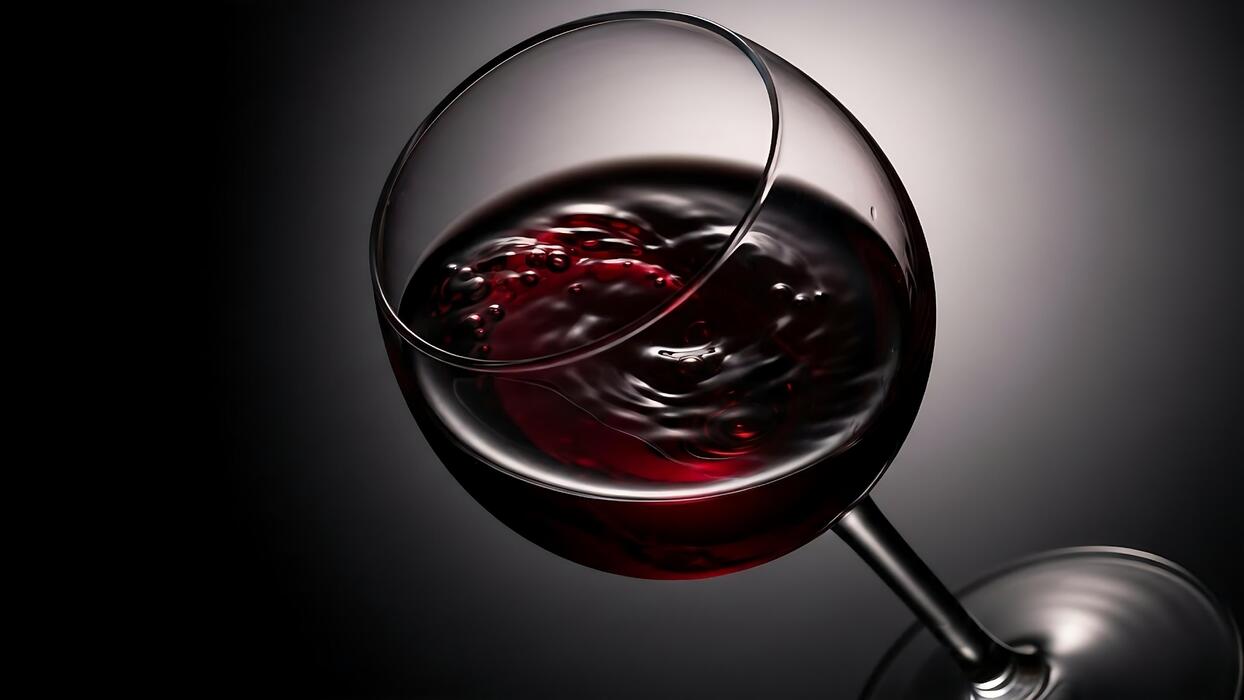
When you shake or swirl a wine glass, you are triggering a physical phenomenon known as the Marangoni effect. This process occurs because alcohol has a lower surface tension and a higher evaporation rate than water.
As the wine coats the sides of the glass, the alcohol evaporates more rapidly, creating a surface tension gradient that pulls the liquid upward. Eventually, gravity overcomes this force, causing the liquid to bead and flow back down the glass in distinct droplets or streaks.
By observing these legs, you are witnessing the interplay between evaporation and surface tension, which provides a visual representation of the liquid’s physical makeup. Shaking the glass is the essential first step to initiate this fluid dynamic, allowing you to see how the wine interacts with the air.
Understanding this effect helps you move beyond the myth that legs indicate quality and instead focus on the scientific composition of the beverage currently in your hand.
Measuring alcohol content by sight
The primary reason to shake a wine glass and observe the resulting legs is to estimate the bottle’s alcohol by volume.
Higher alcohol wines have a higher viscosity and a more significant difference in surface tension compared to the air, which results in slower-moving, more numerous legs that cling to the glass.
Conversely, a wine with lower alcohol content will produce legs that are thinner and fall back into the basin much faster. By paying close attention to the density and speed of the droplets, you can gain a surprisingly accurate preview of the wine’s potency before you even take a sip.
This visual cue acts as a roadmap for the palate, preparing you for the warmth or ‘burn’ associated with high-proof vintages.
While not a replacement for a label, checking the legs is a practical skill for identifying the structural intensity of the wine, helping you better understand the balance between the fruit and the underlying ethanol levels.
Checking for sugar levels
In addition to alcohol, the presence of residual sugar significantly impacts the way wine legs form after you shake the glass. Sugar increases the overall density and viscosity of the liquid, which makes the ‘tears’ appear thicker and move even more sluggishly down the sides.
In sweet dessert wines, the legs may appear almost like a syrupy coating rather than individual streaks, indicating a high concentration of dissolved solids. By analyzing how the liquid resists gravity, you can determine if a wine is bone-dry or contains significant residual sugar that will impact the mouthfeel.
This technique is particularly helpful when tasting blind, as it provides an immediate hint regarding the viscosity and sweetness profile of the wine.
When you shake the glass, you are essentially testing the liquid’s weight; the more stubborn the legs, the more likely the wine possesses a rich, sugary structure that will linger on your tongue long after the initial tasting is complete.
Best wine glass shapes for better aeration
Wide bowls for red wines
When you shake or swirl a wine glass, you are engaging in a process designed to increase the surface area of the liquid exposed to oxygen. For bold red wines like Cabernet Sauvignon or Syrah, a glass with a wide, voluminous bowl is essential for effective aeration.
The broad diameter allows the wine to spread out, ensuring that the heavy tannins begin to soften immediately upon contact with the air.
As you swirl, the wine coats the sides of the glass, creating a thin film that evaporates quickly to release complex aromatic compounds that would otherwise remain trapped. This mechanical agitation helps to dissipate harsh ethanol notes, allowing the fruity and earthy bouquets to take center stage.
Choosing a glass with a generous base ensures that even a vigorous swirl won’t result in spills, providing the optimal environment for oxygenation and enhancing the overall flavor profile of full-bodied red varietals significantly.
Narrower rims for whites
White wines generally require less intense aeration than reds, but the shape of the glass still plays a critical role in how the wine reacts when you shake it.
A glass with a tapered, narrower rim is ideal for lighter whites like Sauvignon Blanc or Riesling because it concentrates the delicate floral and citrus aromas directly toward your nose.
While the bowl may be smaller than those used for reds, the act of swirling still serves to awaken the wine’s subtle nuances by introducing just enough oxygen to lift the scent profile without over-oxidizing the sensitive juice.
The narrower opening acts as a funnel, ensuring that the volatile aromatic esters are preserved within the glass rather than escaping too quickly into the room.
By using a glass that balances a moderate bowl size with a tighter rim, you can effectively manage the aeration process to maintain the crisp acidity and fresh characteristics that define high-quality white wines.
Why stemless glasses are harder to swirl
Many enthusiasts wonder why professional tasters prefer stemmed glassware when performing the characteristic swirl. The primary reason is that a stem provides a stable pivot point and a comfortable grip that allows for a controlled, circular motion without touching the bowl.
When you use a stemless glass, your hand must grasp the bowl directly, which often leads to unintentional heat transfer from your skin to the wine. This increase in temperature can dull the wine’s vibrancy and alter the intended taste.
Furthermore, the lack of a stem makes it physically more difficult to achieve the centrifugal force needed for thorough aeration without risking a messy spill. Shaking a stemless glass often results in an awkward movement that fails to coat the glass walls effectively.
For the best results, a stemmed glass allows you to maintain the ideal serving temperature while facilitating the fluid motion required to properly oxygenate the liquid and unlock its full potential.
Common mistakes when shaking a wine glass
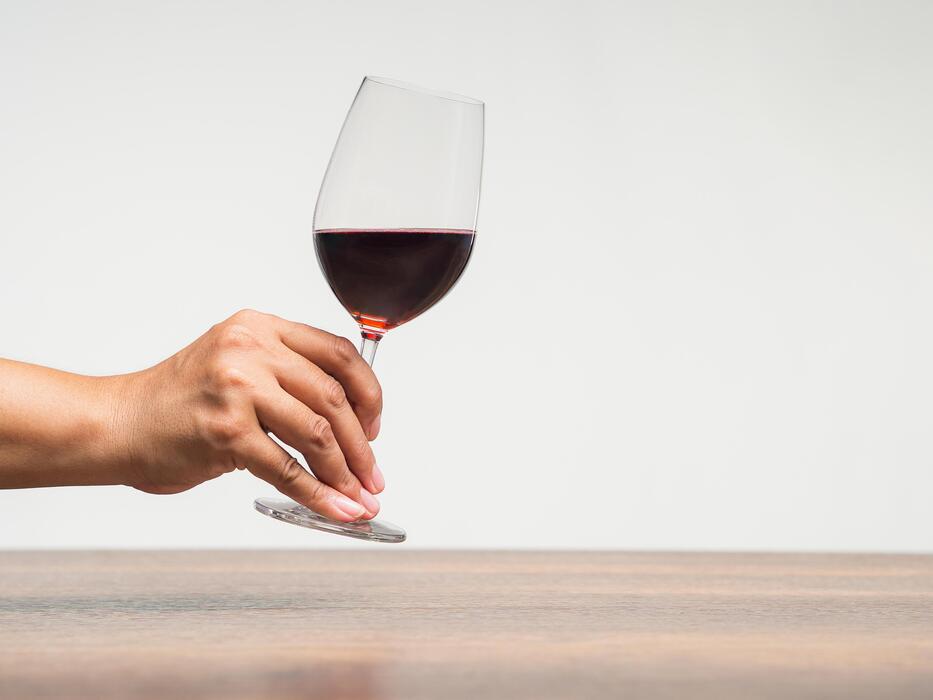
Over-swirling delicate old vintages
When asking why shake wine glass enthusiasts often suggest aeration, but applying this to aged bottles can be a critical error. Older vintages possess a fragile chemical structure that has developed over decades in a low-oxygen environment.
If you swirl these wines too aggressively, you risk dissipating delicate tertiary aromas like truffle, leather, and dried flowers before you even have a chance to enjoy them. Rapid aeration can cause an old wine to ‘fall apart’ or oxidize within minutes, turning a complex masterpiece into a flat liquid.
To avoid this, always perform a tiny, cautious rotation first and smell the wine immediately. If the bouquet is already expressive, stop swirling entirely to preserve its fleeting character.
Remember that the goal of shaking is to release trapped esters, but for an old wine, those esters are often ready to escape the moment the cork is pulled.
Treat aged selections with utmost gentleness to maintain structural integrity and ensure the flavor profile remains vibrant throughout the entire tasting session.
Vigorous shaking vs. gentle rotation
A frequent mistake beginners make is using a heavy-handed shaking motion rather than a controlled, fluid rotation. When you shake a glass vertically or too violently, you increase the risk of spills and fail to create the necessary centrifugal force that coats the glass walls.
The correct technique is to keep the base on the table and draw small, concentric circles to move the liquid up the sides of the bowl. This creates a larger surface area, allowing the alcohol to evaporate and carry the aromatic compounds directly to your nose.
By focusing on a smooth and consistent circular motion, you ensure that the wine’s ‘legs’ or ‘tears’ develop properly, which provides visual cues about the wine’s body and alcohol content.
Avoid the common pitfall of over-aerating young, simple wines, as excessive motion can sometimes emphasize harsh tannins or high alcohol heat. Instead, use a targeted and deliberate rotation to open up the bouquet without overwhelming the palate, ensuring every sip is balanced and aromatically complex.
Swirling sparkling wines and champagne
One of the most common mistakes in wine etiquette is shaking or swirling a glass of sparkling wine or Champagne. While still wines benefit from the oxygen exchange, the primary appeal of sparkling wine lies in its effervescence and the preservation of carbon dioxide.
If you swirl a glass of bubbles, you accelerate the loss of carbonation, causing the wine to go flat much faster than intended. The natural movement of the rising bubbles already acts as a built-in aeration system, carrying the yeast and fruit aromas to the surface without any manual intervention.
Shaking the glass also breaks the delicate mousse, which is essential for the mouthfeel and texture of high-quality sparkling wines. To properly appreciate these wines, observe the bead and persistent bubbles rather than agitating the liquid.
If you feel the wine is too cold and the aromas are muted, simply cup the bowl with your hands to slightly raise the temperature instead of swirling. This approach protects the integrity of the bubbles and ensures a crisp, refreshing tasting experience from start to finish.
The science of volatile compounds and scent
Increasing the surface area
When you swirl a wine glass, you are physically forcing the liquid to coat the internal walls of the vessel, which significantly increases the surface area exposed to the air. This mechanical action creates a thin film of wine that facilitates the rapid escape of volatile organic compounds.
By spreading the liquid across a larger space, you allow the complex chemical structures to break free from the tension of the bulk liquid.
This process is essential for high-quality tasting because it ensures that the concentration of aromatic molecules is high enough for your olfactory receptors to detect them effectively.
To maximize this effect, use a glass with a wide bowl and narrow rim, then perform a gentle circular motion for about five to ten seconds.
This simple technique transforms the wine from a dormant state into an active aromatic experience by optimizing the contact zone, creating a thin liquid film, and facilitating molecular release from the glass surface directly to your nose.
Vaporization of esters
The science of scent relies heavily on the vaporization of esters, which are the chemical compounds responsible for the fruity and floral notes in wine. These molecules are often trapped within the liquid matrix and require kinetic energy to transition into a gaseous state.
Shaking or swirling the glass provides this necessary energy, lowering the vapor pressure and encouraging these volatile compounds to lift into the headspace of the glass. Without this agitation, many of the nuanced secondary aromas would remain dissolved and undetectable to the taster.
By actively encouraging vaporization, you are essentially unlocking the hidden profile of the vintage. To achieve the best results, focus on a controlled swirl that keeps the wine below the midline of the bowl to avoid spills while concentrating the vapors.
This targeted movement is the most effective way of activating volatile esters, enhancing aromatic intensity, and concentrating scent molecules within the glass’s tulip shape, ensuring every subtle note is properly presented for evaluation.
How oxygen improves the bouquet
Introducing oxygen through the act of swirling initiates a crucial process known as aeration, which helps to soften harsh tannins and dissipate unwanted reductive aromas.
When wine is bottled, it often contains sulfur compounds or tight tannins that can mask the true bouquet; exposure to air helps these volatile gases escape quickly.
This oxidative interaction acts as a catalyst for chemical evolution, allowing the wine to open up and reveal its full complexity in a matter of seconds rather than hours. The oxygen reacts with the liquid to smooth out the palate while simultaneously pushing the desirable aromatic compounds toward the rim.
For the most balanced profile, swirl the wine intermittently throughout your tasting session to maintain a steady stream of fresh oxygen.
This practice is a fundamental step in mitigating reductive odors, softening aggressive tannins, and promoting chemical balance within the glass, which ultimately leads to a much more expressive and enjoyable sensory experience for both novice and expert enthusiasts alike.
Tips for improving your tasting experience
When to swirl and when to wait
To master the art of the swirl, you must first understand that timing is everything when assessing a fresh pour. When a bottle is first opened, the wine is often tightly wound and may exhibit reductive notes that mask its true character.
Initially, you should smell the wine without movement to establish a baseline of its current state. If the aromas seem muted or shy, begin a controlled swirl to introduce oxygen, which triggers the evaporation of aromatic compounds like esters and terpenes.
However, be cautious with very old vintages; delicate, aged wines possess fragile chemical structures that can dissipate rapidly if over-exposed to air. For these treasures, it is better to wait and let the wine breathe naturally in the glass rather than forcing the process through vigorous agitation.
By alternating between moments of stillness and gentle swirling, you allow the wine to reveal its layers of complexity at a pace that prevents the most nuanced floral notes from being overwhelmed by sudden oxidation.
Using decanters vs. glass swirling
While swirling your glass is perfect for immediate sensory evaluation, decanting serves as a high-volume solution for wines that require significant aeration.
A decanter provides a larger surface area for oxygen contact, making it the ideal choice for young, high-tannin red wines like Cabernet Sauvignon or Syrah that need to soften.
If you find yourself swirling excessively for several minutes without a change in the wine’s profile, it is a clear sign that the bottle needs the intensive aeration of a decanter.
Conversely, glass swirling is a more intimate and precise tool for white wines or lighter reds that only need a small boost to express their bouquet.
The primary advantage of the glass method is real-time control over the oxidation process, allowing you to stop the moment the wine reaches its peak expression.
Using both techniques in tandem—decanting for the bulk of the wine and swirling for individual assessment—ensures that every sip delivers the maximum flavor potential while maintaining the structural integrity of the liquid.
How to smell the wine after the swirl
Once you have completed a few rhythmic rotations to coat the sides of the bowl, the wine’s surface area is maximized, and the aromatic intensity is at its peak. To properly capture these released molecules, you should tuck your nose deep into the glass rather than hovering at the rim.
Take a series of short, quick sniffs—often called ‘bunny sniffs’—to prevent your olfactory receptors from becoming saturated and fatigued. This technique allows you to identify specific scent clusters, moving from primary fruit notes to secondary fermentation characteristics and tertiary aging aromas like leather or tobacco.
Pay close attention to the ‘legs’ or ‘tears’ sliding down the glass, as these indicate the wine’s alcohol content and viscosity, which influence how the scents are carried to your nose. By focusing on the center of the bowl, you capture the concentrated vapors that the swirl has liberated.
This focused sensory approach transforms a simple drink into a comprehensive analytical experience, helping you pinpoint the exact nuances that define the wine’s unique terroir and craftsmanship.
Frequently Asked Questions
Why do people swirl wine in a glass?
Swirling wine increases the surface area exposed to oxygen, which helps the wine ‘breathe.’ This process releases the wine’s volatile aromatic compounds, making it easier to smell the complex notes.
Does swirling the glass change the taste of wine?
Yes, by introducing oxygen through swirling, you soften harsh tannins and allow the flavors to open up. This aeration process can make a young or bold red wine taste smoother and more balanced.
What are wine ‘legs’ or ‘tears’ that appear after swirling?
The droplets that crawl down the side of the glass after a swirl are known as legs or tears. They are caused by the Gibbs-Marangoni effect and primarily indicate the wine’s alcohol content and sugar density rather than its quality.
How do you properly swirl a wine glass without spilling?
The easiest method is to keep the base of the glass on a flat surface like a table. Grip the stem between your thumb and index finger and draw small, firm circles on the tabletop to move the liquid.
Should you swirl every type of wine?
While swirling benefits most red and white wines by releasing aromas, you should be careful with sparkling wines. Excessive swirling of Champagne or Prosecco will cause the carbonation to dissipate more quickly, making the wine go flat.
How long should I swirl my wine before drinking?
A few seconds of gentle swirling is usually enough to release the aromas. If a wine is particularly ‘closed’ or has a sulfur-like smell initially, you may want to swirl it more vigorously for 10 to 20 seconds.
Conclusion
By aerating the liquid, you release complex aromas and soften harsh tannins, leading to a more balanced tasting experience. Whether you are a novice or a connoisseur, practicing this simple technique will deepen your appreciation for every bottle. Next time you pour a glass, give it a gentle swirl and savor the hidden layers.