Red And White Wine Fridge Temp
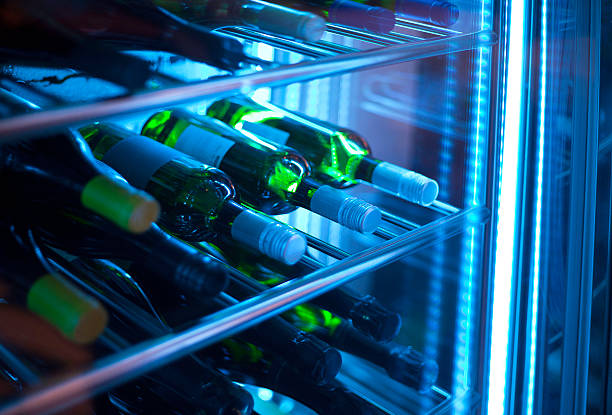
Wondering about the perfect red and white wine fridge temp? You’re not alone—getting the temperature right makes all the difference in flavor and enjoyment. The good news? We’ve got you covered. This guide cuts straight to the ideal settings so you can chill your whites and store your reds exactly how they should be. No guesswork, no wine ruined. Just crisp, balanced taste every time. Let’s get your wine fridge dialed in for perfection.
What Is the Ideal Temperature for Red and White Wine Storage?
Best Serving Temp for Red Wine
The ideal serving temperature for red wine is between 60°F and 68°F (15°C–20°C), depending on the body and varietal. Lighter reds like Pinot Noir taste best at the cooler end of this range, around 60°F–65°F, which helps preserve their bright fruit notes and acidity.
Fuller-bodied reds such as Cabernet Sauvignon or Syrah shine at 65°F–68°F, allowing their complex tannins and aromas to express fully. Serving reds too warm—above 70°F—can make alcohol dominate the palate, while too-cold temperatures mute flavors. Avoid serving straight from a standard room-temperature setting (72°F+).
Instead, chill the bottle in the fridge for 15–20 minutes before serving to reach the optimal drinking range and enhance balance, aroma, and overall enjoyment.
Best Serving Temp for White Wine
White wines are best served chilled, but over-chilling can dull their aromas and flavors. The ideal serving temperature for most whites is between 45°F and 55°F (7°C–13°C). Light, crisp whites like Pinot Grigio and Sauvignon Blanc taste freshest at 45°F–50°F, enhancing their zesty acidity and citrus notes.
Fuller-bodied whites such as Chardonnay or Viognier should be served slightly warmer, around 50°F–55°F, to bring out their creamy texture and nuanced flavors. Pull your white wine from the fridge about 10–15 minutes before serving to allow it to warm slightly. This small adjustment unlocks more complexity and improves mouthfeel.
Using a wine thermometer or timing fridge removal helps achieve precise serving temperatures for maximum enjoyment.
How Storage Temp Affects Flavor
Consistent long-term storage temperature is critical for preserving wine quality. The ideal storage range is 55°F (13°C), with minimal fluctuations. Temperatures above 70°F accelerate aging, potentially leading to flat, oxidized flavors, while temperatures below 45°F can slow aging too much and risk cork contraction.
Heat also increases pressure inside the bottle, which may push the cork out slightly and allow oxygen in, spoiling the wine. Conversely, cold storage preserves freshness but must remain stable—frequent shifts in temperature cause liquids to expand and contract, possibly compromising the seal.
Flavor, aroma, and structure all depend on stable, cool conditions. For long-term aging or short-term storage, aim for 55°F with 60–70% humidity to protect corks and maintain balance.
Differences Between Serving and Long-Term Storage
It’s essential to distinguish between serving temperature and long-term storage temperature. While 55°F is ideal for storage, it’s often too cold for immediate serving—most wines benefit from slight warming or chilling before drinking.
Red wines stored at 55°F may need 30–60 minutes at room temperature to reach their ideal serving range (60°F–68°F), while whites might need only 15 minutes in the fridge if stored at cellar temp. Serving temp enhances drinkability; storage temp preserves longevity.
Using a dual-zone wine cooler allows you to maintain long-term storage conditions while keeping bottles ready-to-serve at optimal temps. Understanding this difference ensures your wine tastes its best at the moment of opening and ages gracefully over time.
How to Set Your Wine Fridge for Both Red and White Wines
Dual-Zone vs Single-Zone Fridges
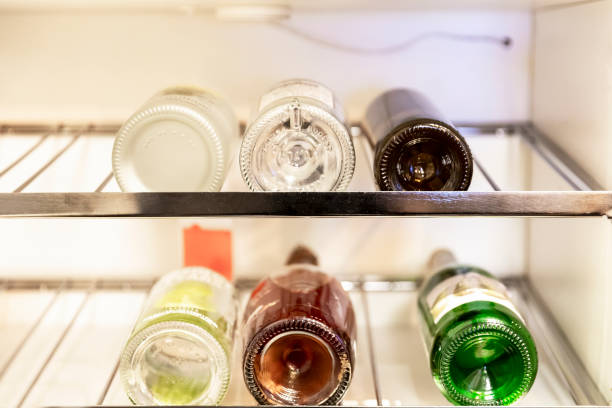
Choosing between a dual-zone and single-zone wine fridge is crucial when storing both red and white wines. Dual-zone models have independent temperature controls for upper and lower compartments, allowing you to chill whites in one section while keeping reds at a warmer, ideal serving temperature in the other.
This flexibility ensures both wine types are preserved and served optimally. In contrast, single-zone fridges maintain one temperature throughout, making them less ideal for mixed storage unless you’re serving both types within a similar range.
If you frequently enjoy both reds and whites, investing in a dual-zone fridge offers superior control and protects your wine investment. Always check the manufacturer’s specs to confirm true dual-zone functionality.
Setting the Upper and Lower Zones
In a dual-zone wine fridge, set the upper zone between 45°F and 50°F (7°C–10°C) for white wines, which benefit from cooler storage to preserve acidity and aromas. The lower zone should be maintained at 55°F to 65°F (13°C–18°C) for red wines, protecting their complex tannin structure and bouquet.
Most dual-zone units allow you to assign zones as preferred, so place whites in the cooler top section and reds below. Avoid frequent temperature fluctuations by minimizing door openings and allowing 24 hours for the unit to stabilize after adjustments.
Use built-in thermometers or a standalone digital thermometer to verify accuracy, as factory settings may vary. Proper zone management ensures both red and white wines age gracefully and are ready to serve at their best.
Adjusting for Different White Varietals
Not all white wines thrive at the same temperature, so fine-tuning your fridge’s white wine zone enhances flavor. Light, aromatic whites like Pinot Grigio and Sauvignon Blanc taste best at the cooler end of the spectrum—45°F to 48°F (7°C–9°C)—to highlight crispness.
Fuller-bodied whites such as Chardonnay or Viognier benefit from slightly warmer temps—50°F to 52°F (10°C–11°C)—to express richer textures and nuanced aromas. If your fridge allows precise control, use a wine thermometer to monitor actual bottle temperature, not just ambient air.
You can also let whites sit at room temperature for 10–15 minutes before serving if slightly too cold. Tailoring temps by varietal maximizes enjoyment and showcases each wine’s unique character.
Tips for Balancing Red and White Storage
To effectively store both red and white wines, organize by drinking frequency—place frequently served bottles at eye level for easy access. Use zone-specific racks to separate types and prevent temperature interference. If using a dual-zone fridge, avoid overcrowding, which restricts airflow and creates hot or cold spots.
Allow newly added bottles time to acclimate—wait at least 24 hours before serving. For single-zone fridges, aim for a compromise temperature around 55°F (13°C) and remove reds 30 minutes before serving to warm slightly, while chilling whites further in the kitchen fridge if needed.
Regularly clean the interior and check seals to maintain consistent temps. These small habits ensure both red and white wines stay in peak condition for optimal tasting.
Best Wine Fridge Temperatures by Wine Type
Light Whites: Sauvignon Blanc and Pinot Grigio
For light white wines like Sauvignon Blanc and Pinot Grigio, the ideal fridge temperature is between 45°F and 50°F (7°C–10°C). This cooler range preserves their crisp acidity and vibrant fruit notes, ensuring a refreshing drinking experience.
If stored too cold, below 45°F, their aromas can become muted; too warm, and they lose their signature zesty freshness. Set your wine fridge to the lower end of this range if you prefer a more chilled, lively sip.
These wines benefit from minimal aging, so enjoy them within 1–3 years of purchase. Avoid storing light whites in a standard kitchen fridge long-term, as the extreme cold and dry environment can damage the cork and dull flavors. Keep them in a dedicated wine cooler for best results.
Full-Bodied Whites: Chardonnay and Viognier
Full-bodied whites such as Chardonnay and Viognier thrive at slightly warmer temperatures of 50°F to 55°F (10°C–13°C). This range enhances their rich textures and complex aromas, including buttery, oaky, or floral notes, without muting their character.
Serving them too cold masks their depth, while temperatures above 55°F can make them taste flat or overly alcoholic. Allow the bottle to sit at room temperature for 10–15 minutes if your fridge runs cold. These wines often benefit from short-term aging (1–5 years), so consistent storage conditions are key.
A wine fridge with dual-zone cooling is ideal, letting you maintain this precise range separate from reds. This ensures every glass expresses its full, intended profile.
Light Reds: Pinot Noir and Gamay
Light red wines like Pinot Noir and Gamay should be stored and served at 55°F to 60°F (13°C–16°C). This cooler red range preserves their bright acidity and delicate red fruit flavors, such as cherry, raspberry, and strawberry, while softening tannins.
Serving them too warm emphasizes alcohol and dulls nuances; too cold suppresses their aromatic complexity. Chill in the fridge for 30–45 minutes if stored at room temperature. These wines are best enjoyed within 3–7 years of vintage and are sensitive to temperature swings.
A consistent wine fridge setting prevents premature aging. Avoid standard room temperature (70°F+) for serving—true ‘cellar temperature’ is cooler. This optimal range brings balance and elegance to each sip.
Full-Bodied Reds: Cabernet Sauvignon and Syrah
Full-bodied reds including Cabernet Sauvignon and Syrah perform best at 60°F to 65°F (16°C–18°C). This temperature softens tannins and unlocks layered flavors like dark berry, spice, and earth, creating a smoother, more integrated taste. Exceeding 65°F can make alcohol dominate, while colder temps make the wine seem harsh and closed-off.
These wines often benefit from aging (5–15+ years), so long-term storage at this steady range is crucial for development. A dual-zone wine fridge allows you to maintain this warmth separate from whites. Decanting at serving time further enhances their profile.
Consistency is key—avoid temperature fluctuations that can damage the wine’s structure. This ideal range ensures powerful, balanced enjoyment.
How Temperature Impacts Wine Taste and Aroma
What Happens When White Wine Is Too Warm
When white wine is served too warm, its refreshing acidity diminishes, making the wine taste flat and overly alcoholic. Warmer temperatures cause volatile alcohol compounds to dominate, masking delicate floral and citrus notes. This imbalance dulls the crispness that makes whites like Sauvignon Blanc or Pinot Grigio so enjoyable.
To preserve brightness and structure, serve most white wines between 45°F and 50°F (7°C–10°C). If the wine has been at room temperature, chill it in the refrigerator for about 30–60 minutes before serving. Over-warmed wine cannot regain its ideal profile once poured, so temperature control starts before opening.
Consistent cooling ensures the wine expresses its full aromatic range and balanced palate from first sip to last.
What Happens When Red Wine Is Too Cold
Serving red wine too cold suppresses its aroma and flavor complexity, making it seem dull and lifeless. Cold temperatures cause tannins to tighten, resulting in a harsh, astringent mouthfeel that overwhelms the fruit characteristics.
Reds like Cabernet Sauvignon or Merlot need to express their full bouquet, which only emerges near their ideal range of 60°F–65°F (15°C–18°C). When chilled below this, subtle notes of spice, oak, and berry become muted.
To correct an over-chilled red, let it sit at room temperature for 15–20 minutes before serving. Avoid serving straight from a standard refrigerator, which typically runs at 35°F–40°F (2°C–4°C). Properly warmed reds reveal balance, depth, and smooth texture essential to the tasting experience.
How Chilling Affects Acidity and Tannins
Temperature directly influences how we perceive acidity in whites and tannins in reds. Cooler temperatures enhance the sensation of acidity, making chilled white wines taste crisper and more vibrant. This is ideal for light, aromatic varieties that rely on freshness.
Conversely, cold temperatures exaggerate tannin harshness in red wines, making them seem more bitter and astringent than intended. Warming reds slightly softens tannins, promoting a smoother, rounder mouthfeel.
The key is balance: whites benefit from cooler serving temps to highlight acidity, while reds need slightly warmer temps to tame tannins and open aromas. Understanding this contrast ensures each wine type delivers its best sensory profile, enhancing both immediate enjoyment and food pairing success.
Preserving Aromas with Proper Cooling
Wine aromas are highly sensitive to temperature, and proper cooling locks in volatile aromatic compounds that define a wine’s character. When white wines are too warm, these delicate scents—like citrus, green apple, or floral notes—evaporate quickly, leaving the wine muted.
Conversely, reds served too cold trap their bouquet, hiding layers of fruit, spice, and earth. Serving at the ideal fridge temperature stabilizes these compounds, allowing them to unfold gradually in the glass. Use a wine thermometer or timed chilling to hit the sweet spot: 45°F–50°F for whites, 60°F–65°F for reds.
This precision ensures maximum aroma release upon pouring, enhancing the olfactory experience that’s key to tasting. Proper cooling isn’t just about comfort—it’s about revealing the wine’s true identity.
Tips for Storing Opened Bottles in a Wine Fridge
Best Temp for Opened Red Wine
The ideal temperature for storing opened red wine in a wine fridge is between 55°F and 65°F (13°C–18°C). While unopened reds thrive at cellar temperatures, opened bottles benefit from slightly cooler settings to slow oxidation and preserve flavor.
Placing opened red wine in the main compartment of your dual-zone wine fridge—typically set for reds—is perfect. Avoid the standard kitchen fridge, as temperatures below 50°F dull aromas and can cause cork contraction. Consistency is key: keep the bottle upright and minimize temperature fluctuations.
This helps retain the wine’s character for up to 3–5 days. If your wine fridge only has one zone, aim for the higher end of its range and use a vacuum seal to extend freshness.
Best Temp for Opened White Wine
For opened white wine, the optimal storage temperature in a wine fridge is between 45°F and 50°F (7°C–10°C). This range keeps the wine chilled without freezing delicate flavors. Most dual-zone wine fridges have a dedicated white wine section set to this range—use it.
Storing opened whites at this temperature slows oxidation and preserves acidity and aromatics. Always re-cork or seal the bottle immediately after pouring. Avoid the colder environment of a kitchen refrigerator, which can mask subtle notes.
If your wine fridge allows precise control, set the white zone to 48°F for balanced freshness. Consistent, cool temps help whites stay vibrant for up to 5–7 days when properly sealed.
How Long Opened Wines Last in the Fridge
Opened wines stored in a wine fridge typically last 3–5 days for reds and 5–7 days for whites, depending on the variety and sealing method. Lighter reds like Pinot Noir degrade faster, while fuller-bodied types like Cabernet Sauvignon may hold up longer.
Whites, especially aromatic ones like Sauvignon Blanc, retain freshness longer due to higher acidity. Temperature stability and proper sealing are critical—fluctuations and air exposure accelerate spoilage. Monitor for off smells, flat flavors, or color changes. Sweet and fortified wines (like Port or Riesling) can last up to 1–2 weeks.
For best results, label bottles with the opening date and store them upright to minimize surface area exposed to oxygen.
Sealing Methods to Maintain Freshness
To extend the life of opened wine, use effective sealing methods that minimize air exposure. A tight-fitting wine stopper creates an airtight seal and is ideal for short-term storage. For better results, use a vacuum pump system to remove oxygen from the bottle—this can extend freshness by several days.
Inert gas preservers (like argon or nitrogen sprays) form a protective layer over the wine, preventing oxidation without altering taste. Avoid plastic wrap and rubber bands—they don’t provide reliable seals. For frequent wine drinkers, consider wine preservation systems with reusable glass stoppers and gas dispensers.
Always reseal immediately after pouring to maintain optimal flavor and aroma in your wine fridge.
Common Wine Fridge Mistakes and How to Avoid Them
Setting the Fridge Too Cold
One of the most common wine fridge mistakes is setting the temperature too low, especially for red wine storage. Many assume colder is better, but chilling reds below 55°F (13°C) can suppress their aromas and flavors, making them taste dull and overly tannic.
White wines fare better at cooler temps, ideally between 45°F–50°F (7°C–10°C), but even they suffer if frozen or near-freezing. Use a dual-zone wine fridge or adjust your single-zone unit to a middle-ground temperature around 50°F–55°F (10°C–13°C) if storing both types.
Regularly calibrate your thermostat using a standalone thermometer to ensure accuracy, as built-in controls can be unreliable. Maintaining the correct temperature range preserves wine quality and aging potential.
Storing All Wines at the Same Temp
Storing red and white wines at the same temperature undermines their optimal tasting profiles. Red wines should be kept at 55°F–65°F (13°C–18°C) to maintain balance and complexity, while white wines thrive at 45°F–50°F (7°C–10°C) for crisp acidity and freshness. Using a single-zone wine fridge for both types forces compromise.
Invest in a dual-zone wine cooler that allows independent temperature control for separate compartments. This ensures reds aren’t chilled too much and whites aren’t too warm.
If using a single zone, store wines closest to their ideal serving temperature and allow bottles to adjust in the fridge or at room before serving. Proper zoning prevents flavor distortion and enhances your wine experience.
Ignoring Humidity and Vibration
Beyond temperature, humidity and vibration significantly impact wine preservation. Ideal humidity levels (50%–70%) prevent corks from drying out, which could lead to oxidation. Too dry, and corks shrink; too humid, and labels mildew.
Wine fridges often run drier than cellars, so monitor humidity with a hygrometer and consider adding a humidifying tray if needed. Vibration from compressors or poor placement can disturb sediment and accelerate aging, especially in aging reds.
Place your fridge on a stable surface away from appliances and choose models with vibration-dampening features. Maintaining stable humidity and minimizing movement protects wine integrity over time, ensuring each bottle matures gracefully and tastes as intended upon opening.
Overloading the Fridge and Airflow Issues
Overpacking your wine fridge restricts proper airflow, leading to uneven temperatures and potential spoilage. Wine needs consistent cooling, but tightly packed bottles block cold air circulation, creating hot spots. Leave space between bottles and avoid blocking vents to allow the cooling system to function efficiently.
Overloading also makes it harder to access bottles without disturbing others, increasing vibration and temperature fluctuations. Follow the manufacturer’s capacity guidelines and organize bottles with adequate spacing. If your fridge feels warm in certain areas, reposition bottles and check fan operation.
Ensuring unobstructed airflow maintains stable red and white wine fridge temps, protecting your collection and preserving flavor, aroma, and aging potential over time.
How to Serve Wine at the Right Temperature from the Fridge
Pulling Red Wine Out in Advance
To serve red wine at its ideal temperature, remove it from the fridge 30 to 60 minutes before serving. Most red wines taste best between 60°F and 68°F (15°C–20°C), which is cooler than room temperature in many homes.
If served too cold, the flavors and aromas become muted; too warm, and the alcohol overpowers the palate. Storing red wine in the fridge helps preserve it, but never serve it straight from refrigeration. Instead, let it gradually warm up in a cool, dark place.
Fuller-bodied reds like Cabernet Sauvignon benefit from the warmer end of the range, while lighter reds like Pinot Noir do well slightly cooler. Planning ahead ensures optimal taste and balance.
Chilling Time for Warm Bottles
If your white or rosé wine is at room temperature, chill it in the fridge for about 2 to 3 hours to reach the ideal serving range of 45°F to 50°F (7°C–10°C). This is especially important for full-bodied whites like Chardonnay, which can taste flabby if too warm.
Lighter whites such as Sauvignon Blanc and sparkling wines do best at the cooler end—around 43°F to 48°F. Avoid leaving bottles in the fridge for more than 4 hours, as over-chilling dulls delicate aromas. Use a timer or label bottles with start times to track cooling.
For convenience, keep whites in the fridge and pull reds out in advance—this system simplifies serving both types perfectly every time.
Using Ice Baths for Quick Cooling
When you need to chill wine quickly, an ice bath is the fastest and most effective method. Fill a bucket or large bowl with ice, water, and a handful of salt—this lowers the freezing point and accelerates cooling. Submerge the bottle fully and rotate it gently every few minutes.
White wines typically reach ideal temperature in 15 to 20 minutes, while reds can be cooled to serving temp in about 10–15 minutes. This technique is perfect for last-minute guests or forgotten bottles. Avoid the freezer, which risks over-chilling or breaking the bottle.
With an ice bath, you maintain control and preserve the wine’s balance, ensuring crisp, vibrant flavors when poured.
Checking Temp with a Wine Thermometer
For precision, use a wine thermometer to verify serving temperature before pouring. These slim, quick-read thermometers are designed to minimize wine exposure and deliver accurate readings in seconds.
Insert the probe into the bottle for a moment and check: whites should read between 45°F and 50°F, reds between 60°F and 68°F. This step eliminates guesswork, especially with vintage bottles or high-quality wines where temperature impacts flavor significantly. Some digital thermometers even offer preset alerts for ideal ranges.
Consistent temperature control enhances aroma, balance, and overall enjoyment. Over time, you’ll learn how long different wines need out of the fridge, but a thermometer ensures accuracy every time, elevating your wine service to restaurant quality.
Frequently Asked Questions
What is the ideal temperature for storing white wine in a wine fridge?
The ideal temperature for storing white wine is between 45°F and 50°F (7°C to 10°C). This range preserves freshness and acidity while preventing premature aging.
What is the best temperature setting for red wine in a wine fridge?
Red wine should be stored between 55°F and 65°F (13°C to 18°C) to maintain its flavor profile and allow for proper aging. Avoid temperatures above 68°F to prevent spoilage.
Can I store both red and white wine in the same wine fridge?
Yes, dual-zone wine fridges are designed to store both red and white wines at their optimal temperatures. One zone can be set cooler for whites, while the other maintains a warmer range for reds.
What happens if I store red wine too cold in a wine fridge?
Storing red wine too cold can mute its flavors and aromas and may cause corks to contract, leading to oxidation. It’s best to serve it slightly below room temperature, not refrigerator-cold.
Should I chill red wine before serving if it’s stored at 55°F?
Wine stored at 55°F is ready to serve; further chilling is usually unnecessary. Lighter reds like Pinot Noir can be slightly chilled for enhanced refreshment, but heavy reds are best at cellar temperature.
Is 50°F too cold for red wine storage?
Yes, 50°F is on the cooler side for long-term red wine storage and may slow aging excessively. It’s acceptable for short-term storage, but 55°F to 65°F is preferred for optimal development.
How do I set my wine fridge for both reds and whites?
If your fridge has dual zones, set the upper compartment to 45–50°F for whites and the lower to 55–65°F for reds. For single-zone fridges, aim for 50–55°F as a compromise, but separate storage is ideal.
Conclusion
Maintaining the proper temperature for red and white wines enhances their flavor and aroma. White wines thrive at 45–50°F, while reds shine at 55–65°F. Storing both in a dual-zone wine fridge ensures ideal conditions. Avoid serving reds too warm or whites too cold, as extremes dull taste. With the right setup, every glass delivers its full potential. Cheers to perfectly chilled wines and elevated tasting experiences!